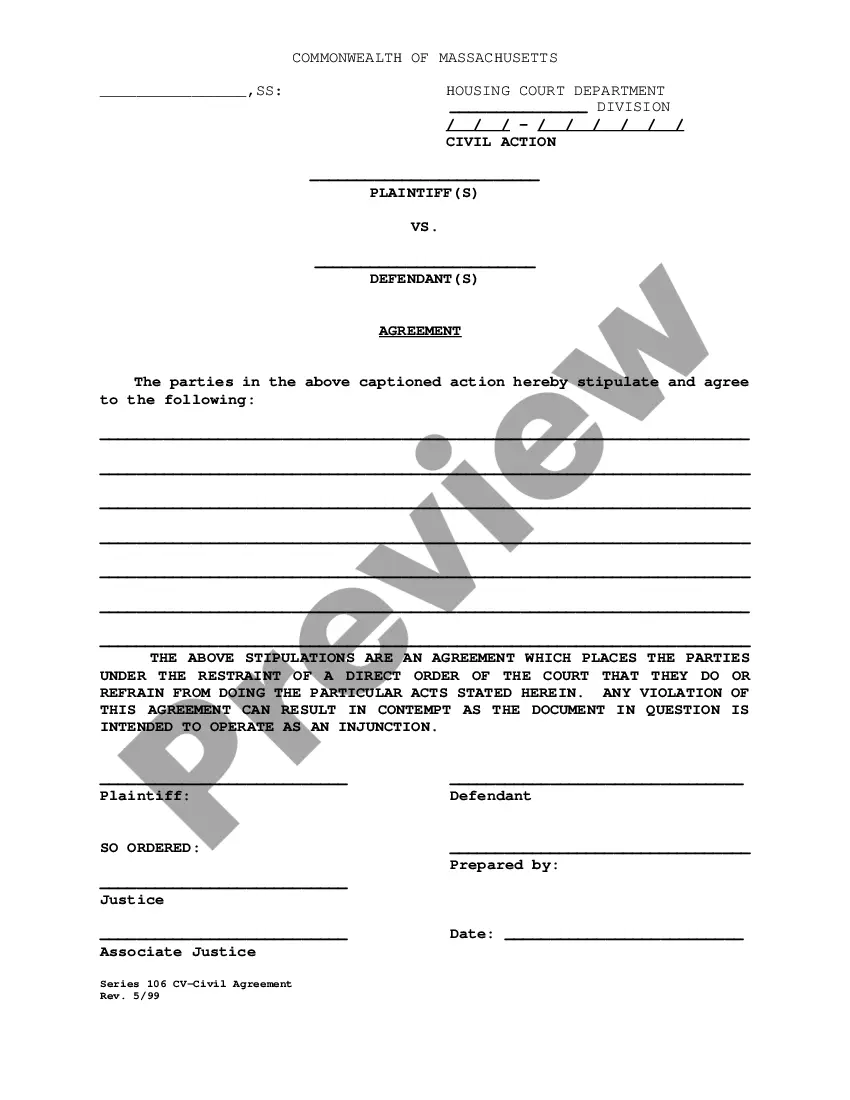
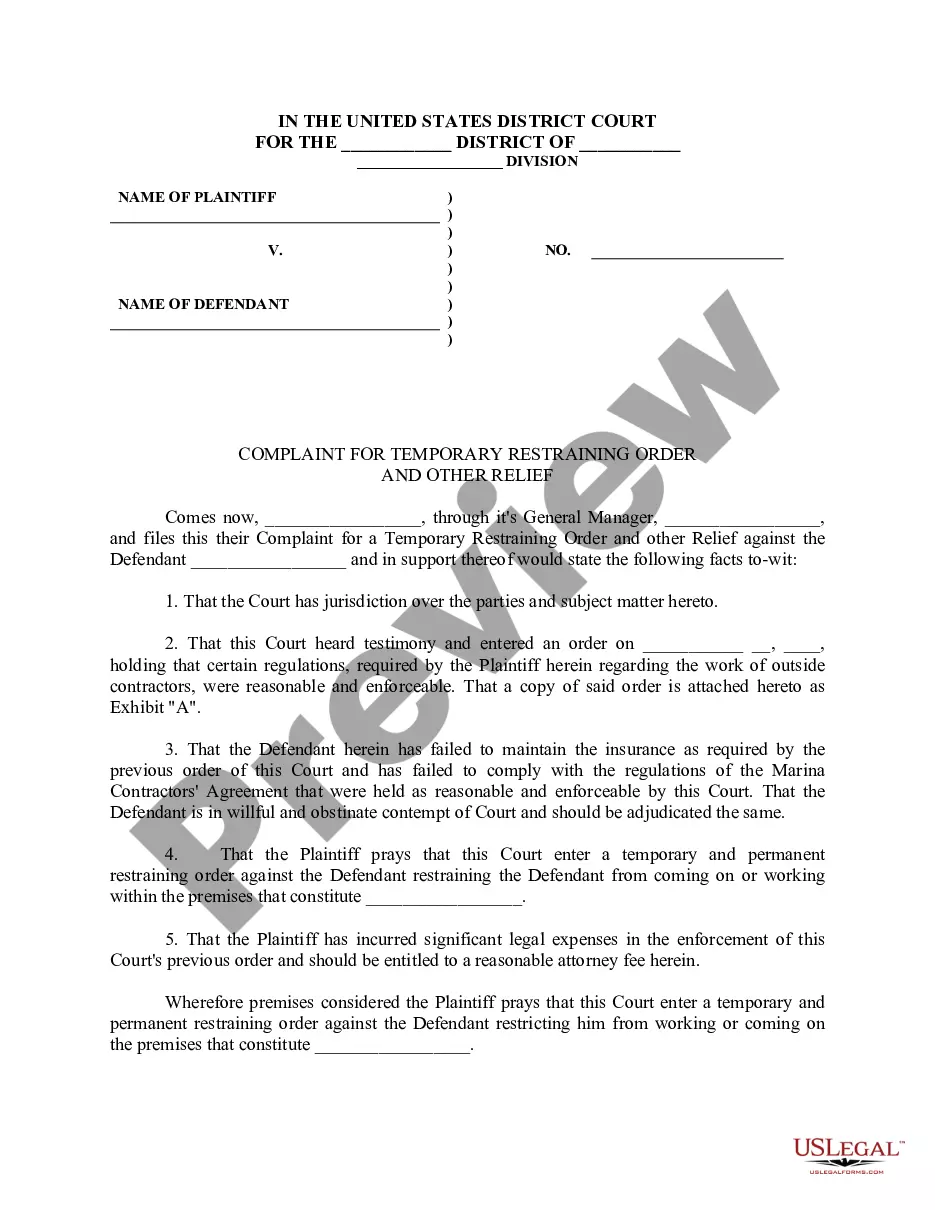
Deceptive Trade Forge In Mecklenburg
Description







Get your form ready online
Our built-in tools help you complete, sign, share, and store your documents in one place.
Make edits, fill in missing information, and update formatting in US Legal Forms—just like you would in MS Word.
Download a copy, print it, send it by email, or mail it via USPS—whatever works best for your next step.
Sign and collect signatures with our SignNow integration. Send to multiple recipients, set reminders, and more. Go Premium to unlock E-Sign.
If this form requires notarization, complete it online through a secure video call—no need to meet a notary in person or wait for an appointment.
We protect your documents and personal data by following strict security and privacy standards.

Make edits, fill in missing information, and update formatting in US Legal Forms—just like you would in MS Word.

Download a copy, print it, send it by email, or mail it via USPS—whatever works best for your next step.

Sign and collect signatures with our SignNow integration. Send to multiple recipients, set reminders, and more. Go Premium to unlock E-Sign.

If this form requires notarization, complete it online through a secure video call—no need to meet a notary in person or wait for an appointment.

We protect your documents and personal data by following strict security and privacy standards.
Looking for another form?
Form popularity
FAQ
North Carolina's civil statute of limitations laws give a three-year time limit for personal injuries, fraud, and many other causes of action but only a one-year limit for defamation.
Violating the UDTPA subjects a defendant to potential treble (triple) damages, costs, and attorney's fees. It has a four-year statute of limitations.
Final answer: Defamation, as an unfair trade practice, refers to the spreading of false information about another entity to damage its reputation.
(These practices are commonly called misleading or unfair business practices.) They include false advertising, misrepresentation, tied selling, and failing to comply with regulations. Under consumer protection laws, they are illegal and can lead to compensatory or punitive damages.
Violating the UDTPA subjects a defendant to potential treble (triple) damages, costs, and attorney's fees. It has a four-year statute of limitations.
The statute of limitations period for filing a claim under the CLRA is three years from the occurrence of the alleged violation.
I have a problem with a business. Where can I get help? You may wish to file a consumer complaint with the North Carolina Consumer Protection Division. You can file a complaint online or call 1-877-5-NO-SCAM for assistance.
File a complaint with your local consumer protection office or the state agency that regulates the company. Notify the Better Business Bureau (BBB) in your area about your problem. The BBB tries to resolve your complaints against companies.
I have a problem with a business. Where can I get help? You may wish to file a consumer complaint with the North Carolina Consumer Protection Division. You can file a complaint online or call 1-877-5-NO-SCAM for assistance.
The cornerstone of consumer protection in North Carolina is the North Carolina Consumer Protection Act (NCCPA). This legislative act prohibits unfair and deceptive trade practices, such as false advertising, fraudulent schemes, and deceptive business practices.