Deceptive Trade With Texas In Massachusetts
Description


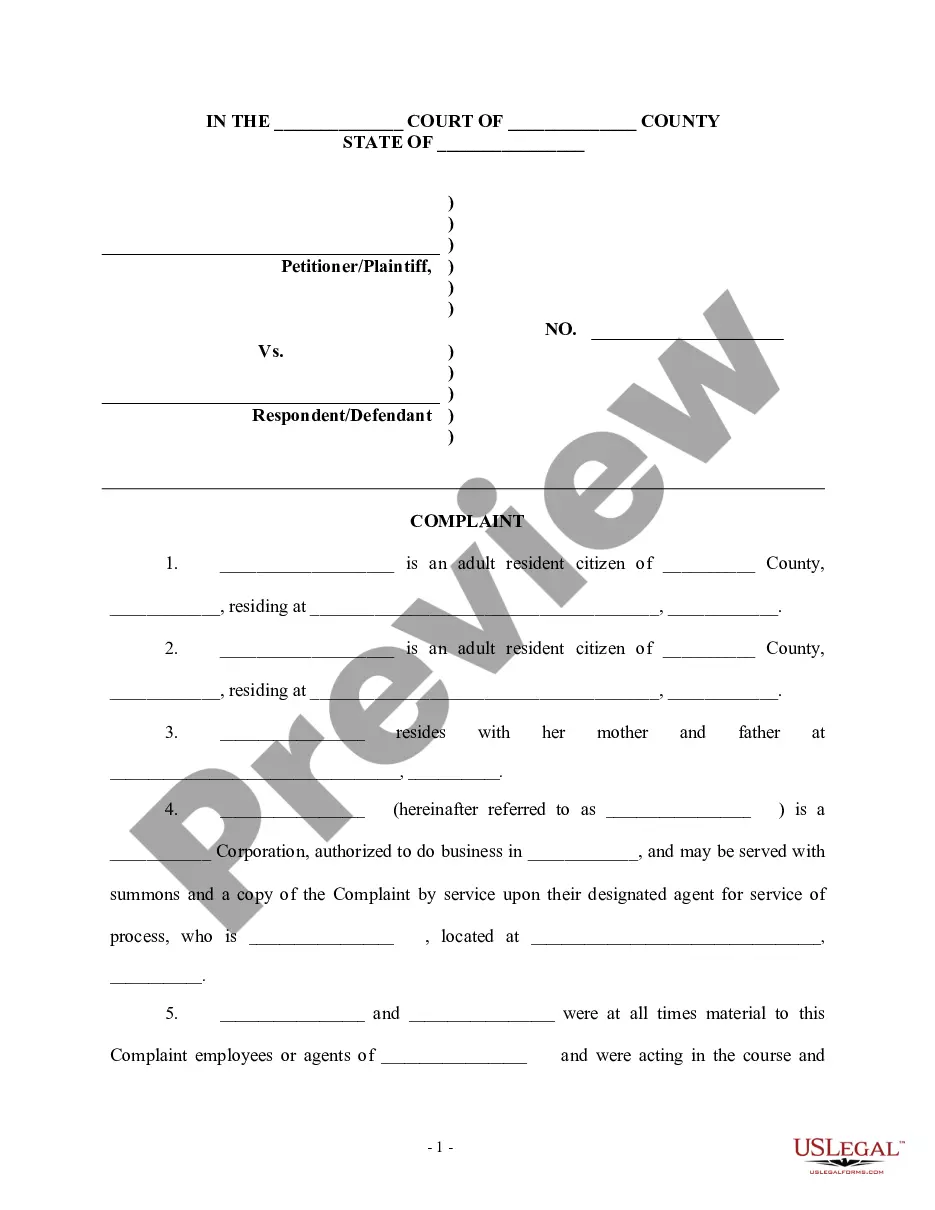
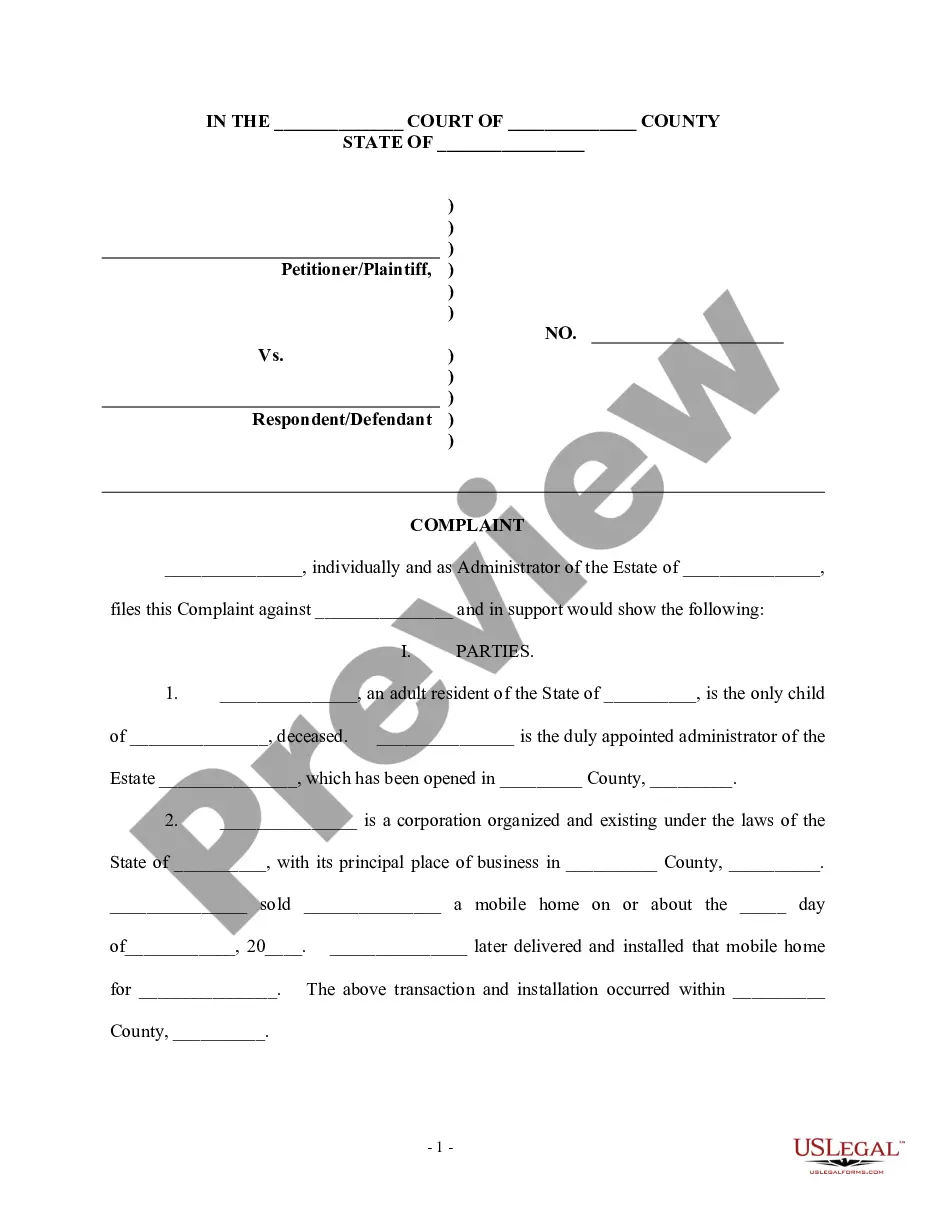
Get your form ready online
Our built-in tools help you complete, sign, share, and store your documents in one place.
Make edits, fill in missing information, and update formatting in US Legal Forms—just like you would in MS Word.
Download a copy, print it, send it by email, or mail it via USPS—whatever works best for your next step.
Sign and collect signatures with our SignNow integration. Send to multiple recipients, set reminders, and more. Go Premium to unlock E-Sign.
If this form requires notarization, complete it online through a secure video call—no need to meet a notary in person or wait for an appointment.
We protect your documents and personal data by following strict security and privacy standards.

Make edits, fill in missing information, and update formatting in US Legal Forms—just like you would in MS Word.

Download a copy, print it, send it by email, or mail it via USPS—whatever works best for your next step.

Sign and collect signatures with our SignNow integration. Send to multiple recipients, set reminders, and more. Go Premium to unlock E-Sign.

If this form requires notarization, complete it online through a secure video call—no need to meet a notary in person or wait for an appointment.

We protect your documents and personal data by following strict security and privacy standards.
Looking for another form?









Form popularity
FAQ
Massachusetts has a statute that specifically enables the Attorney General and consumers to take legal action against unfair or deceptive conduct in the marketplace, called Massachusetts Consumer Protection law, Massachusetts General Laws Chapter 93A.
(a) Any person who engages, has engaged, or proposes to engage in unfair competition shall be liable for a civil penalty not to exceed two thousand five hundred dollars ($2,500) for each violation, which shall be assessed and recovered in a civil action brought in the name of the people of the State of California by ...
State law requires you to send the business a letter 30 days before filing a claim in court. The letter must outline your complaint, the harm you suffered, and how you want the problem resolved. This is called a 30 Day Demand Letter.
A statute of limitations is the date by which a plaintiff must file their action or the suit may be dismissed. The statute of limitations for Chapter 93A claims is four (4) years from the date of the alleged injury or deceptive act which gave rise to the lawsuit.
Filing a Chapter 93A Complaint in Massachusetts Be sent to the business at least thirty (30) days prior to the filing of an actual lawsuit; State that the claimant is a "consumer" - someone who engages in commerce for primarily personal, family, or household purposes; Identify the claimant's full name and address;
The demand letter must be sent at least thirty days before you file your lawsuit with the Chapter 93A claim. The demand letter must identify the person or entity making the claim of unfair or deceptive practices. The demand letter must reasonably describe the alleged unfair or deceptive practice.
Explanation: The most likely action to be a violation of the Texas Deceptive Trade Practices-Consumer Protection Act would be misleading advertising. This act prohibits false, misleading, or deceptive acts or practices in connection with the sale of goods or services.
(a) This subchapter shall be liberally construed and applied to promote its underlying purposes, which are to protect consumers against false, misleading, and deceptive business practices, unconscionable actions, and breaches of warranty and to provide efficient and economical procedures to secure such protection.
Texas Deceptive Trade Practices Act Generally speaking, it prohibits people and businesses from using misleading or dishonest actions or statements in the course of doing business or making a sale.