Deceptive Trade For Texas In Kings
Description

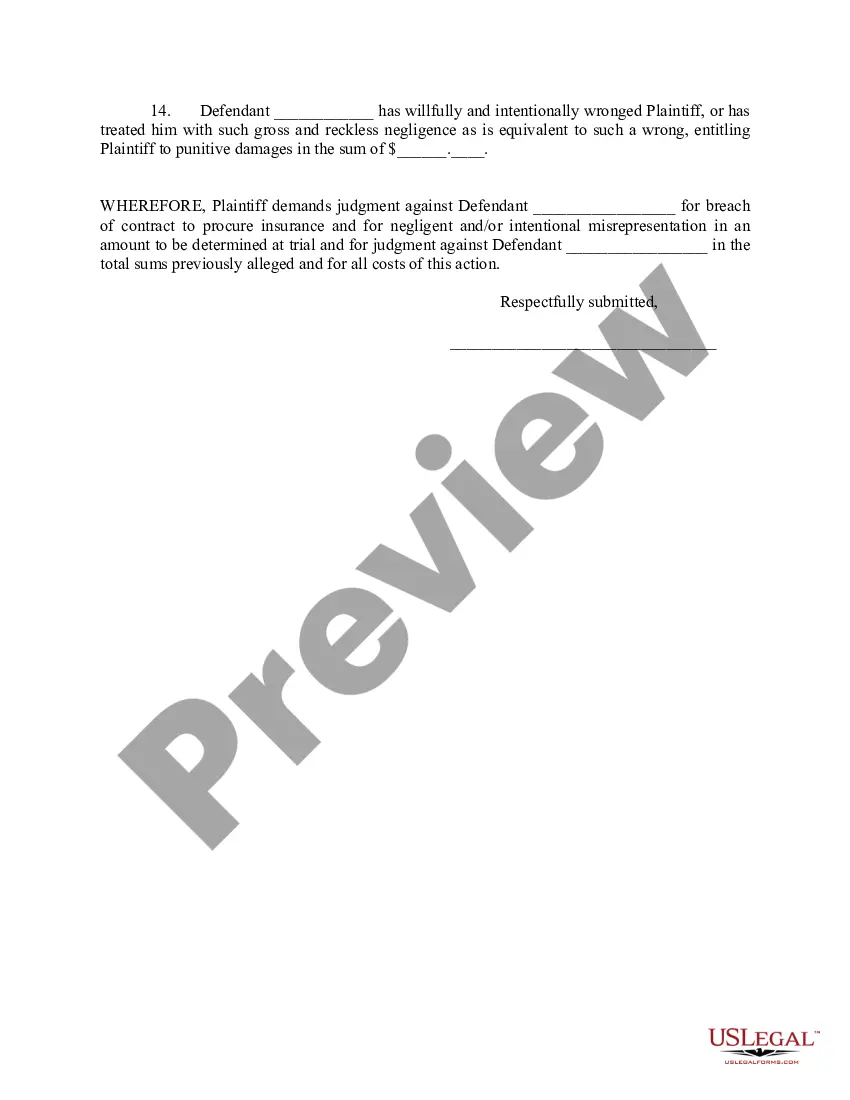

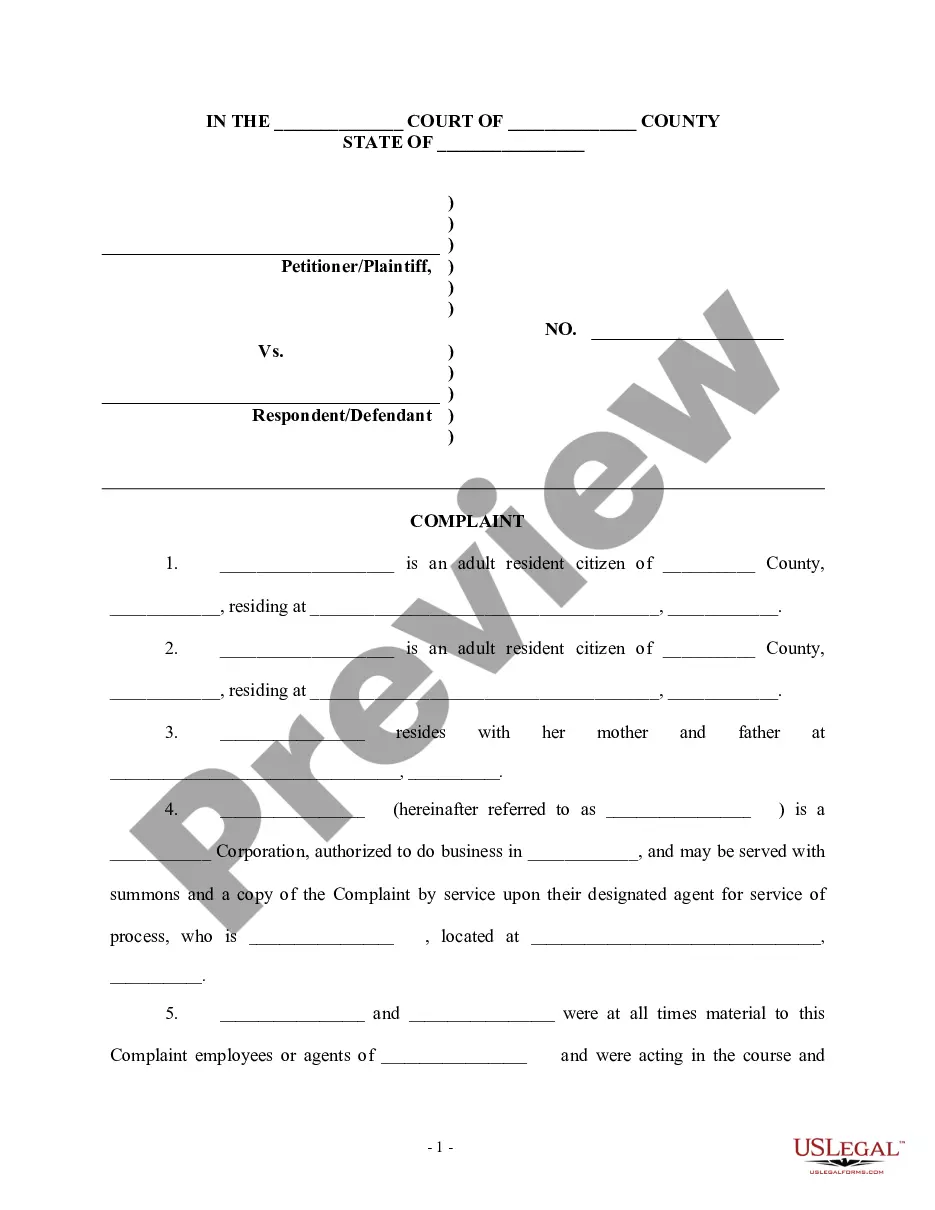
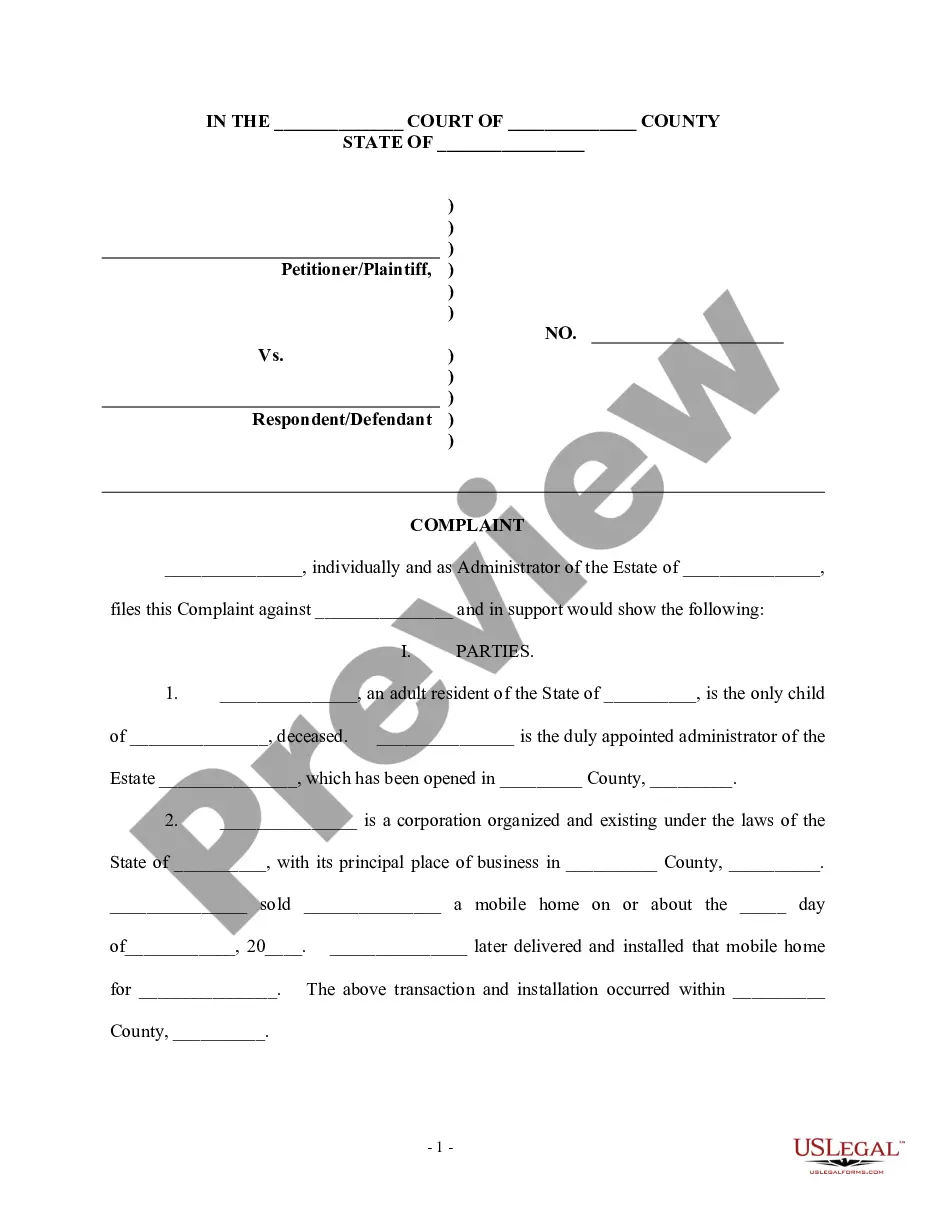
Get your form ready online
Our built-in tools help you complete, sign, share, and store your documents in one place.
Make edits, fill in missing information, and update formatting in US Legal Forms—just like you would in MS Word.
Download a copy, print it, send it by email, or mail it via USPS—whatever works best for your next step.
Sign and collect signatures with our SignNow integration. Send to multiple recipients, set reminders, and more. Go Premium to unlock E-Sign.
If this form requires notarization, complete it online through a secure video call—no need to meet a notary in person or wait for an appointment.
We protect your documents and personal data by following strict security and privacy standards.

Make edits, fill in missing information, and update formatting in US Legal Forms—just like you would in MS Word.

Download a copy, print it, send it by email, or mail it via USPS—whatever works best for your next step.

Sign and collect signatures with our SignNow integration. Send to multiple recipients, set reminders, and more. Go Premium to unlock E-Sign.

If this form requires notarization, complete it online through a secure video call—no need to meet a notary in person or wait for an appointment.

We protect your documents and personal data by following strict security and privacy standards.
Looking for another form?





Form popularity
FAQ
In order to sue under the DTPA, several elements must be met. The elements of a DTPA action include that the plaintiff must be a consumer, the defendant must have committed one of the proscribed acts under the DTPA, and the defendant's actions must have been the producing cause of the plaintiff's harm.
Exemptions to The Texas Deceptive Trade Practices Act (the “DTPA”) Attorneys (or other similar professionals), Real Estate brokers & Realtors are oftentimes exempt from DTPA claims. This exemption, however, will not apply in cases of fraud or misrepresentation.
Elements of a DTPA Claim Generally, to prevail on a DTPA claim, plaintiffs must establish three elements: The plaintiff is a consumer; The defendant engaged in false, misleading, or deceptive acts; and. The acts were a producing cause of the consumer's damages.
Before filing a DTPA lawsuit, a consumer must first give written notice to the alleged violator, advising the violator of the consumer's specific complaint and the amount of actual damages and expenses, including attorney fees, if any, reasonably incurred by the consumer in asserting the claim.
Examples of deceptive trade practices in this area include making false statements, omitting important details, and advertising unavailable goods or services. While many companies exaggerate the benefits of their products, it is unlawful to completely fabricate information.
Texas Deceptive Trade Practices Act Generally speaking, it prohibits people and businesses from using misleading or dishonest actions or statements in the course of doing business or making a sale.
The Statute of Limitations for DTPA Claims Specifically, any action under the act must be initiated within two years after the occurrence of the false, misleading, or deceptive act or practice, or after the consumer becomes aware or should have been aware of it.
The primary tool the Office of the Attorney General uses to protect Texas consumers is the Deceptive Trade Practices Act (DTPA). This law lists many practices that are false, deceptive, or misleading. When you fall victim to illegal practices covered by the DTPA, you may have the right to sue for damages under the act.
For example, in the construction industry, it is a trade practice to use certain specifications for the size, thickness, and quality of building materials. These specifications are commonly accepted and used by all businesses in the industry, ensuring consistency and quality in the final product.