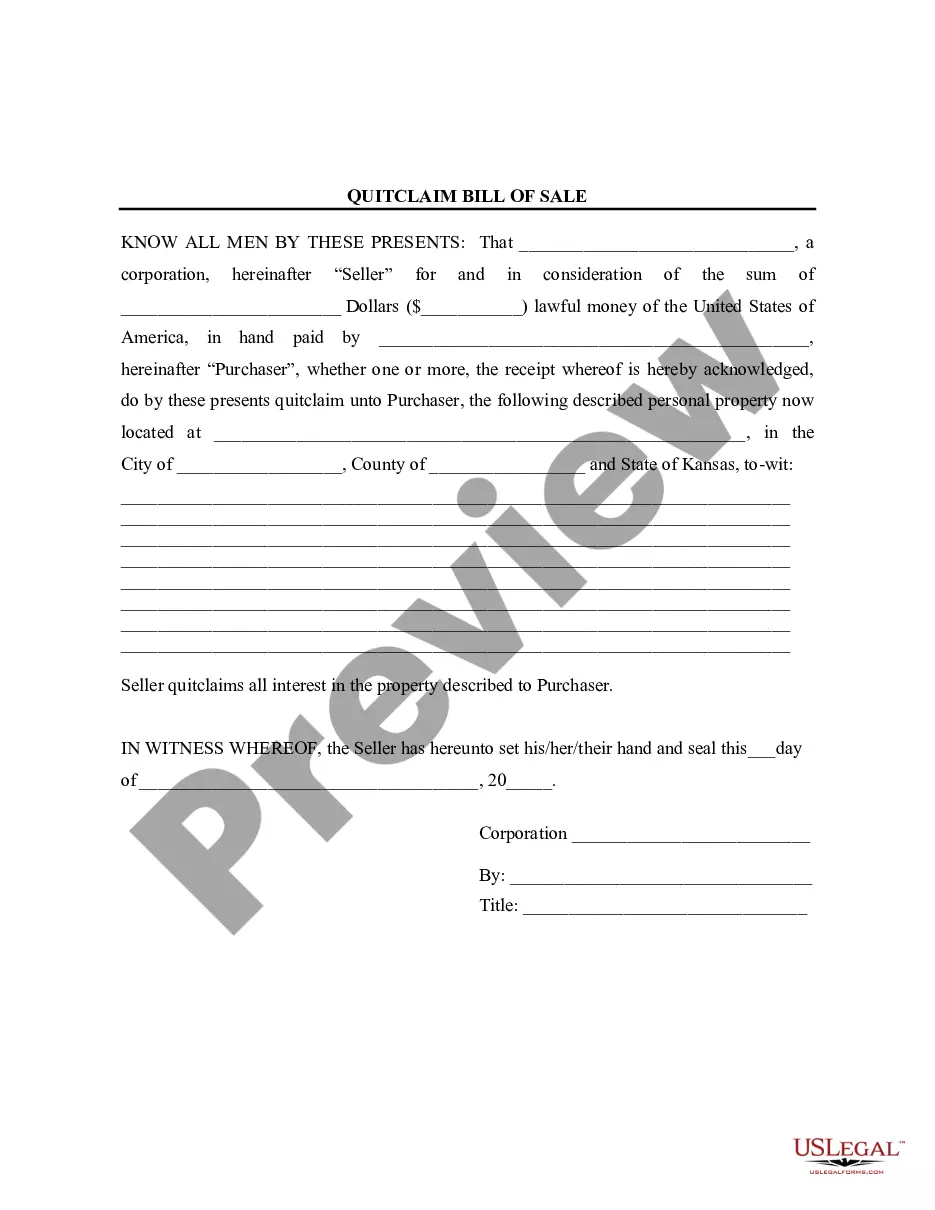
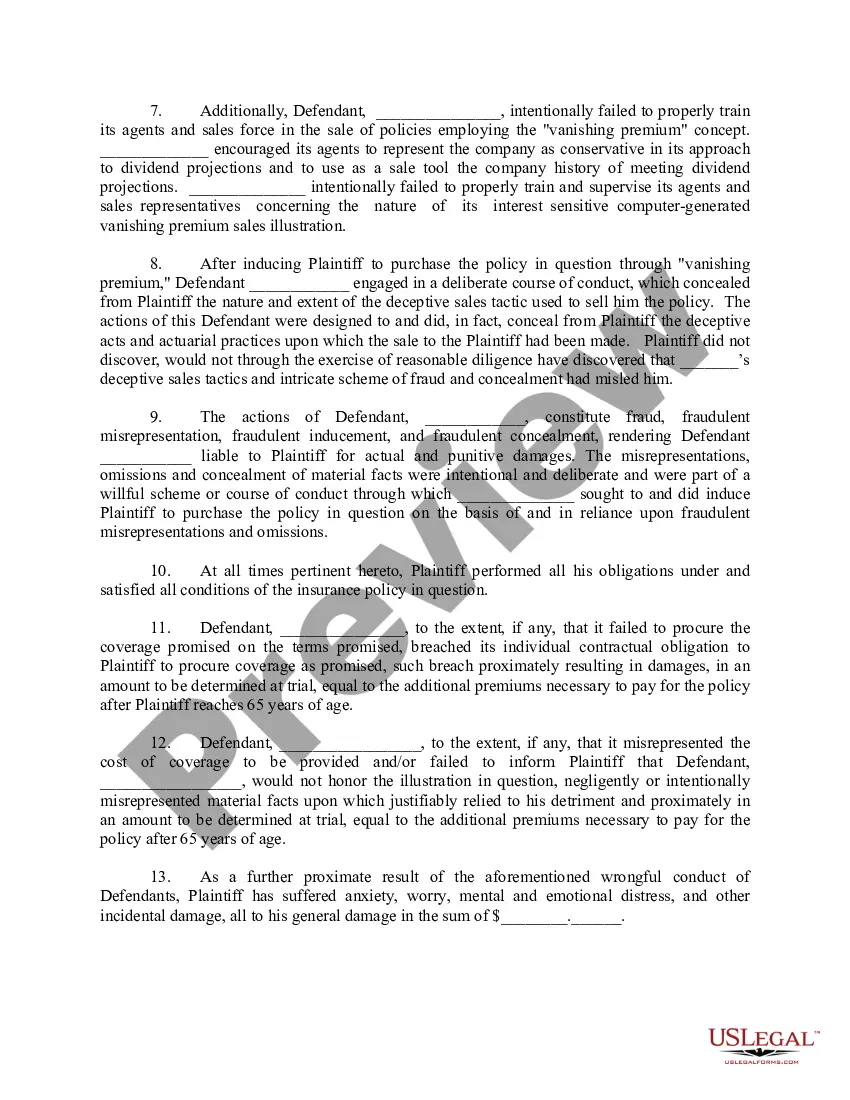
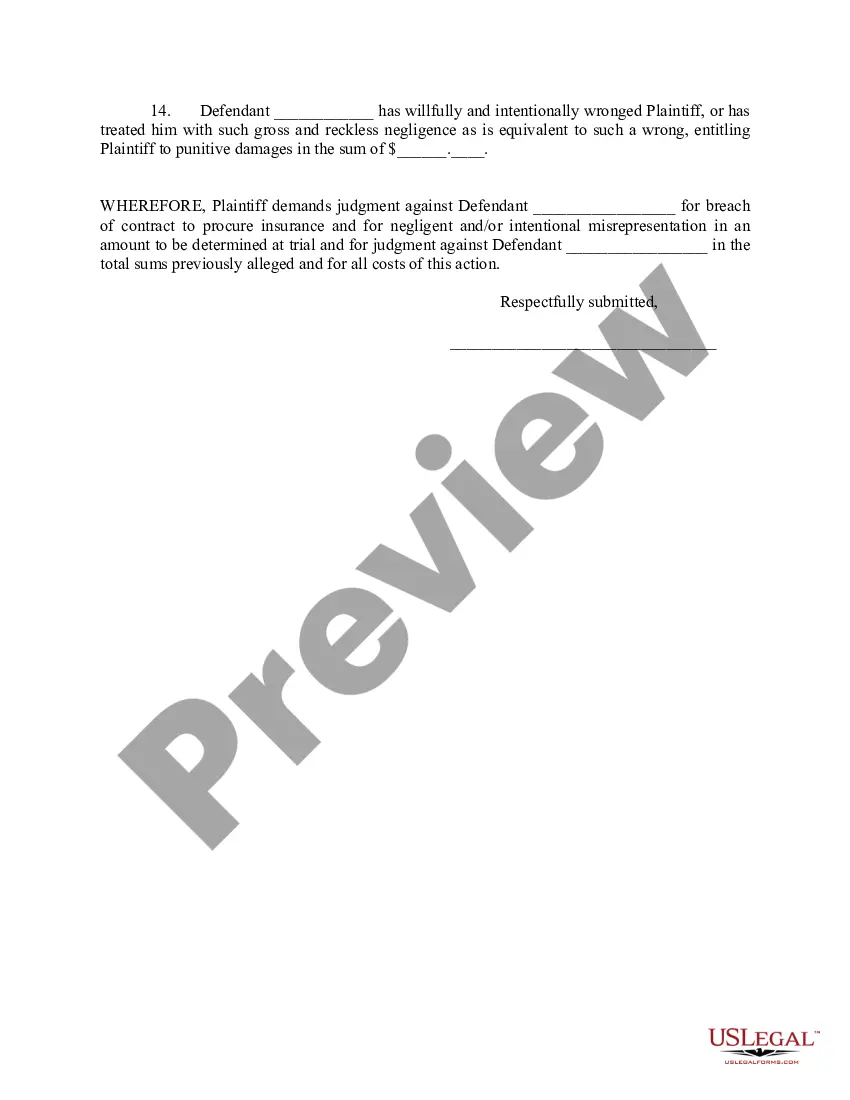
Deceptive Practices Of In King
Description



Get your form ready online
Our built-in tools help you complete, sign, share, and store your documents in one place.
Make edits, fill in missing information, and update formatting in US Legal Forms—just like you would in MS Word.
Download a copy, print it, send it by email, or mail it via USPS—whatever works best for your next step.
Sign and collect signatures with our SignNow integration. Send to multiple recipients, set reminders, and more. Go Premium to unlock E-Sign.
If this form requires notarization, complete it online through a secure video call—no need to meet a notary in person or wait for an appointment.
We protect your documents and personal data by following strict security and privacy standards.

Make edits, fill in missing information, and update formatting in US Legal Forms—just like you would in MS Word.

Download a copy, print it, send it by email, or mail it via USPS—whatever works best for your next step.

Sign and collect signatures with our SignNow integration. Send to multiple recipients, set reminders, and more. Go Premium to unlock E-Sign.

If this form requires notarization, complete it online through a secure video call—no need to meet a notary in person or wait for an appointment.

We protect your documents and personal data by following strict security and privacy standards.
Looking for another form?







Form popularity
FAQ
An act or practice may be found to be unfair where it “causes or is likely to cause substantial injury to consumers which is not reasonably avoidable by consumers themselves and not outweighed by countervailing benefits to consum- ers or to competition.”7 A representation, omission, or practice is deceptive if it is ...
Unfair trade practices are practices that grossly deviate from good commercial conduct and are contrary to good faith and fair dealing. 1 Unfair trading practices are typically imposed in a situation of imbalance by a stronger party on a weaker one, and can exist from any side of the B2B relationship.
The Uniform Deceptive Trade Practices Act The Act lists eleven deceptive trade practices, such as bait advertising, and misrepresentations of trade names, the geographical origin of goods, and the standard or quality of goods.
As its name indicates, the North Carolina Unfair and Deceptive Trade Practices Act (or “UDTPA,” for short) prohibits businesses from engaging in unfair or deceptive acts or practices. Violating the UDTPA subjects a defendant to potential treble (triple) damages, costs, and attorney's fees.
9 See FTC Act Policy Statement on Deceptive Acts and Practices. There must be a representation, omission, or practice that misleads or is likely to mislead the consumer. An act or practice may be found to be deceptive if there is a representation, omission, or practice that misleads or is likely to mislead a consumer.
A traditional claim for damages under FDUTPA has three elements: (1) a deceptive act or unfair practice; (2) causation; and (3) actual damages.
Deceptive acts and practices unlawful. (a) Deceptive acts or practices in the conduct of any business, trade or commerce or in the furnishing of any service in this state are hereby declared unlawful.