Deceptive Trade Forex In Houston
Description


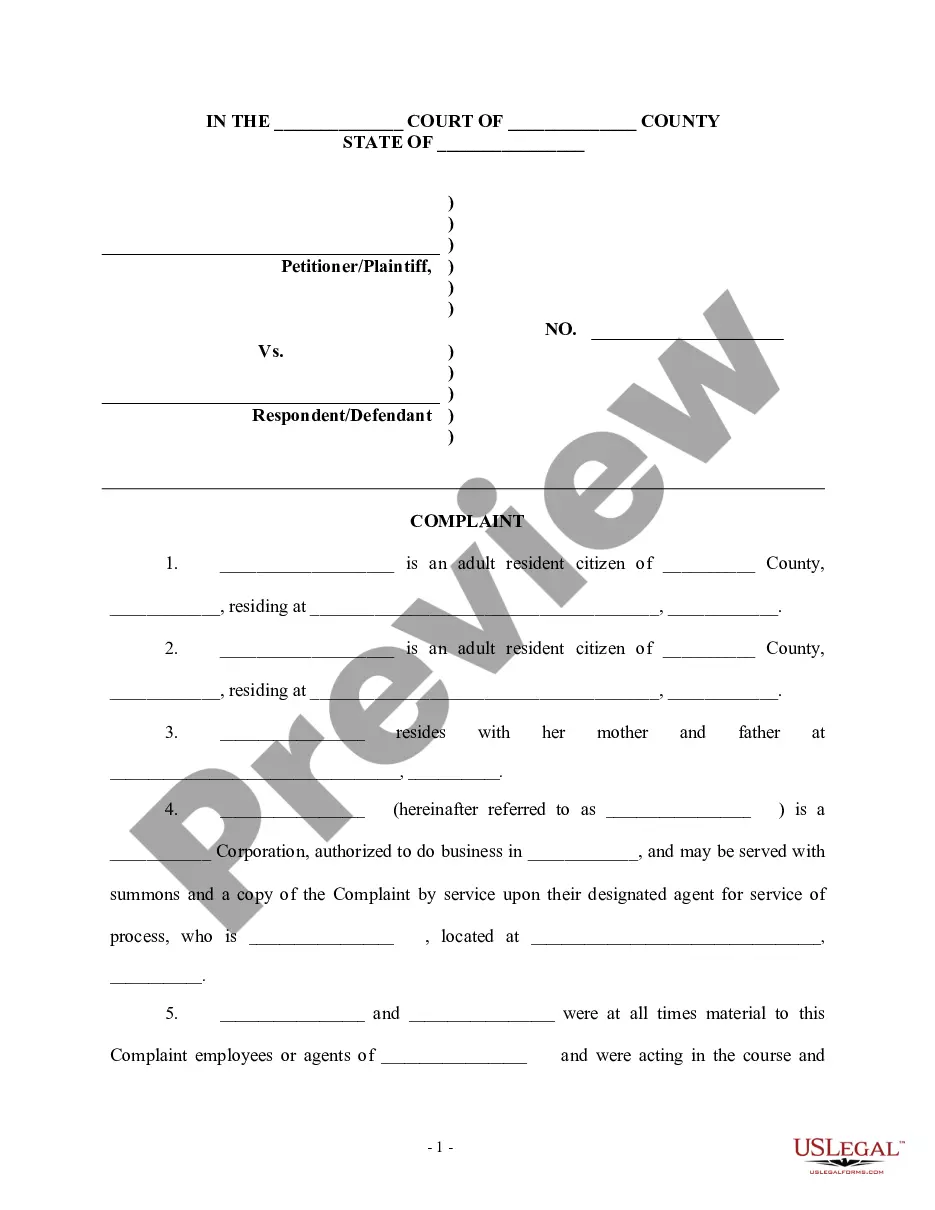

Get your form ready online
Our built-in tools help you complete, sign, share, and store your documents in one place.
Make edits, fill in missing information, and update formatting in US Legal Forms—just like you would in MS Word.
Download a copy, print it, send it by email, or mail it via USPS—whatever works best for your next step.
Sign and collect signatures with our SignNow integration. Send to multiple recipients, set reminders, and more. Go Premium to unlock E-Sign.
If this form requires notarization, complete it online through a secure video call—no need to meet a notary in person or wait for an appointment.
We protect your documents and personal data by following strict security and privacy standards.

Make edits, fill in missing information, and update formatting in US Legal Forms—just like you would in MS Word.

Download a copy, print it, send it by email, or mail it via USPS—whatever works best for your next step.

Sign and collect signatures with our SignNow integration. Send to multiple recipients, set reminders, and more. Go Premium to unlock E-Sign.

If this form requires notarization, complete it online through a secure video call—no need to meet a notary in person or wait for an appointment.

We protect your documents and personal data by following strict security and privacy standards.
Looking for another form?
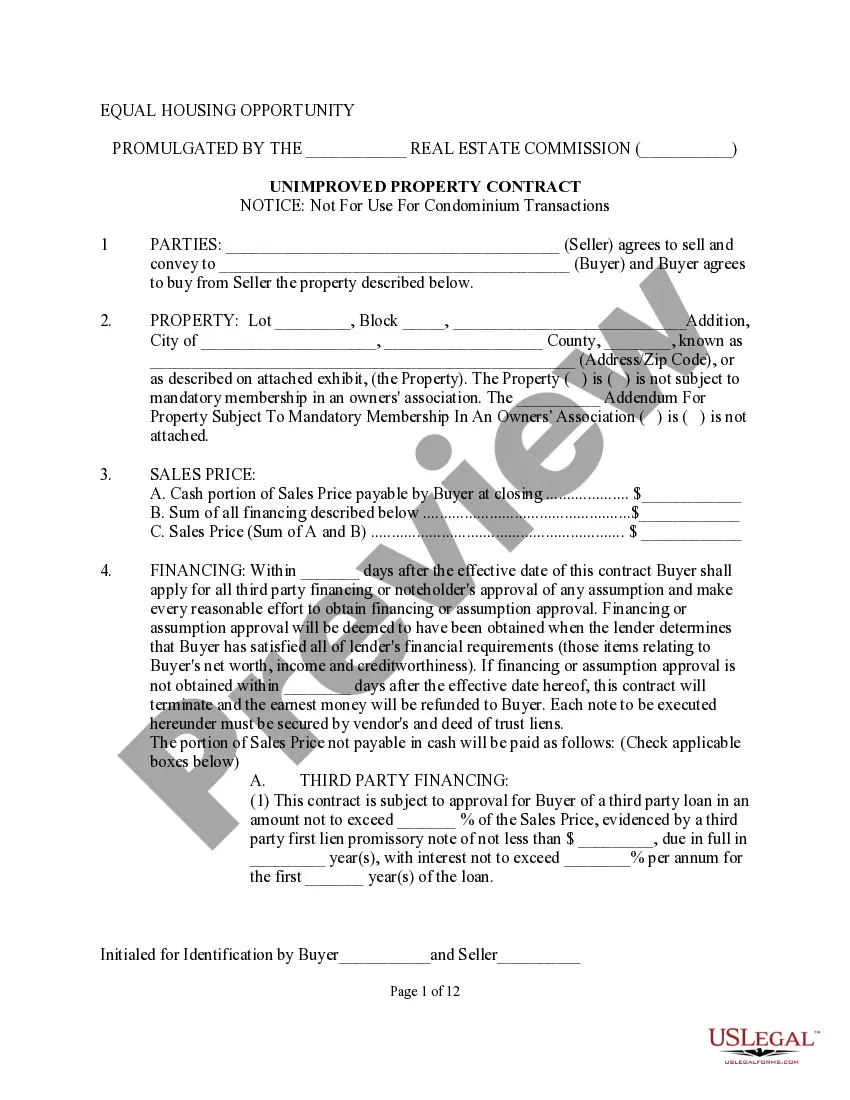







Form popularity
FAQ
Biggest trading mistakes Over-reliance on software. Failing to cut losses. Overexposure. Overdiversifying a portfolio. Not understanding leverage. Not using an appropriate risk-reward ratio. Overconfidence after a profit. Letting emotions impair decision making.
Here's a list of such common mistakes that you can avoid. Lack of a Plan. The most important thing before commencing trading is to have a proper trading plan. Less Research. Trading with emotions. Keeping all eggs in one basket. Not placing stop losses. High leverage. Blindly following the crowd.
The Deceptive Trade Practices Act (DTPA) is the leading consumer protection legislation in Texas. This e-book provides comprehensive, in-depth, and practical information as well as forms and checklists for those involved in a DTPA lawsuit.
The Texas Data Privacy and Security Act (TDPSA) establishes new laws for collecting, storing, processing, and selling consumer information linked to a specific individual. TDPSA was passed as House Bill 4 during the regular session of the 88th Texas Legislature.
To seek relief under the Texas DTPA, you must qualify as a consumer. A consumer may be an individual, partnership, corporation, LLC or even a state agency.
The complainant (person making the complaint) must, in good faith, make full, fair, and honest disclosure of all facts and circumstances known to him/her at the time the complaint is made. The facts, as presented, must be in the form of an affidavit and signed under oath.
In order to sue under the DTPA, several elements must be met. The elements of a DTPA action include that the plaintiff must be a consumer, the defendant must have committed one of the proscribed acts under the DTPA, and the defendant's actions must have been the producing cause of the plaintiff's harm.
The primary tool the Office of the Attorney General uses to protect Texas consumers is the Deceptive Trade Practices Act (DTPA). This law lists many practices that are false, deceptive, or misleading. When you fall victim to illegal practices covered by the DTPA, you may have the right to sue for damages under the act.
The DTPA provides that "false, misleading, or deceptive acts or practices in the conduct of any trade or commerce are hereby declared unlawful." The DTPA prohibits certain acts or practices "in the conduct of any trade or commerce." This is a very broad provision.
The Texas Deceptive Trade Practices-Consumer Protection Act ("DTPA") was enacted on . The full text can be found starting at section 17.41 of the Texas Business and Commerce Code.