Deceptive Practices In Advertising In Harris
Description




Get your form ready online
Our built-in tools help you complete, sign, share, and store your documents in one place.
Make edits, fill in missing information, and update formatting in US Legal Forms—just like you would in MS Word.
Download a copy, print it, send it by email, or mail it via USPS—whatever works best for your next step.
Sign and collect signatures with our SignNow integration. Send to multiple recipients, set reminders, and more. Go Premium to unlock E-Sign.
If this form requires notarization, complete it online through a secure video call—no need to meet a notary in person or wait for an appointment.
We protect your documents and personal data by following strict security and privacy standards.

Make edits, fill in missing information, and update formatting in US Legal Forms—just like you would in MS Word.

Download a copy, print it, send it by email, or mail it via USPS—whatever works best for your next step.

Sign and collect signatures with our SignNow integration. Send to multiple recipients, set reminders, and more. Go Premium to unlock E-Sign.

If this form requires notarization, complete it online through a secure video call—no need to meet a notary in person or wait for an appointment.

We protect your documents and personal data by following strict security and privacy standards.
Looking for another form?

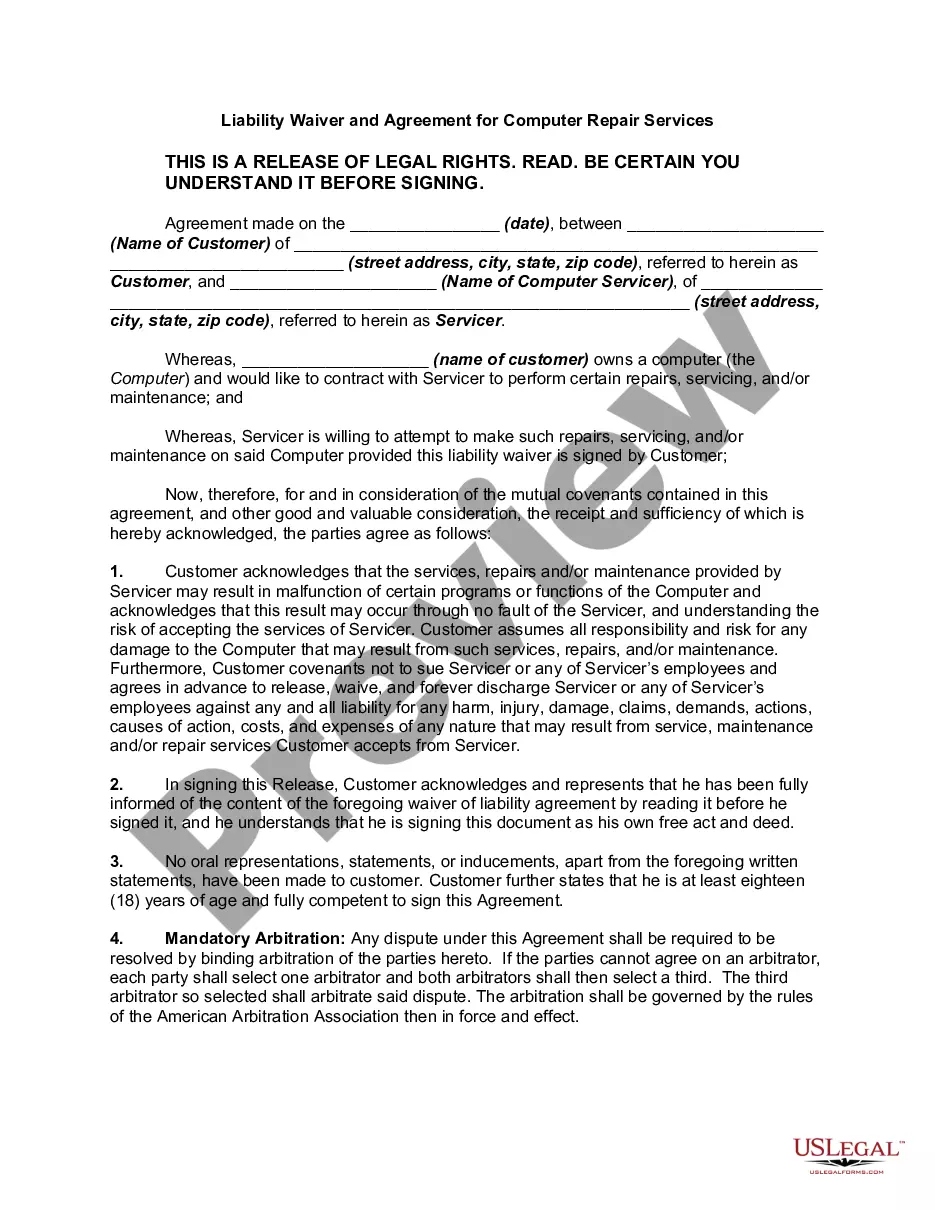
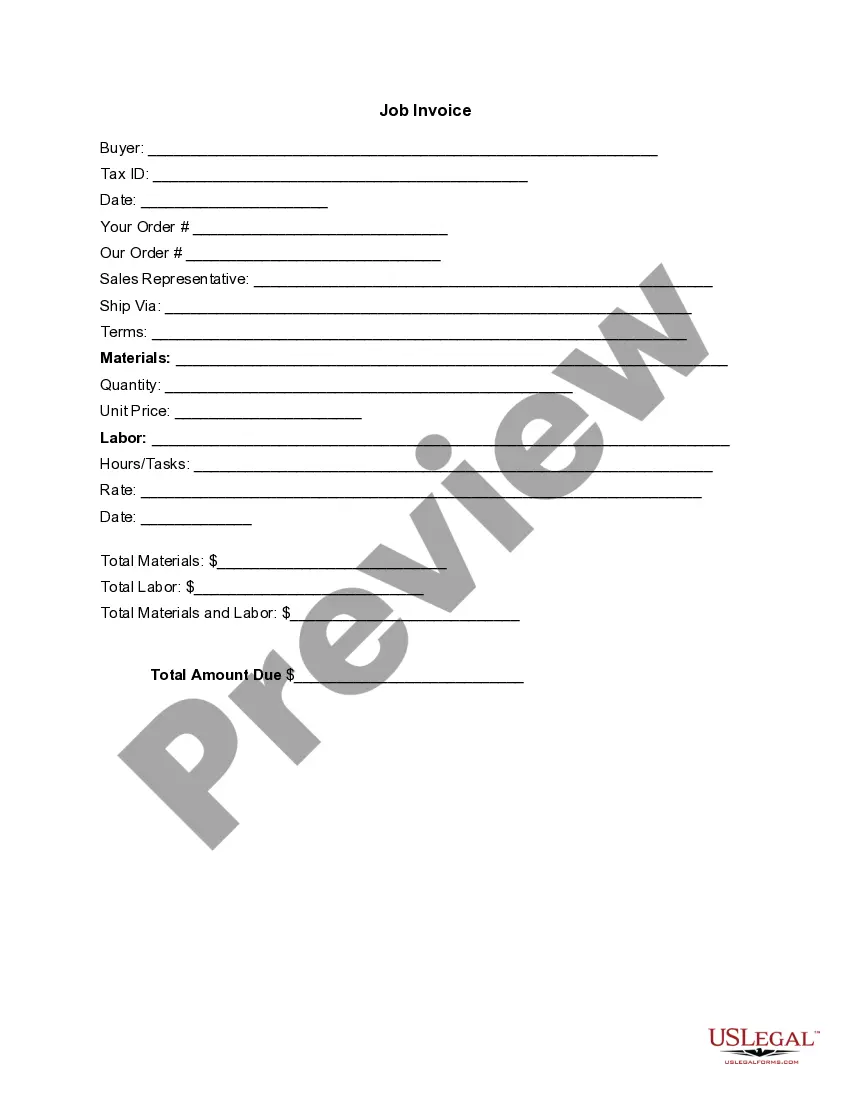





Form popularity
FAQ
The FTC enforces these truth-in-advertising laws, and it applies the same standards no matter where an ad appears – in newspapers and magazines, online, in the mail, or on billboards or buses.
To establish that an advertisement is false, a plaintiff must prove five things: (1) a false statement of fact has been made about the advertiser's own or another person's goods, services, or commercial activity; (2) the statement either deceives or has the potential to deceive a substantial portion of its targeted ...
In order to prevail in a false advertising lawsuit in California, the plaintiff would need to prove: The defendant lied about a material fact; The plaintiff purchased the product or services based on this lie; and. The plaintiff suffered financial harm as a result.
Competition and Consumer Protection Commission (CCPC) If you feel that an ad is misleading or false, you can report it to the CCPC. The CCPC is responsible for enforcing the rules around business advertising in Ireland and can take action, where appropriate.
The Federal Trade Commission (FTC) works to prevent fraudulent, deceptive, and unfair business practices. They also provide information to help consumers spot, stop, and avoid scams and fraud.
A Consumer Protection Attorney Can Manage a Class Actions for False Advertising. Class actions are an effective option for people who have been harmed by false advertising and do not want to go it alone. They allow a number of people to sue false advertisers collectively, in a single lawsuit.
Once Lanham Act standing is established, the plaintiff must prove five elements: (1) the advertisements of the opposing party were false or misleading; (2) the advertisements deceived, or had the capacity to deceive, consumers; (3) the deception had a material effect on purchasing decisions; (4) the misrepresented ...
False advertising The defendant made false or misleading statements as to their own products (or another's); Actual deception occurred, or at least a tendency to deceive a substantial portion of the intended audience; The deception is material in that it is likely to influence purchasing decisions;
In order to prevail in a false advertising lawsuit in California, the plaintiff would need to prove: The defendant lied about a material fact; The plaintiff purchased the product or services based on this lie; and. The plaintiff suffered financial harm as a result.
The elements for a false advertising claim under Section 43(a) are: (1) a false statement of fact by the defendant in a commercial advertisement about its own or another s product; (2) the statement actually deceived or has the tendency to deceive a substantial segment of its audience; (3) the deception is material, in ...