Fraud With Business In Franklin
Description


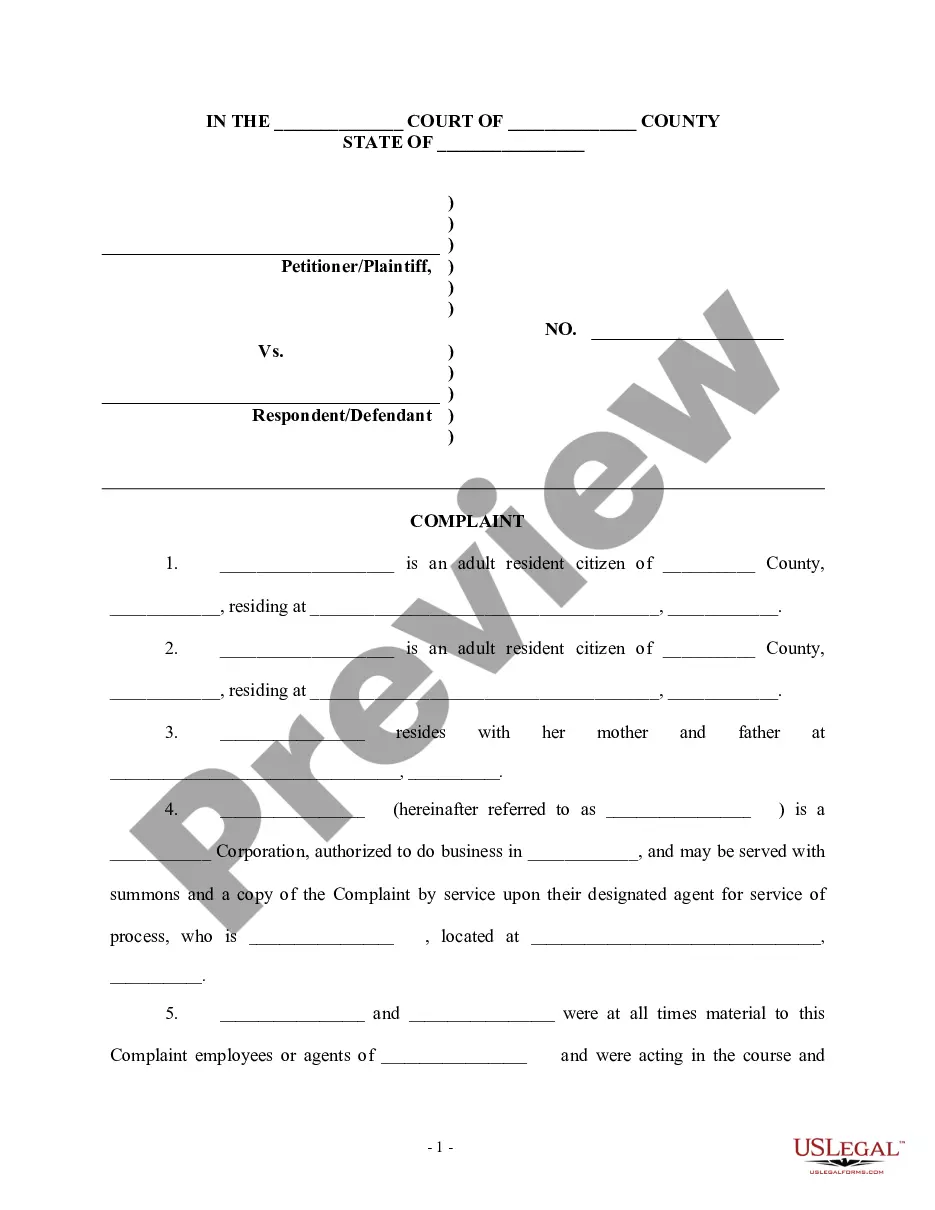

Get your form ready online
Our built-in tools help you complete, sign, share, and store your documents in one place.
Make edits, fill in missing information, and update formatting in US Legal Forms—just like you would in MS Word.
Download a copy, print it, send it by email, or mail it via USPS—whatever works best for your next step.
Sign and collect signatures with our SignNow integration. Send to multiple recipients, set reminders, and more. Go Premium to unlock E-Sign.
If this form requires notarization, complete it online through a secure video call—no need to meet a notary in person or wait for an appointment.
We protect your documents and personal data by following strict security and privacy standards.

Make edits, fill in missing information, and update formatting in US Legal Forms—just like you would in MS Word.

Download a copy, print it, send it by email, or mail it via USPS—whatever works best for your next step.

Sign and collect signatures with our SignNow integration. Send to multiple recipients, set reminders, and more. Go Premium to unlock E-Sign.

If this form requires notarization, complete it online through a secure video call—no need to meet a notary in person or wait for an appointment.

We protect your documents and personal data by following strict security and privacy standards.
Looking for another form?






Form popularity
FAQ
The Attorney General's Corporate Fraud Section investigates and prosecutes cases involving California's Energy Crisis, securities and commodities fraud, the underground economy, and fraud and other financial wrongdoing perpetrated against the state.
Filing a Complaint Department of Consumer Affairs. File a complaint online at .dca.ca or call 800.952. 5210 to have a complaint form mailed to you. California Attorney General's Office.
If you encounter any suspicious communications or believe you have been targeted by a scam, please report the incident promptly to the Federal Trade Commission (FTC) via their official reporting platform: .
When you report a scam to the FTC, investigators use your information to build cases against scammers. Other law enforcement agencies can see the reports, too, and use them to further their own investigations. Your story makes a difference.
Business fraud is simply the intent or the act of misrepresentation – scammers lying about themselves or their actions and services – to cause a gain or loss.
If you believe your business has been the victim of fraud or cyber crime, you should report this to Action Fraud. The Action Fraud website provides guidance on different types of fraud including an A-Z of fraud to help you understand which type of fraud you might have been affected by.
File a complaint with government or consumer programs File a complaint with your local consumer protection office. Notify the Better Business Bureau (BBB) in your area about your problem. The BBB tries to resolve complaints against companies. Report scams and suspicious communications to the Federal Trade Commission.
Yes. If you prefer, you can file a report anonymously. How much information you give is up to you, but filling in your contact information can help if the FTC needs more information from you. We will not automatically share your information with the company, but there are times when we may share it.
Remember, the reward is between 15 and 25 percent of what the government actually collects. Because there are risks for reporting fraud against the government, you should talk to an attorney experienced with reward cases before you blow the whistle and report fraud.