Unfair Trade Practices For False Advertising In Florida
Description

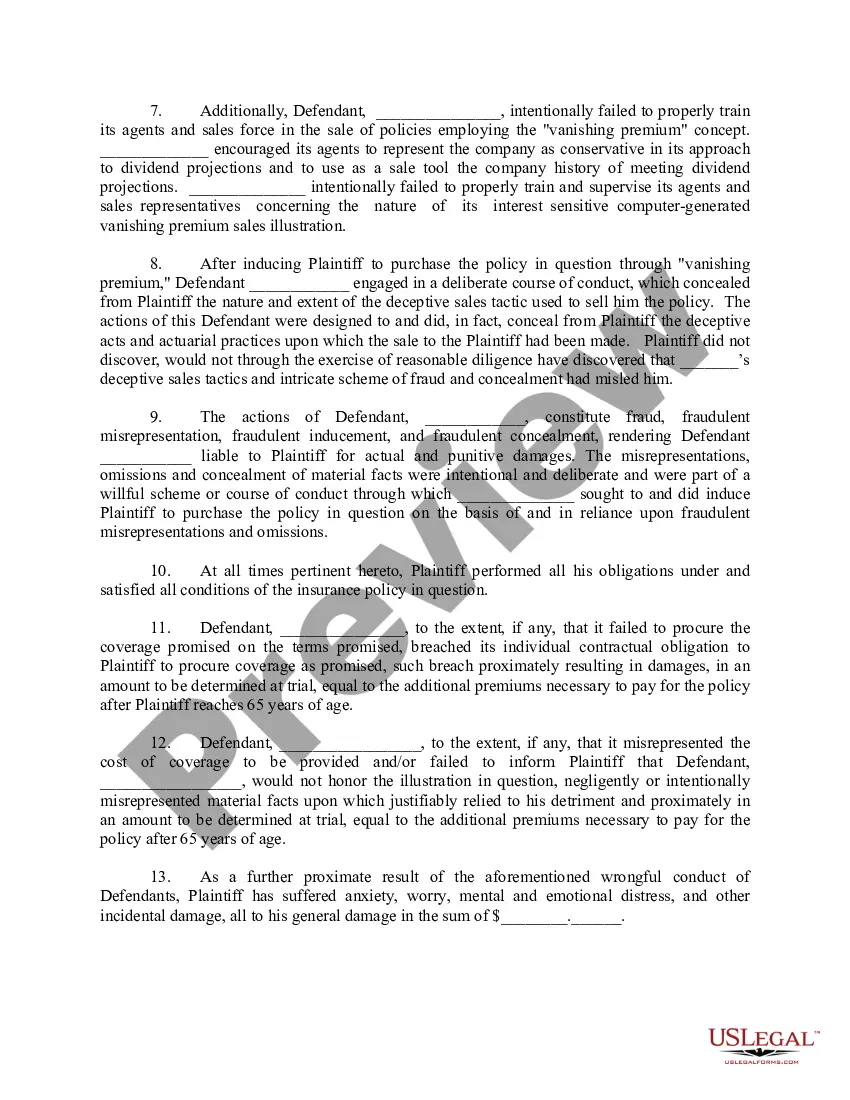
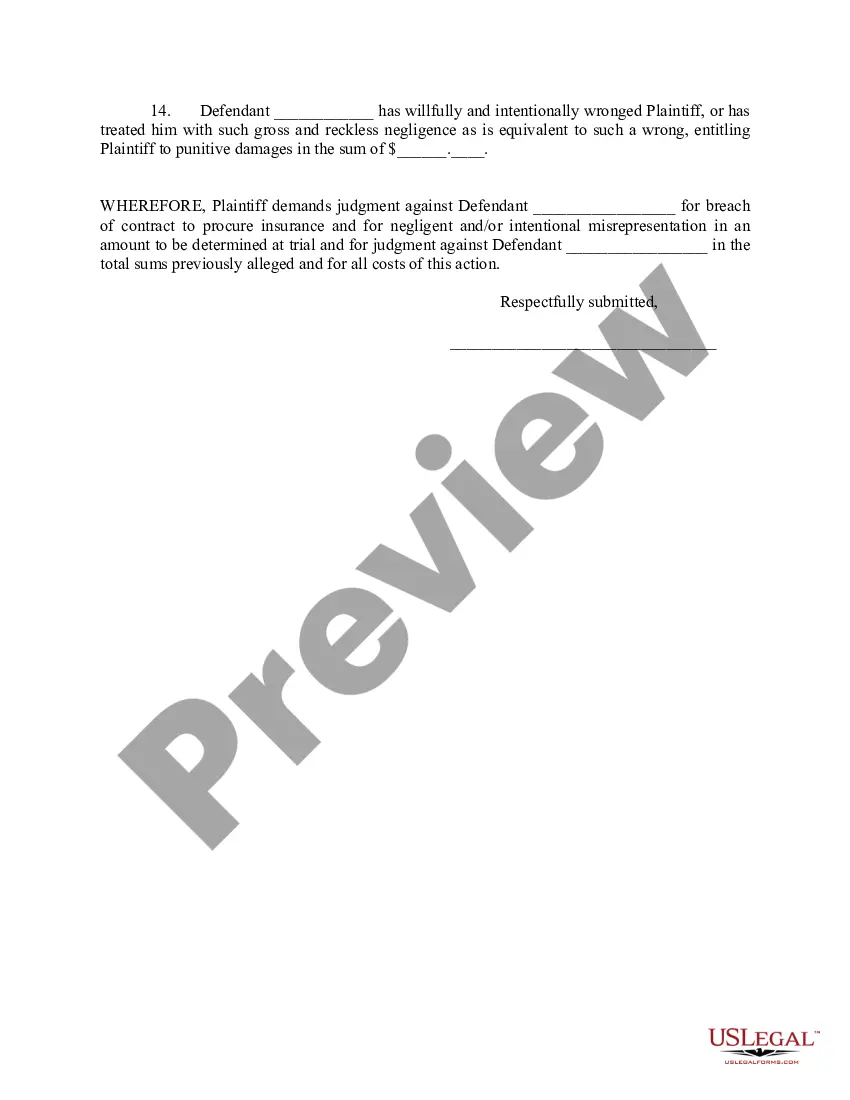

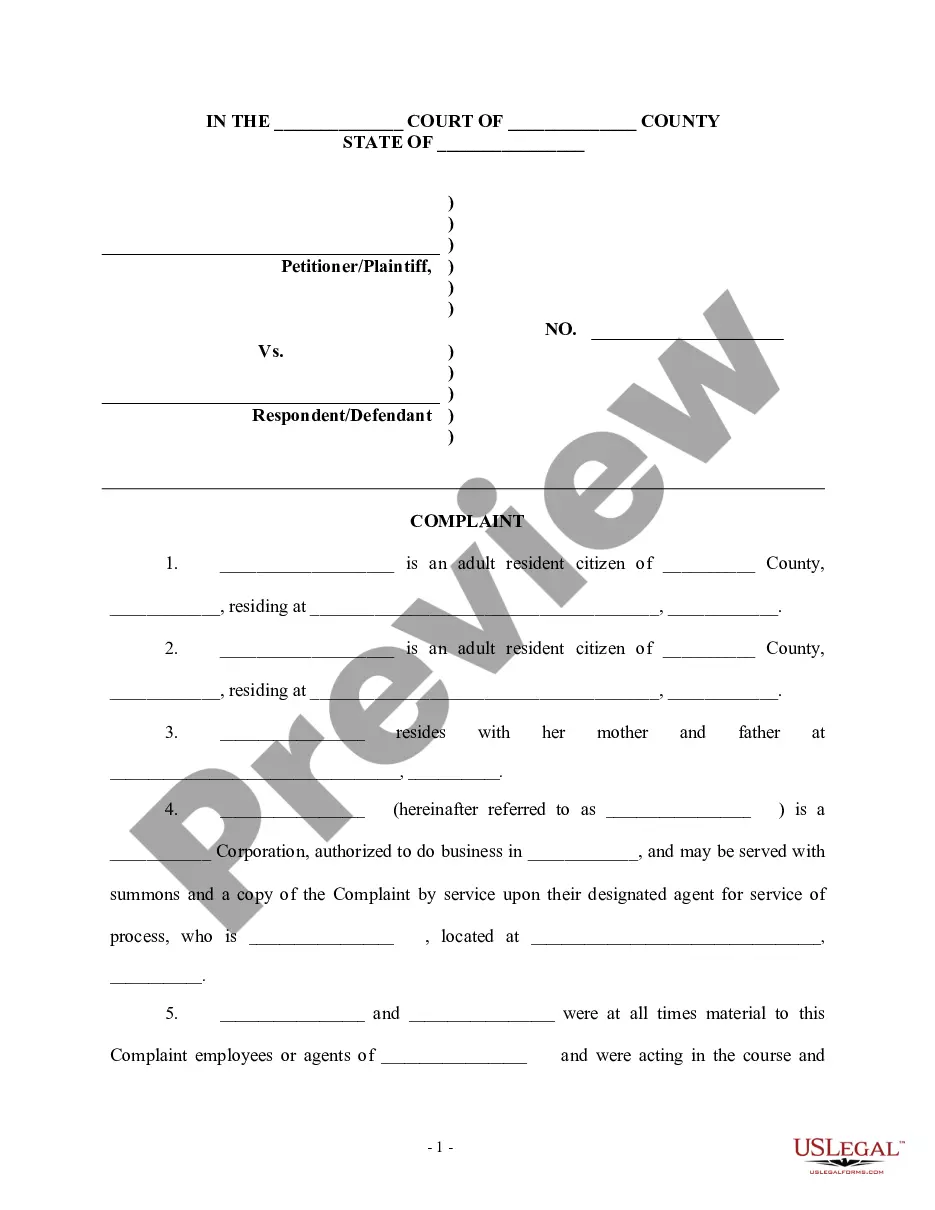
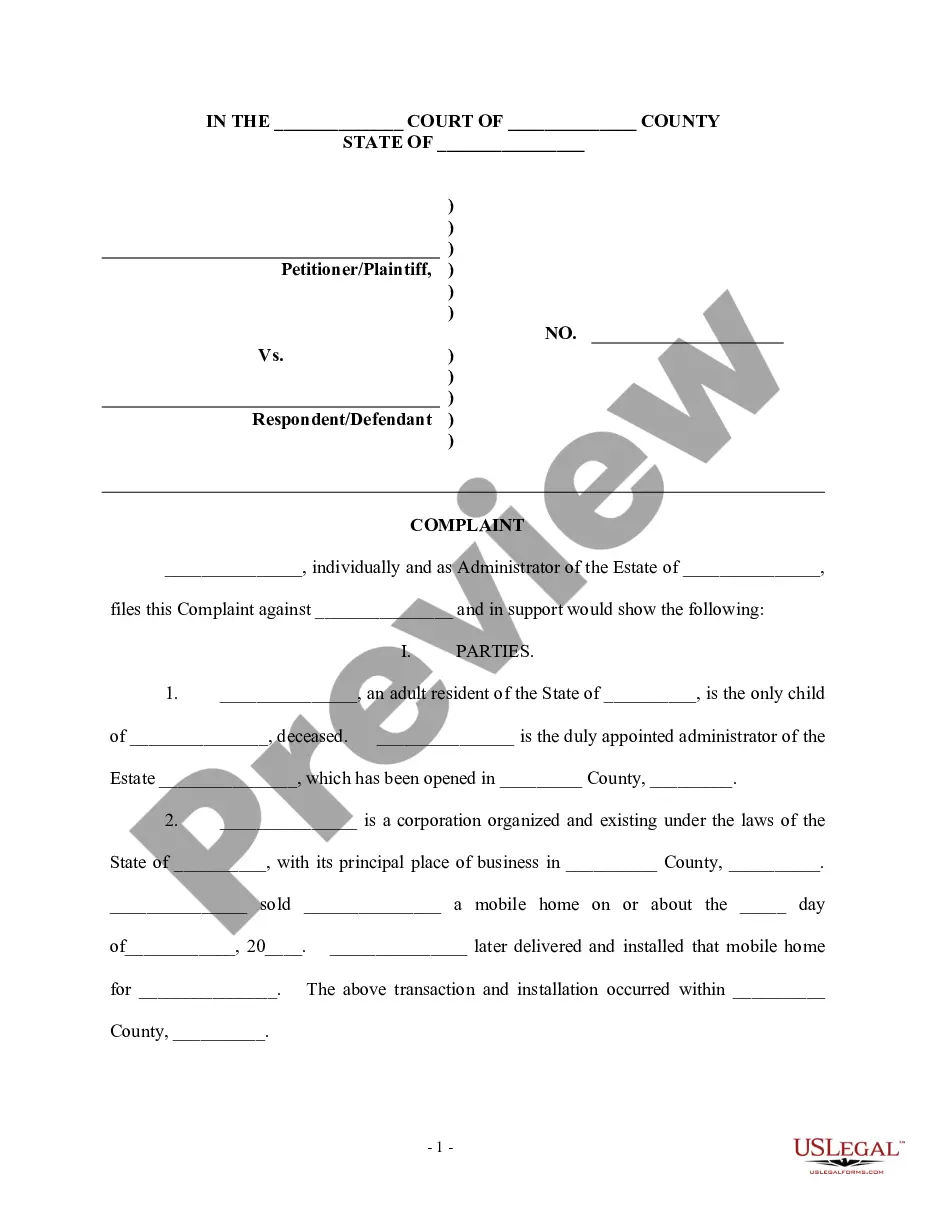
Get your form ready online
Our built-in tools help you complete, sign, share, and store your documents in one place.
Make edits, fill in missing information, and update formatting in US Legal Forms—just like you would in MS Word.
Download a copy, print it, send it by email, or mail it via USPS—whatever works best for your next step.
Sign and collect signatures with our SignNow integration. Send to multiple recipients, set reminders, and more. Go Premium to unlock E-Sign.
If this form requires notarization, complete it online through a secure video call—no need to meet a notary in person or wait for an appointment.
We protect your documents and personal data by following strict security and privacy standards.

Make edits, fill in missing information, and update formatting in US Legal Forms—just like you would in MS Word.

Download a copy, print it, send it by email, or mail it via USPS—whatever works best for your next step.

Sign and collect signatures with our SignNow integration. Send to multiple recipients, set reminders, and more. Go Premium to unlock E-Sign.

If this form requires notarization, complete it online through a secure video call—no need to meet a notary in person or wait for an appointment.

We protect your documents and personal data by following strict security and privacy standards.
Looking for another form?






Form popularity
FAQ
Expert-Verified. In Florida law, operating an HMO on a closed-panel basis is not considered an unfair trade practice. Options such as twisting, failure to maintain claim handling procedures, and unfair claim settlement practices are all recognized as unfair trade practices. Therefore, the correct answer is A.
What is FDUPTA? In Florida, unfair and deceptive trade practices are those practices that are considered unethical, unscrupulous, and dishonest. Further, these practices seek to deceive or take advantage of consumers.
Common examples of deceptive or unfair trade practices under the FDUTPA include: False advertisements, including false claims about a product or service. Hidden fees or burying unfavorable deal terms in fine print. Misrepresenting the nature or quality of products or services.
Document the deceptive advertising and your interactions with the company, including any purchases you made based on the false claims. File complaints with the FTC and your state consumer protection agency. These agencies can investigate the company and take enforcement action if necessary.
Florida's Deceptive and Unfair Trade Practices Act prohibits false, misleading, or deceptive advertising of products and services. You may also have claims under breach of express warranty or implied warranties of fitness and merchantability laws if the product did not match reasonable expectations.
Common examples of deceptive or unfair trade practices under the FDUTPA include: False advertisements, including false claims about a product or service. Hidden fees or burying unfavorable deal terms in fine print. Misrepresenting the nature or quality of products or services.
The federal Lanham Act allows civil lawsuits for false advertising that “misrepresents the nature, characteristics, qualities, or geographic origin” of goods or services. 15 U.S.C. § 1125(a). The FTC also enforces false advertising laws on behalf of consumers.
Crimes § 817.41. Misleading advertising prohibited. (1) It shall be unlawful for any person to make or disseminate or cause to be made or disseminated before the general public of the state, or any portion thereof, any misleading advertisement.
Consult a Consumer Attorney They can evaluate if you have valid legal claims and immediately begin investigating the false advertising issues. Make sure to hand over all of the correspondence you had so far with the company so they can go from there.