Trade Practices Examples In Florida
Description


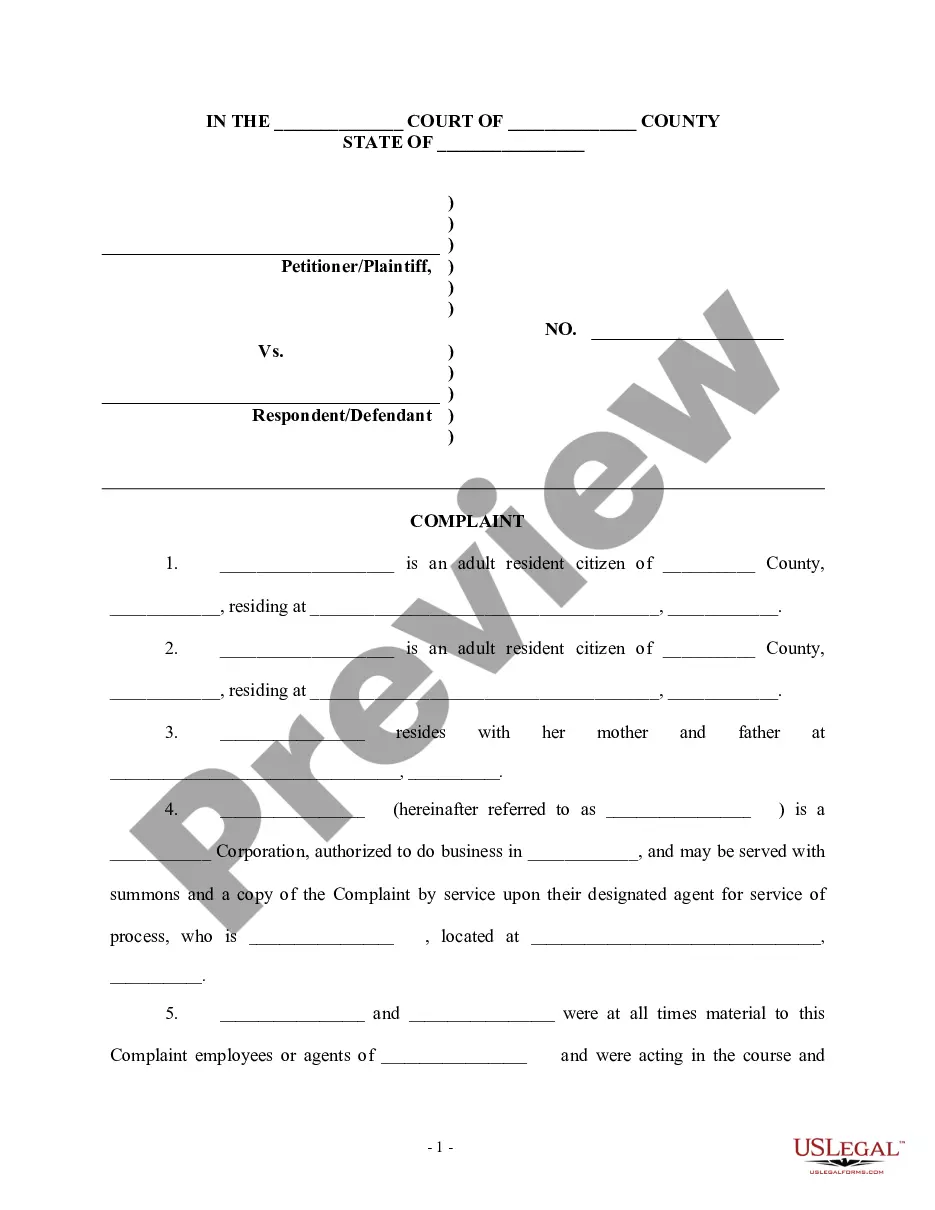

Get your form ready online
Our built-in tools help you complete, sign, share, and store your documents in one place.
Make edits, fill in missing information, and update formatting in US Legal Forms—just like you would in MS Word.
Download a copy, print it, send it by email, or mail it via USPS—whatever works best for your next step.
Sign and collect signatures with our SignNow integration. Send to multiple recipients, set reminders, and more. Go Premium to unlock E-Sign.
If this form requires notarization, complete it online through a secure video call—no need to meet a notary in person or wait for an appointment.
We protect your documents and personal data by following strict security and privacy standards.

Make edits, fill in missing information, and update formatting in US Legal Forms—just like you would in MS Word.

Download a copy, print it, send it by email, or mail it via USPS—whatever works best for your next step.

Sign and collect signatures with our SignNow integration. Send to multiple recipients, set reminders, and more. Go Premium to unlock E-Sign.

If this form requires notarization, complete it online through a secure video call—no need to meet a notary in person or wait for an appointment.

We protect your documents and personal data by following strict security and privacy standards.
Looking for another form?





Form popularity
FAQ
What are the types of trade? What are the examples of trade? Domestic trade. Wholesale trade. Retail trade. Foreign trade. Import trade. Export trade.
Trade practice: A way of doing business that is commonly used in a particular industry. This can include using specific standards for things like size, shape, thickness, or quality.
Types of Unfair Trade Practices ① Refusal to Deal. ② Discriminatory Treatment. ③ Exclusion of a Competitor. ④ Unfair Solicitation of Customers. ⑤ Coercion of Transaction. ⑥ Abuse of Superior Bargaining Position. ⑦ Imposing Binding Conditional Trade. ⑧ Obstruction of Business Activities.
In Florida, among the options provided, coercion is considered an Unfair Trade Practice. Coercion, in the context of business and trade, involves pressuring or forcing someone to behave in an involuntary manner by using threats, intimidation, or some other form of pressure or force.
In Florida, unfair and deceptive trade practices are those practices that are considered unethical, unscrupulous, and dishonest. Further, these practices seek to deceive or take advantage of consumers.
Noun. : a method of competition, operating policy (as the use of standards of size, shape, and quality of materials), or business procedure common to members of a line of business or industry that may be formally adopted sometimes as a rule under government auspices.
In Florida, which of the following is considered an Unfair Trade Practice? Coercion is considered an unfair trade practice under Florida law. Failing to effectuate prompt, fair, and equitable settlements of claims is considered to be an unfair claims practice.
Florida law defines the following acts as unfair claim settlement practices: 1. Attempting to settle claims on the basis of an application, when serving as a binder or intended to become a part of the policy, or any other material document which was altered without notice to, or knowledge or consent of, the insured. 2.