Trade Rules In Collin
Description


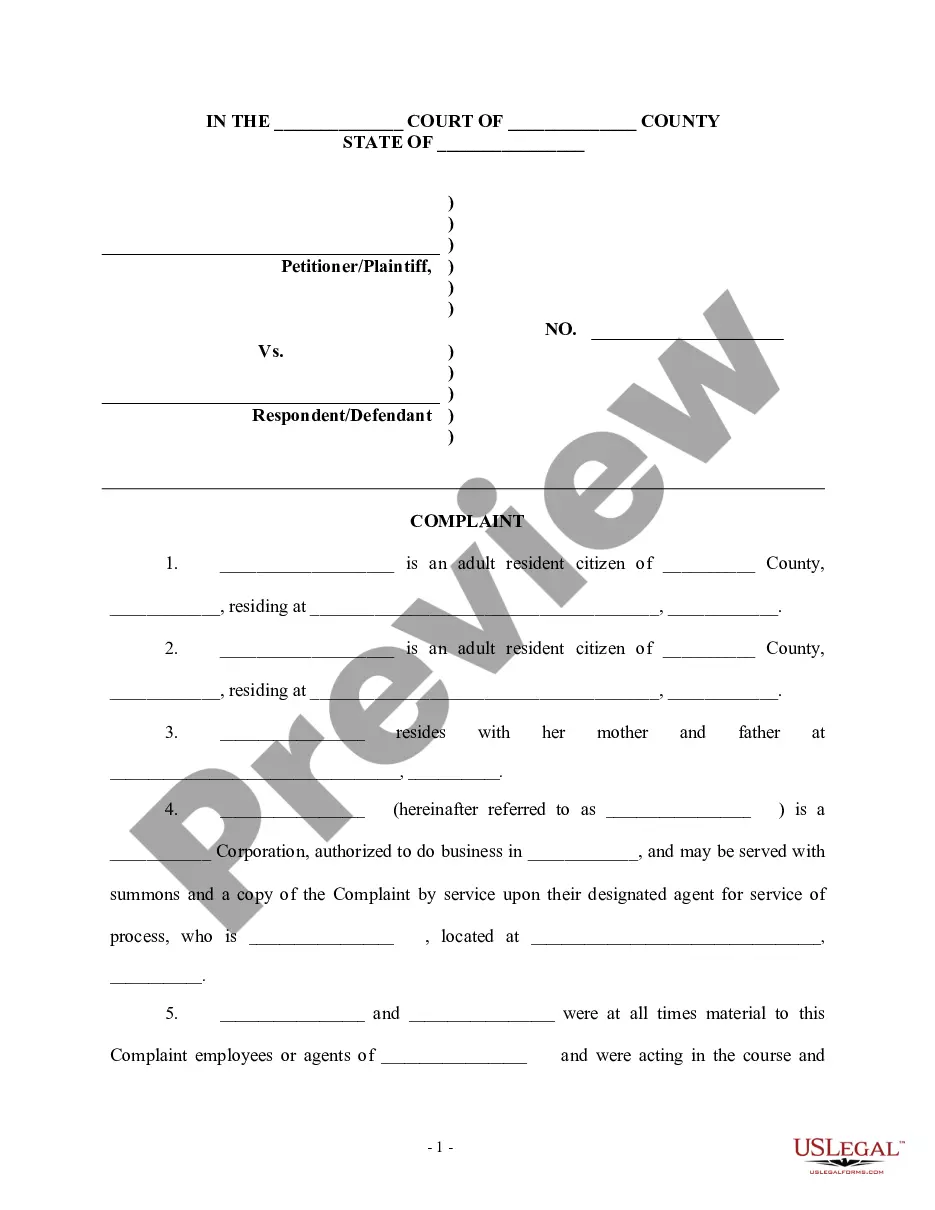

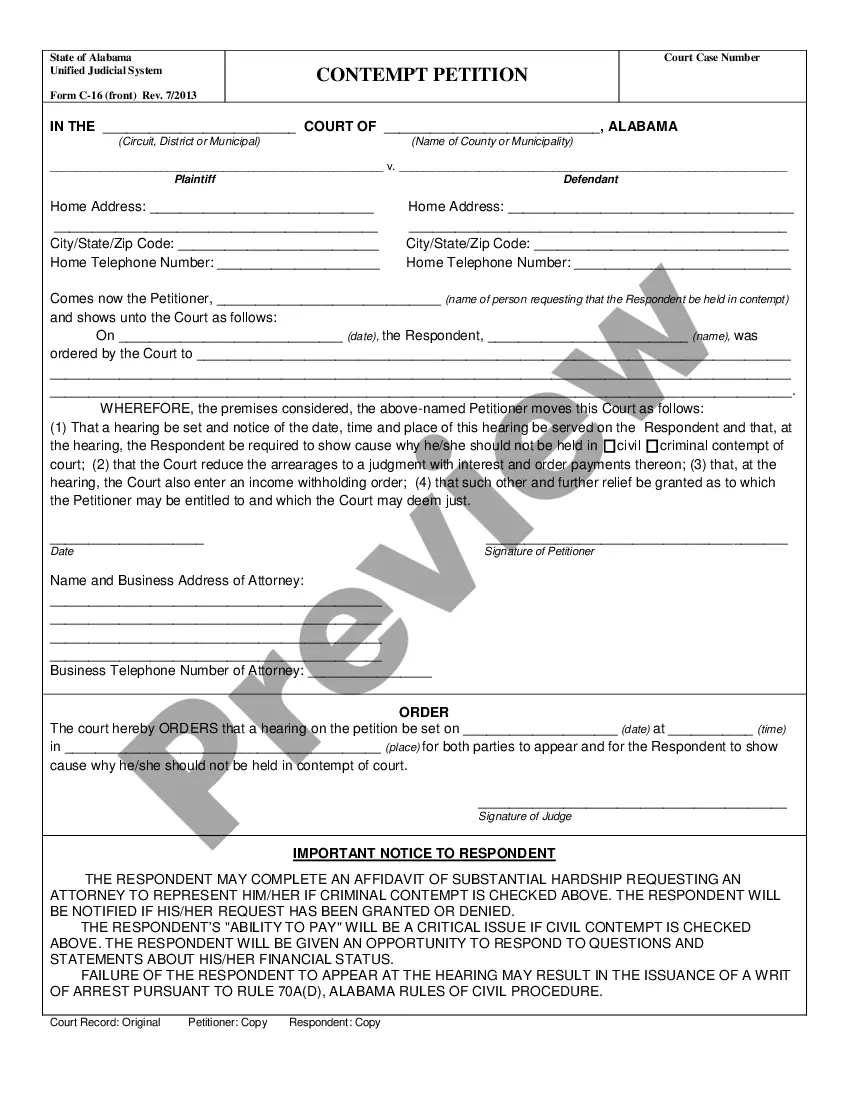
Get your form ready online
Our built-in tools help you complete, sign, share, and store your documents in one place.
Make edits, fill in missing information, and update formatting in US Legal Forms—just like you would in MS Word.
Download a copy, print it, send it by email, or mail it via USPS—whatever works best for your next step.
Sign and collect signatures with our SignNow integration. Send to multiple recipients, set reminders, and more. Go Premium to unlock E-Sign.
If this form requires notarization, complete it online through a secure video call—no need to meet a notary in person or wait for an appointment.
We protect your documents and personal data by following strict security and privacy standards.

Make edits, fill in missing information, and update formatting in US Legal Forms—just like you would in MS Word.

Download a copy, print it, send it by email, or mail it via USPS—whatever works best for your next step.

Sign and collect signatures with our SignNow integration. Send to multiple recipients, set reminders, and more. Go Premium to unlock E-Sign.

If this form requires notarization, complete it online through a secure video call—no need to meet a notary in person or wait for an appointment.

We protect your documents and personal data by following strict security and privacy standards.
Looking for another form?




Form popularity
FAQ
If you make four or more day trades over the course of any five business days, and those trades account for more than 6% of your account activity over that time period, your margin account will be flagged as a pattern day trader account.
There are several types of trading accounts to meet different purposes. For example, an equity trading account is used for buying and selling company stock, but a futures trading account allows you to trade futures contracts on commodities such as oil and gold.
Rule 1: Always Use a Trading Plan. Rule 2: Treat Trading Like a Business. Rule 3: Use Technology to Your Advantage. Rule 4: Protect Your Trading Capital. Rule 5: Become a Student of the Markets. Rule 6: Risk Only What You Can Afford to Lose. Rule 7: Develop a Methodology Based on Facts. Rule 8: Always Use a Stop Loss.
A trading account is a financial statement that outlines the buying and selling activities of a business. It records the direct expenses, direct revenues, and the gross profit or loss generated from the sale of goods or services.
The 3 5 7 rule is a risk management strategy in trading that emphasizes limiting risk on each individual trade to 3% of the trading capital, keeping overall exposure to 5% across all trades, and ensuring that winning trades yield at least 7% more profit than losing trades.
Rule 1: Always Use a Trading Plan You need a trading plan because it can assist you with making coherent trading decisions and define the boundaries of your optimal trade. A decent trading plan will assist you with avoiding making passionate decisions without giving it much thought.
The terms of trade are turning in our favour. As export prices fell 2% compared with a 2.5% drop in import prices the terms of trade improved.
For instance, tariffs are a form of trade regulation that can be used to protect domestic industries from foreign competition.
Trade regulations refer to rules and restrictions implemented to control the exchange of goods and services between countries or regions in order to manage and reduce unsustainable trade practices, protect wildlife populations, and prevent negative impacts on ecosystems.
The economy of the colony was hampered by runaway inflation caused by reckless economic policies and unreasonable restrictions on land ownership and trade regulation.