Fraud In Trade In Alameda
Description

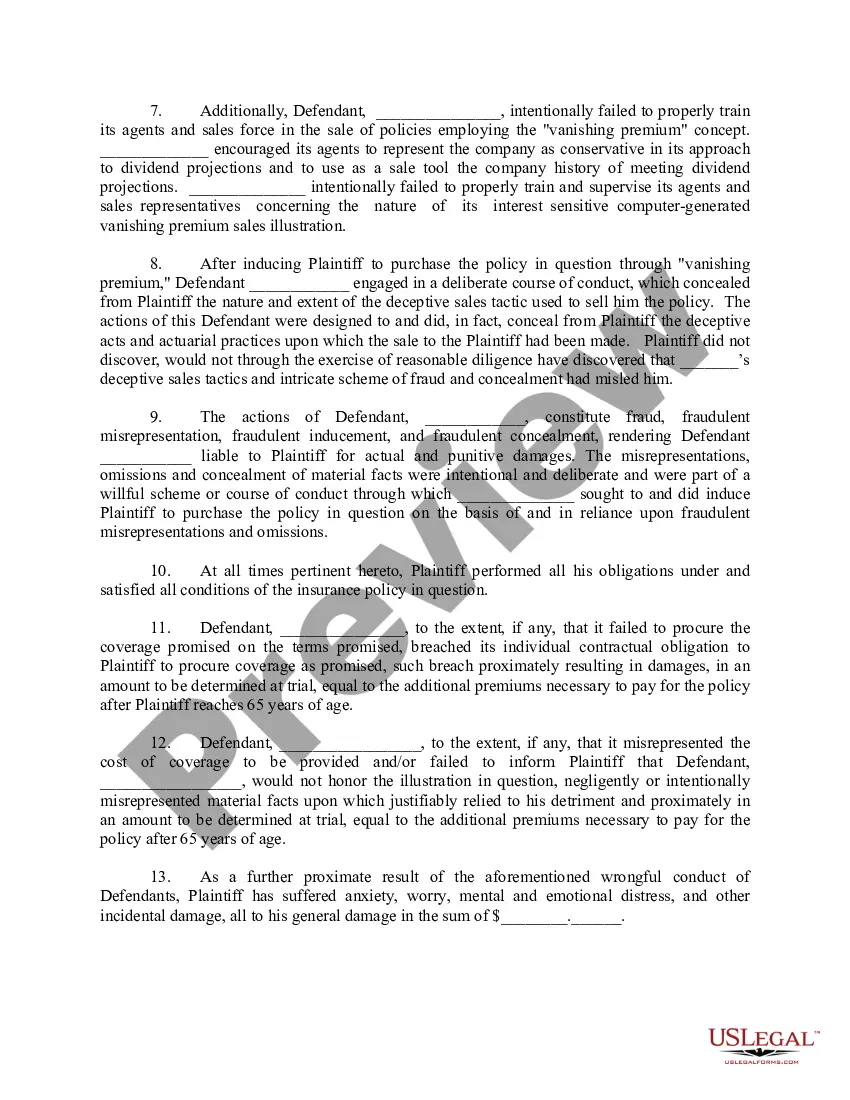



Get your form ready online
Our built-in tools help you complete, sign, share, and store your documents in one place.
Make edits, fill in missing information, and update formatting in US Legal Forms—just like you would in MS Word.
Download a copy, print it, send it by email, or mail it via USPS—whatever works best for your next step.
Sign and collect signatures with our SignNow integration. Send to multiple recipients, set reminders, and more. Go Premium to unlock E-Sign.
If this form requires notarization, complete it online through a secure video call—no need to meet a notary in person or wait for an appointment.
We protect your documents and personal data by following strict security and privacy standards.

Make edits, fill in missing information, and update formatting in US Legal Forms—just like you would in MS Word.

Download a copy, print it, send it by email, or mail it via USPS—whatever works best for your next step.

Sign and collect signatures with our SignNow integration. Send to multiple recipients, set reminders, and more. Go Premium to unlock E-Sign.

If this form requires notarization, complete it online through a secure video call—no need to meet a notary in person or wait for an appointment.

We protect your documents and personal data by following strict security and privacy standards.
Looking for another form?



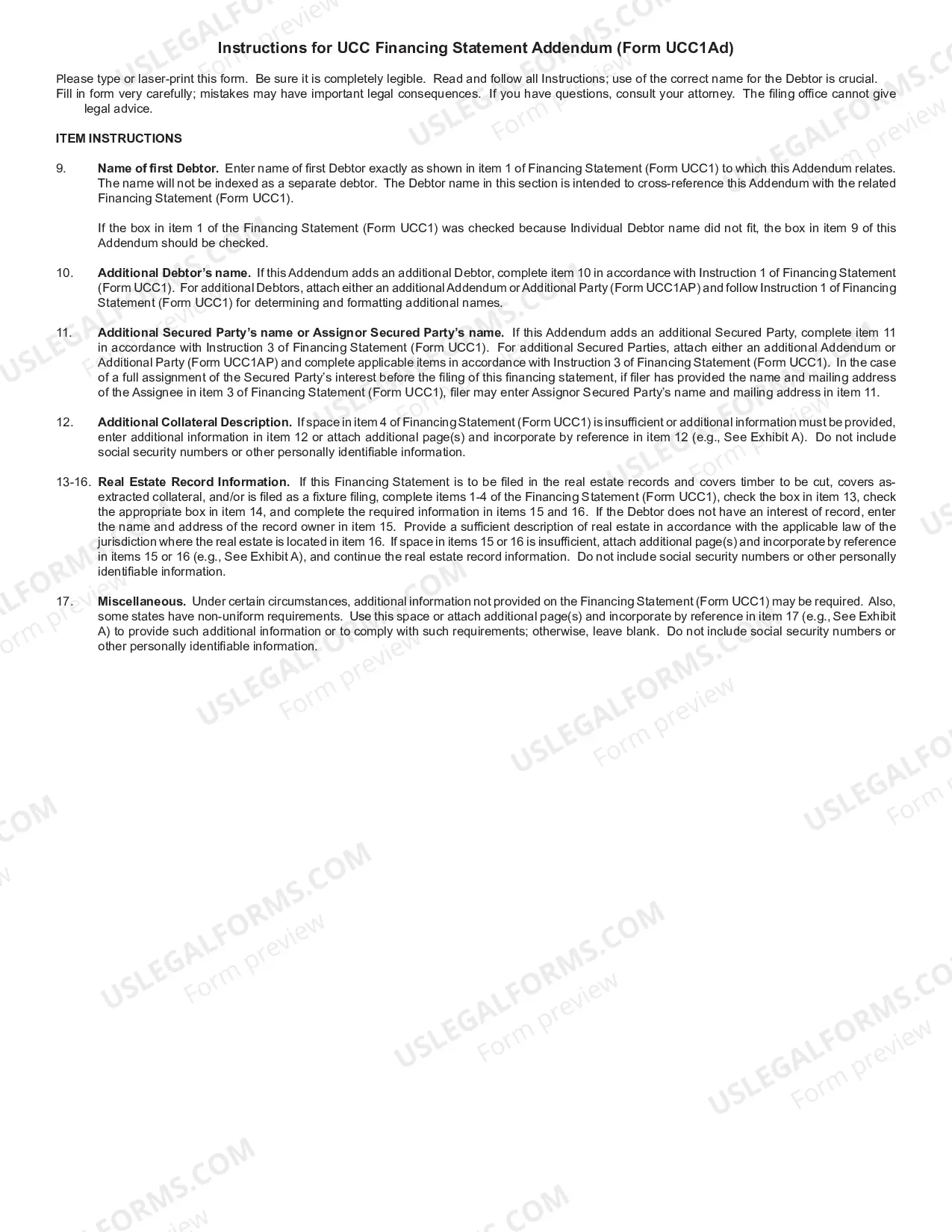
Form popularity
FAQ
Court Approves FTX-CFTC $12.7B Settlement The settlement resolves a 20-month lawsuit initiated by the Commodity Futures Trading Commission. The CFTC did not impose a civil penalty as part of the settlement, which includes $8.7 billion for defrauded investors and $4 billion in disgorged funds.
The total payout from FTX's bankruptcy plan could reach up to $16.5 billion. ing to court filings, 98% of creditors are projected to receive 118% of the value of their claims. Payments will be made in U.S. dollars based on the value of crypto assets held by creditors as of Nov. 2022.
The concept states that there are three components which, together, lead to fraudulent behavior. They are (1) a perceived un-shareable financial need (motive/pressure), (2) a perceived opportunity to commit fraud, and (3) the rationalization of committing the fraud.
In the United States, individuals who have strong and credible information regarding financial crimes such as fraud, waste, misconduct, abuse may be eligible to receive an award under various U.S. federal and state laws, such as the qui tam provision of the False Claims Act, or claims made under the SEC, CFTC, AML or ...
Your report is shared with more than 2,800 law enforcers. We can't resolve your individual report, but we use reports to investigate and bring cases against fraud, scams, and bad business practices. Read our Privacy Act statement to learn more about how we collect and use your information.