Motion For Declaratory Judgment Sample In Contra Costa
Description
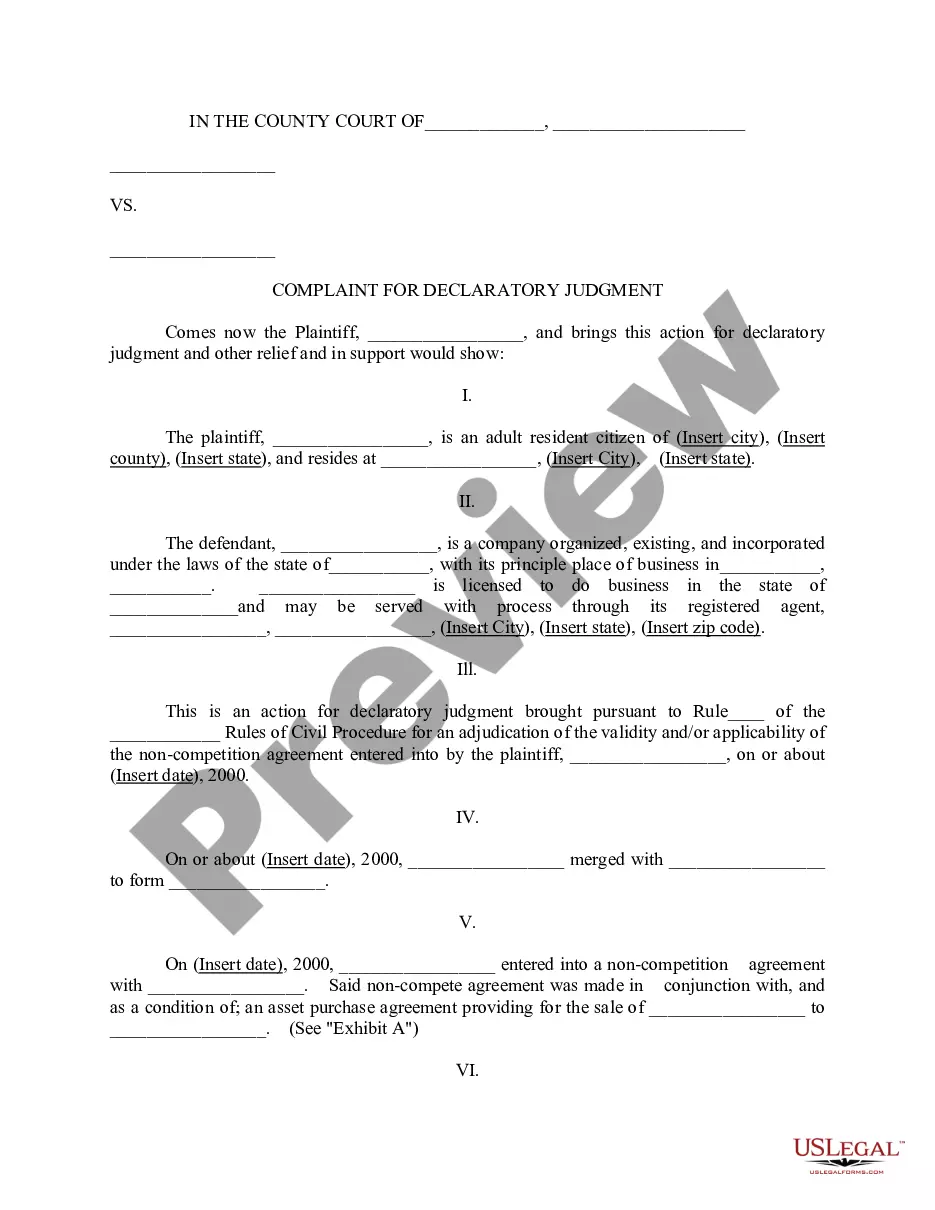
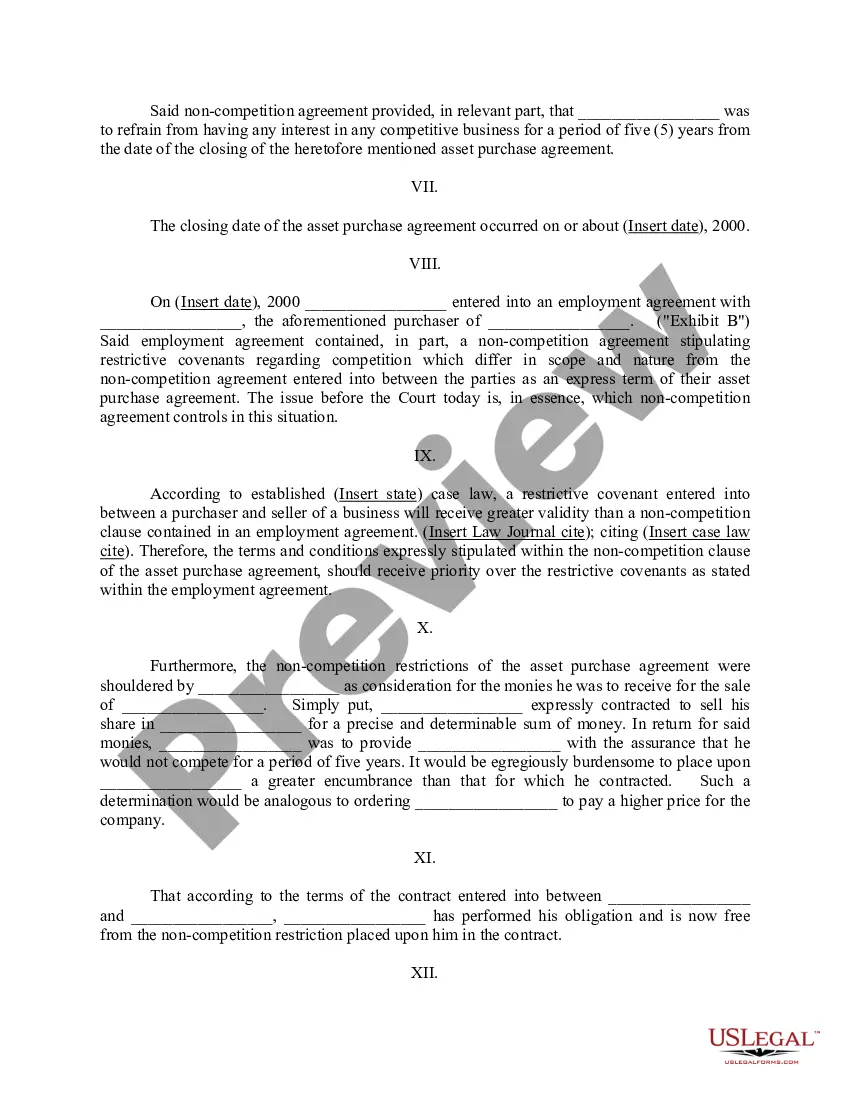
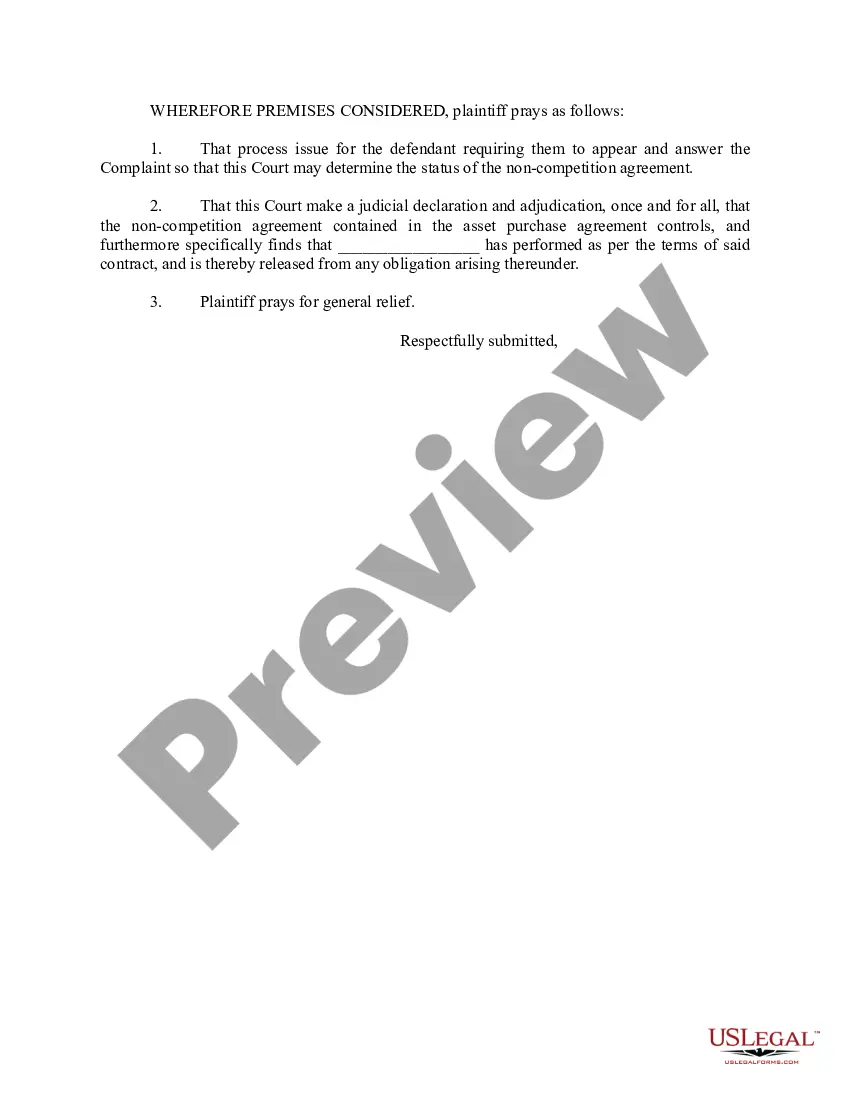



Get your form ready online
Our built-in tools help you complete, sign, share, and store your documents in one place.
Make edits, fill in missing information, and update formatting in US Legal Forms—just like you would in MS Word.
Download a copy, print it, send it by email, or mail it via USPS—whatever works best for your next step.
Sign and collect signatures with our SignNow integration. Send to multiple recipients, set reminders, and more. Go Premium to unlock E-Sign.
If this form requires notarization, complete it online through a secure video call—no need to meet a notary in person or wait for an appointment.
We protect your documents and personal data by following strict security and privacy standards.

Make edits, fill in missing information, and update formatting in US Legal Forms—just like you would in MS Word.

Download a copy, print it, send it by email, or mail it via USPS—whatever works best for your next step.

Sign and collect signatures with our SignNow integration. Send to multiple recipients, set reminders, and more. Go Premium to unlock E-Sign.

If this form requires notarization, complete it online through a secure video call—no need to meet a notary in person or wait for an appointment.

We protect your documents and personal data by following strict security and privacy standards.
Looking for another form?



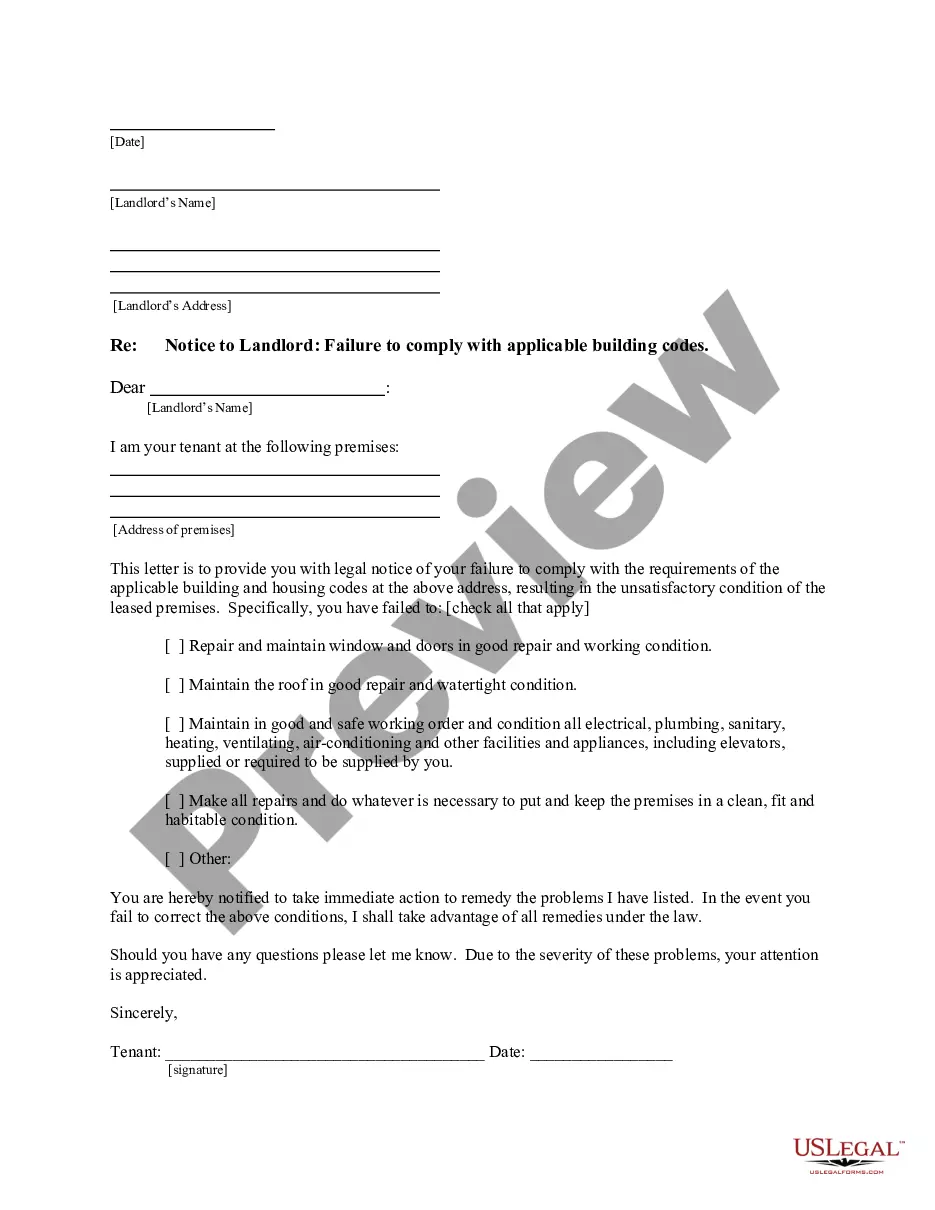




Form popularity
FAQ
Under Code of Civil Procedure § 437c(c), a motion for summary judgment "shall be granted if all the papers submitted show that there is no triable issue as to any material fact and that the moving party is entitled to judgment as a matter of law." (Code Civ.
(a) Motion and opposition (2) A motion must be accompanied by a memorandum and, if it is based on matters outside the record, by declarations or other supporting evidence. (3) Any opposition to the motion must be served and filed within 15 days after the motion is filed.
Consider the following five approaches: Show that the motion fails to list the specific facts and law supporting summary judgment. Show that a dispute exists on a material fact. Show that the law does not support judgment on the undisputed facts.
A plaintiff seeking declaratory relief must show that there is an actual controversy even though declaratory relief will not order enforceable action against the defendant. An actual controversy means there is a connection between the challenged conduct and injury, and redressability that the court could order.
Opposition: Any opposition to the motion must now be filed 20 days before the hearing. This is a substantial change from the prior deadline of 14 days. Reply: Replies must be served 11 days before the hearing—more than double the previous requirement of 5 days.
Completing the “additional facts” section of the separate statement, then the response to the defendant's separate statement, and then the memorandum of points and authorities is, in my opinion, the most effective method of opposing a summary-judgment motion.
A declaratory judgment is a binding judgment from a court defining the legal relationship between parties and their rights in a matter before the court. When there is uncertainty as to the legal obligations or rights between two parties, a declaratory judgment offers an immediate means to resolve this uncertainty.
Summary judgment. A superior court's ruling granting summary judgment is an order. A party seeking to appeal the ruling must first get a judgment based on that ruling. The facts are taken from the evidence before the trial court at the time of its ruling.
(f) The motion provided for in this section may be made only after one of the following conditions has occurred: (1) If the moving party is a plaintiff, and the defendant has already filed his or her answer to the complaint and the time for the plaintiff to demur to the answer has expired.
Access to information about a case may be limited or restricted. Some court records are not available online to protect privacy. For example, you can only find limited information about divorce or criminal cases on a court's website. Case records are available at the courthouse.