Jury Trial Form With Two Points In Ohio
Description





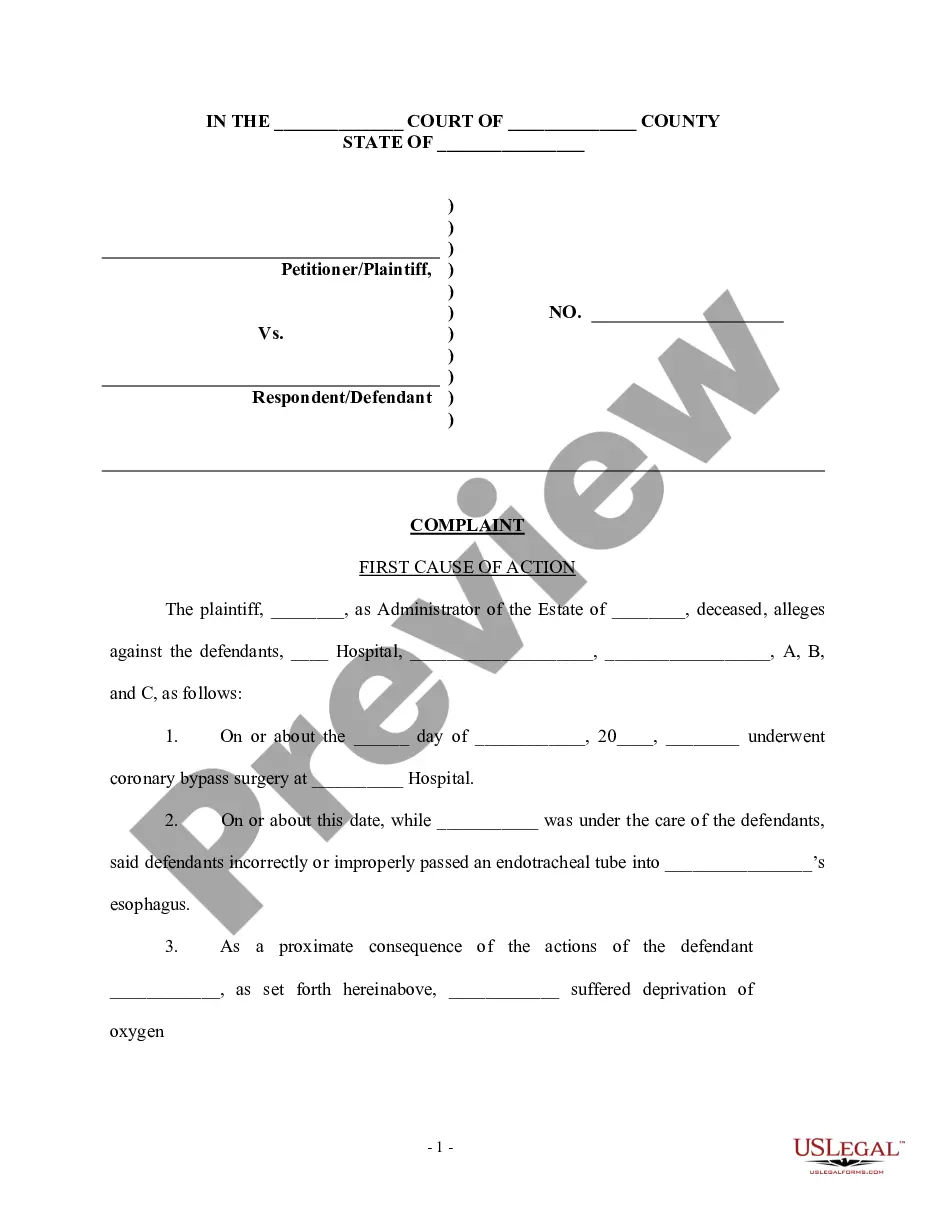
Get your form ready online
Our built-in tools help you complete, sign, share, and store your documents in one place.
Make edits, fill in missing information, and update formatting in US Legal Forms—just like you would in MS Word.
Download a copy, print it, send it by email, or mail it via USPS—whatever works best for your next step.
Sign and collect signatures with our SignNow integration. Send to multiple recipients, set reminders, and more. Go Premium to unlock E-Sign.
If this form requires notarization, complete it online through a secure video call—no need to meet a notary in person or wait for an appointment.
We protect your documents and personal data by following strict security and privacy standards.

Make edits, fill in missing information, and update formatting in US Legal Forms—just like you would in MS Word.

Download a copy, print it, send it by email, or mail it via USPS—whatever works best for your next step.

Sign and collect signatures with our SignNow integration. Send to multiple recipients, set reminders, and more. Go Premium to unlock E-Sign.

If this form requires notarization, complete it online through a secure video call—no need to meet a notary in person or wait for an appointment.

We protect your documents and personal data by following strict security and privacy standards.
Looking for another form?









Form popularity
FAQ
If you want to file a motion, the process is generally something like this: You write your motion. You file your motion with the court clerk. The court clerk inserts the date and time your motion will be heard by the judge. You “serve” (mail) your motion to the other side.
Things You Should Know Write your legal argument by stating the rule and explaining how your facts apply to it. Then, add your signature, a Certificate of Service, and a Notice of Hearing. File your motion with the clerk of court overseeing your case. Then, give copies to each defendant.
Except for motions made during a hearing or during trial, motions are required to be in writing. They must also be filed in court and served on the opposing party's attorney (or the party if not represented by counsel). If the motion is contested, the opposing attorneys will also file papers opposing the motion.
Rule 11 - Docketing the Appeal; Filing of the Record (A) Docketing the appeal. Upon receiving a copy of the notice of appeal, as provided in App. R. 3(D) and App.
Answer ONLY the question that is asked—do NOT include in your answer things that were not asked for. Consider the following question: "Are you involved with any law or justice-focused special interest groups, such as Black Lives Matter, Blue Lives Matter, etc.?"
Reasons for Being Excused from Jury Service Medical reasons. Public necessity. Undue hardship. Dependent care. Student Status. Military conflict. Other reason deemed sufficient by the court.
This Note explores the dual jury system in which each defendant in a joint trial has his or her own jury to decide guilt or innocence.
Upon approval of the court, the following persons may be excused from jury service: members of cloistered religious organizations. a person whose mental or physical condition renders them incapable of performing jury service. a person whose spouse or near relative has recently died or is seriously ill.
Reasons for Being Excused from Jury Service Medical reasons. Public necessity. Undue hardship. Dependent care. Student Status. Military conflict. Other reason deemed sufficient by the court.
Don't lose your temper, try to bully, or refuse to listen to the opinions of other jurors. Don't mark or write on exhibits or otherwise change or injure them.