Jury Trial Fee In Ohio
Description

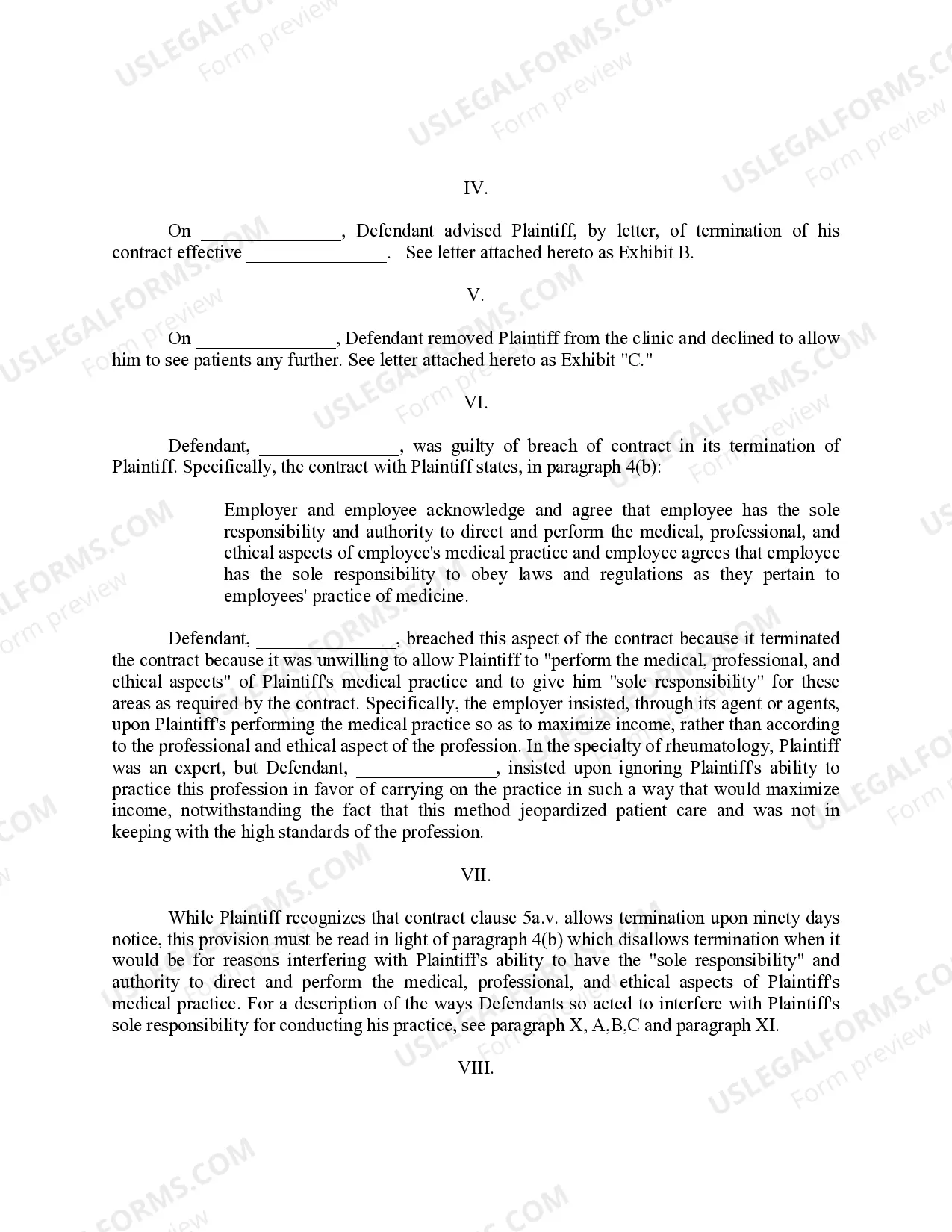
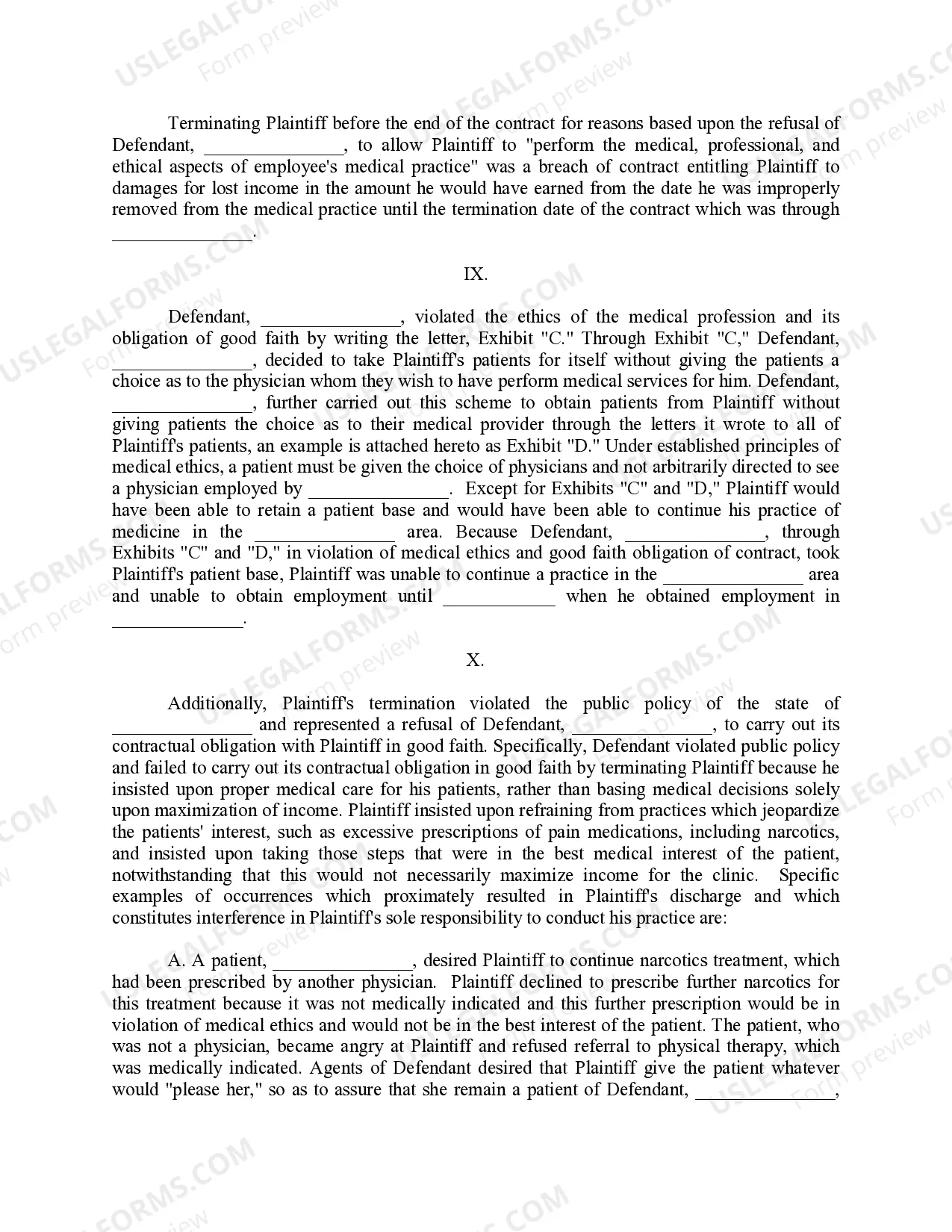
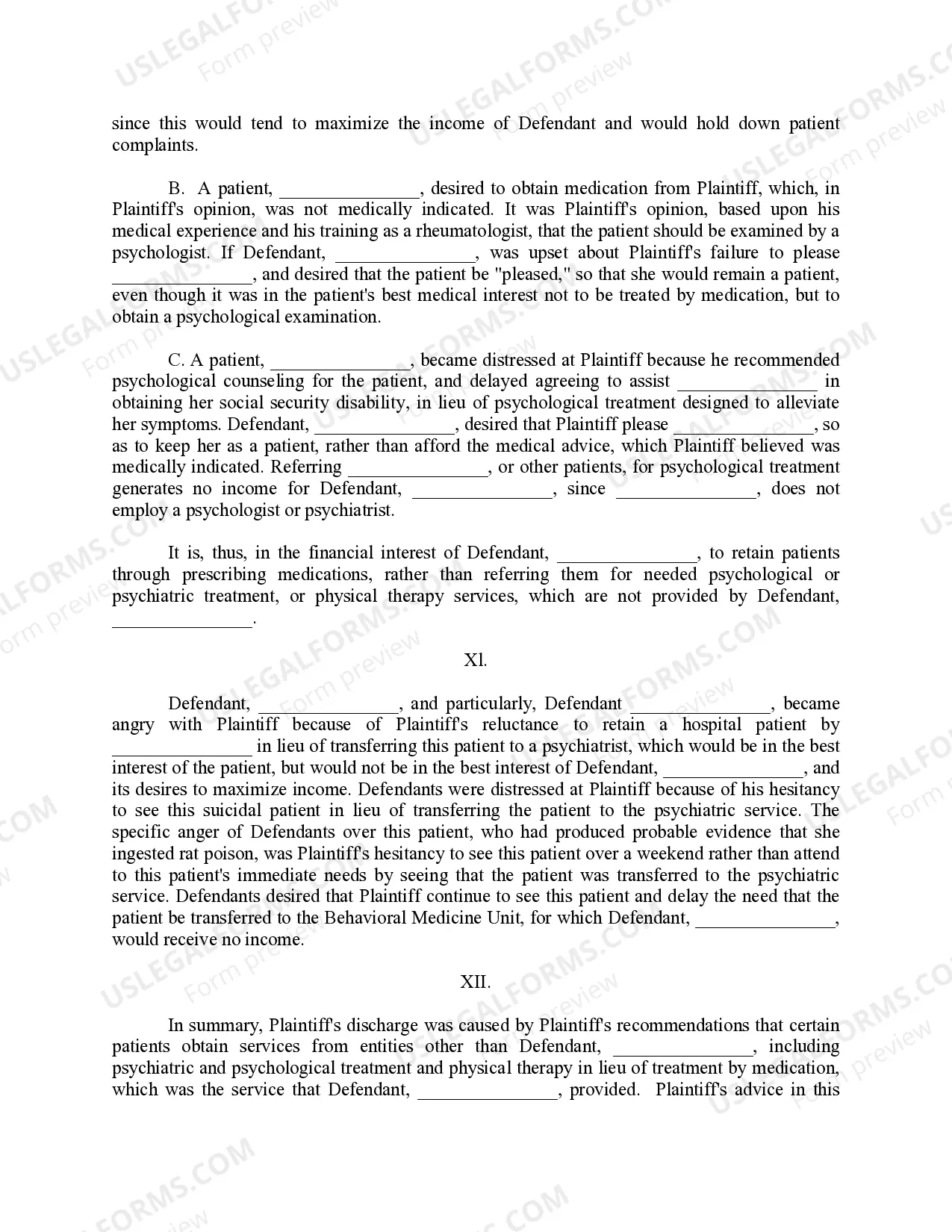
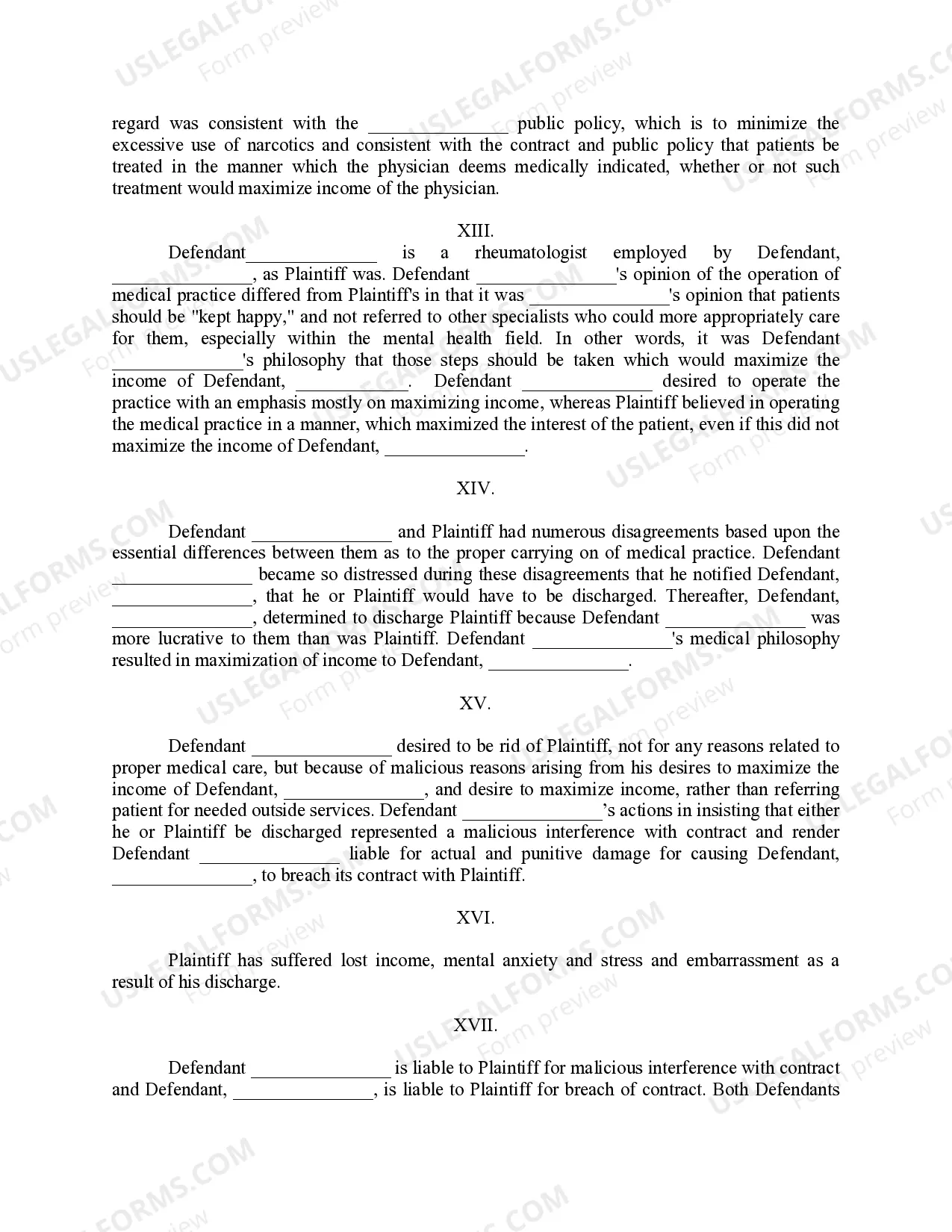





Get your form ready online
Our built-in tools help you complete, sign, share, and store your documents in one place.
Make edits, fill in missing information, and update formatting in US Legal Forms—just like you would in MS Word.
Download a copy, print it, send it by email, or mail it via USPS—whatever works best for your next step.
Sign and collect signatures with our SignNow integration. Send to multiple recipients, set reminders, and more. Go Premium to unlock E-Sign.
If this form requires notarization, complete it online through a secure video call—no need to meet a notary in person or wait for an appointment.
We protect your documents and personal data by following strict security and privacy standards.

Make edits, fill in missing information, and update formatting in US Legal Forms—just like you would in MS Word.

Download a copy, print it, send it by email, or mail it via USPS—whatever works best for your next step.

Sign and collect signatures with our SignNow integration. Send to multiple recipients, set reminders, and more. Go Premium to unlock E-Sign.

If this form requires notarization, complete it online through a secure video call—no need to meet a notary in person or wait for an appointment.

We protect your documents and personal data by following strict security and privacy standards.
Looking for another form?



Form popularity
FAQ
In the civil context, court costs are normally awarded to the prevailing party, meaning that the 'losing' party must cover them. Rule 54(d)(1) of the Federal Rules of Civil Procedure allows exceptions to this general rule via statute or court order.
Except for motions made during a hearing or during trial, motions are required to be in writing. They must also be filed in court and served on the opposing party's attorney (or the party if not represented by counsel).
The deadline to file a Motion for Reconsideration will be a certain period of time after the judge has issued the order that you would like to have reconsidered or after you are served with the order, often between 14 and 30 days. You may want to speak with a lawyer in your state about the time line to file a motion.
Steps Check if the court has blank motion forms. Some courts have "check the boxes" or "fill in the blank" motion forms. Create your caption. Title your motion. Draft the introductory paragraph to the body of the motion. Request relief. Lay out the applicable facts. Make your legal argument. Insert a signature block.
Clients with income at/below 187.5% of the Federal Poverty Level and expenses at/above their income are eligible for Ohio's mandatory court costs waiver, per R.C. 2323.311(B)(4). To calculate a client's FPL, visit .
Yes, someone who is not an attorney, often referred to as a "pro se" litigant or a "self-represented" litigant, can indeed file legal documents with the court, including motions, complaints, or answers.
You will need to file a motion to waive, suspend, or modify your court costs, and attach an affidavit of indigency.
In a jury trial, evidence is presented before randomly selected individuals who determine whether a defendant is guilty or innocent.
