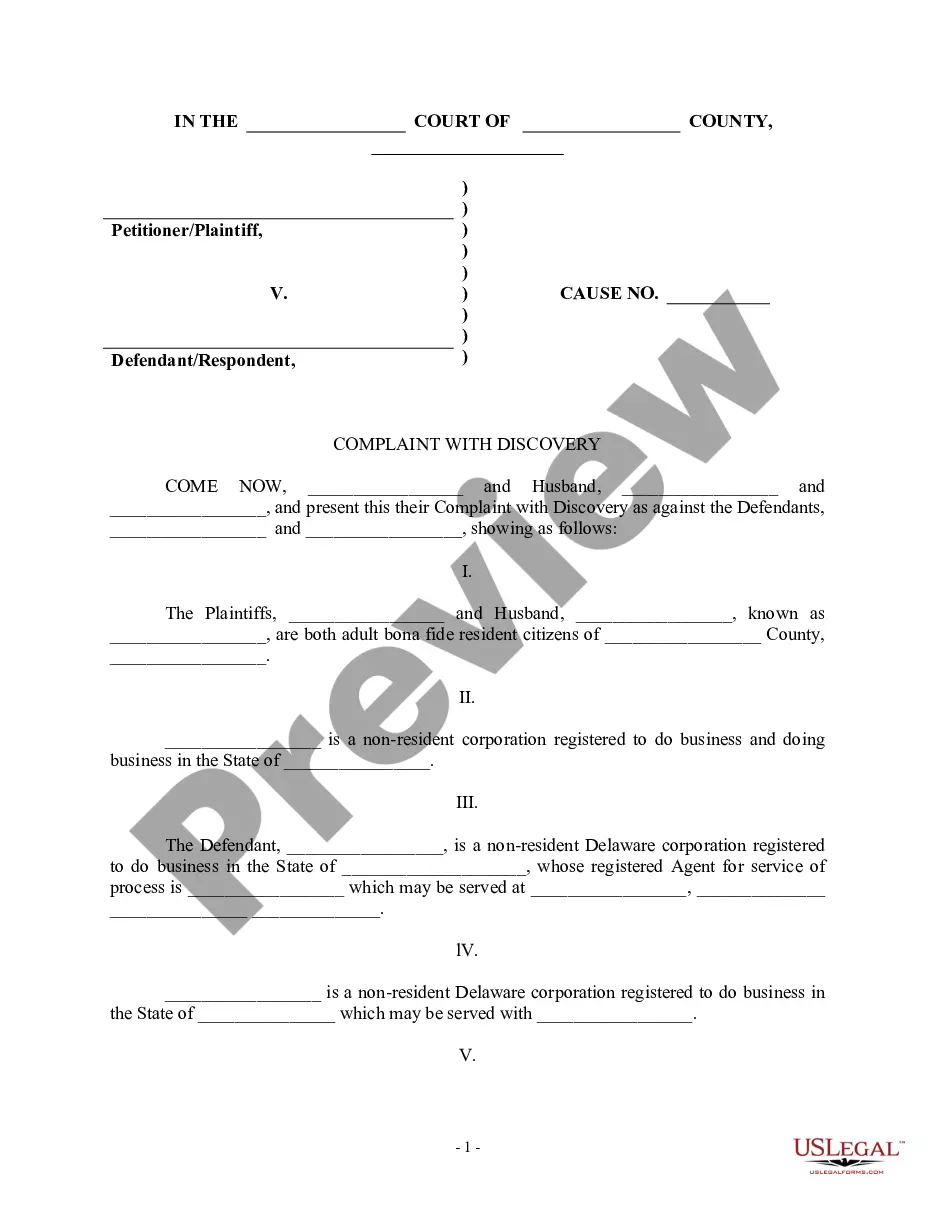
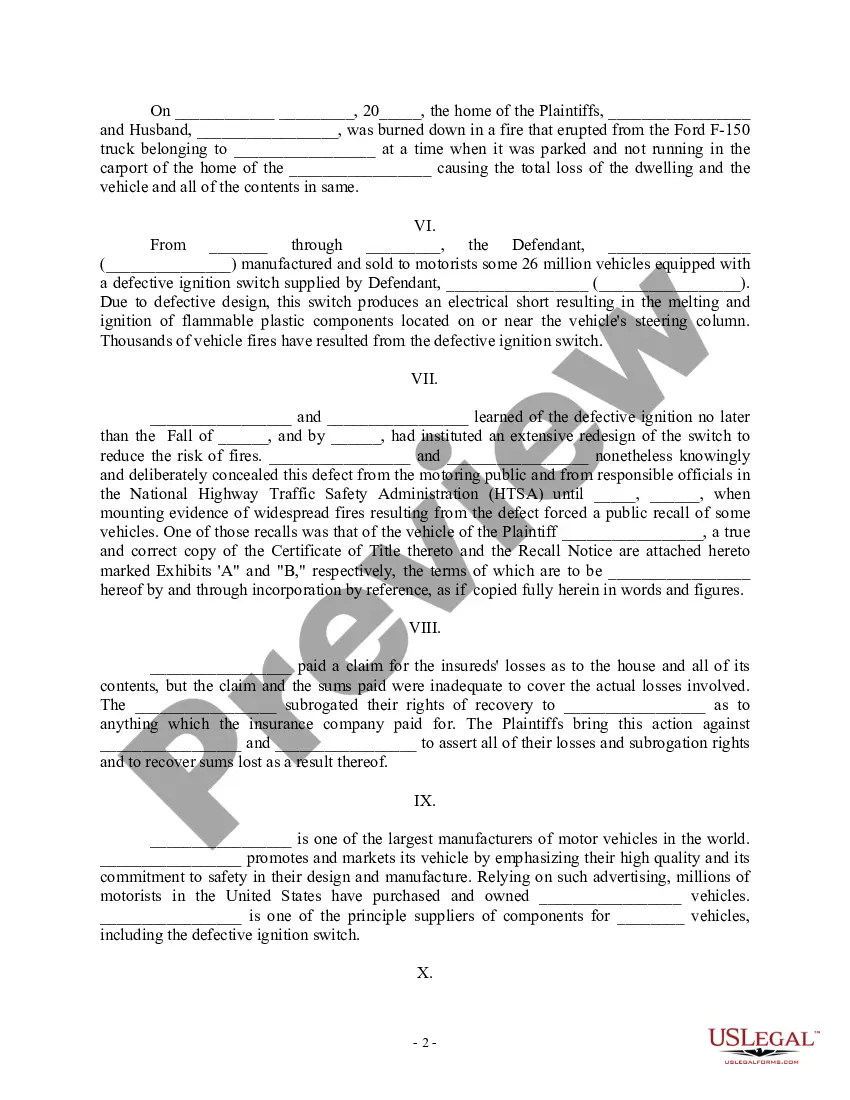
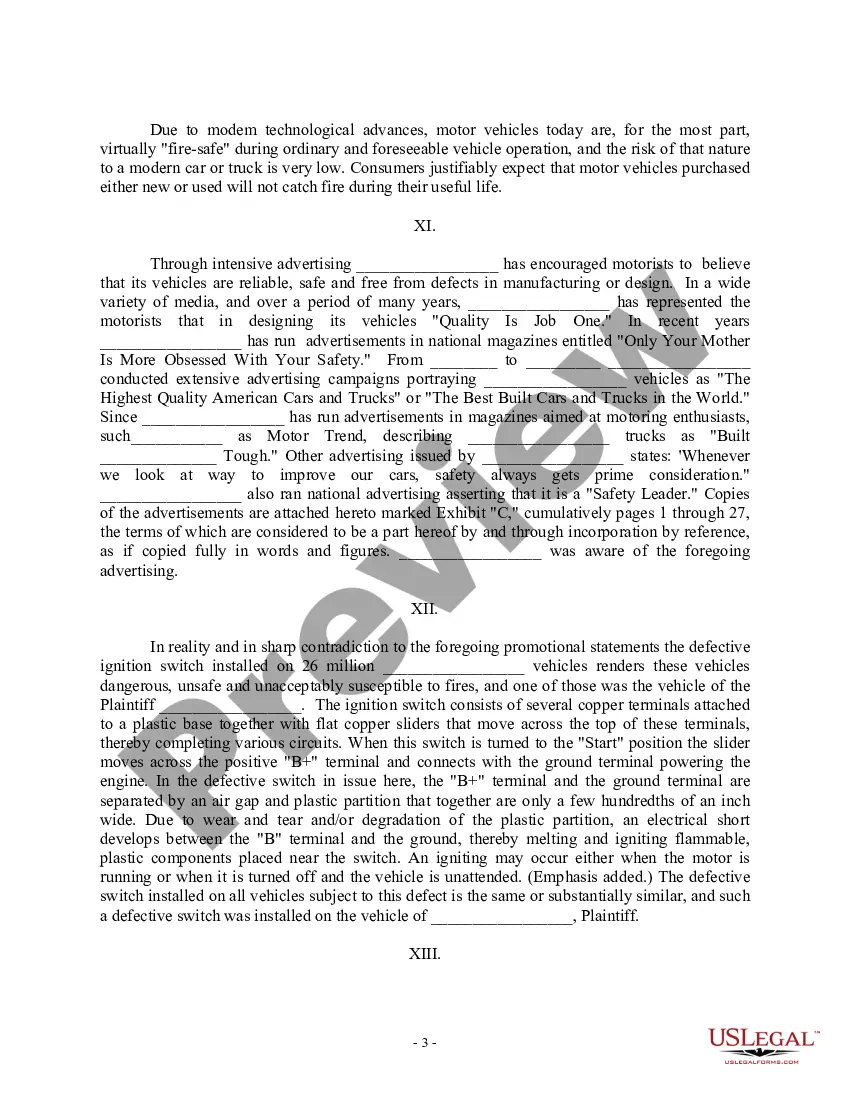
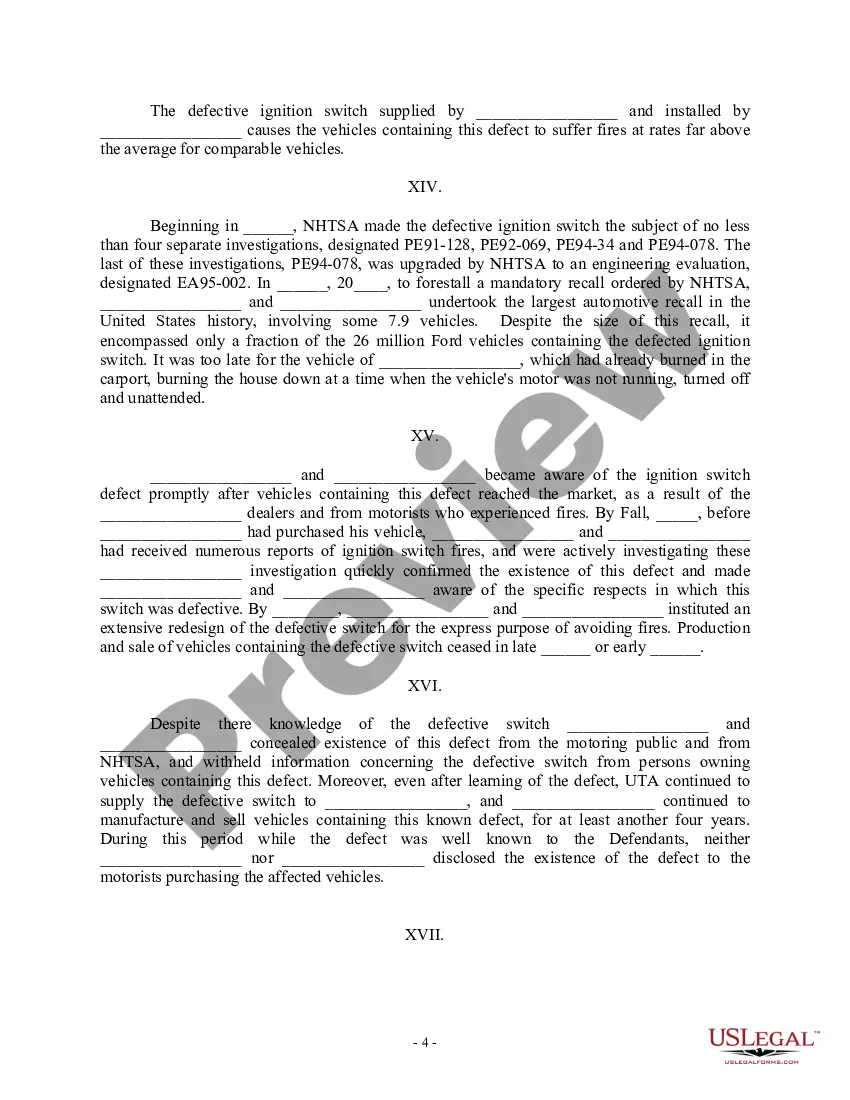
Product With Defect In Philadelphia
Description
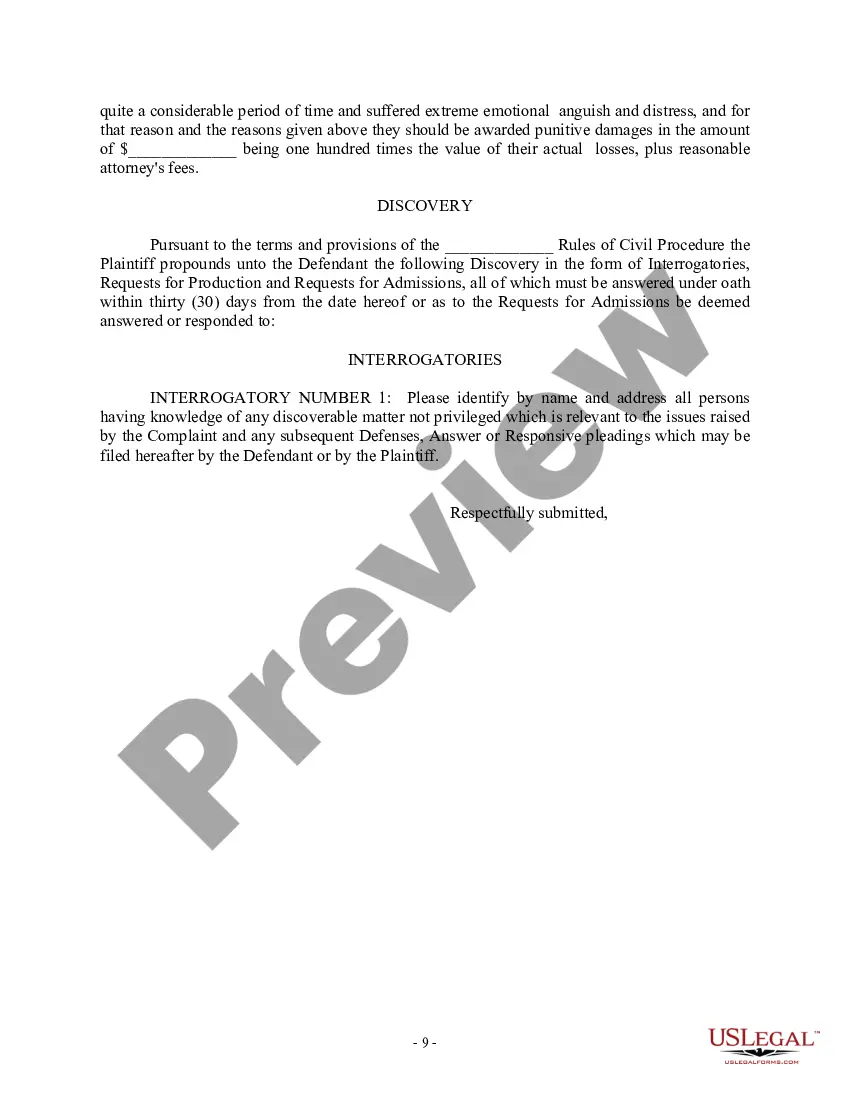
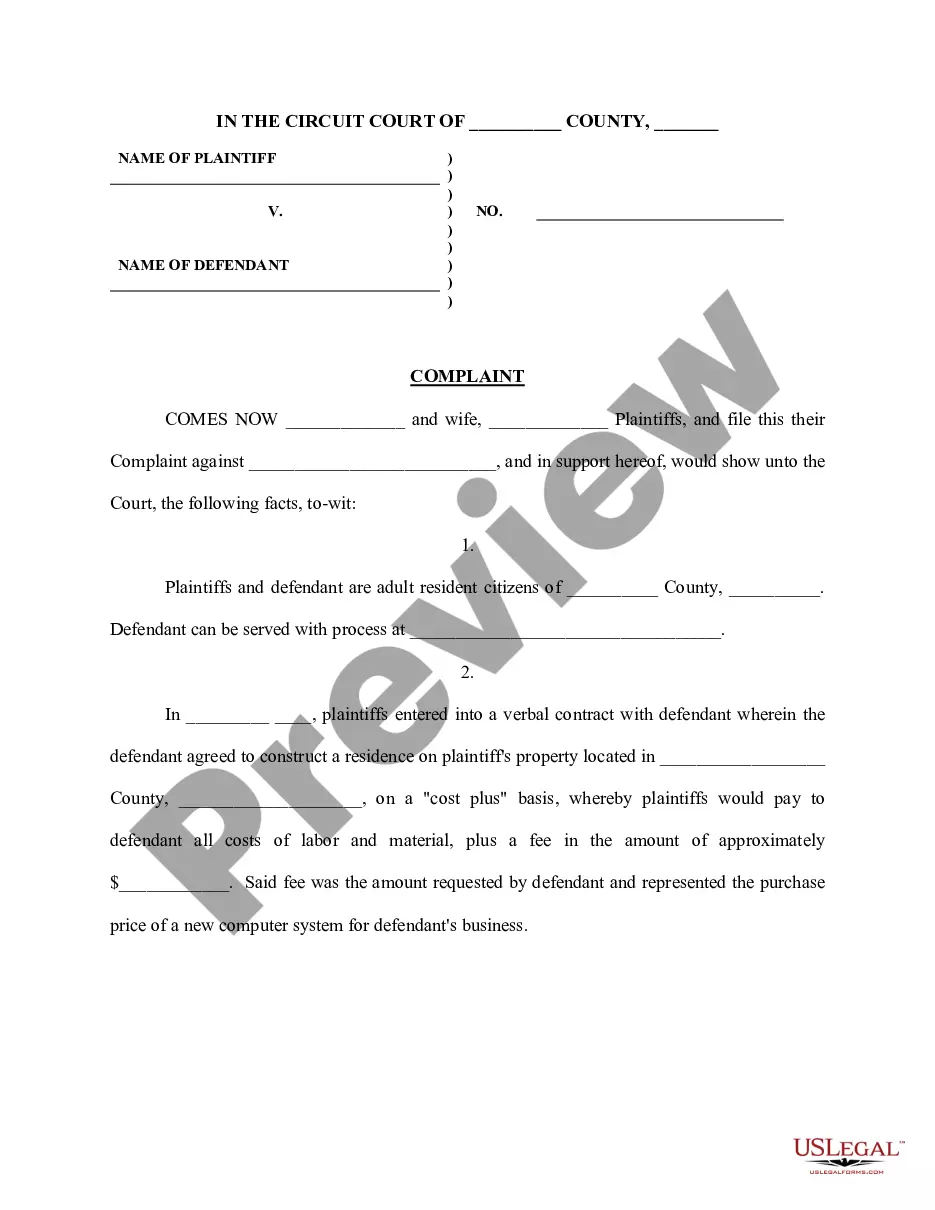
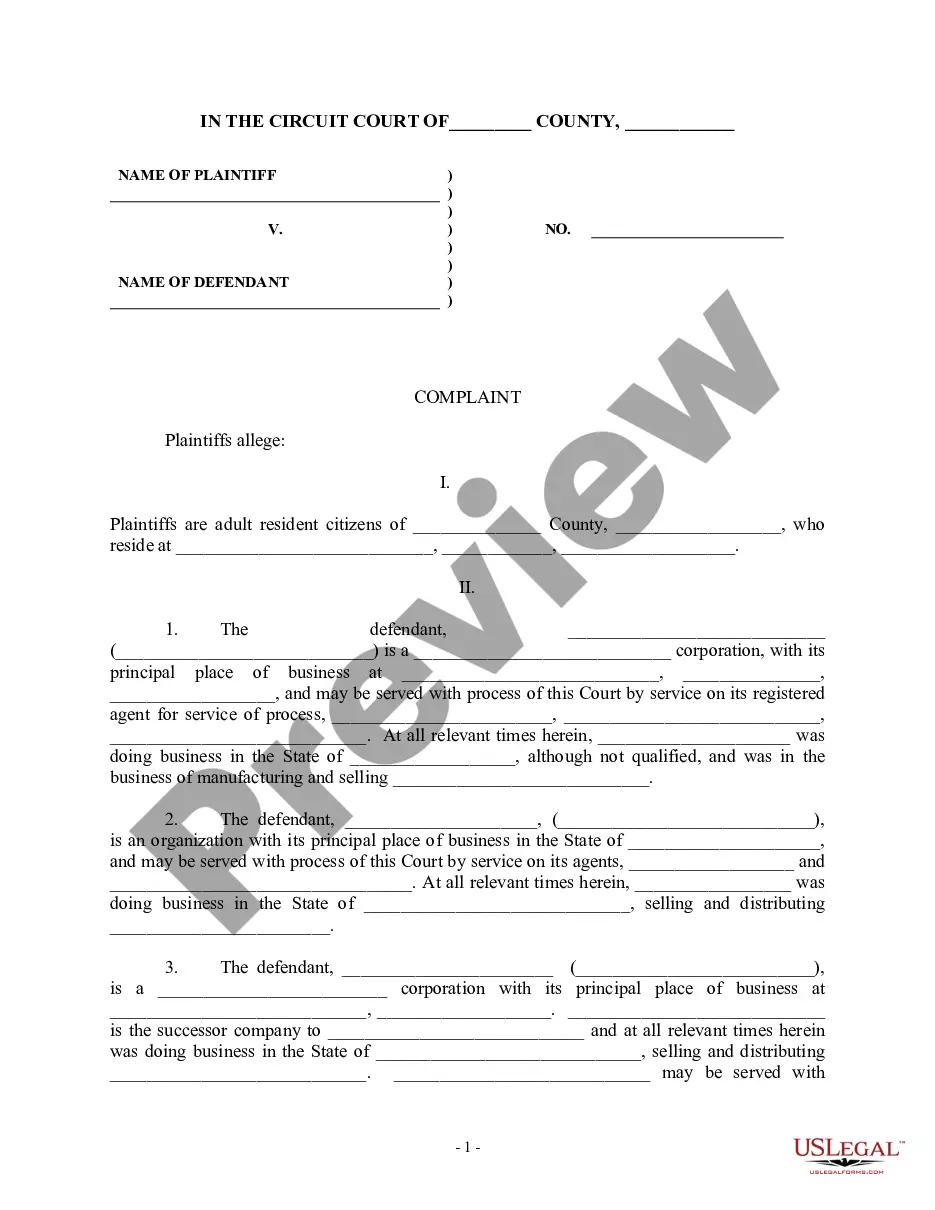


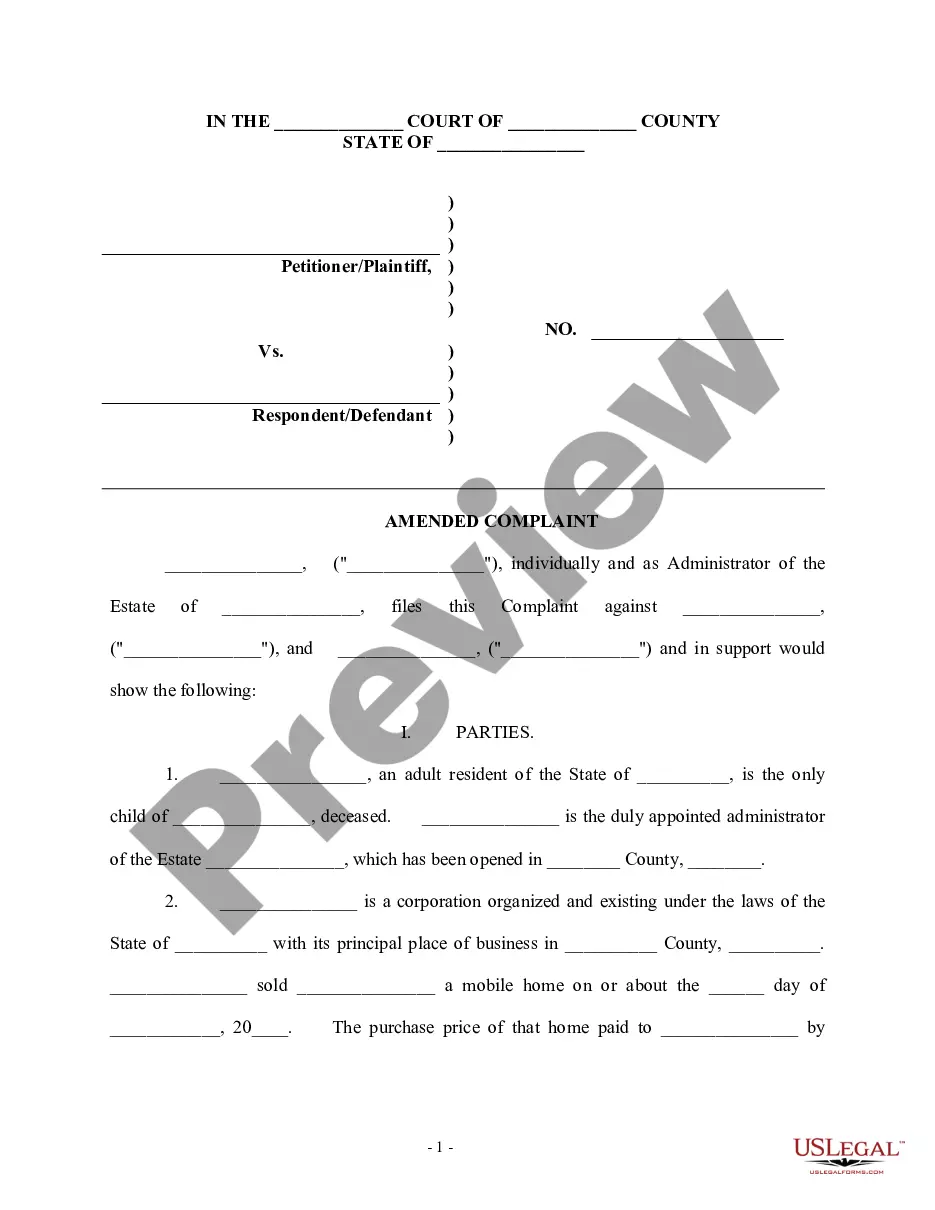
Get your form ready online
Our built-in tools help you complete, sign, share, and store your documents in one place.
Make edits, fill in missing information, and update formatting in US Legal Forms—just like you would in MS Word.
Download a copy, print it, send it by email, or mail it via USPS—whatever works best for your next step.
Sign and collect signatures with our SignNow integration. Send to multiple recipients, set reminders, and more. Go Premium to unlock E-Sign.
If this form requires notarization, complete it online through a secure video call—no need to meet a notary in person or wait for an appointment.
We protect your documents and personal data by following strict security and privacy standards.

Make edits, fill in missing information, and update formatting in US Legal Forms—just like you would in MS Word.

Download a copy, print it, send it by email, or mail it via USPS—whatever works best for your next step.

Sign and collect signatures with our SignNow integration. Send to multiple recipients, set reminders, and more. Go Premium to unlock E-Sign.

If this form requires notarization, complete it online through a secure video call—no need to meet a notary in person or wait for an appointment.

We protect your documents and personal data by following strict security and privacy standards.
Looking for another form?







Form popularity
FAQ
The manufacturer can be liable for harm, whether it's a design or manufacturing defect. The distributor or wholesaler can also be held accountable if the defective product passes through before reaching the consumer, especially if they knew of the defect but failed to take appropriate action.
In most cases, the liability falls on the manufacturer and sometimes the retailer. Product liability is based on the principle that all consumers have a fundamental right to safe and effective products.
Product liability law in Pennsylvania is based on the principle that manufacturers, distributors, and retailers have a duty to ensure the products they bring to market are safe for their intended use.
Parties that are often held accountable for defective products are manufacturers, wholesalers, and retailers. Manufacturers. These are companies––anything from a one-person company to a multinational corporation––involved in the design and/or marketing of the product.
All parties may be strictly liable if the Consumer Protection Act 1987 applies to the supply of the product. For example, if a product is faulty, then the liability for any harm caused by the product lies ultimately with the manufacturer but could be commenced against any distributor, supplier or retailer.
Generally, to prove product liability you must prove that an inherent defect or misinformation within the product caused the damages claimed. In other words, the plaintiff must prove that the product was inherently defective and that the defect in the product has caused injury or damage.
Your procedure could include the following steps. Listen to the complaint. Thank the customer for bringing the matter to your attention. Record details of the complaint. Get all the facts. Discuss options for fixing the problem. Act quickly. Keep your promises. Follow up.
Reporting Consumer Products Begin by filing a report at .SaferProducts or call their hotline at (800) 638-2772. They will ask you to provide detailed information about the product, the incident, and, whenever possible, photographs of the defective item.
It might be worth contacting the manufacturer initially, just to make sure you're using the product correctly. But if the problem truly is a defect, it's best to return the item for a refund or exchange—if the retailer allows it and you're still in the return period.