Defect Products For Sale In North Carolina
Description
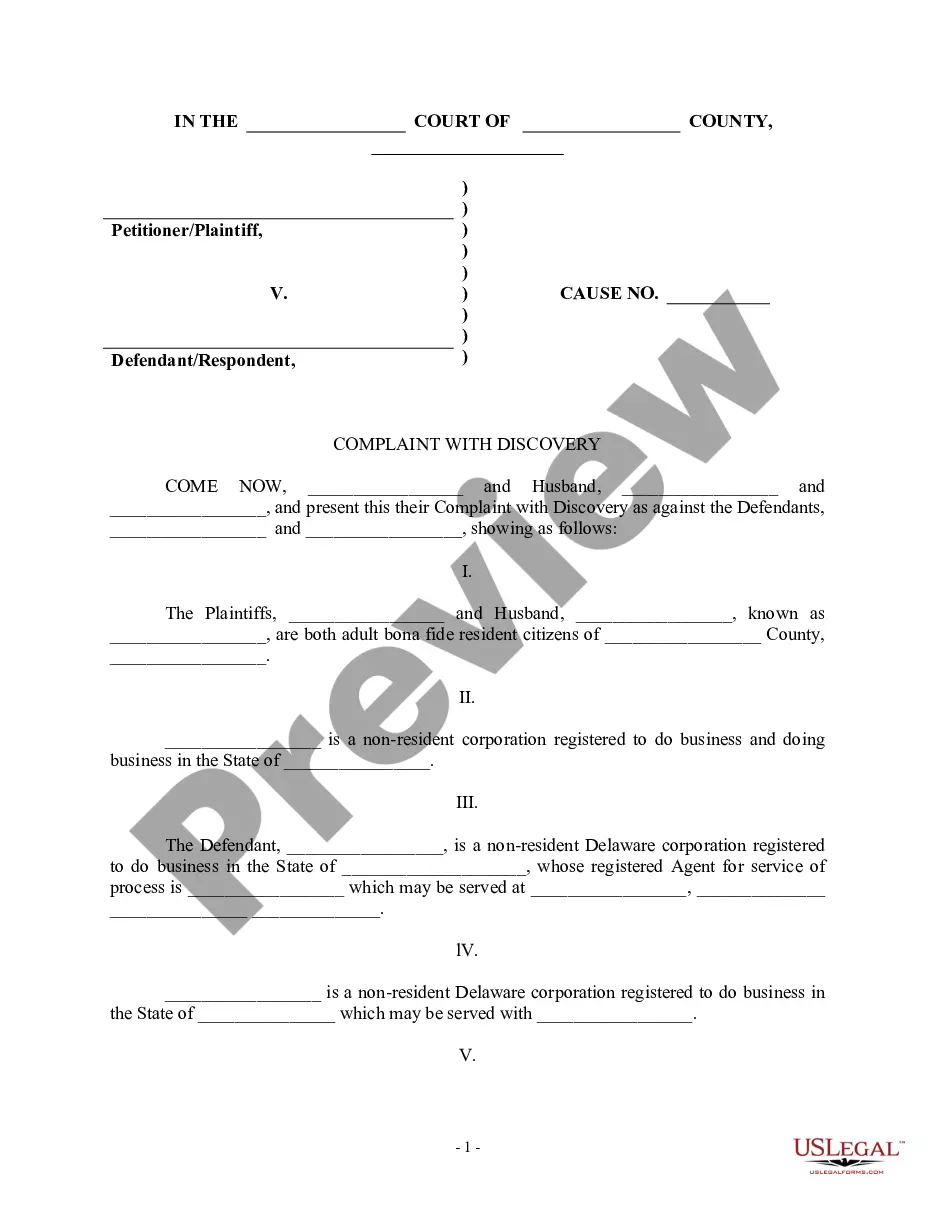
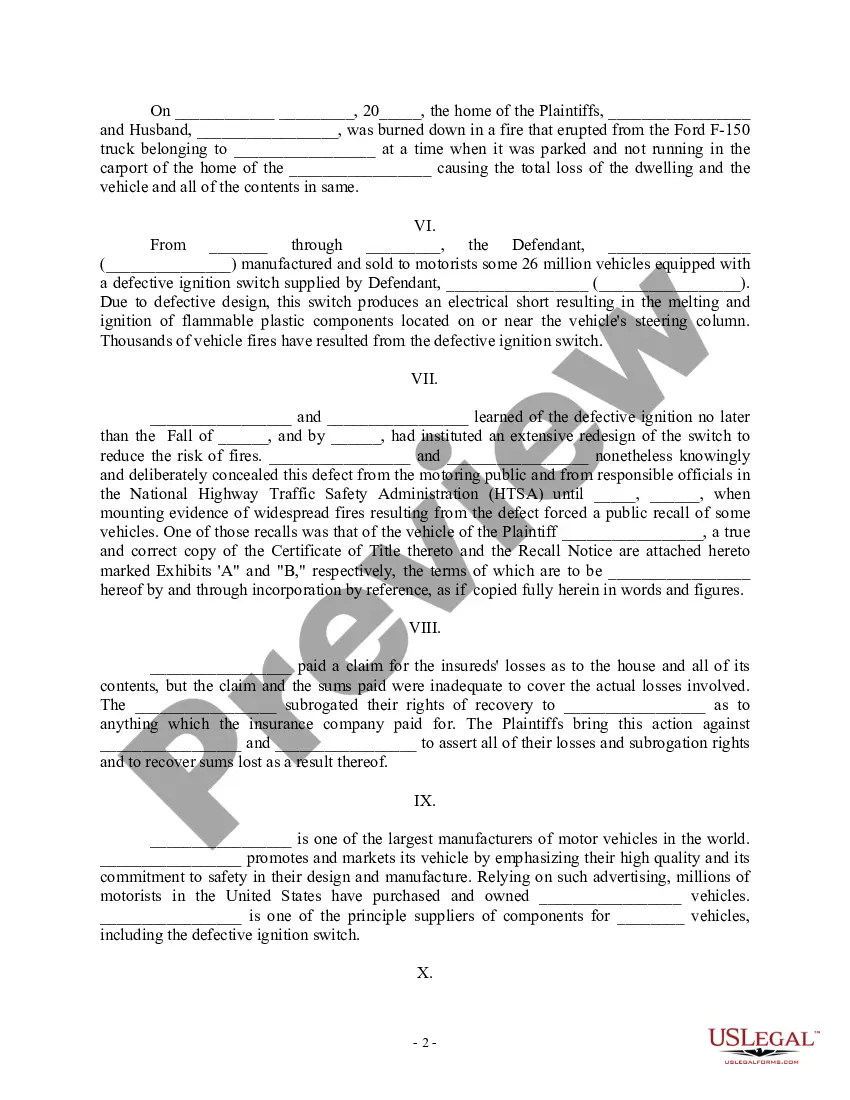
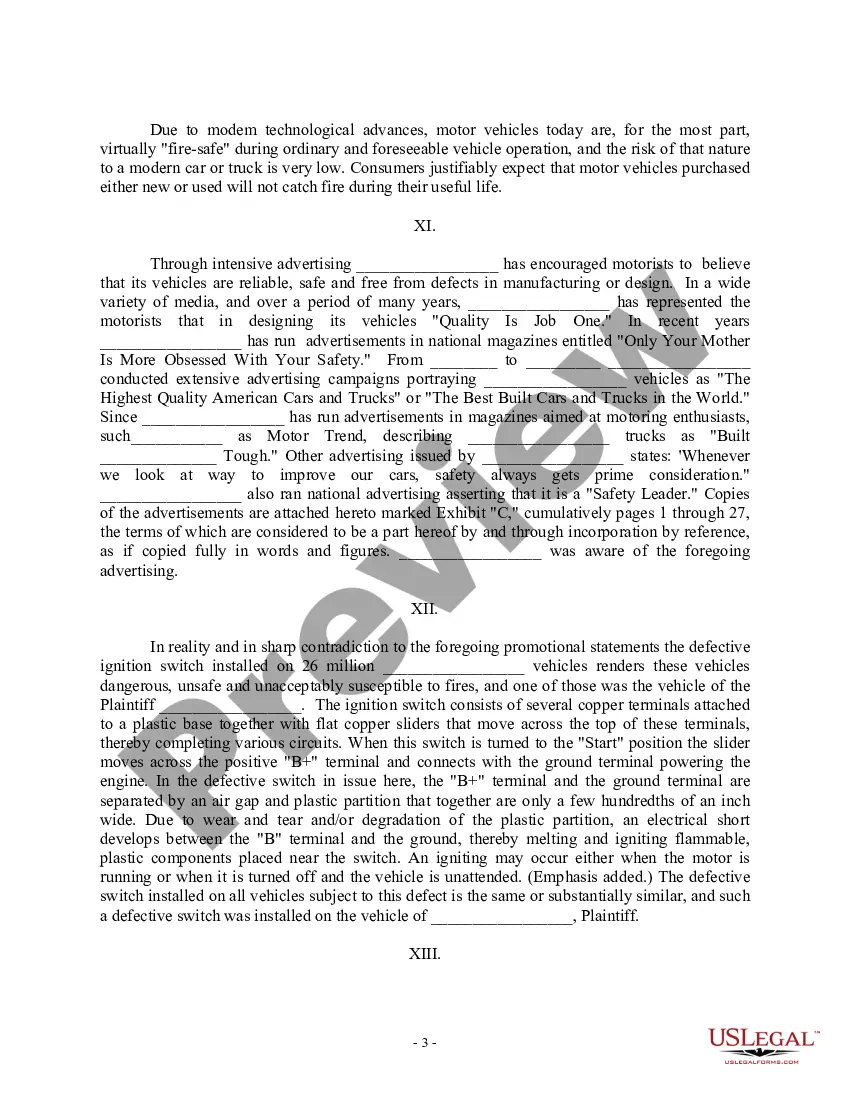
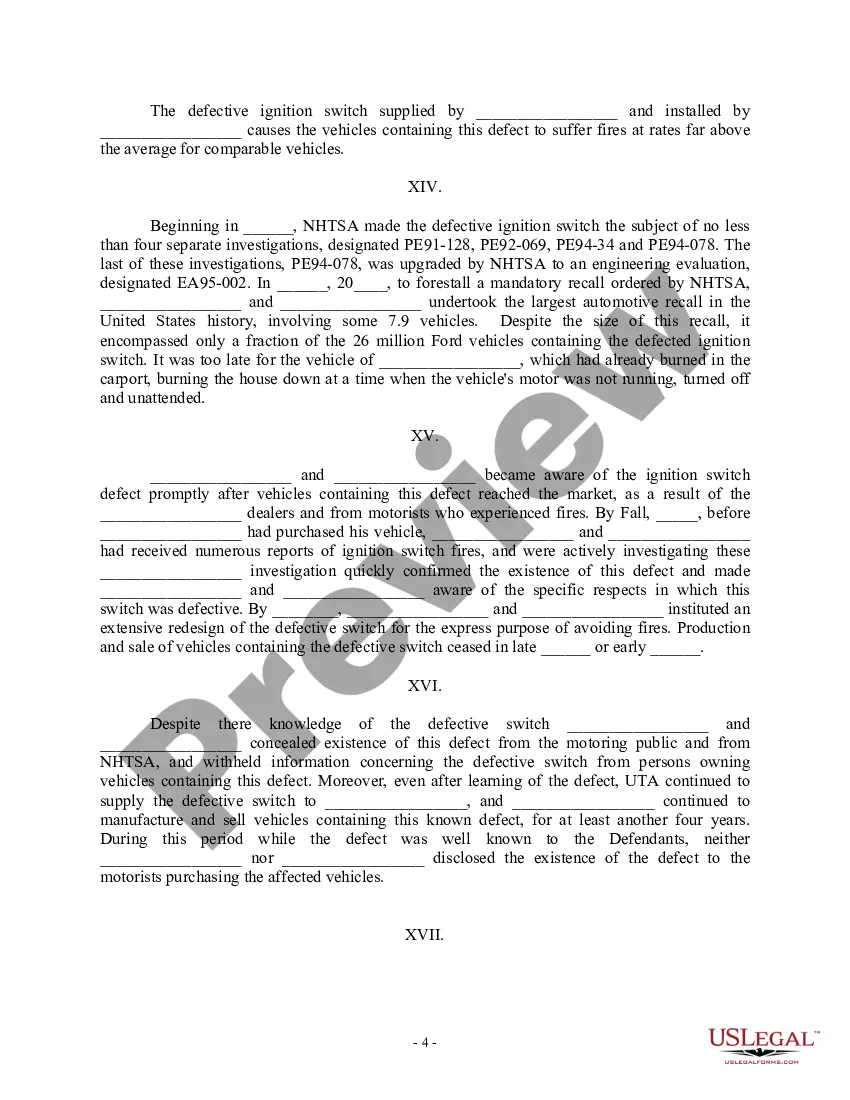
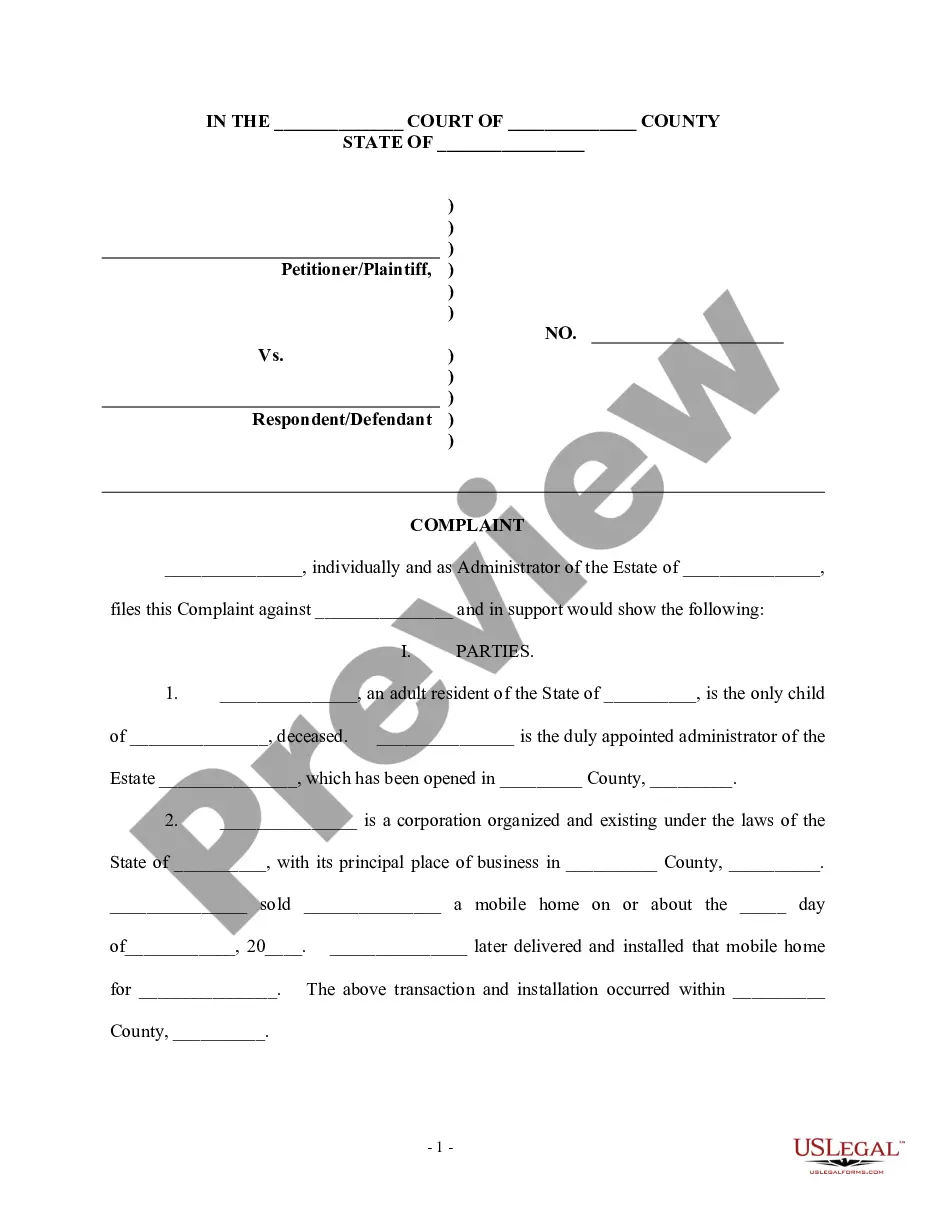
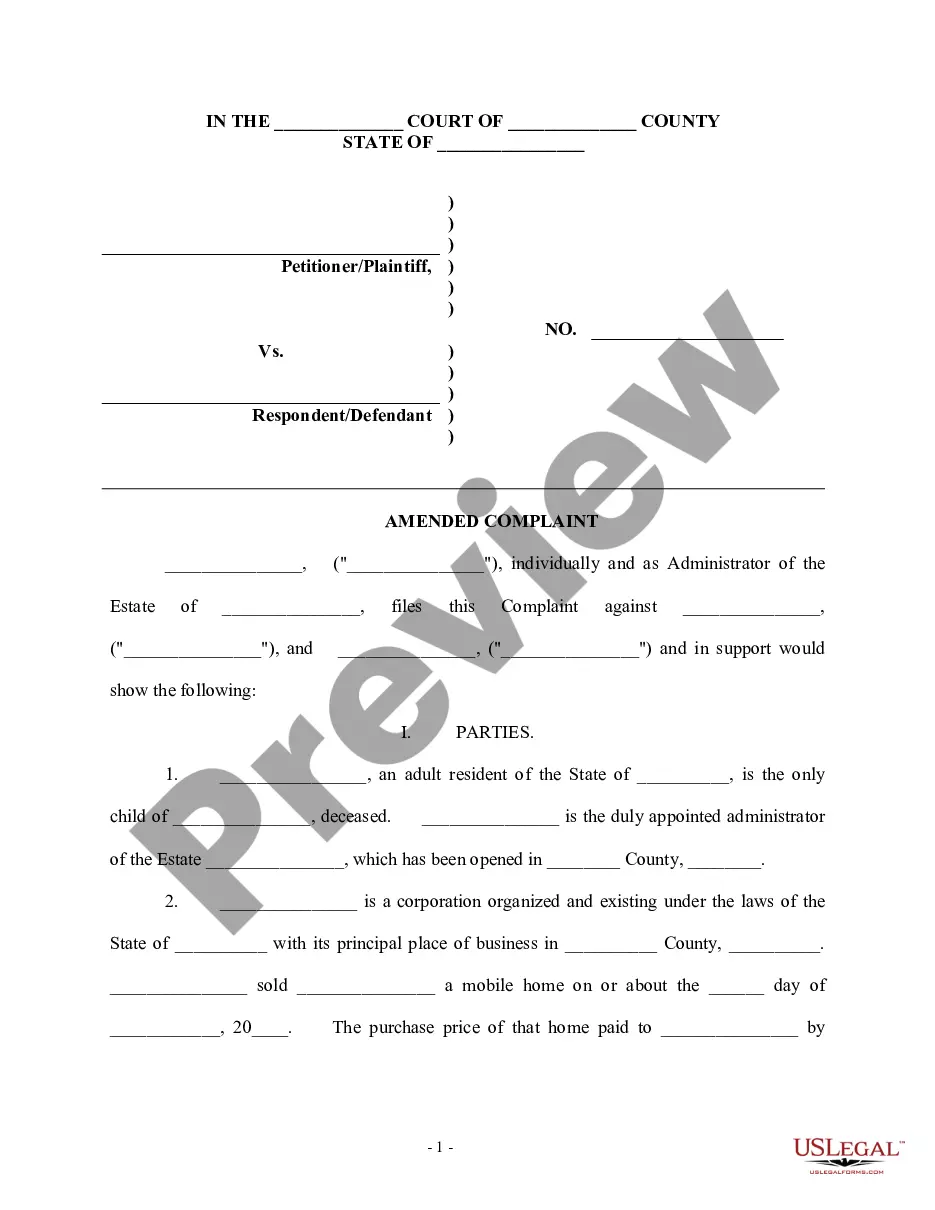
Get your form ready online
Our built-in tools help you complete, sign, share, and store your documents in one place.
Make edits, fill in missing information, and update formatting in US Legal Forms—just like you would in MS Word.
Download a copy, print it, send it by email, or mail it via USPS—whatever works best for your next step.
Sign and collect signatures with our SignNow integration. Send to multiple recipients, set reminders, and more. Go Premium to unlock E-Sign.
If this form requires notarization, complete it online through a secure video call—no need to meet a notary in person or wait for an appointment.
We protect your documents and personal data by following strict security and privacy standards.

Make edits, fill in missing information, and update formatting in US Legal Forms—just like you would in MS Word.

Download a copy, print it, send it by email, or mail it via USPS—whatever works best for your next step.

Sign and collect signatures with our SignNow integration. Send to multiple recipients, set reminders, and more. Go Premium to unlock E-Sign.

If this form requires notarization, complete it online through a secure video call—no need to meet a notary in person or wait for an appointment.

We protect your documents and personal data by following strict security and privacy standards.
Looking for another form?
Form popularity
FAQ
Negligence theory in products liability is most useful in two types of cases: defective design and defective warnings.
(1) In such case as a defect in a product causes a person's death, injury to his or her body or damage to his or her health, or damage to an item of property, the producer of the product has an obligation to compensate the injured person for the resulting damage.
North Carolina General Statute § 99B-1.1 specifically states that there is no strict liability in product liability actions. In other words, a manufacturer is not automatically liable when one of its products injures a person.
Product liability is a doctrine that gives plaintiffs a cause of action if they encounter a defective consumer item. This doctrine can fall under negligence, but it is generally associated with strict liability, meaning that defendants can be held liable regardless of their intent or knowledge.
Product liability insurance helps protect your business from claims that a product you made or sold caused bodily injury or property damage to someone else's belongings. An insurance company may offer this coverage as a standalone policy, but we include it as part of your general liability insurance.
Generally, to prove product liability you must prove that an inherent defect or misinformation within the product caused the damages claimed. In other words, the plaintiff must prove that the product was inherently defective and that the defect in the product has caused injury or damage.
With regard to products liability, a defendant is liable when the plaintiff proves that the product is defective, regardless of the defendant's intent. It is irrelevant whether the manufacturer or supplier exercised great care; if there is a defect in the product that causes harm, he or she will be liable for it.
If a conscientious company has discovered a defect with one of its products, it may issue a product recall. Through the recall, they accept the financial burden of replacing, fixing, or reimbursing consumers for the defective goods.