Product Defect Meaning In Los Angeles
Description
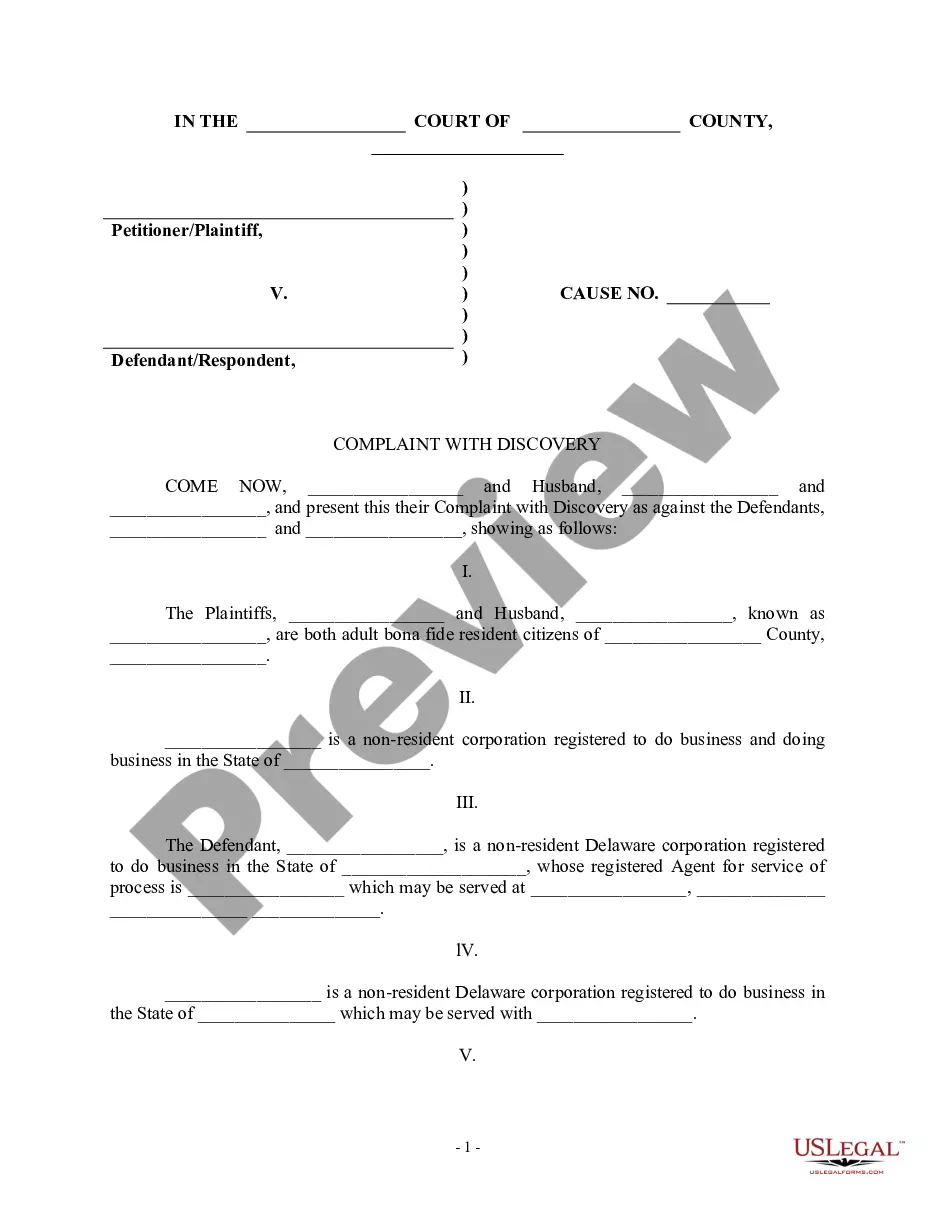
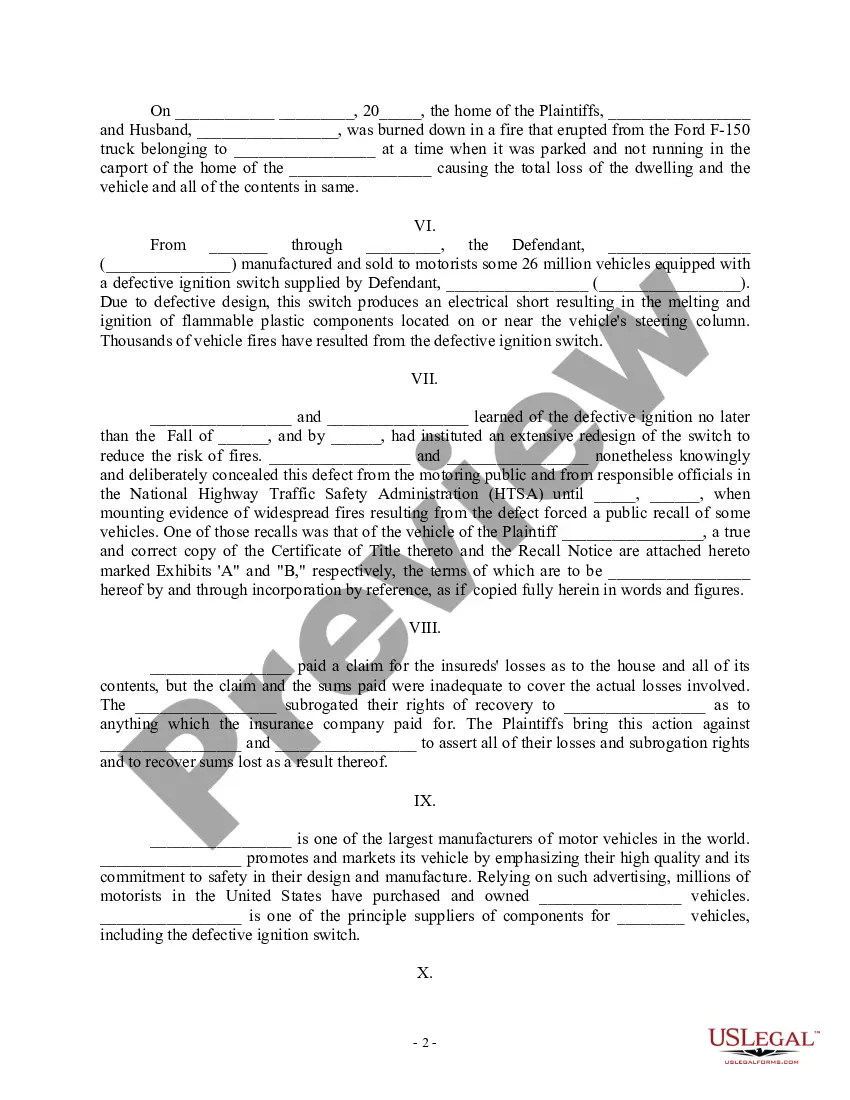
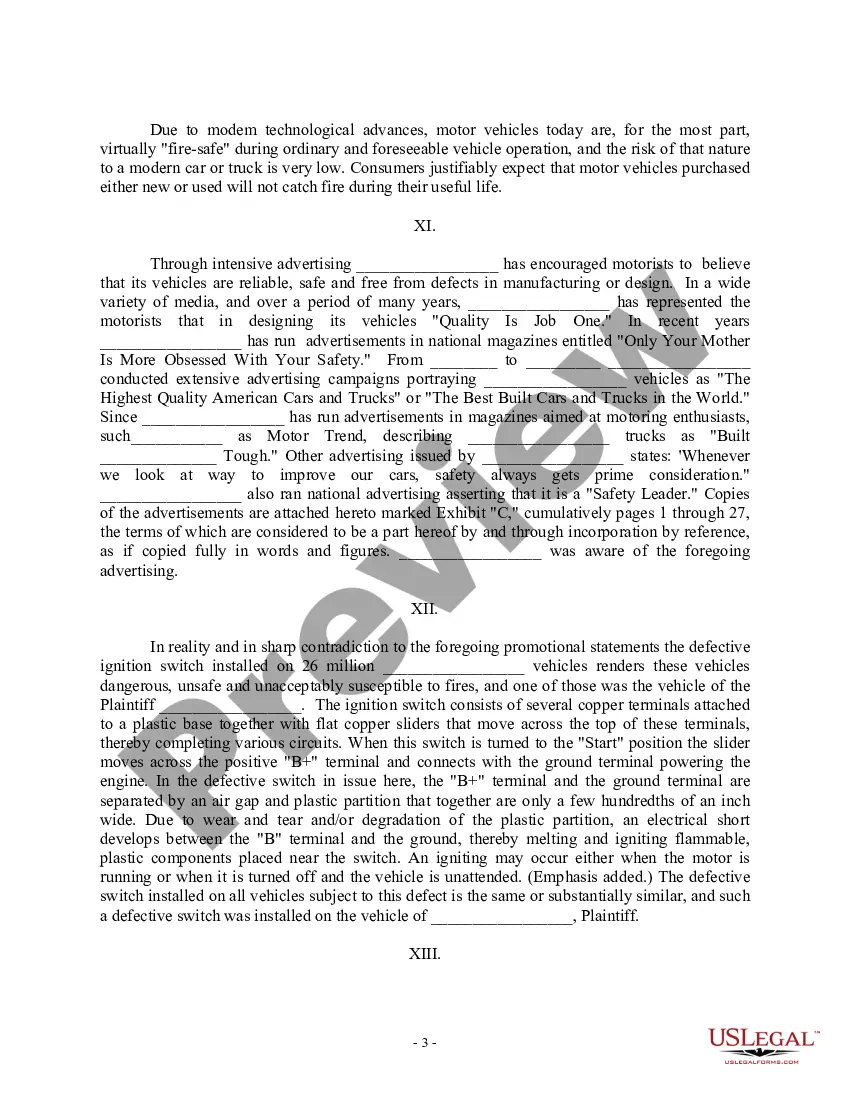
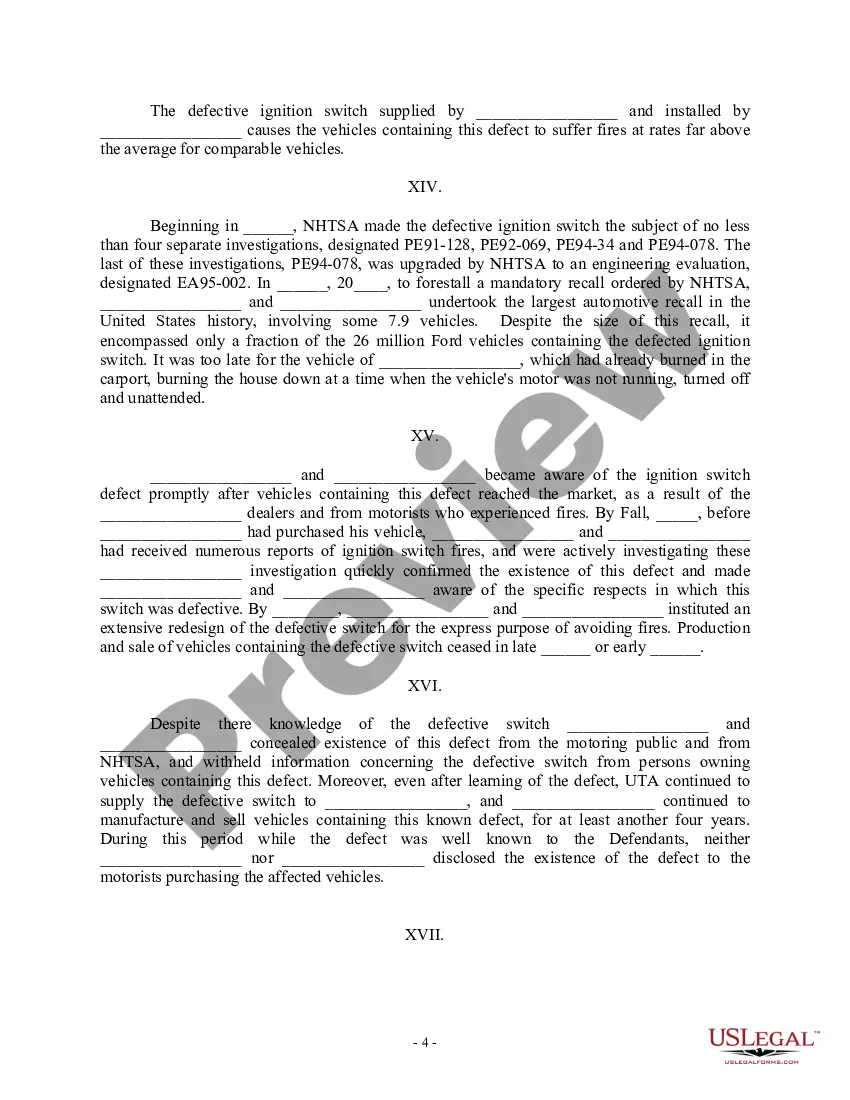

Get your form ready online
Our built-in tools help you complete, sign, share, and store your documents in one place.
Make edits, fill in missing information, and update formatting in US Legal Forms—just like you would in MS Word.
Download a copy, print it, send it by email, or mail it via USPS—whatever works best for your next step.
Sign and collect signatures with our SignNow integration. Send to multiple recipients, set reminders, and more. Go Premium to unlock E-Sign.
If this form requires notarization, complete it online through a secure video call—no need to meet a notary in person or wait for an appointment.
We protect your documents and personal data by following strict security and privacy standards.

Make edits, fill in missing information, and update formatting in US Legal Forms—just like you would in MS Word.

Download a copy, print it, send it by email, or mail it via USPS—whatever works best for your next step.

Sign and collect signatures with our SignNow integration. Send to multiple recipients, set reminders, and more. Go Premium to unlock E-Sign.

If this form requires notarization, complete it online through a secure video call—no need to meet a notary in person or wait for an appointment.

We protect your documents and personal data by following strict security and privacy standards.
Looking for another form?


Form popularity
FAQ
A product defect is any characteristic of a product which hinders its usability for the purpose for which it was designed and manufactured. Product defects arise most prominently in legal contexts regarding product safety, where the term is applied to "anything that renders the product not reasonably safe".
Some examples of manufacturing defects include: Using the wrong materials when constructing a product, including screws, bolts, and fasteners. Erroneously assembling materials and parts. Incorrectly installing wires and circuitry. Using harmful chemicals during the production process.
Products Liability Law Product liability refers to a manufacturer or seller being held liable for placing a defective product into the hands of a consumer. Responsibility for a product defect that causes injury lies with all sellers of the product who are in the distribution chain.
Difference between a Defect and a Bug But if the issue identified in the development environment means before moving the software to production is called a bug. Once the software is in production, any issue identified by the end users is called a defect stating it as defective software.
What Is a Product Defect? When a product is defective, it means that the product has some kind of flaw or problem that makes it unreasonably dangerous to use. A product may be defective because of poor design, manufacturing errors, or a failure to warn consumers about potential dangers.
To successfully sue for a defective product, you need to prove that: The defendant designed, manufactured, distributed or sold a defective product to the consumer. The consumer used reasonable care when using the product. The consumer was injured due to the defect in the product.
Product liability is one part of tort law that holds companies accountable for a defective product when it causes harm to another person. The defect is often the result of negligence when designing, making, and selling a product. Successful product liability claims rest on showing that: The company acted negligently.
There are three types of product defects: design defects, manufacturing defects, and warning/instruction defects. All three types of defects have to do with a product being faulty or inadequate in some way.
The Top 5 Common Warning Signs of a Defective Product There are unusual or unexpected malfunctions. Recalls or safety alerts have been released. There is an increased risk of injuries or illnesses. A lack of clear instructions or warnings exists on the labeling. Unexpected or severe adverse effects occur after use.