Patent Infringement In China In Wake
Description

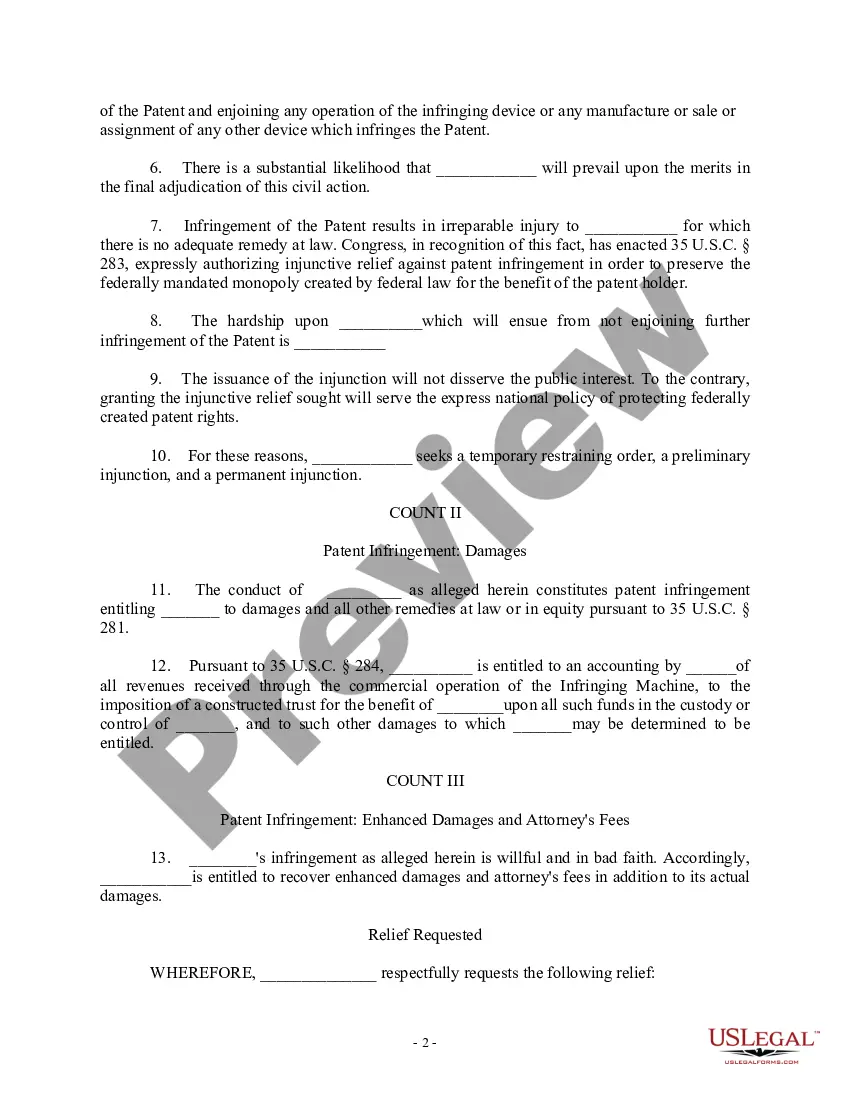
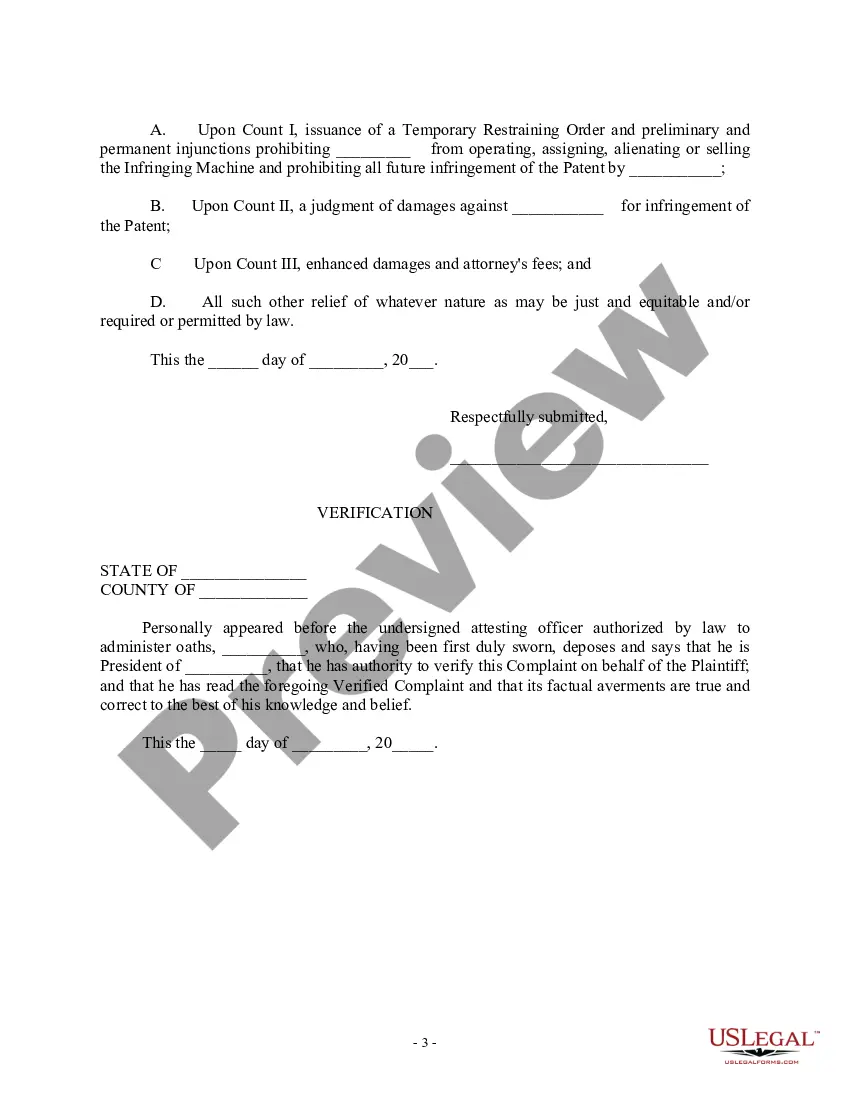
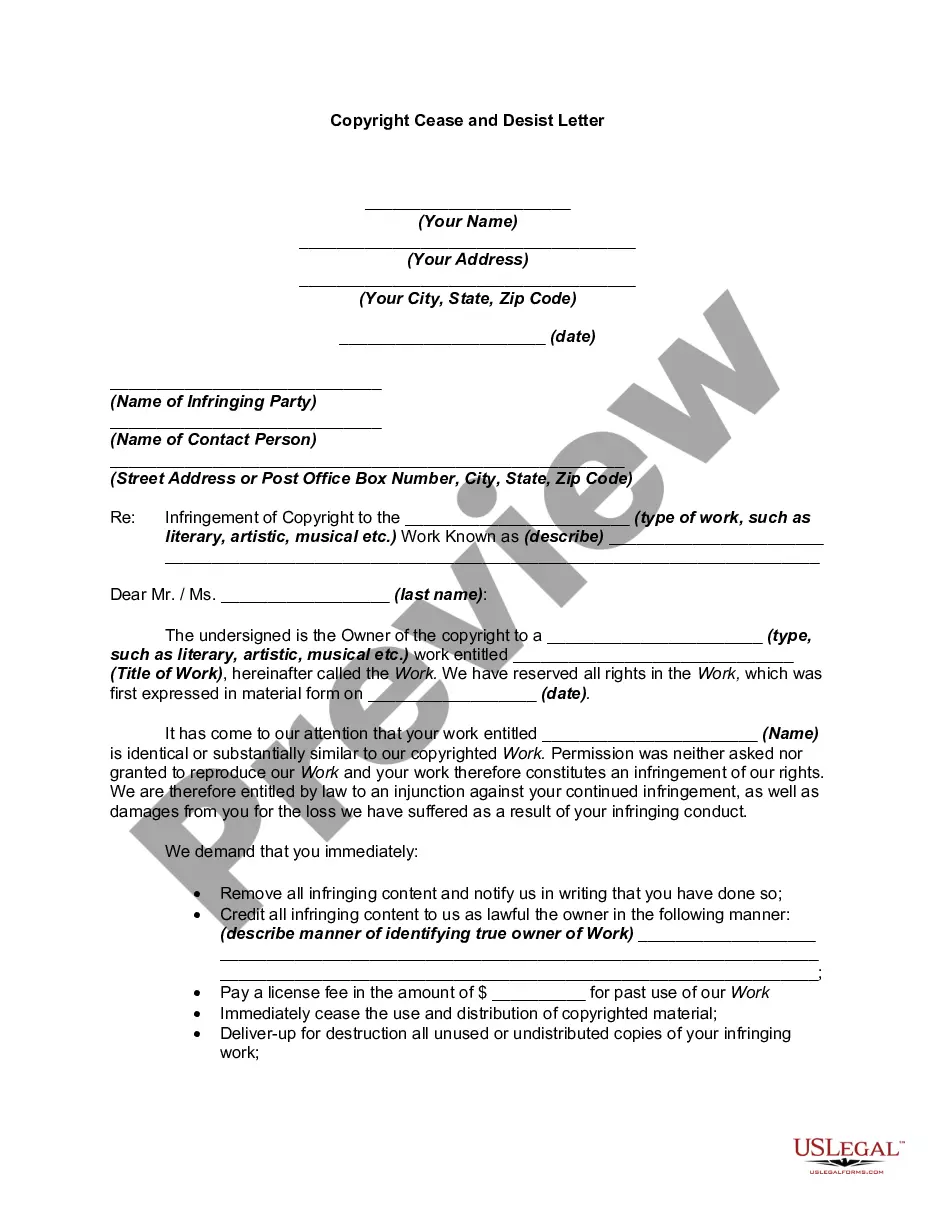
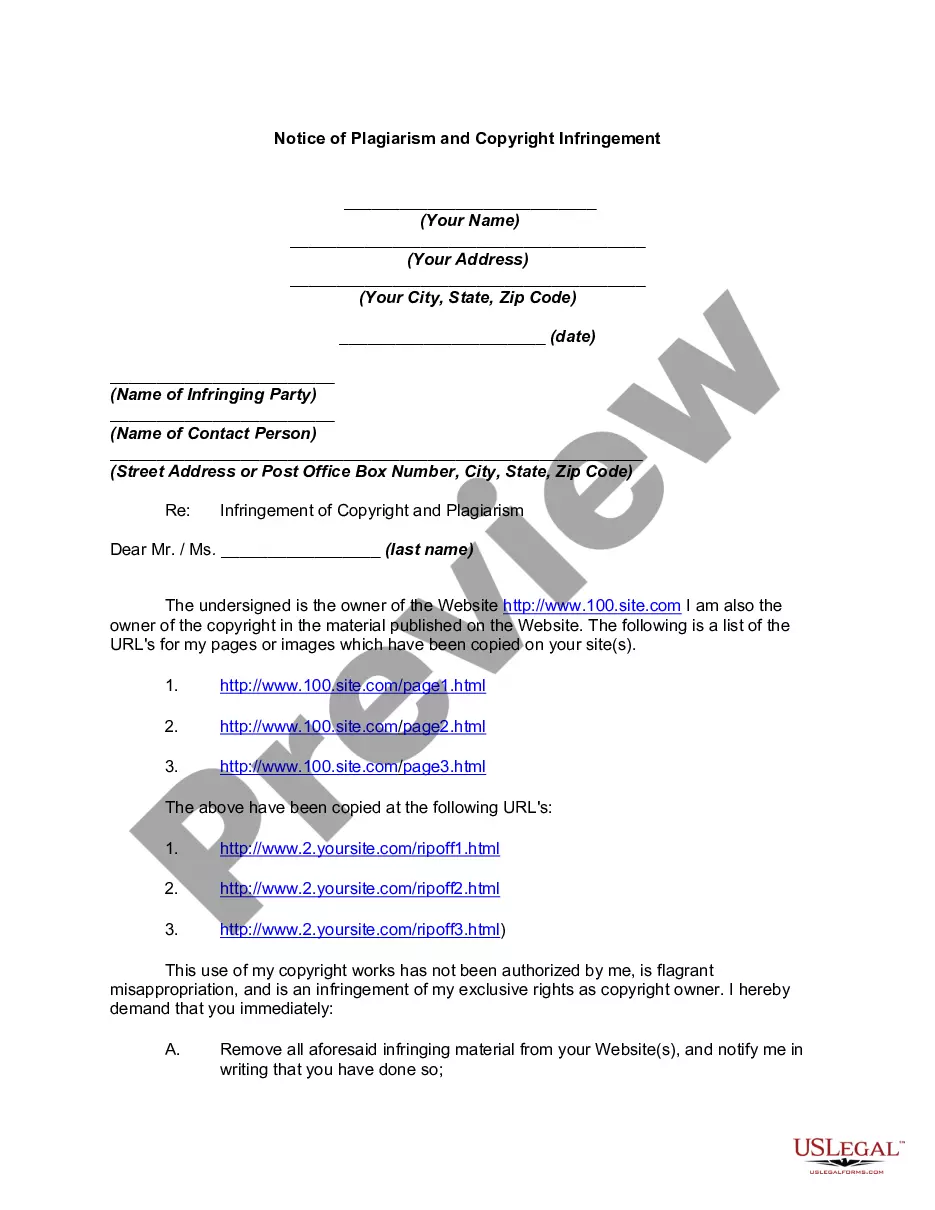
Get your form ready online
Our built-in tools help you complete, sign, share, and store your documents in one place.
Make edits, fill in missing information, and update formatting in US Legal Forms—just like you would in MS Word.
Download a copy, print it, send it by email, or mail it via USPS—whatever works best for your next step.
Sign and collect signatures with our SignNow integration. Send to multiple recipients, set reminders, and more. Go Premium to unlock E-Sign.
If this form requires notarization, complete it online through a secure video call—no need to meet a notary in person or wait for an appointment.
We protect your documents and personal data by following strict security and privacy standards.

Make edits, fill in missing information, and update formatting in US Legal Forms—just like you would in MS Word.

Download a copy, print it, send it by email, or mail it via USPS—whatever works best for your next step.

Sign and collect signatures with our SignNow integration. Send to multiple recipients, set reminders, and more. Go Premium to unlock E-Sign.

If this form requires notarization, complete it online through a secure video call—no need to meet a notary in person or wait for an appointment.

We protect your documents and personal data by following strict security and privacy standards.
Looking for another form?





Form popularity
FAQ
China copyright law is not all that different from US or EU copyright law. Basically, in China, copyrights arise as soon as an original work is created, even (in most cases) if the work has been created outside China.
Article 241 of the 4th amendment of the Chinese patent law introduced a 6-Month Grace Period for disclosures made during emergency/extraordinary situations.
Intellectual property rights (IPRs) have been acknowledged and protected in China since 1980. China has acceded to the major international conventions on protection of rights to intellectual property.
Allegations of IP theft and the prevalence of counterfeit goods are still reported, with many counterfeit items seized globally tracing back to China. This situation underscores the complex challenges in enforcing IP laws within the country.
The idea of copyright or IP protections are completely foreign to these citizens. As a result, while China does have IP laws, it is difficult to enforce by virtue of the sheer overwhelming size of their population.
Article 33 An applicant may amend his patent application documents, provided that the amendment to the invention or utility model patent application documents does not exceed the scope specified in the original written descriptions and claims, or that the amendment to the design patent application documents does not ...
Examination proceeding for inventions includes five stages, namely receiving, preliminary examination, publication, substantive examination, and grant.
It is a negotiating process between the inventor (represented by an expert patent attorney) and the USPTO, usually centering on whether or not the invention is "non-obvious."
How long does it take to get a Patent in China? In Mainland China, it takes about 6 months from the filing of a patent application to get a Design patent, 6-8 months to get a Utility Model Patent, and 2-5 years to get an Invention patent.
An application for invention patent shall go through five phases, i.e., acceptance, preliminary examination, publication, substantive examination and granting. At present, the examination period for utility model takes 8 to 10 months and about 6 months for designs.