Patent Withdrawn In Travis
Description

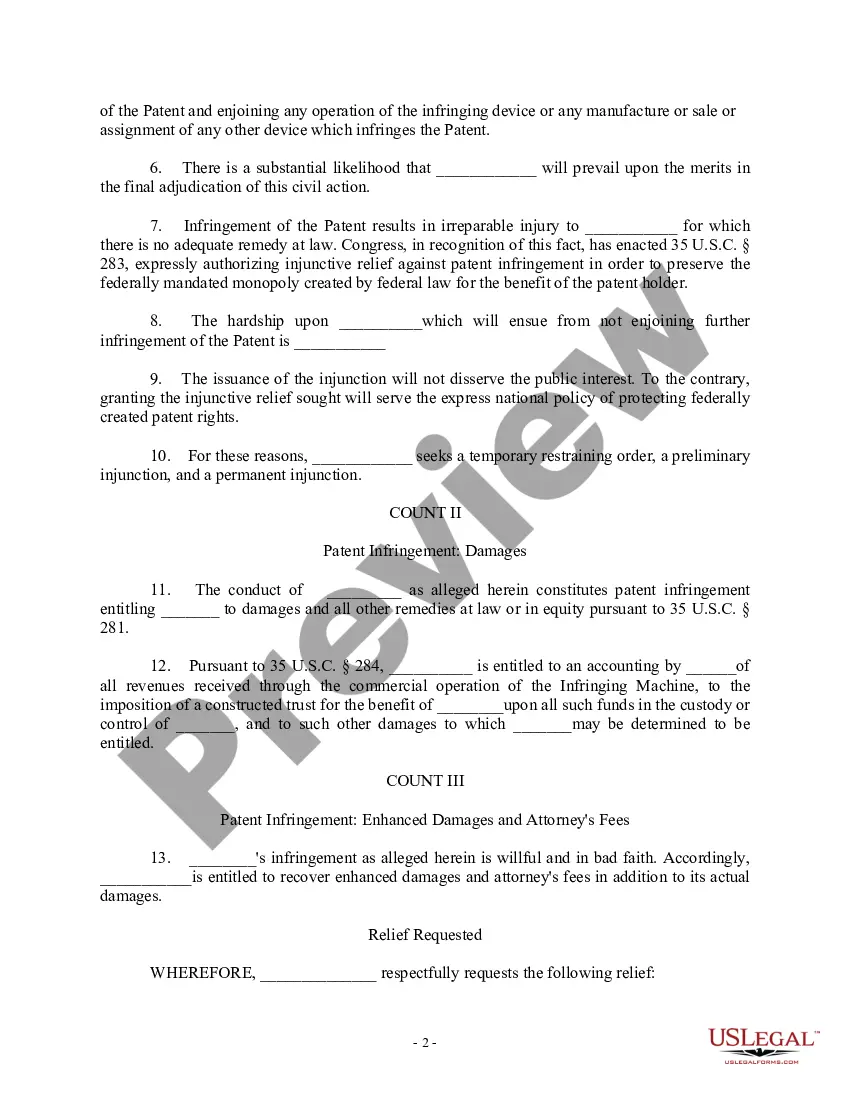
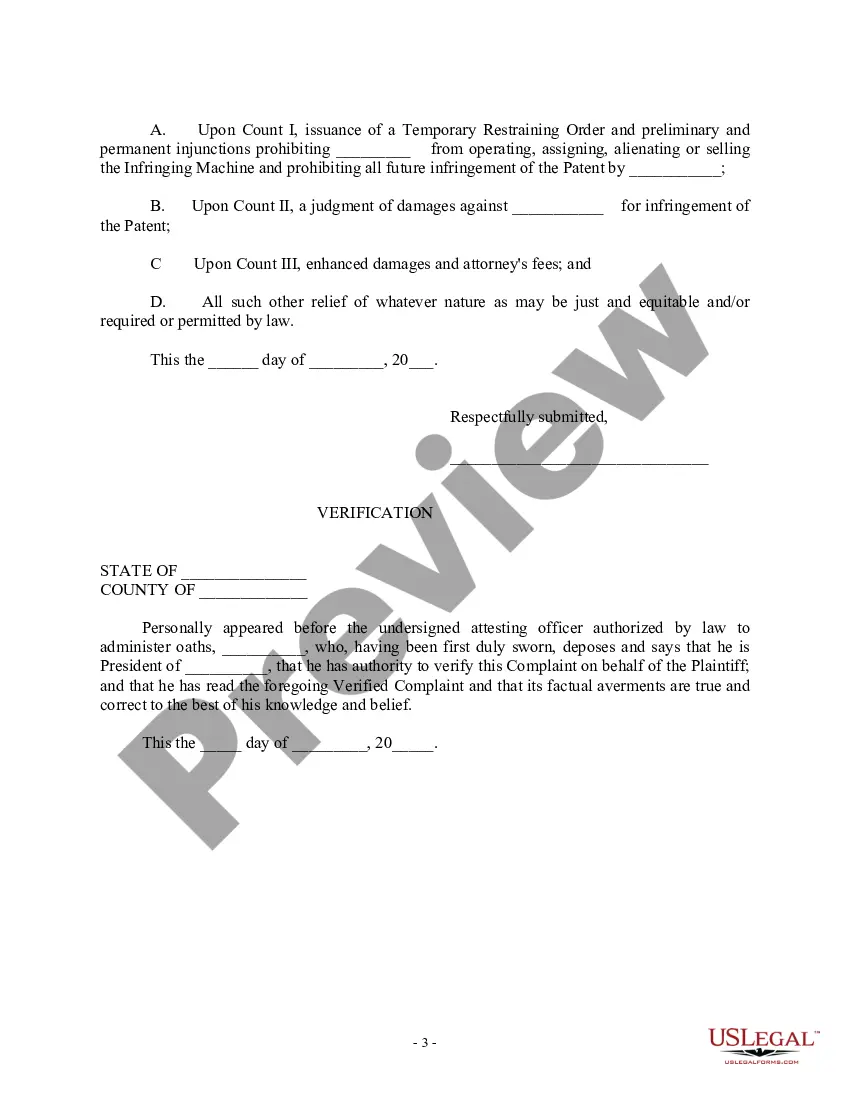
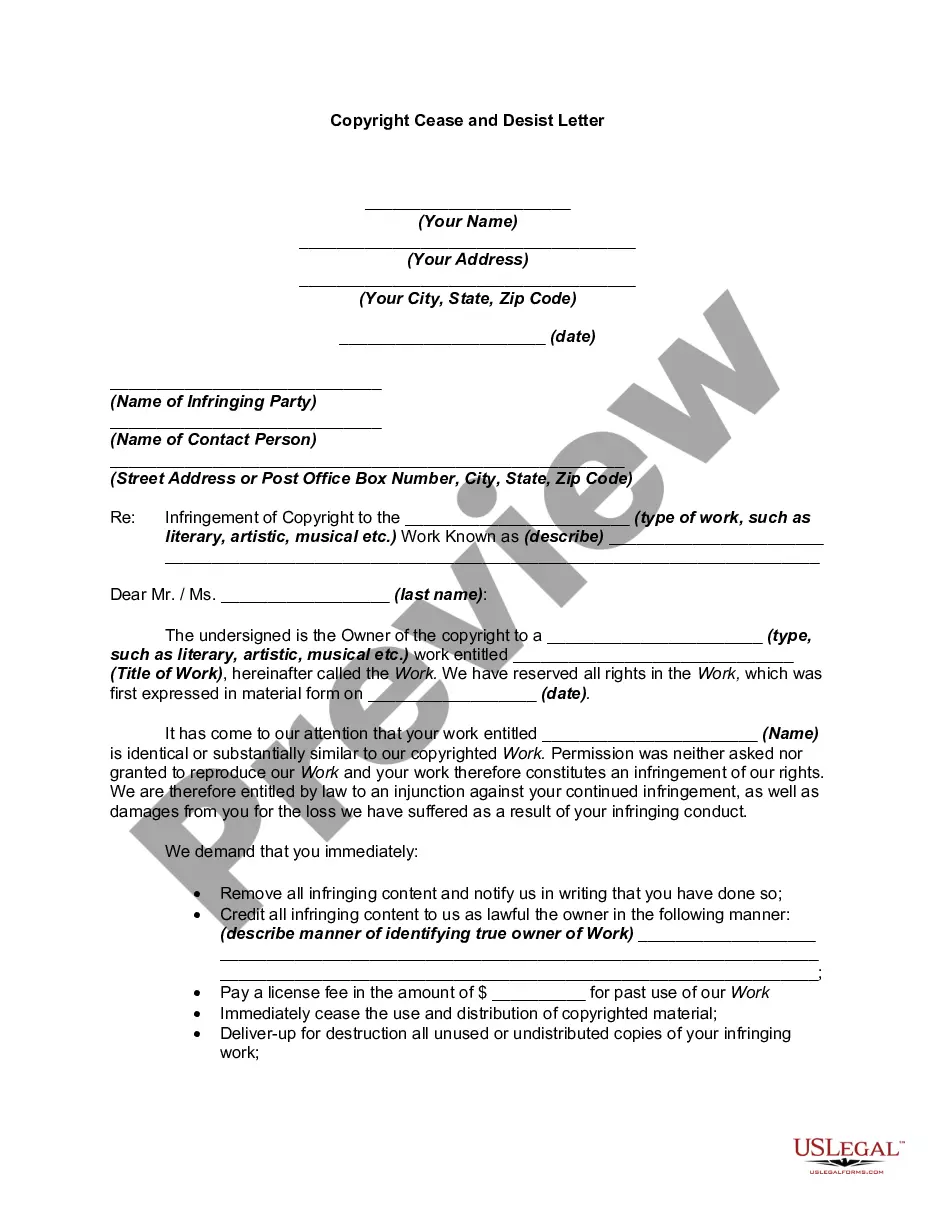
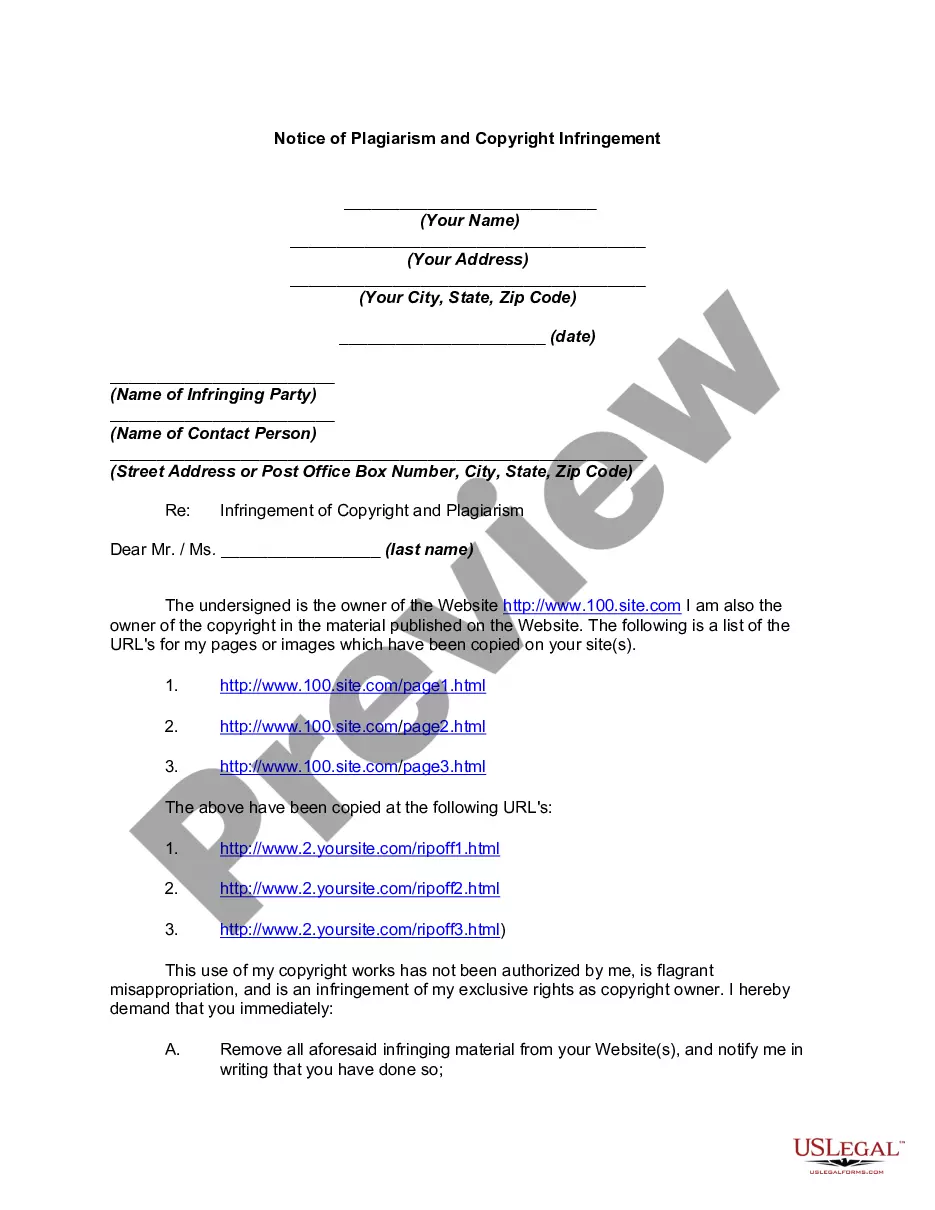
Get your form ready online
Our built-in tools help you complete, sign, share, and store your documents in one place.
Make edits, fill in missing information, and update formatting in US Legal Forms—just like you would in MS Word.
Download a copy, print it, send it by email, or mail it via USPS—whatever works best for your next step.
Sign and collect signatures with our SignNow integration. Send to multiple recipients, set reminders, and more. Go Premium to unlock E-Sign.
If this form requires notarization, complete it online through a secure video call—no need to meet a notary in person or wait for an appointment.
We protect your documents and personal data by following strict security and privacy standards.

Make edits, fill in missing information, and update formatting in US Legal Forms—just like you would in MS Word.

Download a copy, print it, send it by email, or mail it via USPS—whatever works best for your next step.

Sign and collect signatures with our SignNow integration. Send to multiple recipients, set reminders, and more. Go Premium to unlock E-Sign.

If this form requires notarization, complete it online through a secure video call—no need to meet a notary in person or wait for an appointment.

We protect your documents and personal data by following strict security and privacy standards.
Looking for another form?






Form popularity
FAQ
The Process of Patent Withdrawal If the request meets the necessary criteria, the patent will be officially withdrawn, and the applicant will lose any rights associated with the patent. It is important to note that the withdrawal of a patent application does not necessarily mean the end of the inventor's journey.
Patent revocation is typically based on factors such as non-fulfillment of patent eligibility requirements, evidence of ineligibility, fraudulent acquisition, or violations of patent law.
As per section 66 of the Patents Act, where the Central Government is of opinion that a patent or the mode in which it is exercised is mischievous to the State or prejudicial to the public, the patent may be revoked.
To get a patent revoked you effectively need to show that it should never have been granted in the first place. The most common reasons are that the patented invention was not new when the patent applica- tion was filed, or was obvious (i.e. no inventive step).
File your petition to revive no later than two months after the issue date of your Notice of Abandonment. If you didn't receive the Notice of Abandonment, file your petition within two months of learning of the abandonment and no later than six months after the abandonment date in TSDR.
The act states that a patent can be invalidated on the grounds of lack of novelty, lack of inventive step, obviousness, insufficiency, or bad faith. A patent can also be invalidated if the subject matter is not patentable, meaning it is not new, or if it does not meet the requirements of the act.
The other grounds for invalidity are: (i) the patent does not cover a patentable subject matter; (ii) the patent does not disclose the invention in a manner sufficiently clear and complete for it to be carried out by any person skilled in the art; (iii) the patent is contrary to public order or morality; (iv) the ...
The party initially responsible for preparation, filing, prosecution and maintenance of a particular Patent (the "Initial Responsible Party") shall give thirty (30) days advance notice (the "Discontinuance Election") to the other party of any decision to cease preparation, filing, prosecution and maintenance of that ...
At a time when the patent ceases to have effect, the patent owner will not be able to enforce the patent. Further, even if the patent is restored, one cannot be held liable for infringement during the period in which the patent had ceased to have effect.
