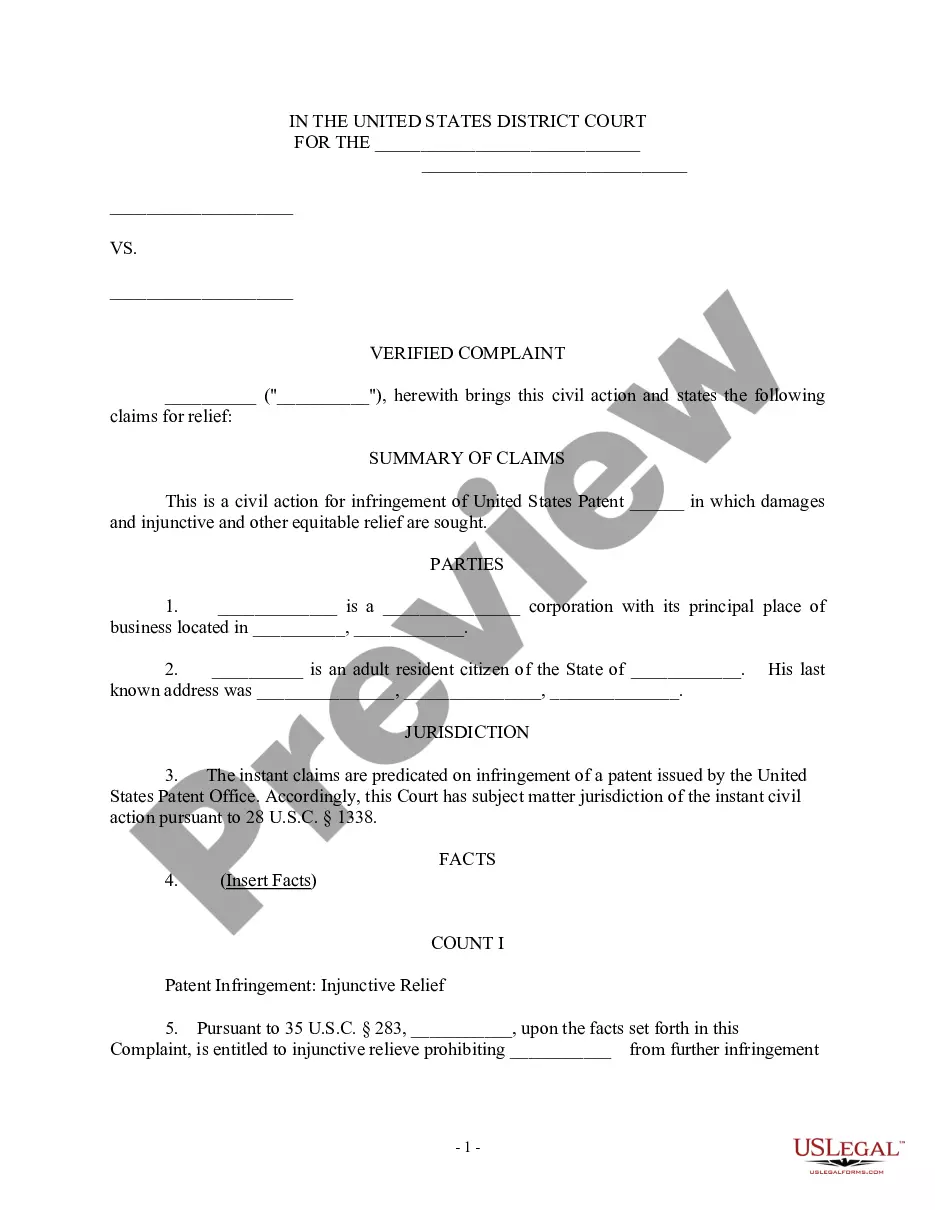
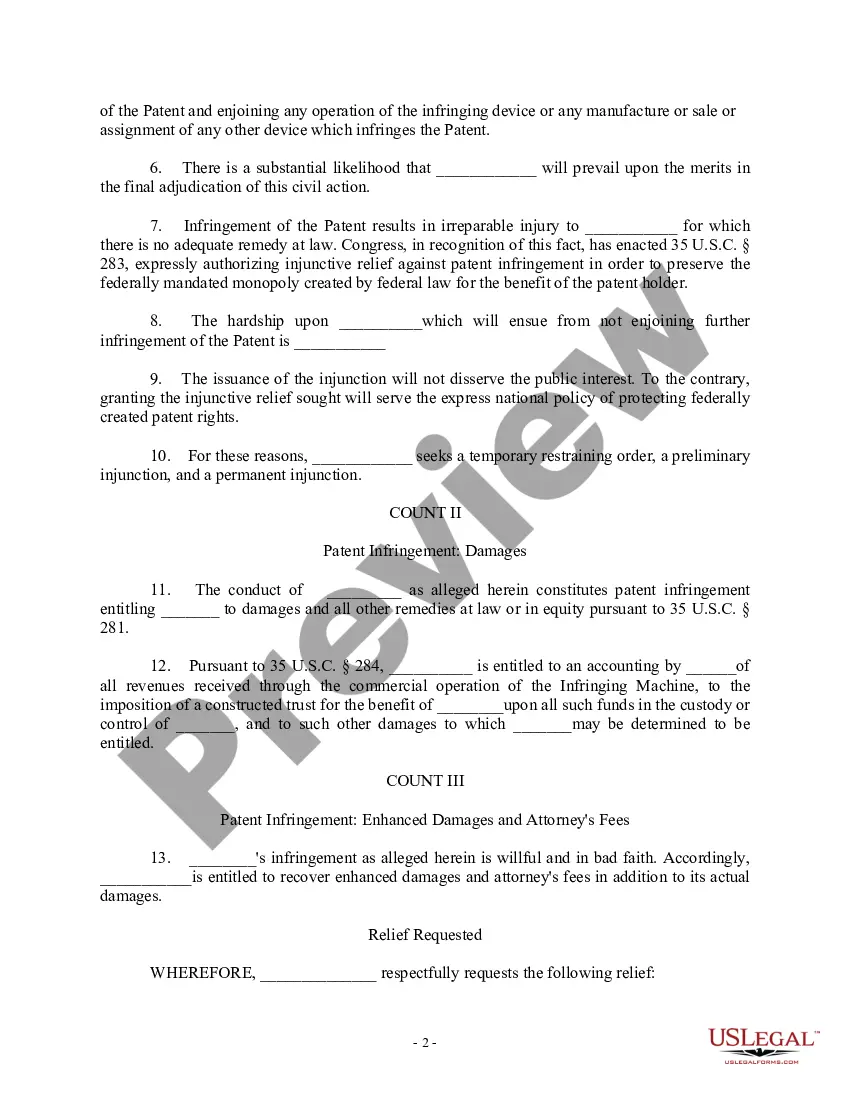
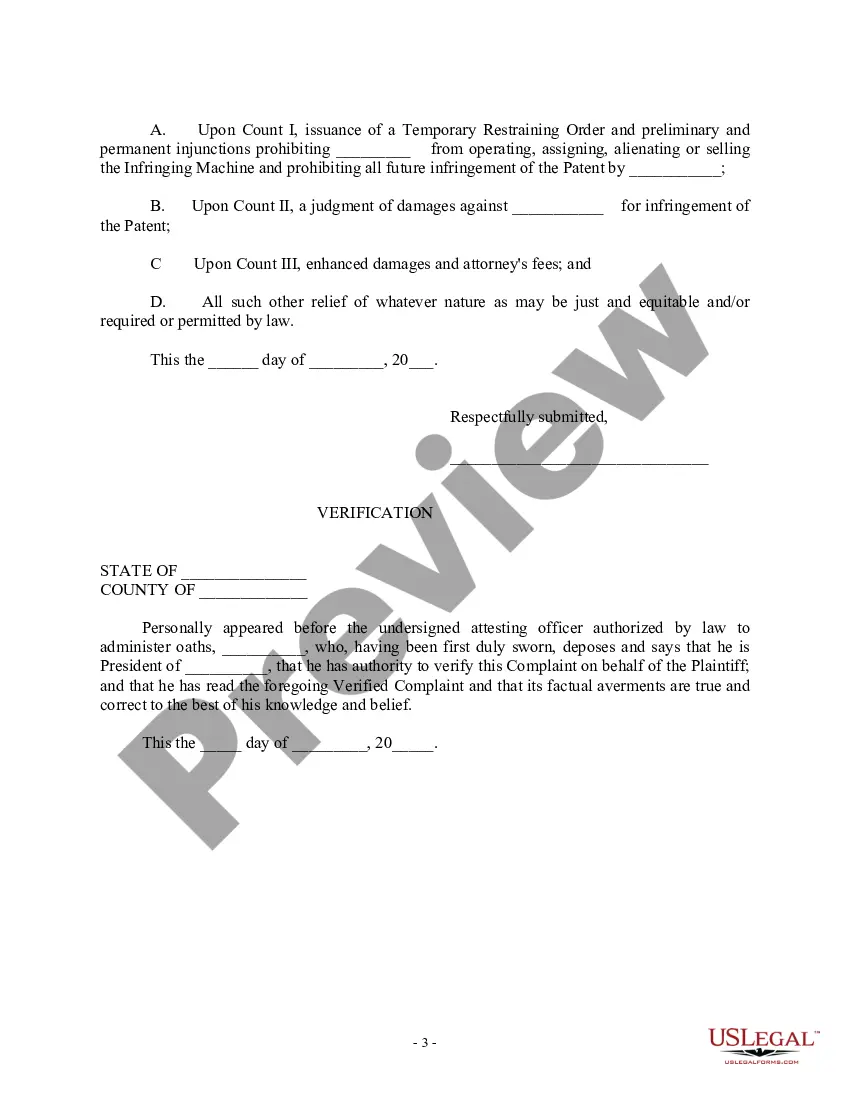
Patent Foramina In Pima
Description
Get your form ready online
Our built-in tools help you complete, sign, share, and store your documents in one place.
Make edits, fill in missing information, and update formatting in US Legal Forms—just like you would in MS Word.
Download a copy, print it, send it by email, or mail it via USPS—whatever works best for your next step.
Sign and collect signatures with our SignNow integration. Send to multiple recipients, set reminders, and more. Go Premium to unlock E-Sign.
If this form requires notarization, complete it online through a secure video call—no need to meet a notary in person or wait for an appointment.
We protect your documents and personal data by following strict security and privacy standards.

Make edits, fill in missing information, and update formatting in US Legal Forms—just like you would in MS Word.

Download a copy, print it, send it by email, or mail it via USPS—whatever works best for your next step.

Sign and collect signatures with our SignNow integration. Send to multiple recipients, set reminders, and more. Go Premium to unlock E-Sign.

If this form requires notarization, complete it online through a secure video call—no need to meet a notary in person or wait for an appointment.

We protect your documents and personal data by following strict security and privacy standards.
Looking for another form?




Form popularity
FAQ
The five primary requirements for patentability are: (1) patentable subject matter; (2) utility; (3) novelty; (4) non-obviousness; and (5) enablement. Like trademarks, patents are territorial, meaning they are enforceable in a specific geographic area.
To obtain patent protection, inventors must file a detailed and specific application with claims about their invention. A USPTO examiner will review the application, often sending back non-final actions that require further clarification or amendments before approval can be granted.
Patent applications: the three criteria Novelty. This means that your invention must not have been made public – not even by yourself – before the date of the application. Inventive step. This means that your product or process must be an inventive solution. Industrial applicability.
The Patent Process Determine the type of intellectual property you need. Determine if your invention is patentable. Determine what kind of patent you need. Get ready to apply. Submit your application. Work with your examiner. Receive your approval. Maintain your patent.
Here is the procedure on how to apply for patent in India: STEP 1: Invention Disclosure. STEP 2: Patentability Search. STEP 3: Filing an Application for a Patent. STEP 4: Patent Drafting. STEP 5: Filing the Patent Application. STEP 6: Request for Examination. STEP 7: Responding to Objections (if any) ... STEP 8: Grant of Patent.
If you are filing a patent in the US, the law does not require you to have a patent agent or attorney. That said. A patent application is not easy to draft without significant training.
Here is the procedure on how to apply for patent in India: STEP 1: Invention Disclosure. STEP 2: Patentability Search. STEP 3: Filing an Application for a Patent. STEP 4: Patent Drafting. STEP 5: Filing the Patent Application. STEP 6: Request for Examination. STEP 7: Responding to Objections (if any) ... STEP 8: Grant of Patent.
Jurisdiction for Patent Litigation matters in India As per Section 104, a person filing a suit for infringement of patent or for declaration under Section 105 or seeking any relief under Section 106, shall do so in a “district court” having jurisdiction to try the suit.
If a patent holder believes that another party has infringed upon their patent and chooses to litigate, they will file a civil lawsuit in a U.S. district court.
The steps to file a patent includes prior art search; filing of the application; publication of application; request for examination; response to objections and subsequently grant of patent.