Patent Without Stenosis In Montgomery
Description

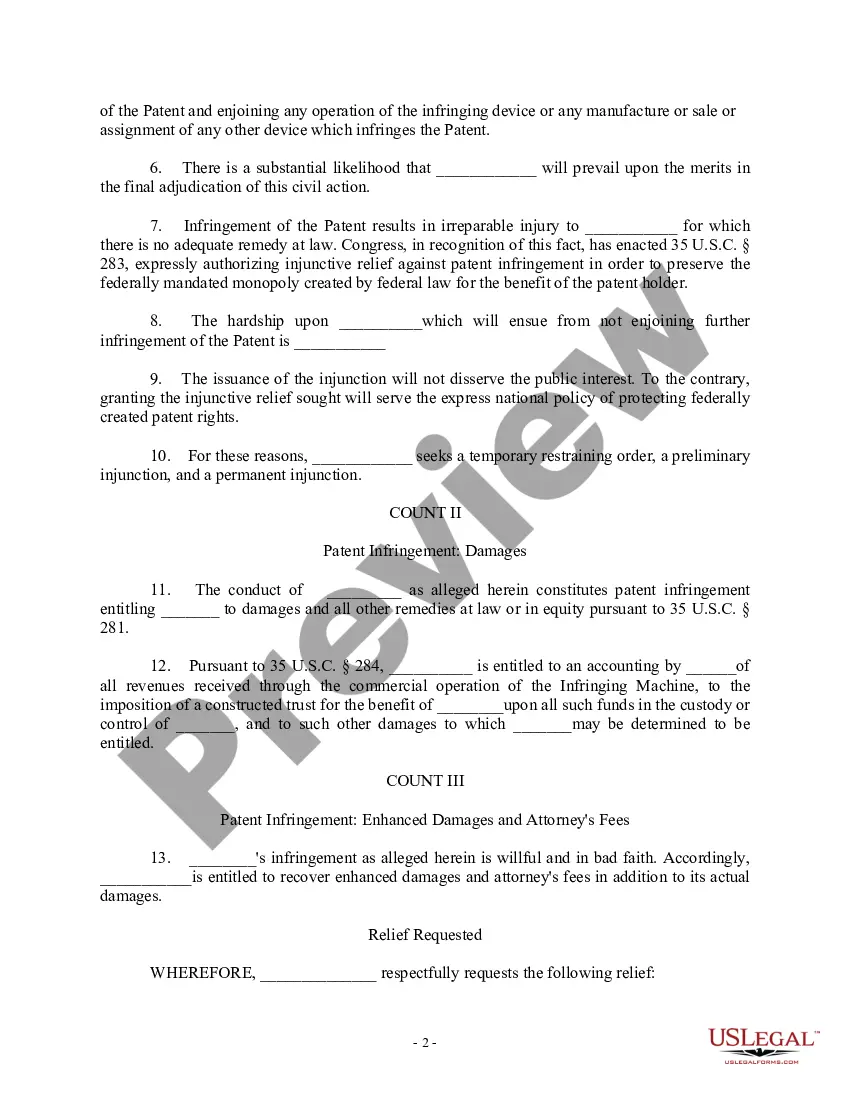
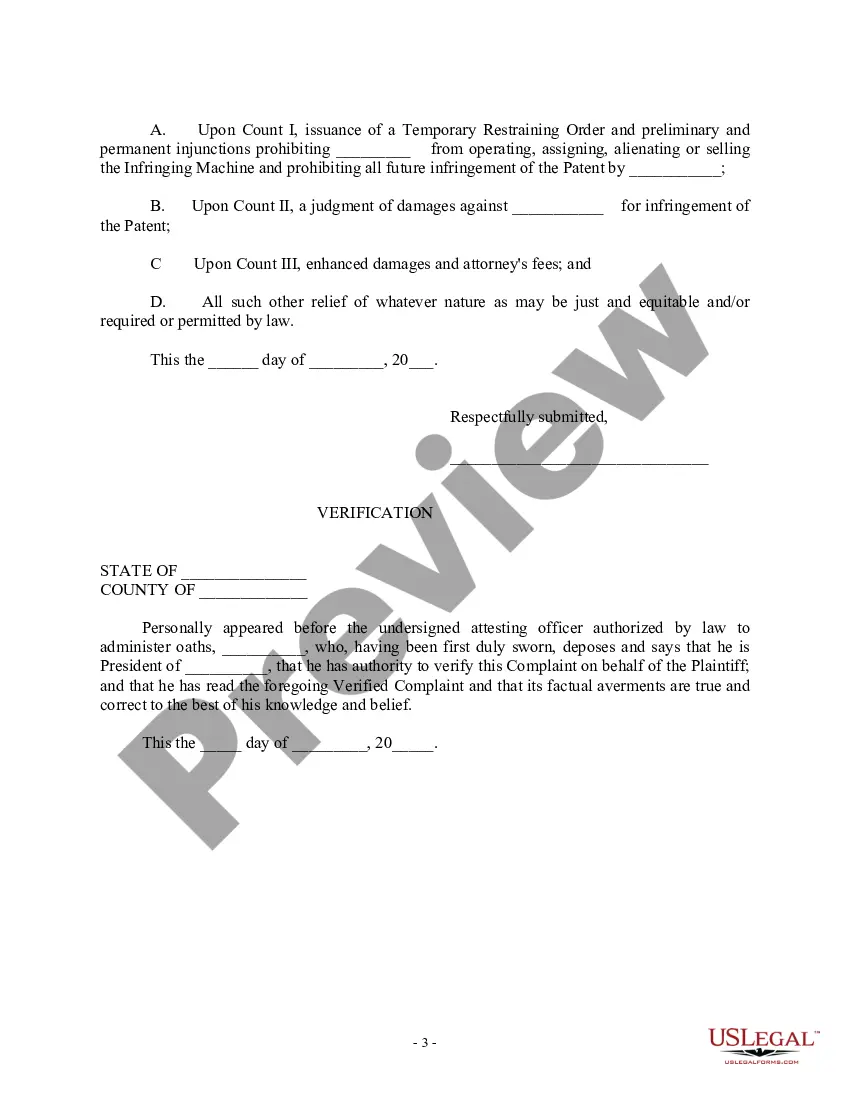
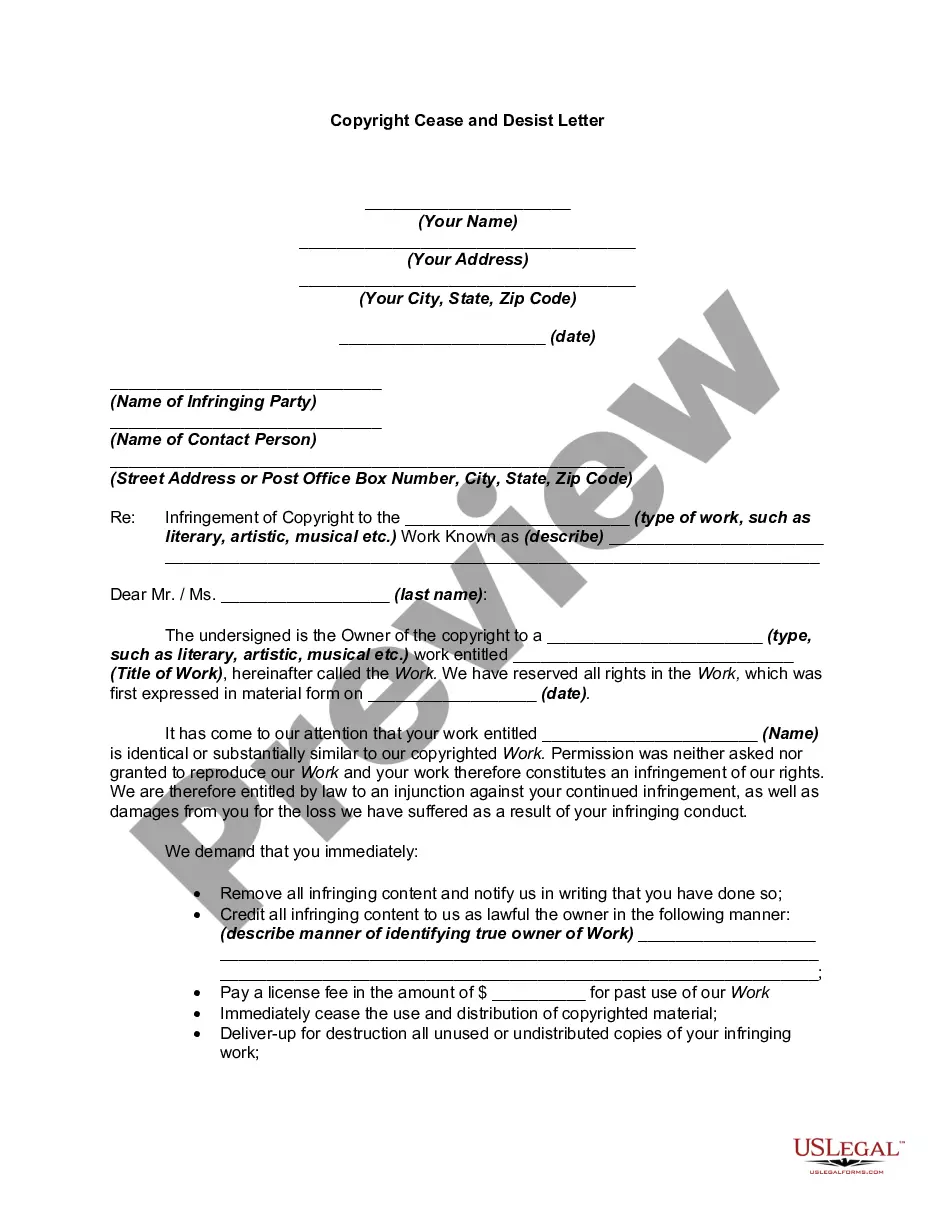
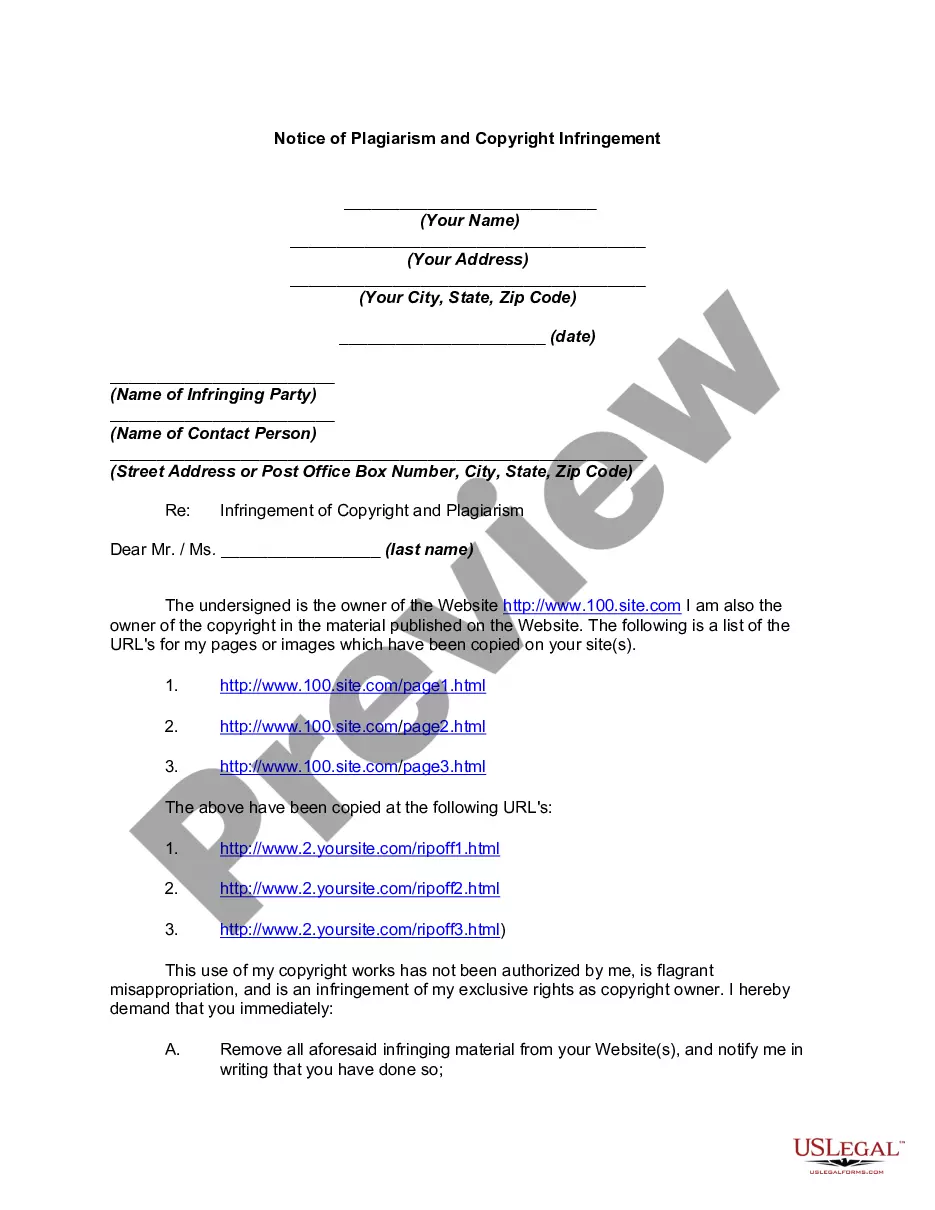
Get your form ready online
Our built-in tools help you complete, sign, share, and store your documents in one place.
Make edits, fill in missing information, and update formatting in US Legal Forms—just like you would in MS Word.
Download a copy, print it, send it by email, or mail it via USPS—whatever works best for your next step.
Sign and collect signatures with our SignNow integration. Send to multiple recipients, set reminders, and more. Go Premium to unlock E-Sign.
If this form requires notarization, complete it online through a secure video call—no need to meet a notary in person or wait for an appointment.
We protect your documents and personal data by following strict security and privacy standards.

Make edits, fill in missing information, and update formatting in US Legal Forms—just like you would in MS Word.

Download a copy, print it, send it by email, or mail it via USPS—whatever works best for your next step.

Sign and collect signatures with our SignNow integration. Send to multiple recipients, set reminders, and more. Go Premium to unlock E-Sign.

If this form requires notarization, complete it online through a secure video call—no need to meet a notary in person or wait for an appointment.

We protect your documents and personal data by following strict security and privacy standards.
Looking for another form?






Form popularity
FAQ
Patent applications: the three criteria Novelty. This means that your invention must not have been made public – not even by yourself – before the date of the application. Inventive step. This means that your product or process must be an inventive solution. Industrial applicability.
A nonprovisional utility patent application must include a specification, including a description and a claim or claims; drawings, when necessary; an oath or declaration; and the prescribed filing, search, and examination fees. Patent Center accepts electronic documents formatted in DOCX.
The five primary requirements for patentability are: (1) patentable subject matter; (2) utility; (3) novelty; (4) non-obviousness; and (5) enablement. Like trademarks, patents are territorial, meaning they are enforceable in a specific geographic area.
The five primary requirements for patentability are: (1) patentable subject matter; (2) utility; (3) novelty; (4) non-obviousness; and (5) enablement. Like trademarks, patents are territorial, meaning they are enforceable in a specific geographic area.
tube placement allows passive decompression and drainage of the biliary tract and also postoperative access to the CBD for tube cholangiography or further stone extraction through the matured drain tract 3, 4.
Montgomery described a method of insertion of the T-tube by which the inferior intraluminal portion is folded in on itself and then directed inferiorly with a hemostat.
The Montgomery T-tube is a device used as a combined tracheal stent and an airway after laryngotracheal surgery. The device is used mostly in specialist centres for head and neck surgery, and therefore, many anaesthetists may be unfamiliar with its use.
T Tube is a draining tube placed in the common bile duct after common bile duct (CBD) exploration with supra-duodenal choledochotomy. It provides external drainage of bile into a controlled route while the healing process of choledochotomy is maturing and the original pathology is resolving.
Plain language summary. Patients with severe lung disease, such as acute respiratory failure, may require invasive mechanical ventilation through an endotracheal tube or tracheostomy until their underlying disease is either treated or stabilized.
A tracheal T-tube also is used when a child has a condition that requires a breathing tube and a typical tracheotomy tube is not suitable. The shape of the T-tube allows the upper part of the tube to hold open the airway that was surgically repaired while the other parts act like a breathing or tracheotomy tube.
