Patent Withdrawal In Los Angeles
Description

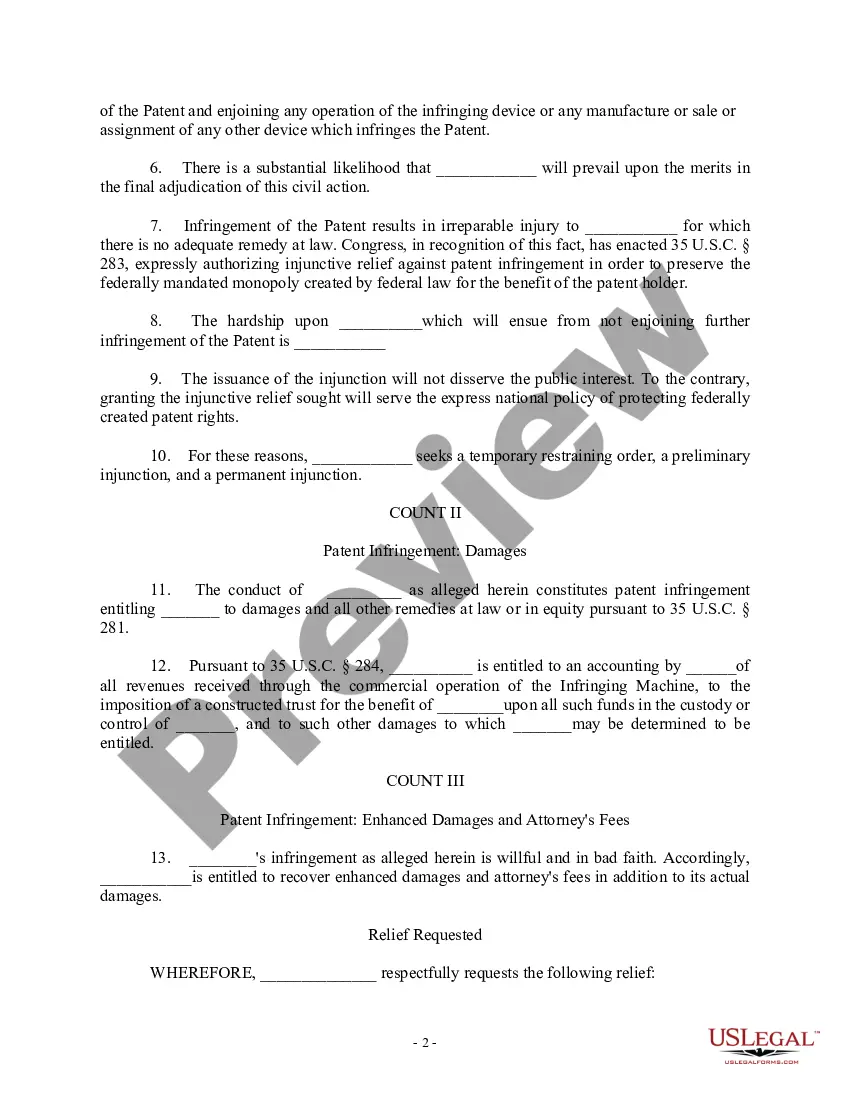
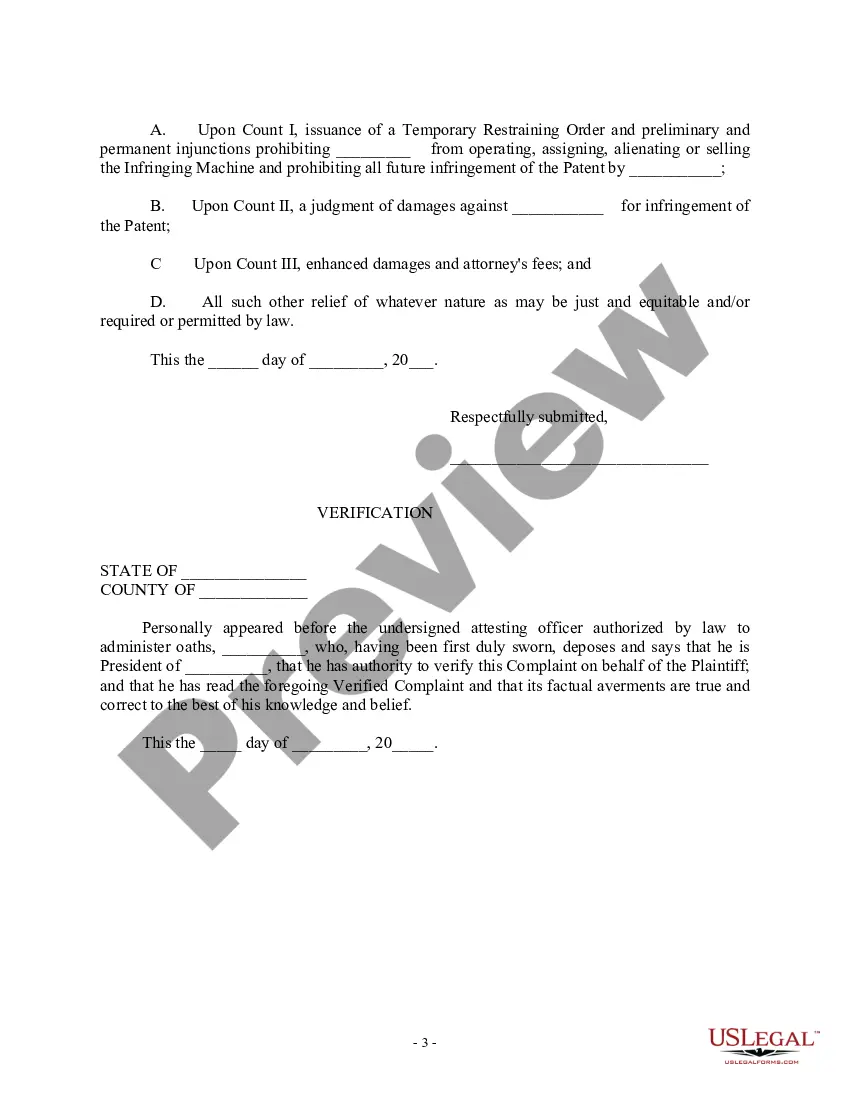
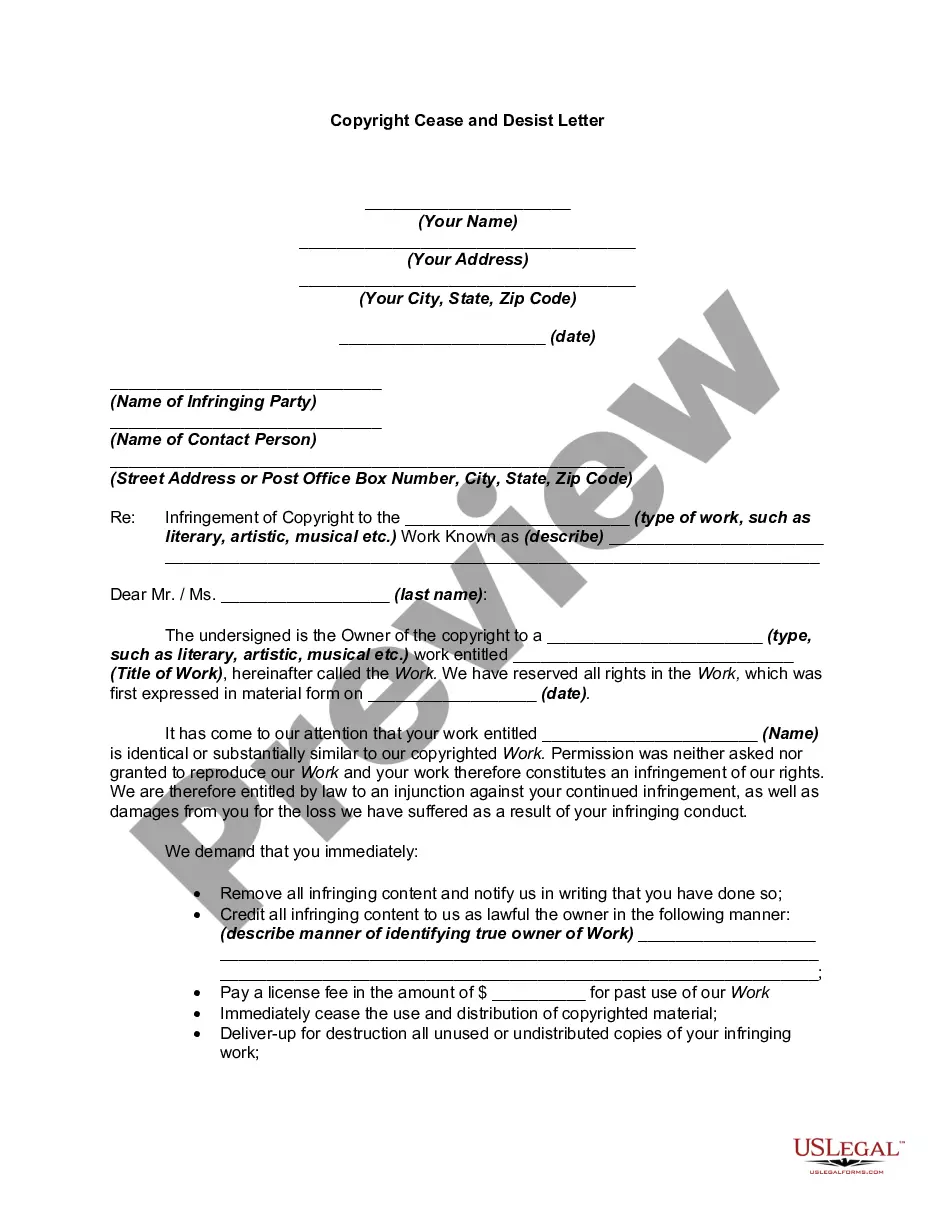
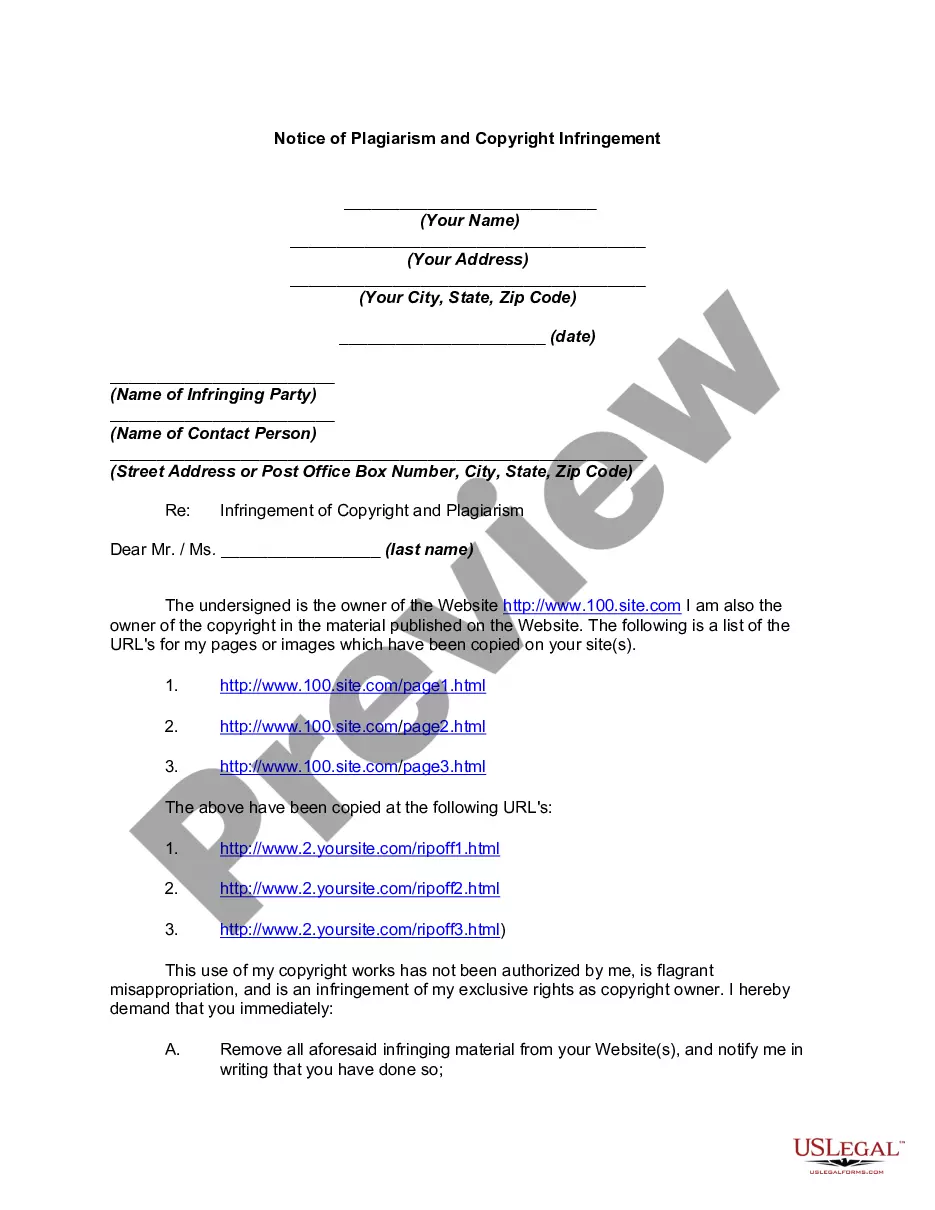
Get your form ready online
Our built-in tools help you complete, sign, share, and store your documents in one place.
Make edits, fill in missing information, and update formatting in US Legal Forms—just like you would in MS Word.
Download a copy, print it, send it by email, or mail it via USPS—whatever works best for your next step.
Sign and collect signatures with our SignNow integration. Send to multiple recipients, set reminders, and more. Go Premium to unlock E-Sign.
If this form requires notarization, complete it online through a secure video call—no need to meet a notary in person or wait for an appointment.
We protect your documents and personal data by following strict security and privacy standards.

Make edits, fill in missing information, and update formatting in US Legal Forms—just like you would in MS Word.

Download a copy, print it, send it by email, or mail it via USPS—whatever works best for your next step.

Sign and collect signatures with our SignNow integration. Send to multiple recipients, set reminders, and more. Go Premium to unlock E-Sign.

If this form requires notarization, complete it online through a secure video call—no need to meet a notary in person or wait for an appointment.

We protect your documents and personal data by following strict security and privacy standards.
Looking for another form?







Form popularity
FAQ
A petition to withdraw holding of abandonment is a formal request made to the USPTO when an applicant believes their patent application has been incorrectly declared abandoned.
(i) that what is claimed as the invention is not patentable; (ii) that the patent does not disclose the invention in a manner sufficiently clear and complete for it to be carried out by any person skilled in the art; (iii) that the patent is contrary to public order or morality; (iv) that the patent includes matters ...
Cancel Someone's Patent Through a Request for Reexamination Search for inventions that existed before the patent you want to get rid of. Show to the Patent Office the inventions they missed. The Patent Office decides whether they will reexamine the patent. Respond to any arguments from the patent owner.
The Registrar has the authority to cancel a patent if any of the predetermined conditions are met. The outcome of patent revocation is a potential invalidation of the patent, either in part or in its entirety.
Format of a Patent Application The Specification. The Title. The Description. The Claims. The Drawings. The Abstract. Sample Specifications. Minimum Requirements for a Filing Date.
The Process of Patent Withdrawal If the request meets the necessary criteria, the patent will be officially withdrawn, and the applicant will lose any rights associated with the patent. It is important to note that the withdrawal of a patent application does not necessarily mean the end of the inventor's journey.
Definition of "withdrawn patent" An approved patent application that the applicant decides not to go ahead with, preventing its issuance on the scheduled date, and hence, it will not appear in the patent database or official USPTO site How to use "withdrawn patent" in a sentence.
For unavoidable abandonment: The petition must be filed within the statutory period for reply to the Office action that was missed, or within two months of the mailing date of the notice of abandonment, whichever is earlier.
The act states that a patent can be invalidated on the grounds of lack of novelty, lack of inventive step, obviousness, insufficiency, or bad faith. A patent can also be invalidated if the subject matter is not patentable, meaning it is not new, or if it does not meet the requirements of the act.
Grounds for Cancellation Lack of Novelty: A patent may be cancelled if the invention is not novel, meaning it has been publicly disclosed before the filing date of the patent application. This can include prior art references that demonstrate the invention was already known.