Patent Foramina In Kings
Description
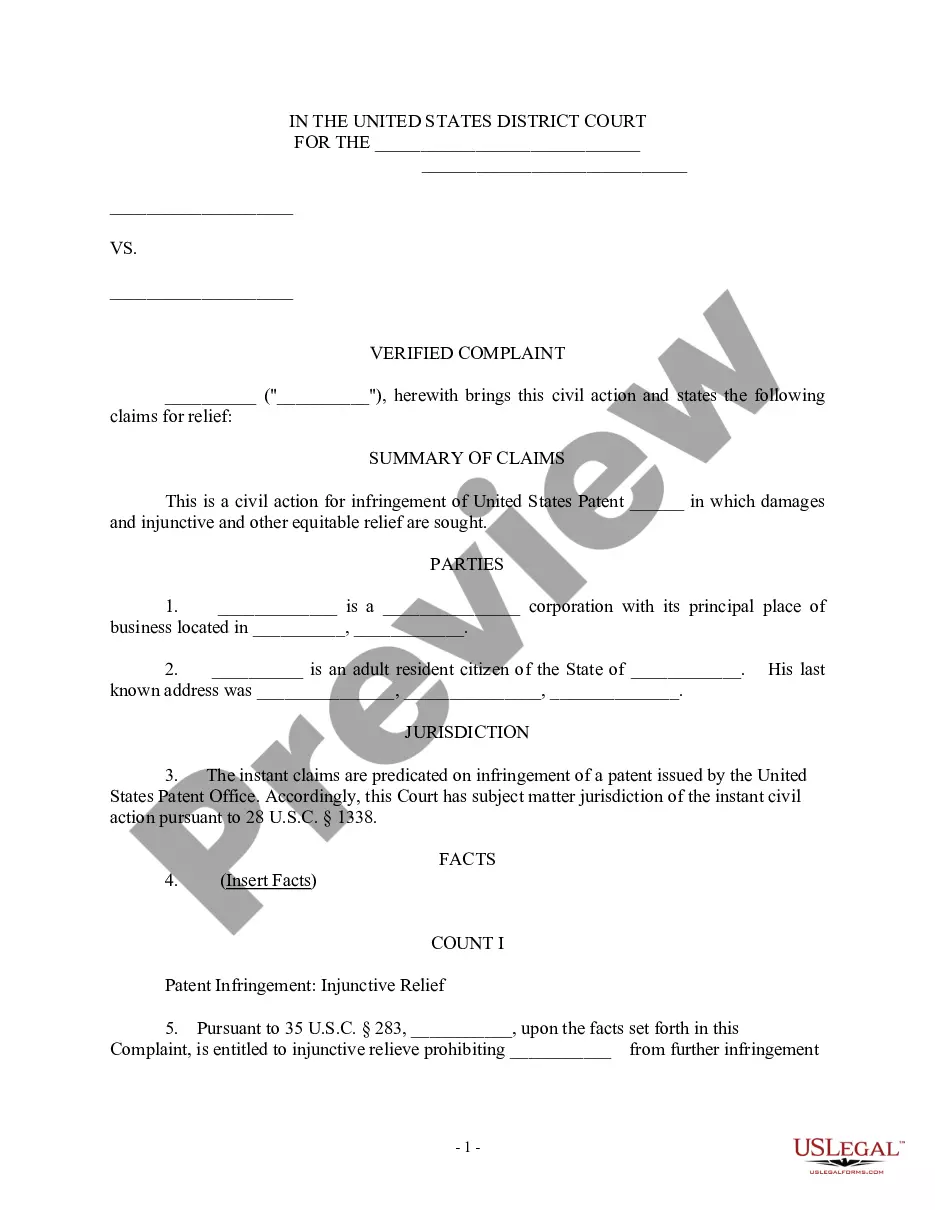
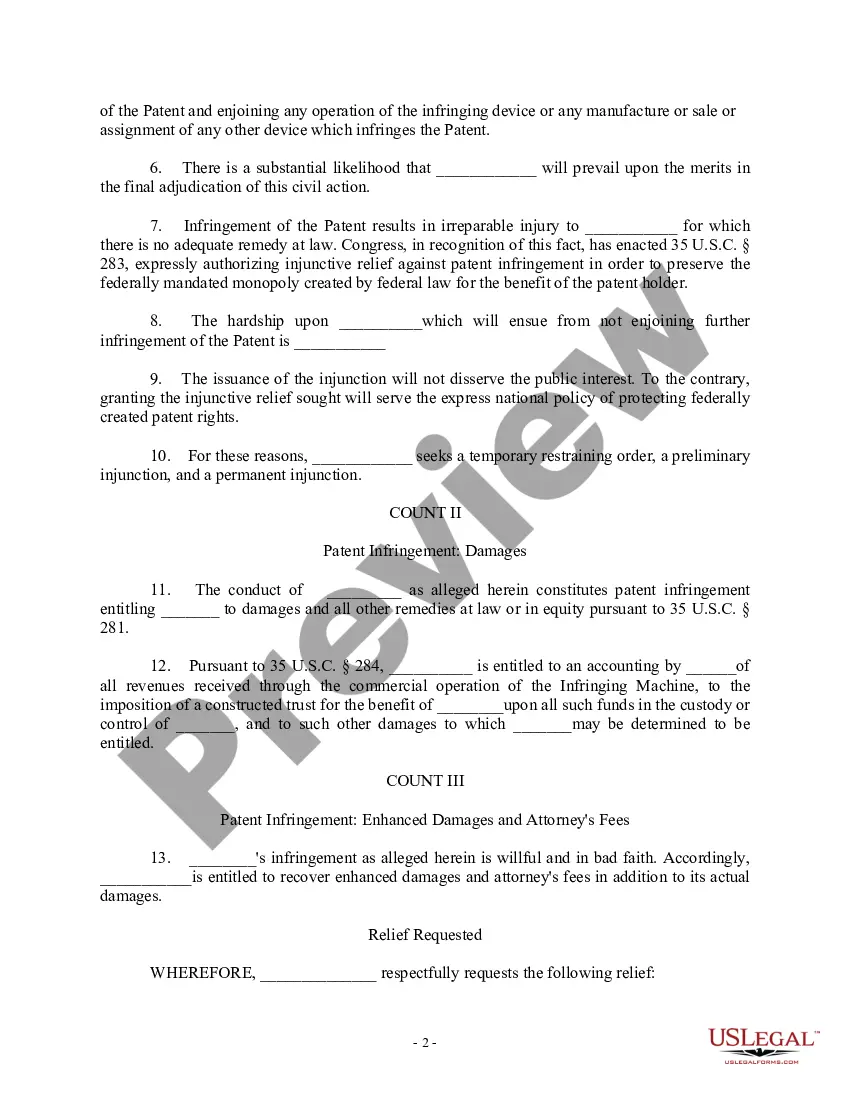
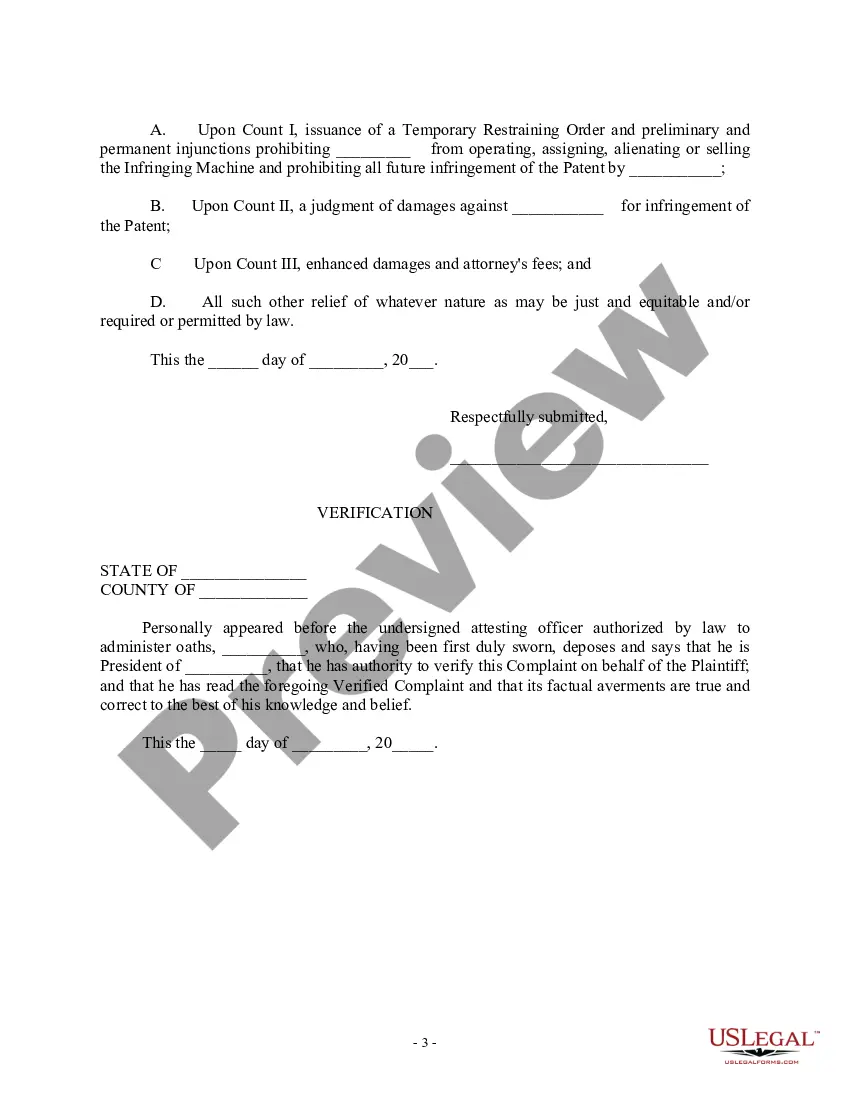
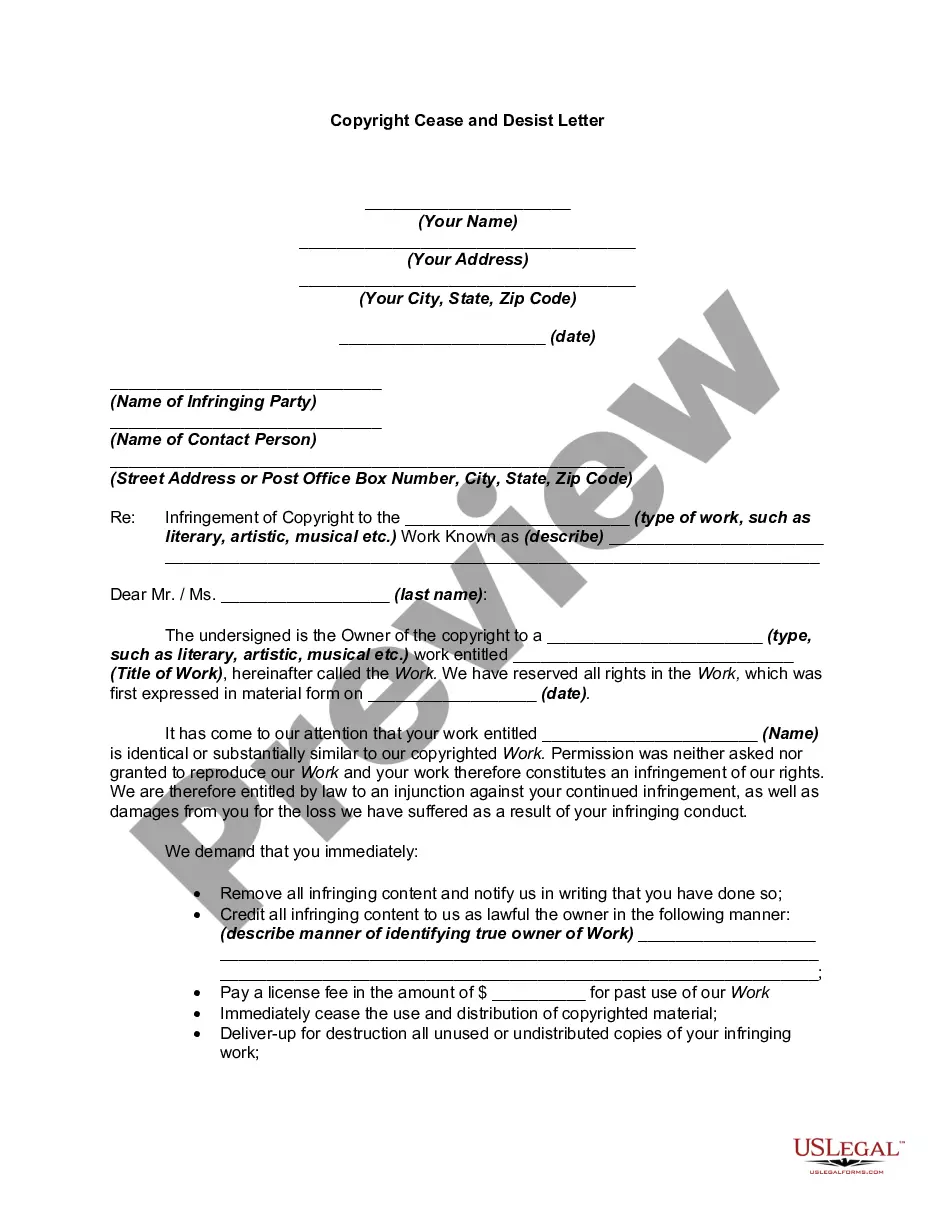
Get your form ready online
Our built-in tools help you complete, sign, share, and store your documents in one place.
Make edits, fill in missing information, and update formatting in US Legal Forms—just like you would in MS Word.
Download a copy, print it, send it by email, or mail it via USPS—whatever works best for your next step.
Sign and collect signatures with our SignNow integration. Send to multiple recipients, set reminders, and more. Go Premium to unlock E-Sign.
If this form requires notarization, complete it online through a secure video call—no need to meet a notary in person or wait for an appointment.
We protect your documents and personal data by following strict security and privacy standards.

Make edits, fill in missing information, and update formatting in US Legal Forms—just like you would in MS Word.

Download a copy, print it, send it by email, or mail it via USPS—whatever works best for your next step.

Sign and collect signatures with our SignNow integration. Send to multiple recipients, set reminders, and more. Go Premium to unlock E-Sign.

If this form requires notarization, complete it online through a secure video call—no need to meet a notary in person or wait for an appointment.

We protect your documents and personal data by following strict security and privacy standards.
Looking for another form?








Form popularity
FAQ
Patent foramen ovale (PFO) is when you have a small flap or opening between the upper right and left chambers (atria) of your heart. Everyone has this opening, called a foramen ovale, before birth. In most people, this closes after birth. Patent foramen ovale occurs when the flap still exists after birth.
Most people will not have any signs or symptoms directly from PFO at all. Possible PFO symptoms include: Stroke. Transient ischemic attack (TIA) or mini-stroke that impairs your ability to move your arms or legs, and affects vital organs such as the brain, small intestine, large intestine (colon) or kidneys.
Neural foramina being 'patent' means that these spinal nerve pathways are open and unobstructed, which is a normal finding. 'Patent' derives from Latin, meaning 'open', and is also used to describe conditions like patent foramen ovale in the heart.
Definition. Patent foramen ovale (PFO) is a hole between the left and right atria (upper chambers) of the heart. This hole exists in everyone before birth, but most often closes shortly after being born. PFO is what the hole is called when it fails to close naturally after a baby is born.
When a baby's lungs begin working, blood flow through the heart changes. Now the oxygen-rich blood comes from the lungs and enters the left upper heart chamber. The pressure of the blood pumping through the heart usually forces the flap opening of the foramen ovale to close.
Having a PFO as an adult or older child is not normal. But it occurs in many people. It may be slightly more common in younger adults compared with older adults.
A patent foramen ovale (PFO) is a hole in the wall that that separates the heart's two upper chambers (atria). All babies have this opening (called a foramen ovale) before birth to allow blood to bypass the lungs. Shortly after birth, the tissue usually grows together and closes the hole.
Healthcare providers don't know what causes the hole to stay open (patent) in some people instead of closing up. Sometimes, PFO occurs along with other heart problems. One such condition is Ebstein anomaly. It's when the valve between the upper and lower chambers on the right side of the heart doesn't close properly.
If a patent holder believes that another party has infringed upon their patent and chooses to litigate, they will file a civil lawsuit in a U.S. district court.
The IPR Center encourages victims to visit its website at .IPRCenter to obtain more information about the IPR Center and to report violations of intellectual property rights online or by emailing IPRCenter@dhs. You can also report IP crime by clicking on The IRP Center's “Report IP Theft” button.
