Patent Infringement In The Philippines In Fulton
Description

Get your form ready online
Our built-in tools help you complete, sign, share, and store your documents in one place.
Make edits, fill in missing information, and update formatting in US Legal Forms—just like you would in MS Word.
Download a copy, print it, send it by email, or mail it via USPS—whatever works best for your next step.
Sign and collect signatures with our SignNow integration. Send to multiple recipients, set reminders, and more. Go Premium to unlock E-Sign.
If this form requires notarization, complete it online through a secure video call—no need to meet a notary in person or wait for an appointment.
We protect your documents and personal data by following strict security and privacy standards.

Make edits, fill in missing information, and update formatting in US Legal Forms—just like you would in MS Word.

Download a copy, print it, send it by email, or mail it via USPS—whatever works best for your next step.

Sign and collect signatures with our SignNow integration. Send to multiple recipients, set reminders, and more. Go Premium to unlock E-Sign.

If this form requires notarization, complete it online through a secure video call—no need to meet a notary in person or wait for an appointment.

We protect your documents and personal data by following strict security and privacy standards.
Looking for another form?



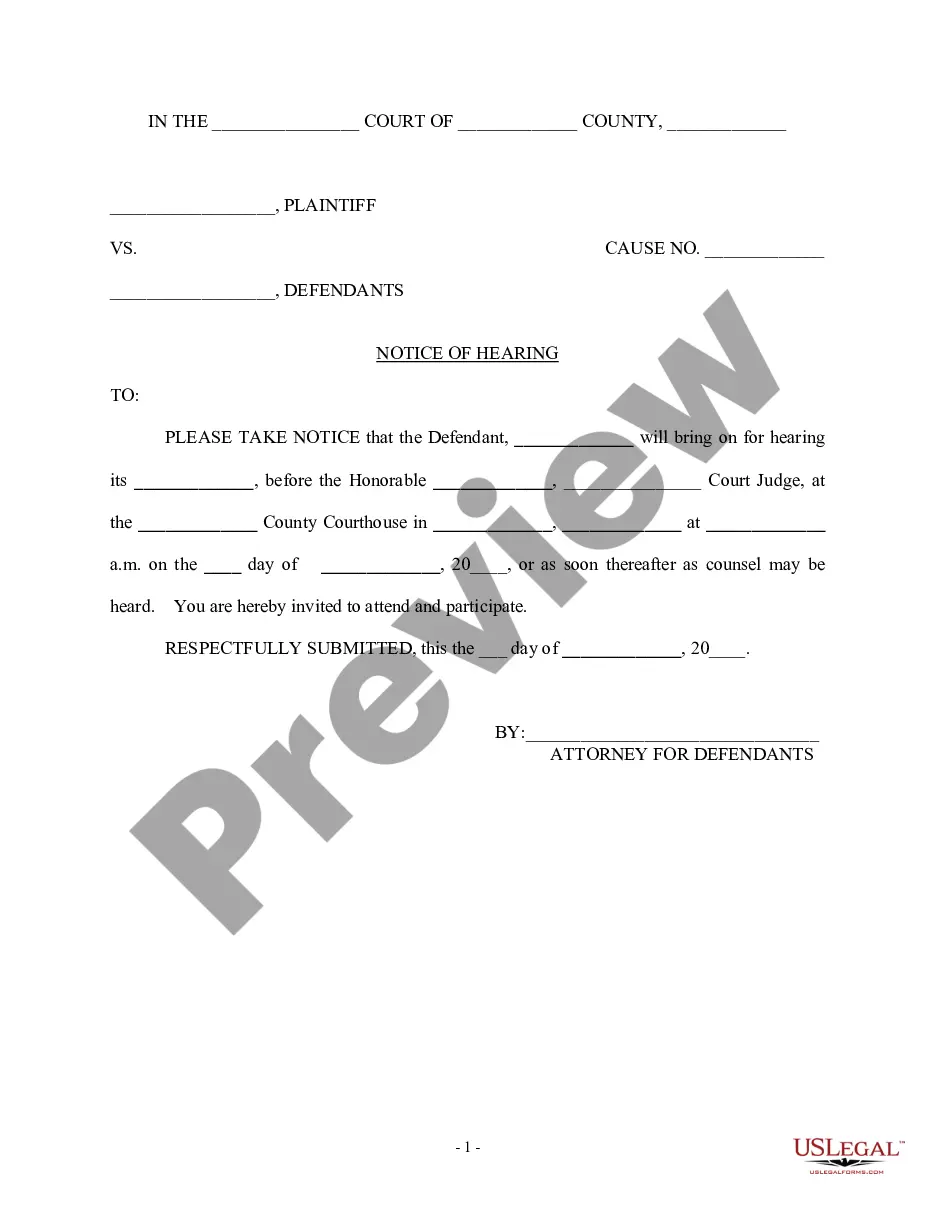
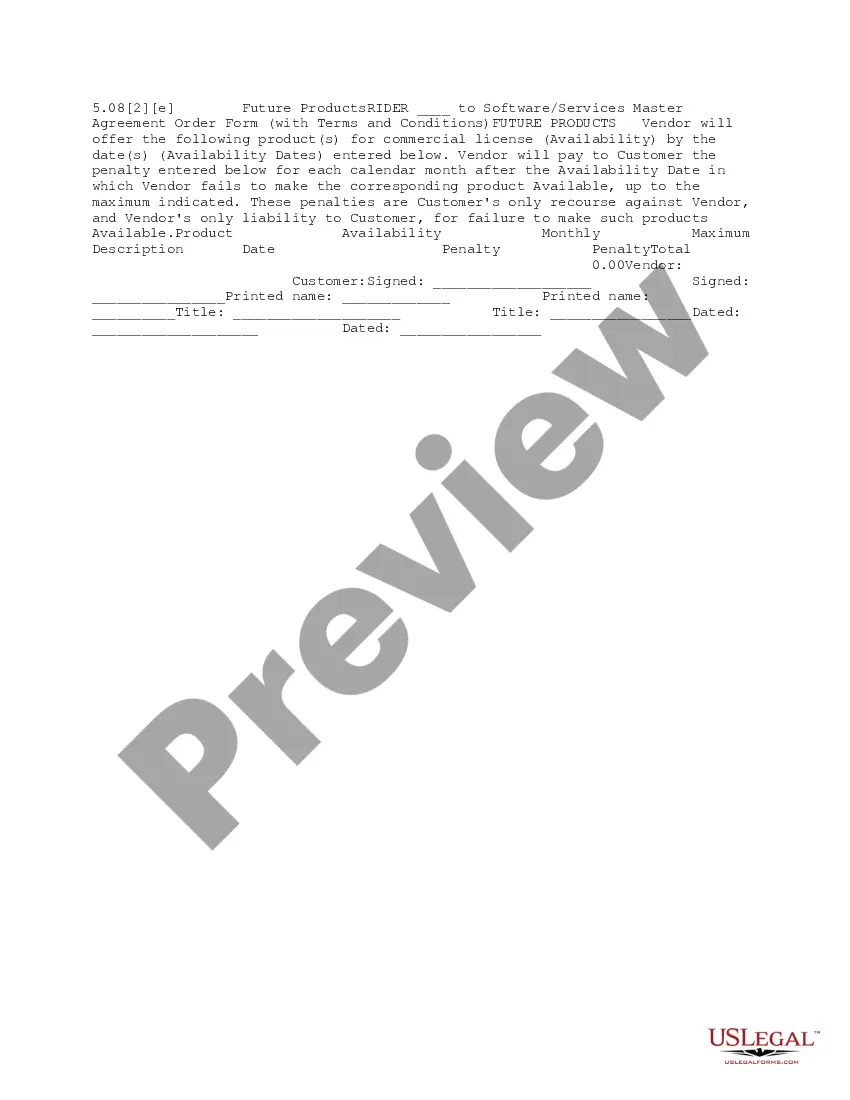





Form popularity
FAQ
It establishes a Copyright Claims Board (CCB) in the Copyright Office to hear copyright infringement matters and (1) caps damages at $30,000 total (including statutory damages of $15,000 per work, and $7,500 per work for which an application was not filed in ance with section 412 timelines); (2) provides an opt- ...
What are the penalties provided by Philippine law for copyright infringement? Under Philippine law, copyright infringement is punishable by the following: Imprisonment of between 1 to 3 years and a fine of between 50,000 to 150,000 pesos for the first offense.
Willful copyright infringement can also result in criminal penalties, including imprisonment of up to five years and fines of up to $250,000 per offense.
Copyright infringement occurs when there is a violation of the economic rights granted to the copyright owner, or to the owners of related rights. It may also consist in aiding or abetting such infringement.
A civil action for patent infringement may be field to recover damages sustained by the patent owner. If the damages sustained cannot be ascertained with reasonable certainty, the court may award by way of damages a sum equivalent to reasonable royalty.
Patent infringement is not a crime. Instead, patent rights are enforced through civil litigation. Next, the court will look at whether a particular device literally infringes the claim. The elements of each of the patent's claims will be compared with the invention that is claimed to be infringing.
Under Philippine law, copyright infringement is punishable by the following: Imprisonment of between 1 to 3 years and a fine of between 50,000 to 150,000 pesos for the first offense. Imprisonment of 3 years and 1 day to six years plus a fine of between 150,000 to 500,000 pesos for the second offense.
Getting Started in Litigation Your attorney will file a formal complaint in federal court, explaining how the defendant has infringed on your patent. Together with your attorney, you will need to compile evidence of your ownership of the patent and the infringement.
To get started you can submit your request with DMCA here: DMCA Takedown Form. If someone has stolen your content and is publishing it without your permission on another website, DMCA can help. Simply submit the name and location of where you found your stolen content and we go to work on your behalf.
The administrative suit is filed at the Bureau of Legal Affairs at the Intellectual Property Office of the Philippines. A civil infringement lawsuit is filed in the appropriate court located at the place where the defendant resides/is located, or where the plaintiff resides/is located, at the option of the plaintiff.