Patent With Example In Florida
Description

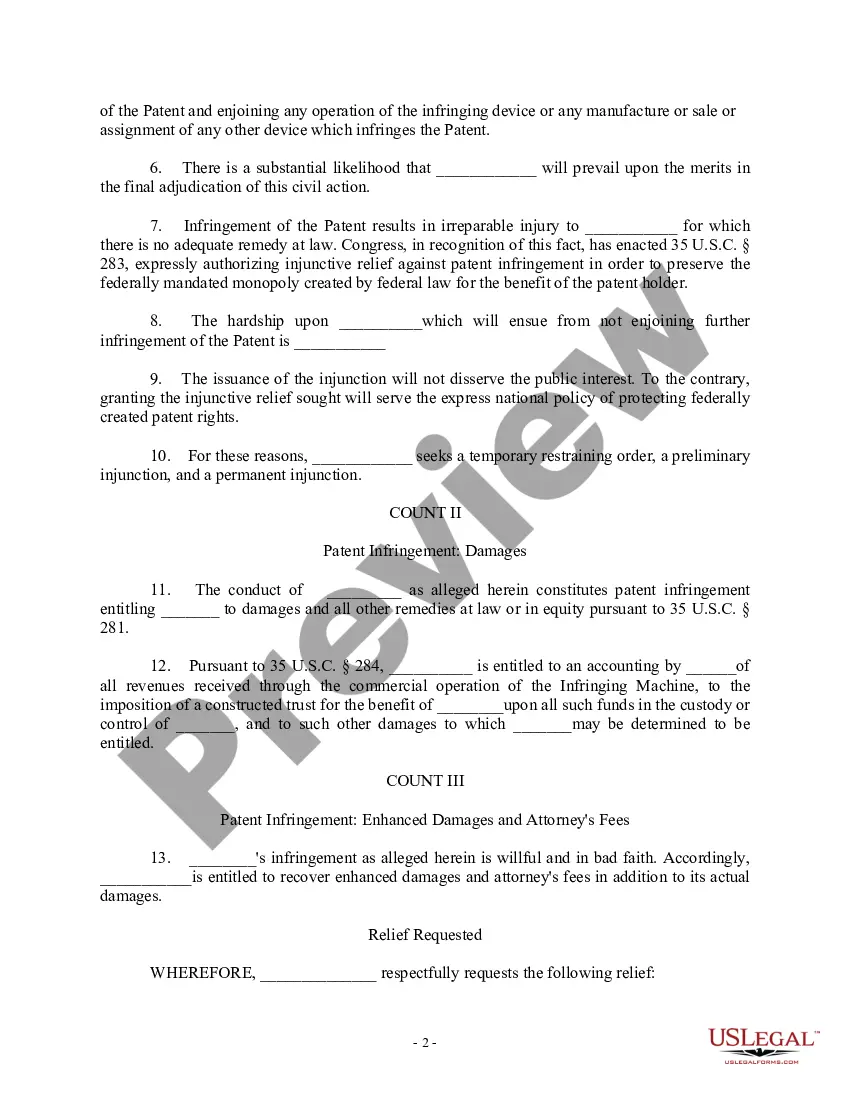
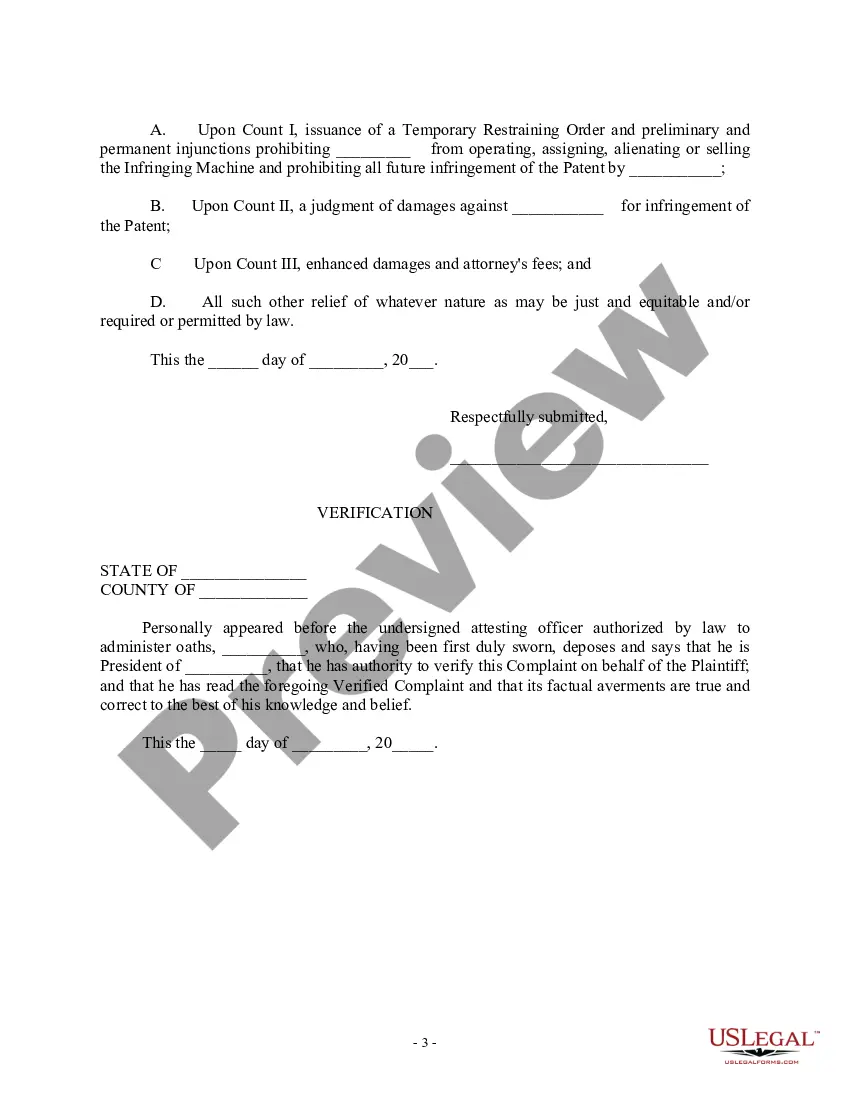
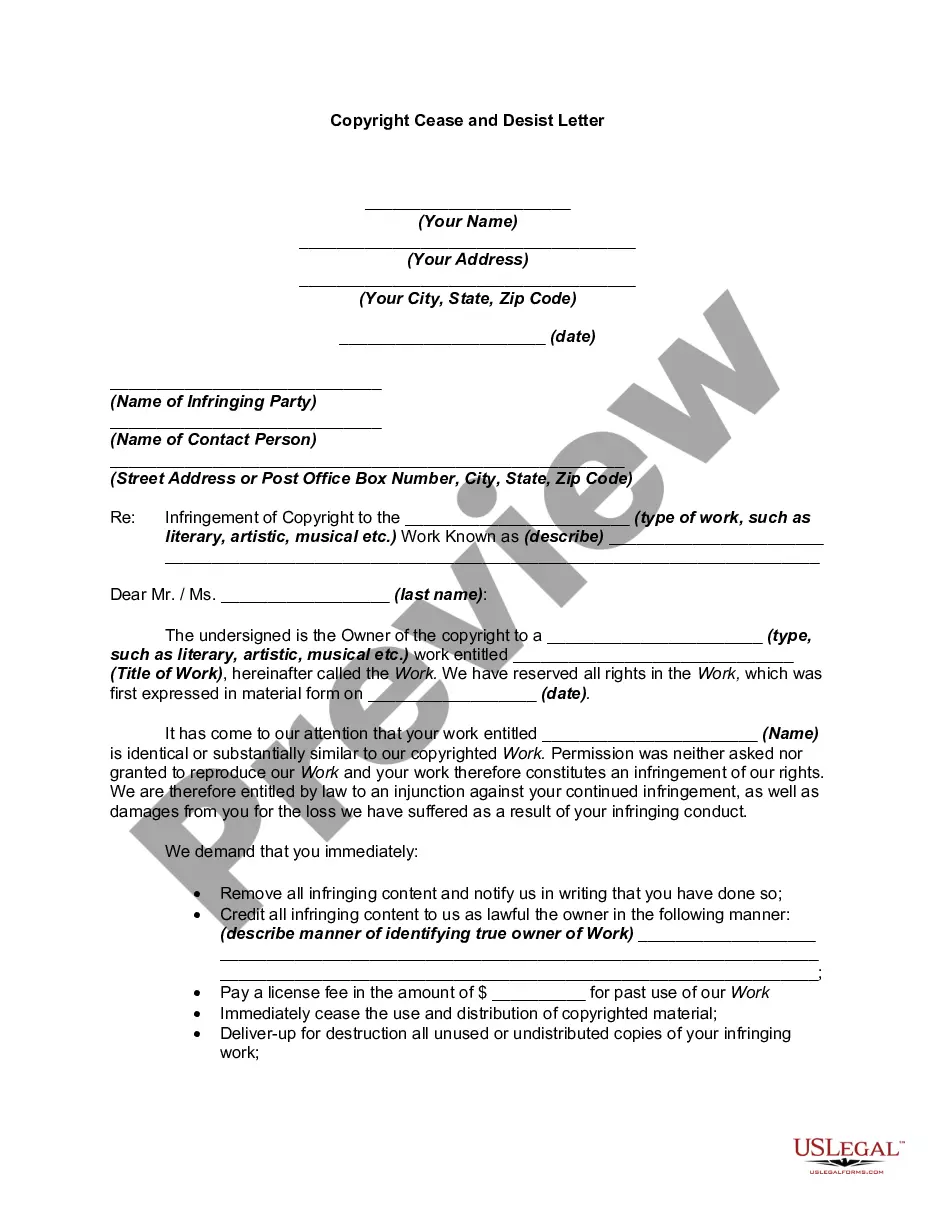
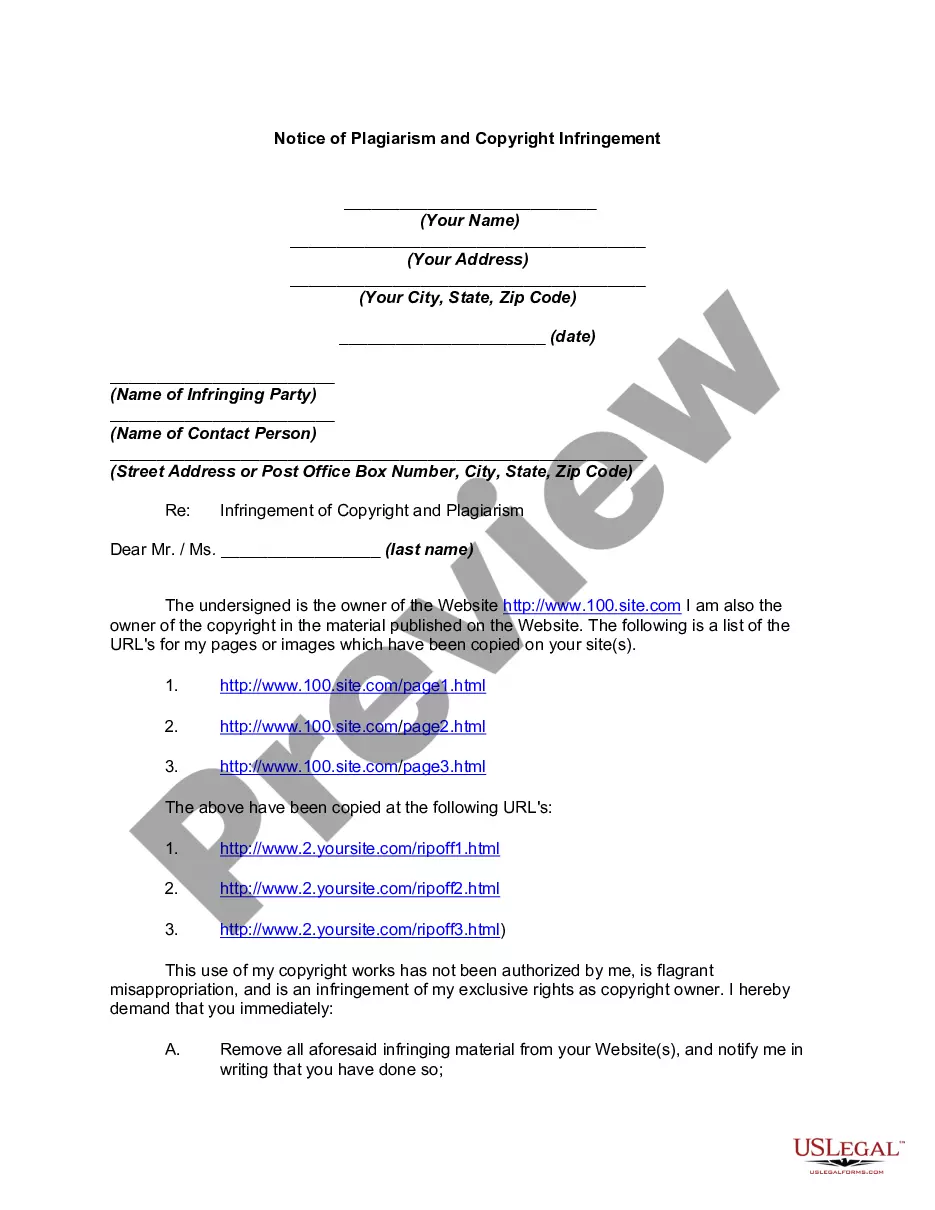
Get your form ready online
Our built-in tools help you complete, sign, share, and store your documents in one place.
Make edits, fill in missing information, and update formatting in US Legal Forms—just like you would in MS Word.
Download a copy, print it, send it by email, or mail it via USPS—whatever works best for your next step.
Sign and collect signatures with our SignNow integration. Send to multiple recipients, set reminders, and more. Go Premium to unlock E-Sign.
If this form requires notarization, complete it online through a secure video call—no need to meet a notary in person or wait for an appointment.
We protect your documents and personal data by following strict security and privacy standards.

Make edits, fill in missing information, and update formatting in US Legal Forms—just like you would in MS Word.

Download a copy, print it, send it by email, or mail it via USPS—whatever works best for your next step.

Sign and collect signatures with our SignNow integration. Send to multiple recipients, set reminders, and more. Go Premium to unlock E-Sign.

If this form requires notarization, complete it online through a secure video call—no need to meet a notary in person or wait for an appointment.

We protect your documents and personal data by following strict security and privacy standards.
Looking for another form?



Form popularity
FAQ
The five primary requirements for patentability are: (1) patentable subject matter; (2) utility; (3) novelty; (4) non-obviousness; and (5) enablement. Like trademarks, patents are territorial, meaning they are enforceable in a specific geographic area.
Machines, medicines, computer programs, articles made by machines, compositions, chemicals, biogenetic materials, and processes, can all be the subject matter for a United States patent.
The Patent Process Determine the type of intellectual property you need. Determine if your invention is patentable. Determine what kind of patent you need. Get ready to apply. Submit your application. Work with your examiner. Receive your approval. Maintain your patent.
If ever proof were needed that innovation knows no bounds, look no further than our list of out-of-the-ordinary patents. Combination Toy Dog and Vacuum Cleaner (1973) ... Shark Protector Suit (1989) ... Beerbrella (2003) ... Healthy and Safe Hot and Cold Sauna Suit (2004) ... Shower Head Suitable for Telephone Communication (2008)
Examples of patentable inventions include chemical compounds, computer hardware, machines, drugs, mechanical devices and industrial processes. The iPhone, 3D printer, helicopter drone, solar panel, GPS and bionic eye would be classic examples.
Legally, a utility patent may cover “any new and useful process, machine, manufacture, or composition of matter, or any new and useful improvement thereof.” A design patent may cover “any new, original, and ornamental design for an article of manufacture,” and a plant patent may cover a “distinct and new variety of ...
Examples of patents System for shorter flight times. With his invention, Håkan Lans has made it possible to shorten flight times. The possibility to move. Pen with scanner. The screw that tricks the body. Breastfeeding shirts. Life-saving invention. Packaging success. The blood rocker.
Prepare a patent application, including: A short abstract of the invention. References to any prior applications. A brief discussion of the general field, background, and circumstances of the invention. A summary of the invention. A description of the best implementation of the invention, including a drawing, if applicable.
Patents have been used in their modern definition since the 1500s to provide inventors the exclusive right to produce and sell their inventions. Some famous examples of products that have been patented include: The Telephone: Patented by Alexander Graham Bell in 1876. The Lightbulb: Patented in 1878 by Thomas Edison.
How to File a Patent in Florida Do You Have an Idea or Invention? Every invention begins as an idea. Perform Market Research. Verify Patent Eligibility. Conduct a Patent Search. Determine Inventorship & Ownership. Choose the Type of Patent. Prepare the Patent Application. Submit the Patent Application.
