Patent Foramina In Cook
Description

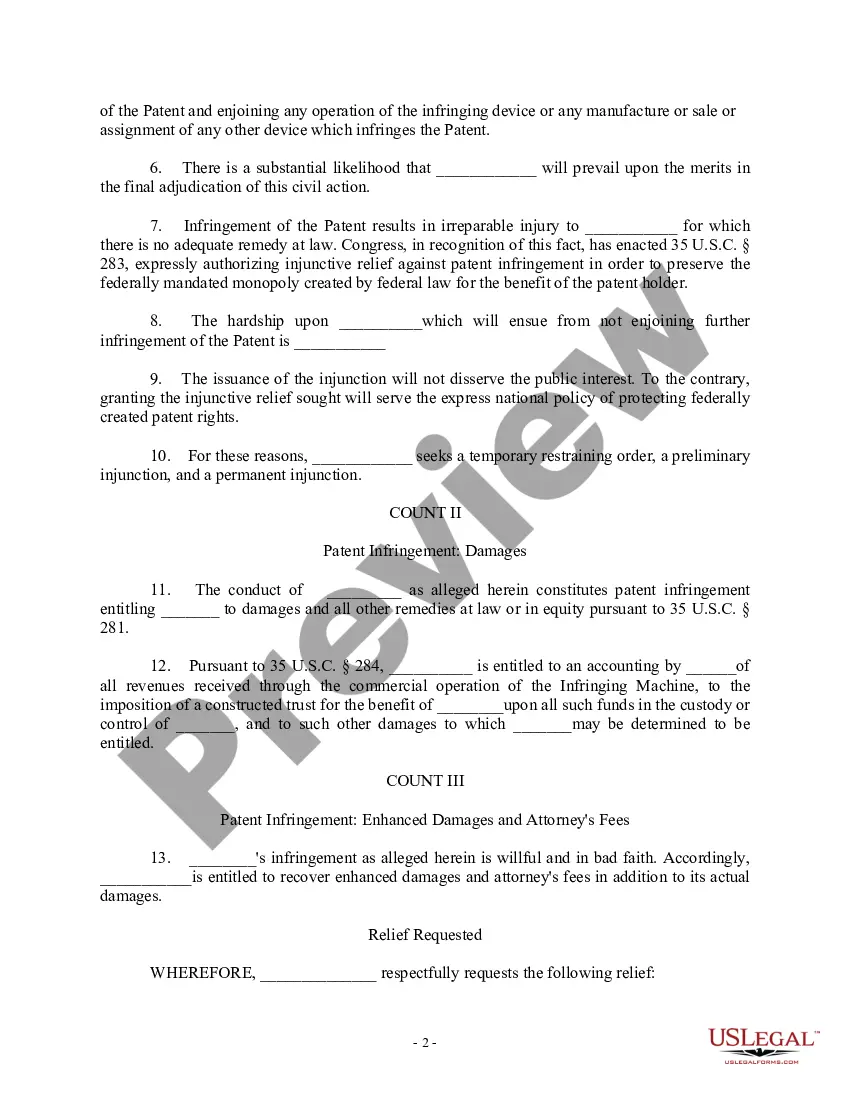
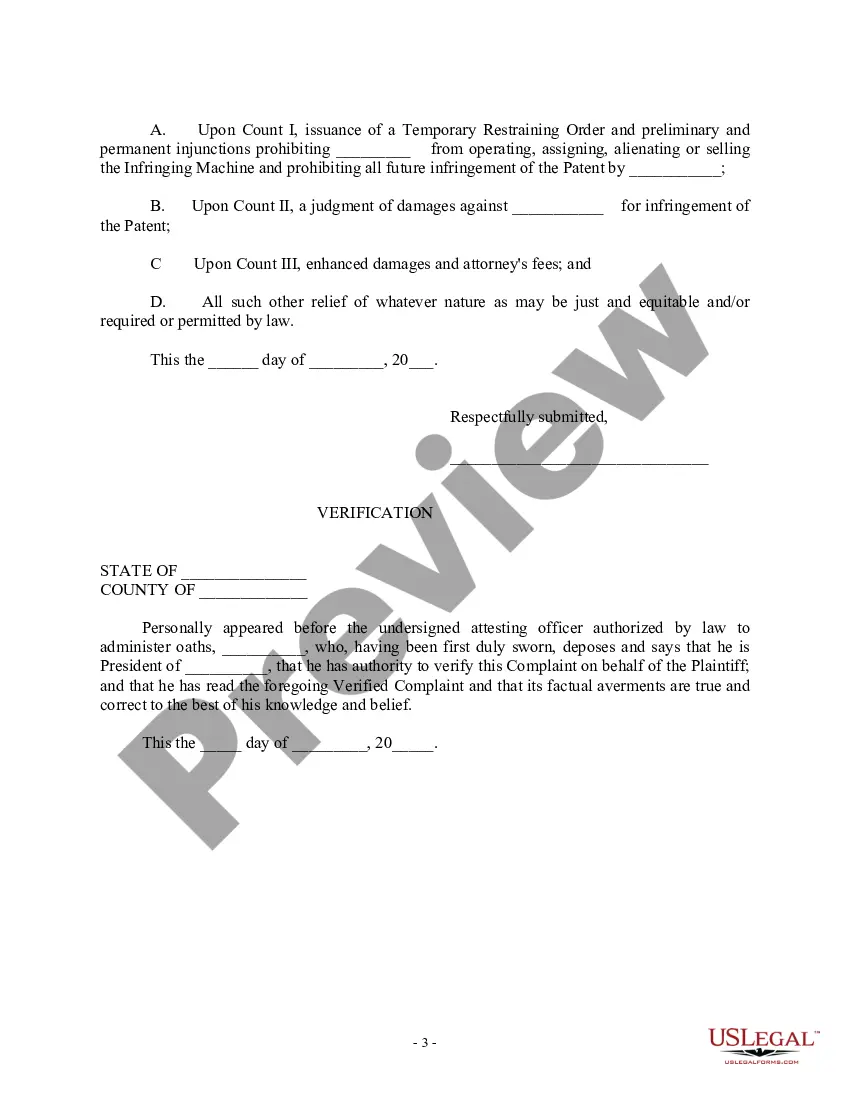
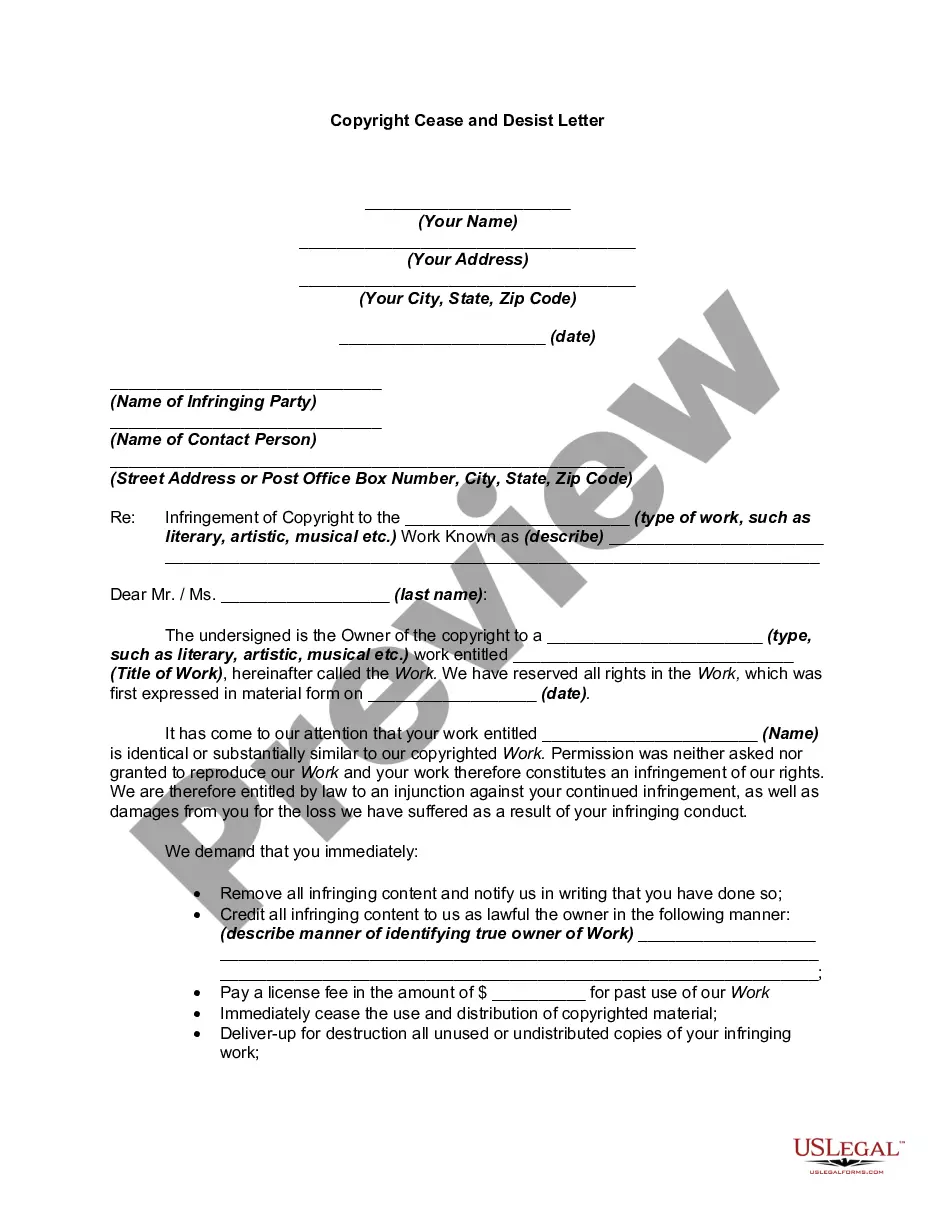
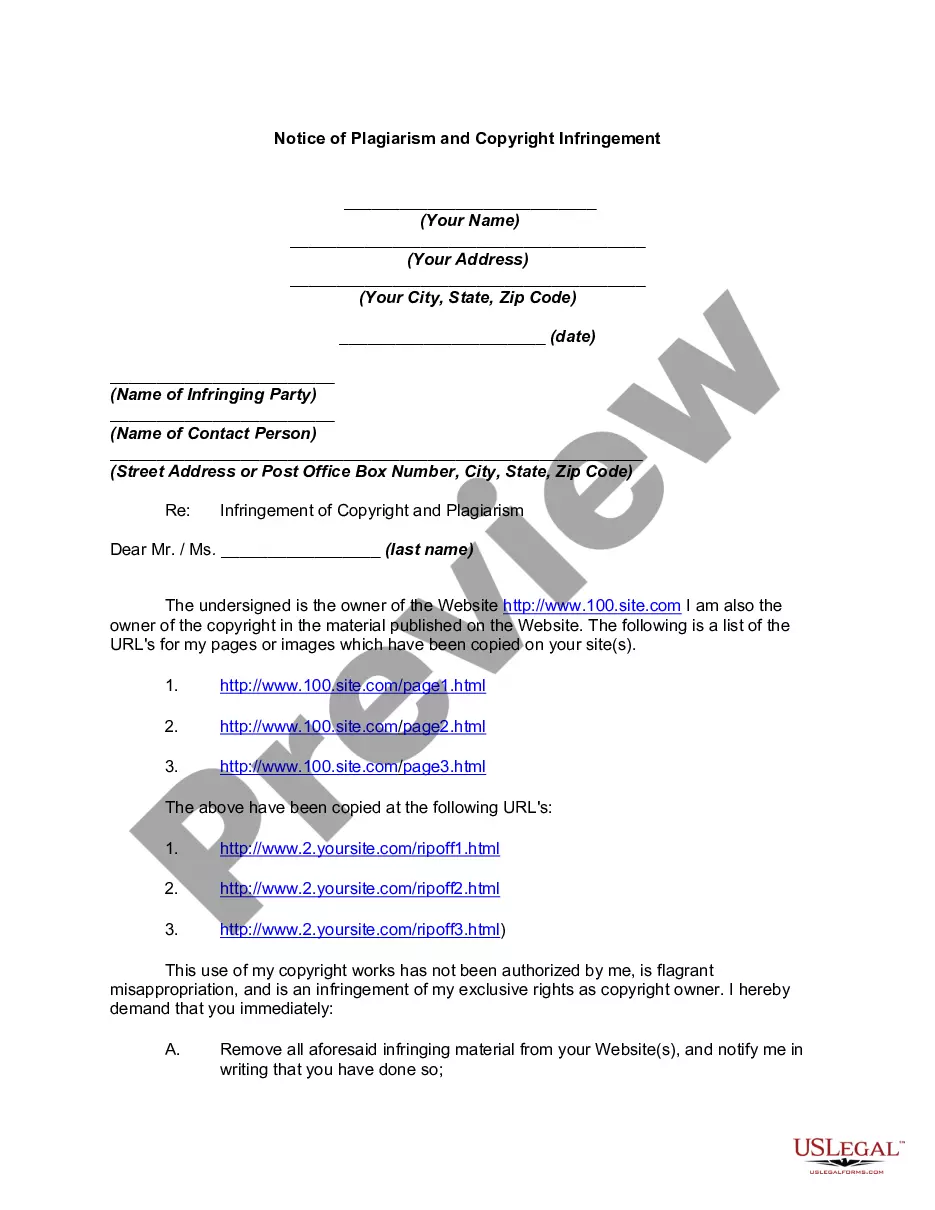
Get your form ready online
Our built-in tools help you complete, sign, share, and store your documents in one place.
Make edits, fill in missing information, and update formatting in US Legal Forms—just like you would in MS Word.
Download a copy, print it, send it by email, or mail it via USPS—whatever works best for your next step.
Sign and collect signatures with our SignNow integration. Send to multiple recipients, set reminders, and more. Go Premium to unlock E-Sign.
If this form requires notarization, complete it online through a secure video call—no need to meet a notary in person or wait for an appointment.
We protect your documents and personal data by following strict security and privacy standards.

Make edits, fill in missing information, and update formatting in US Legal Forms—just like you would in MS Word.

Download a copy, print it, send it by email, or mail it via USPS—whatever works best for your next step.

Sign and collect signatures with our SignNow integration. Send to multiple recipients, set reminders, and more. Go Premium to unlock E-Sign.

If this form requires notarization, complete it online through a secure video call—no need to meet a notary in person or wait for an appointment.

We protect your documents and personal data by following strict security and privacy standards.
Looking for another form?









Form popularity
FAQ
Yes, a food product and/ or its recipe can be patented.
Food is Patentable as a Composition. Under US Patent law, an inventor can patent a process, the machine, manufacture, or composition of matter. The food must be new, useful, not obvious, and meet the other disclosure requirements for patentability. However, the critical point remains the same: Food can be patented.
A recipe cannot be patented. In fact, in general, a recipe can't even be copyrighted.
For example, the laws of nature, physical phenomena, and abstract ideas cannot be patented, nor can only an idea or suggestion. Other restrictions include the patenting of inventions exclusively related to nuclear material or atomic energy in an atomic weapon (see MPEP 2104.01).
Patents are granted to inventions that are “new and non-obvious.” The USPTO has granted food related patents, such as the formula for Pop Rocks and the method for making a sealed, crustless peanut-butter-and-jelly sandwich (although the latter patent was eventually revoked because the sandwich wasn't sufficiently novel ...
No, the use of an attorney or registered agent is not required for filing a patent application. However, an attorney or registered agent is often a useful resource and the USPTO recommends the use of such for preparing a patent application and conducting the proceedings in the USPTO.
Prepare a patent application, including: A short abstract of the invention. References to any prior applications. A brief discussion of the general field, background, and circumstances of the invention. A summary of the invention. A description of the best implementation of the invention, including a drawing, if applicable.
Format of a Patent Application The Specification. The Title. The Description. The Claims. The Drawings. The Abstract. Sample Specifications. Minimum Requirements for a Filing Date.
The five primary requirements for patentability are: (1) patentable subject matter; (2) utility; (3) novelty; (4) non-obviousness; and (5) enablement. Like trademarks, patents are territorial, meaning they are enforceable in a specific geographic area.
Writing a basic patent claim Every claim has three sections—the preamble, the transitional phrase, and the body of the claim. The preamble is the first part of the claim. In the writing instrument claim above, the preamble is the phrase “A writing instrument for making a mark on a writing surface”.
