Patent With Example In Contra Costa
Description

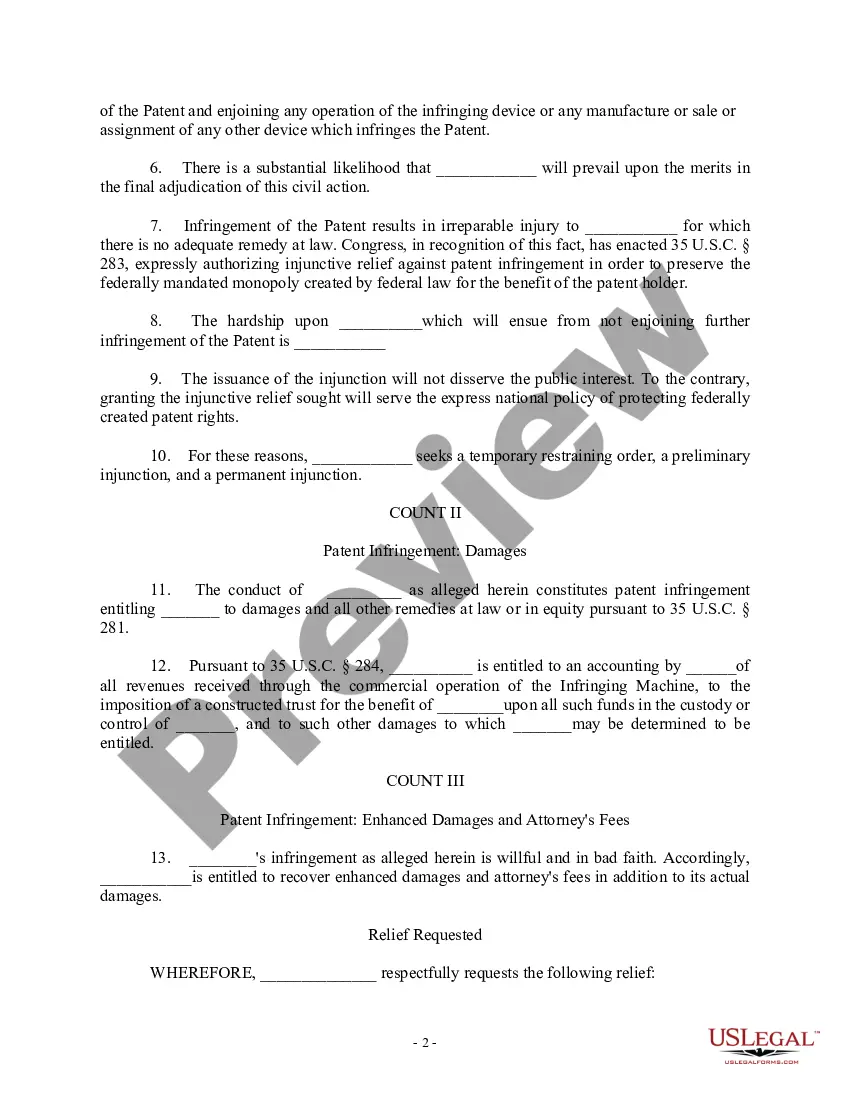
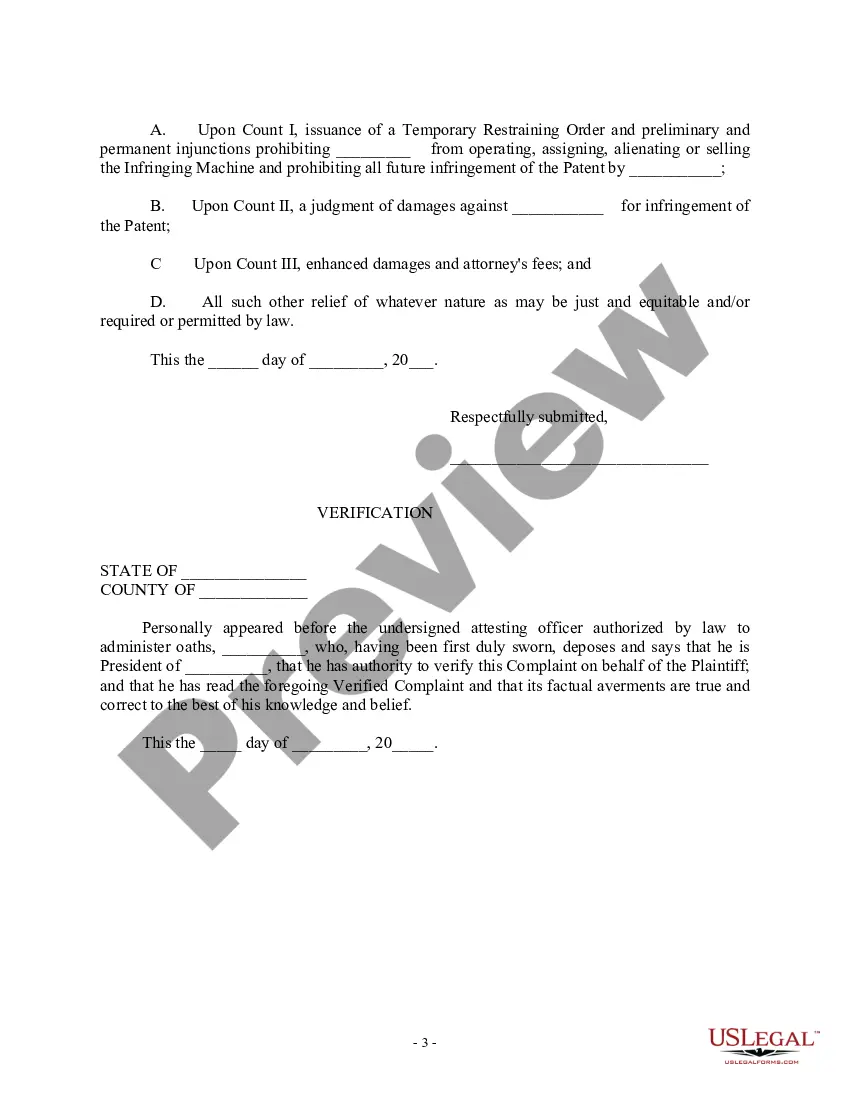
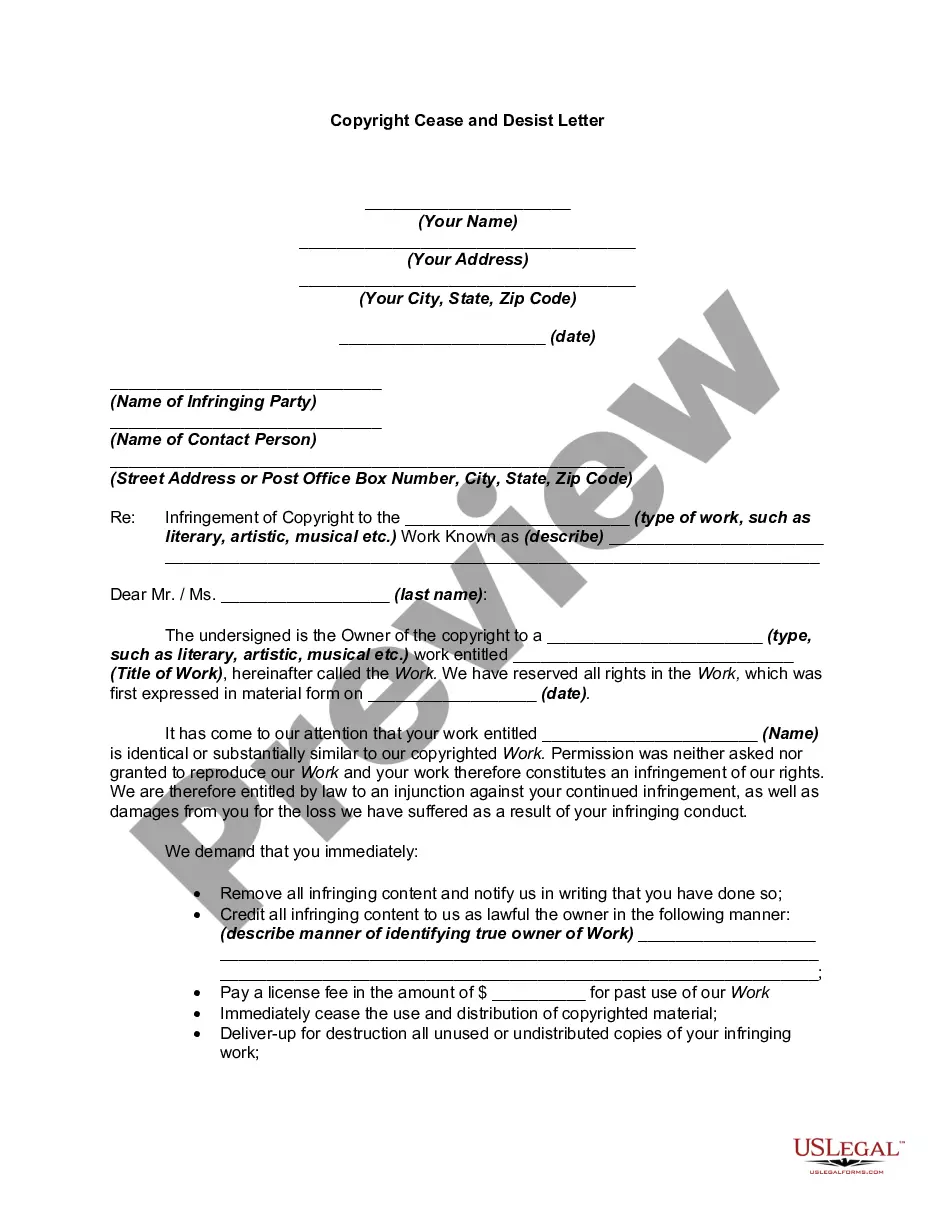
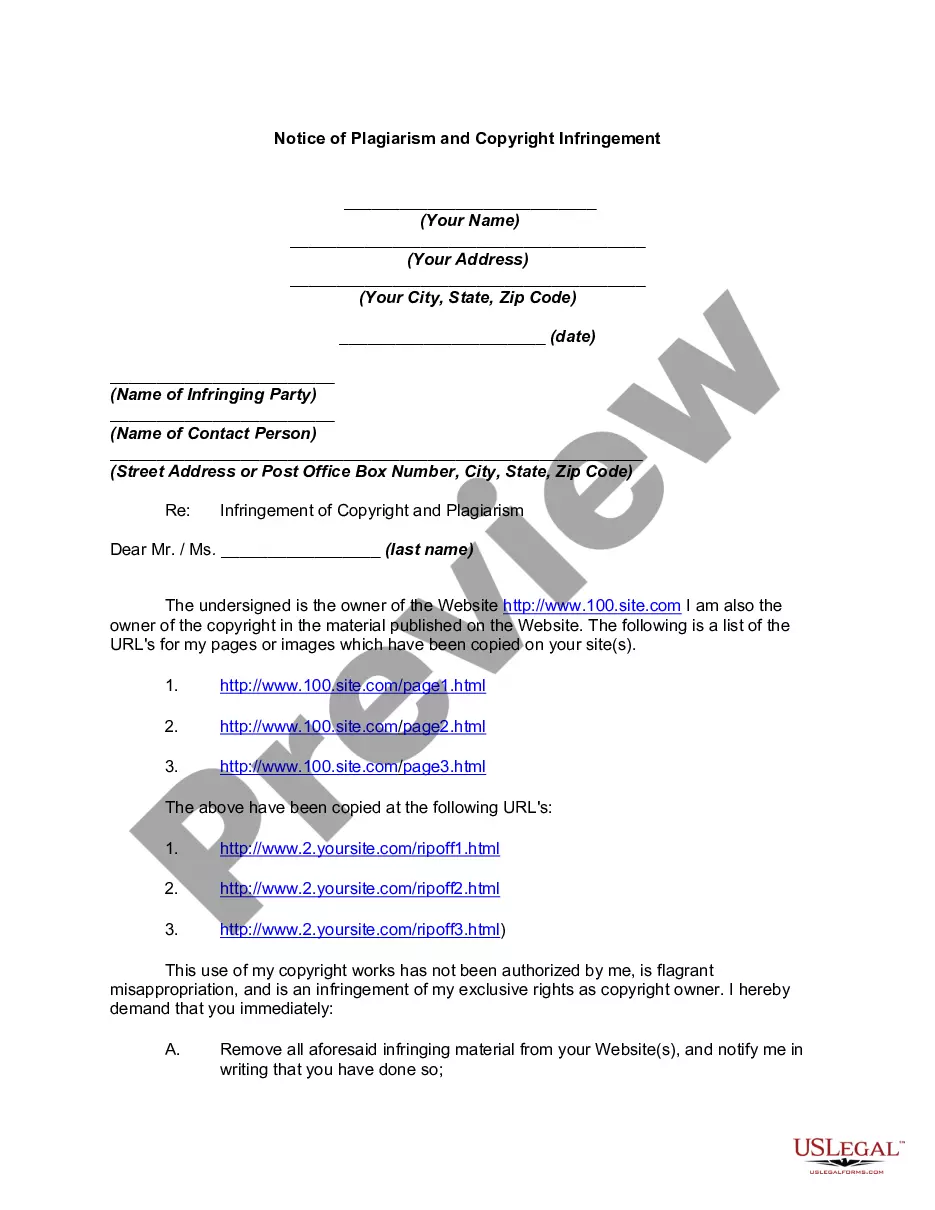
Get your form ready online
Our built-in tools help you complete, sign, share, and store your documents in one place.
Make edits, fill in missing information, and update formatting in US Legal Forms—just like you would in MS Word.
Download a copy, print it, send it by email, or mail it via USPS—whatever works best for your next step.
Sign and collect signatures with our SignNow integration. Send to multiple recipients, set reminders, and more. Go Premium to unlock E-Sign.
If this form requires notarization, complete it online through a secure video call—no need to meet a notary in person or wait for an appointment.
We protect your documents and personal data by following strict security and privacy standards.

Make edits, fill in missing information, and update formatting in US Legal Forms—just like you would in MS Word.

Download a copy, print it, send it by email, or mail it via USPS—whatever works best for your next step.

Sign and collect signatures with our SignNow integration. Send to multiple recipients, set reminders, and more. Go Premium to unlock E-Sign.

If this form requires notarization, complete it online through a secure video call—no need to meet a notary in person or wait for an appointment.

We protect your documents and personal data by following strict security and privacy standards.
Looking for another form?







Form popularity
FAQ
Requirements for filing a provisional application: A detailed written description of the invention including drawings. Title of the invention. Name(s) of all inventors. Inventor(s) residence(s) Name and registration number of attorney or agent and docket number (if applicable) Correspondence address.
The five primary requirements for patentability are: (1) patentable subject matter; (2) utility; (3) novelty; (4) non-obviousness; and (5) enablement. Like trademarks, patents are territorial, meaning they are enforceable in a specific geographic area.
The Wright Brothers' “Flying Machine" The Wright brothers, Orville and Wilbur Wright, secured a patent for their “flying machine” in 1906. Their invention (patent number US821393A) detailed an innovative method for controlling an aircraft in flight.
A provisional application is a quick, inexpensive way for you to establish a U.S. filing date for your invention that can be claimed in a later-filed U.S. nonprovisional, PCT, and/or foreign application. Provisional applications will not be examined and never lead to patents by themselves.
The five primary requirements for patentability are: (1) patentable subject matter; (2) utility; (3) novelty; (4) non-obviousness; and (5) enablement. Like trademarks, patents are territorial, meaning they are enforceable in a specific geographic area.
Examples include: the MPEG LA Licensing programme, which licenses patents essential for MPEG-2, MPEG-4, and other technologies, is an example of an open patent pool; and. the Dolby Laboratories' Licensing programme for audio technologies, where Dolby itself manages the licensing of patents within the pool.
A patent can be viewed as a sort of mini-monopoly in that the patent owner is granted the power to prevent others from using their protected technology without a license or other permission. However, it is always possible for others to negotiate with the patent owner to make use of the technology.
Coca-Cola's formula has never been patented for this very reason. Instead, the company has relied on secrecy and robust internal policies to keep its recipe out of competitors' hands for over 138+ years.
Examples of patentable inventions include chemical compounds, computer hardware, machines, drugs, mechanical devices and industrial processes. The iPhone, 3D printer, helicopter drone, solar panel, GPS and bionic eye would be classic examples.
