Patent Infringement In Pharmaceutical Industry In Bronx
Description

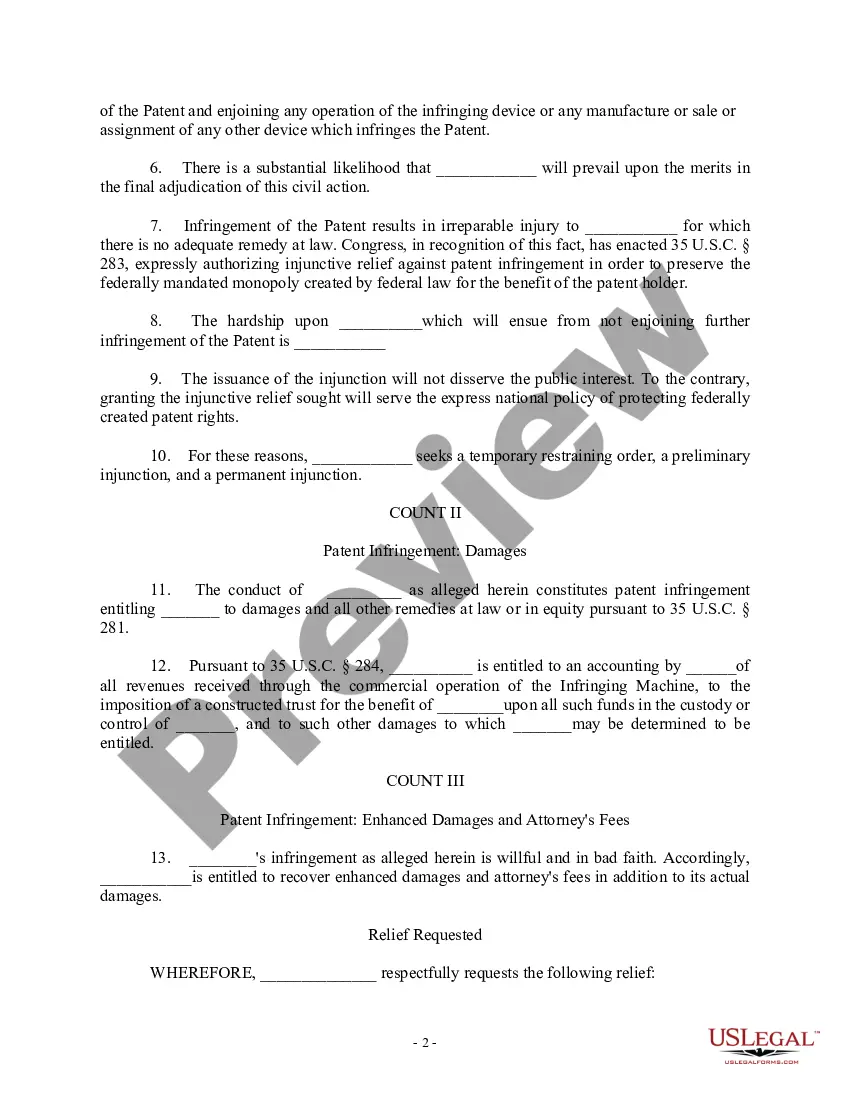
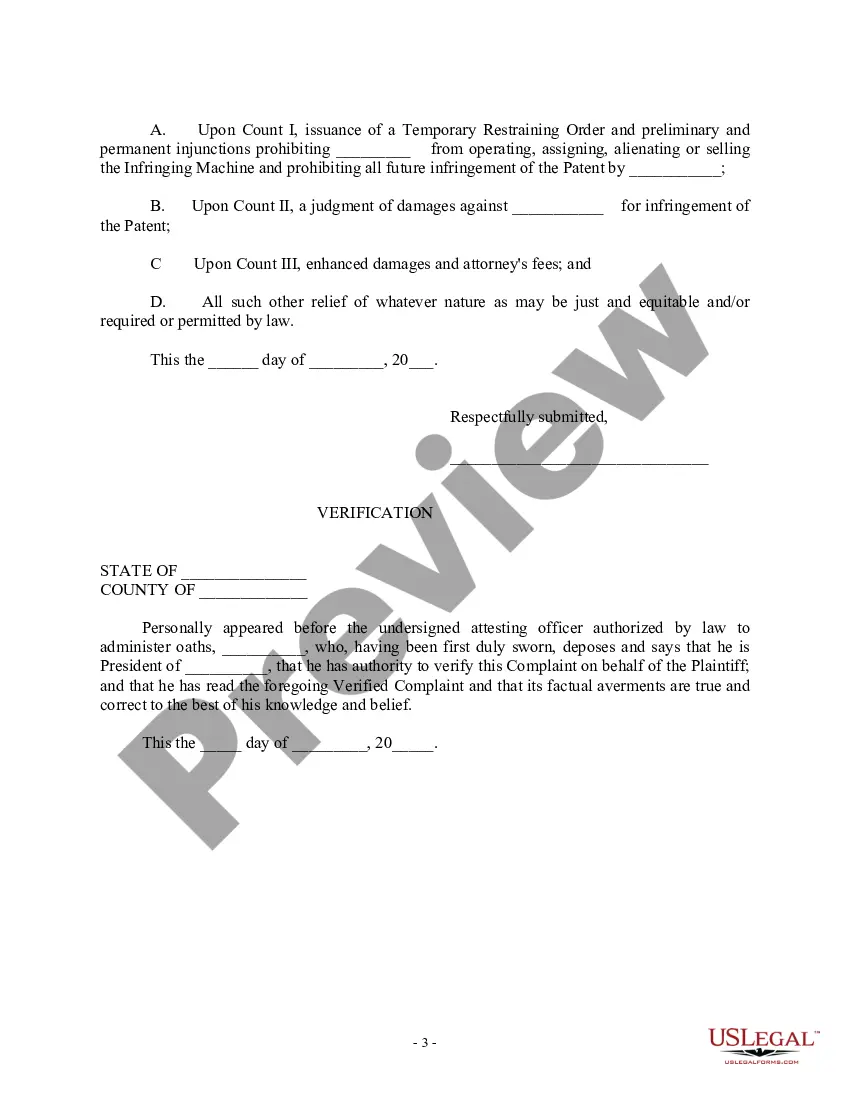
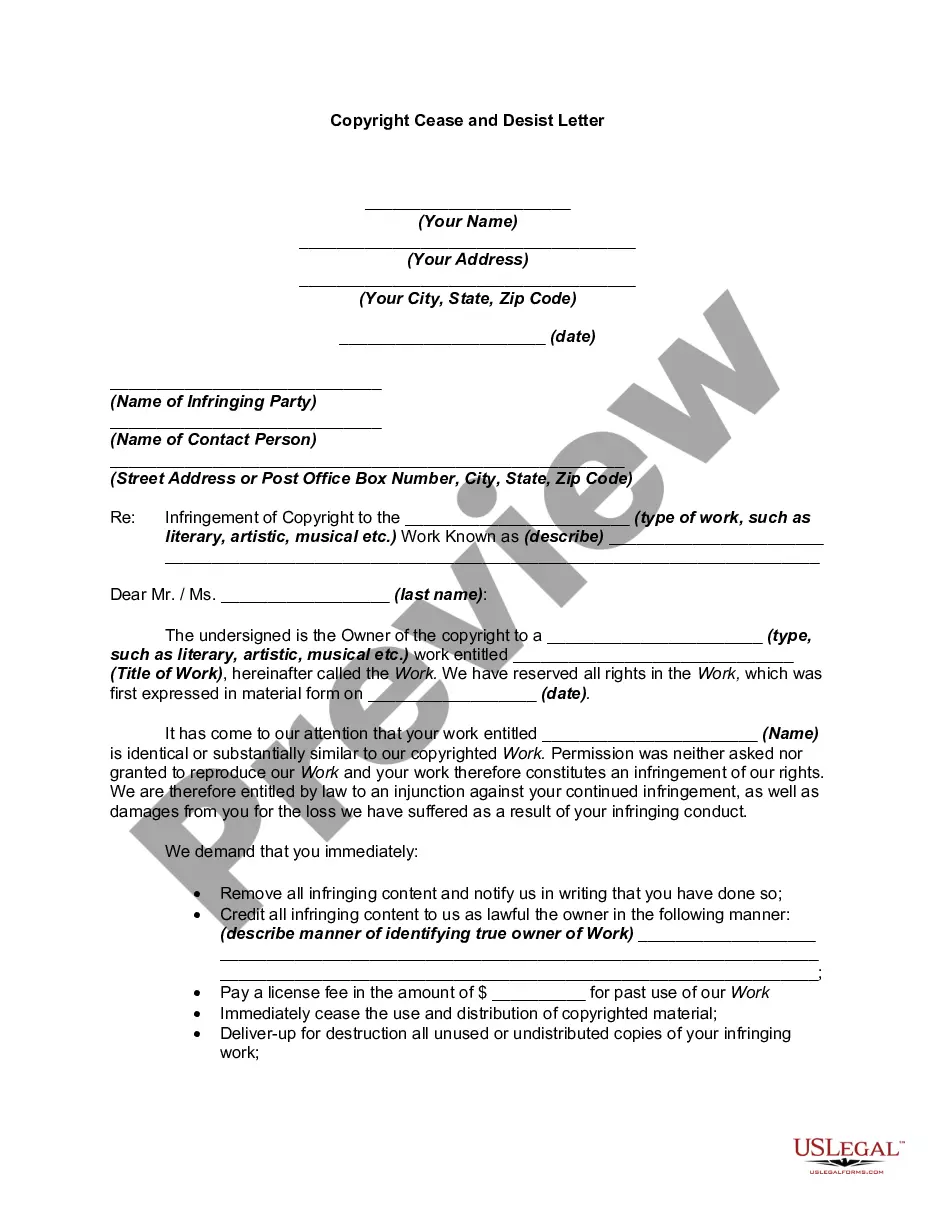
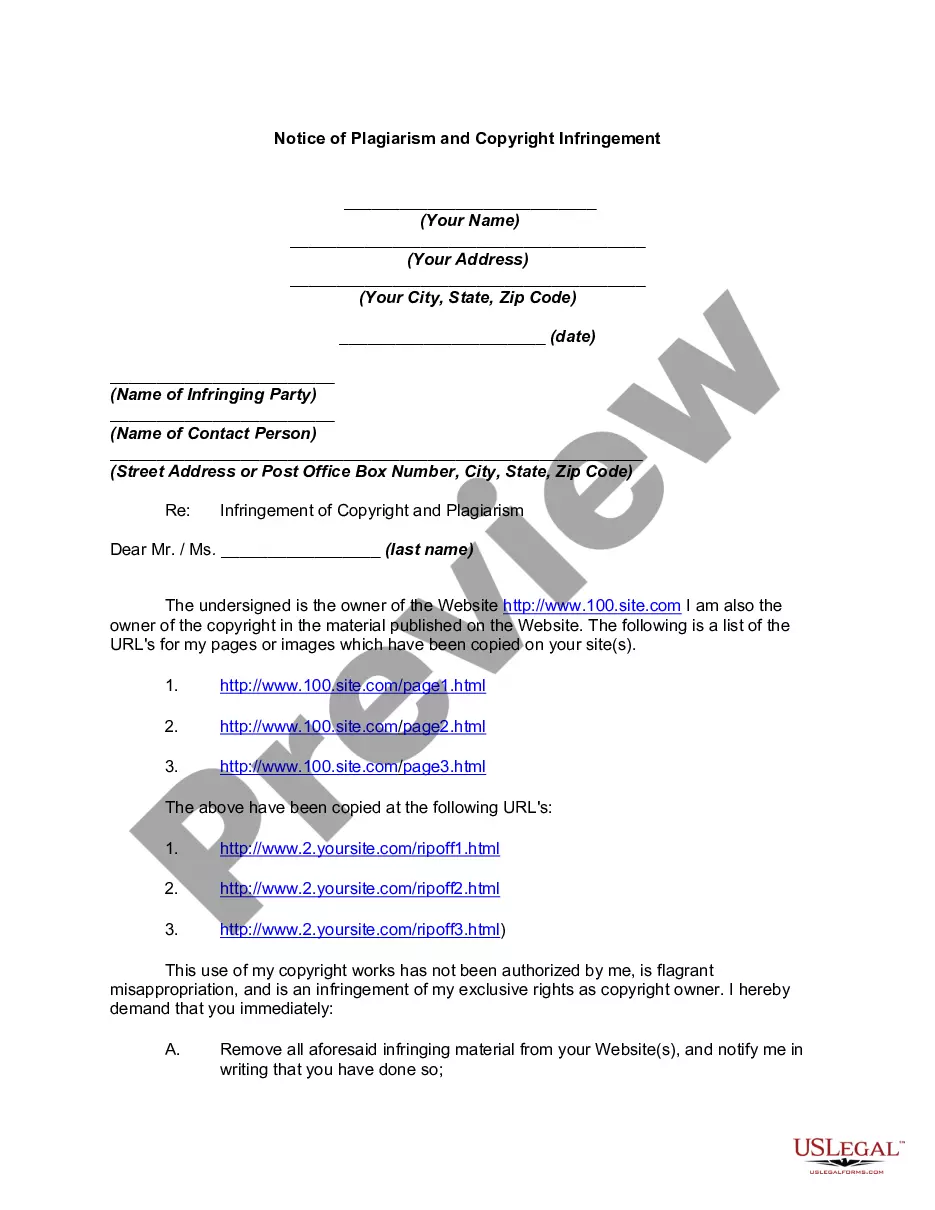
Get your form ready online
Our built-in tools help you complete, sign, share, and store your documents in one place.
Make edits, fill in missing information, and update formatting in US Legal Forms—just like you would in MS Word.
Download a copy, print it, send it by email, or mail it via USPS—whatever works best for your next step.
Sign and collect signatures with our SignNow integration. Send to multiple recipients, set reminders, and more. Go Premium to unlock E-Sign.
If this form requires notarization, complete it online through a secure video call—no need to meet a notary in person or wait for an appointment.
We protect your documents and personal data by following strict security and privacy standards.

Make edits, fill in missing information, and update formatting in US Legal Forms—just like you would in MS Word.

Download a copy, print it, send it by email, or mail it via USPS—whatever works best for your next step.

Sign and collect signatures with our SignNow integration. Send to multiple recipients, set reminders, and more. Go Premium to unlock E-Sign.

If this form requires notarization, complete it online through a secure video call—no need to meet a notary in person or wait for an appointment.

We protect your documents and personal data by following strict security and privacy standards.
Looking for another form?






Form popularity
FAQ
There are three steps involved: Discovering the details of the accused activity; Studying the claims of the patent; and. Comparing the accused activity to the patent claims.
Patent infringement is not a crime. Instead, patent rights are enforced through civil litigation. Next, the court will look at whether a particular device literally infringes the claim. The elements of each of the patent's claims will be compared with the invention that is claimed to be infringing.
Getting Started in Litigation Your attorney will file a formal complaint in federal court, explaining how the defendant has infringed on your patent. Together with your attorney, you will need to compile evidence of your ownership of the patent and the infringement.
Patent infringement lawsuits can vary in duration but generally take one to three years to resolve.
Jurisdiction for Patent Litigation matters in India As per Section 104, a person filing a suit for infringement of patent or for declaration under Section 105 or seeking any relief under Section 106, shall do so in a “district court” having jurisdiction to try the suit.
The infringement analysis is a two-step inquiry. First, the Court must determine the scope and meaning of the claim(s) at issue as a matter of law . Second, the finder of fact must compare the accused product to the properly construed claim to determine whether there has been an infringement.
Patent infringement consists of “unauthorized making, using, offering for sale, or selling any patented invention within the United States, or importing into the United States any patented invention during its term.” You the patent owner may sue in federal court to stop the infringement and ask for financial damages.
Patent infringement is the unlawful use, selling, or copying of a patented invention. United States patent law protects such inventions. A patent is a type of intellectual property that the inventor could seek protection by filing a patent application.
A patent holder must sue the unauthorized party in federal district court. The patent holder can sue in any federal court where the infringed product is found. Patent lawsuits are time-consuming. Depending on where you live, these suits can take years to get to trial.
So, let's get started. Step 1: Idea incubation phase. Step 2: Patentability search (optional step) ... Step 3: Patent drafting/writing. Step 4: Filing patent application. Step 5: Publication of application. Step 6: Request for examination (RFE) ... Step 7: Response to objections. Step 8: Grant of patent.