Patent For Toilet Paper In Bronx
Description

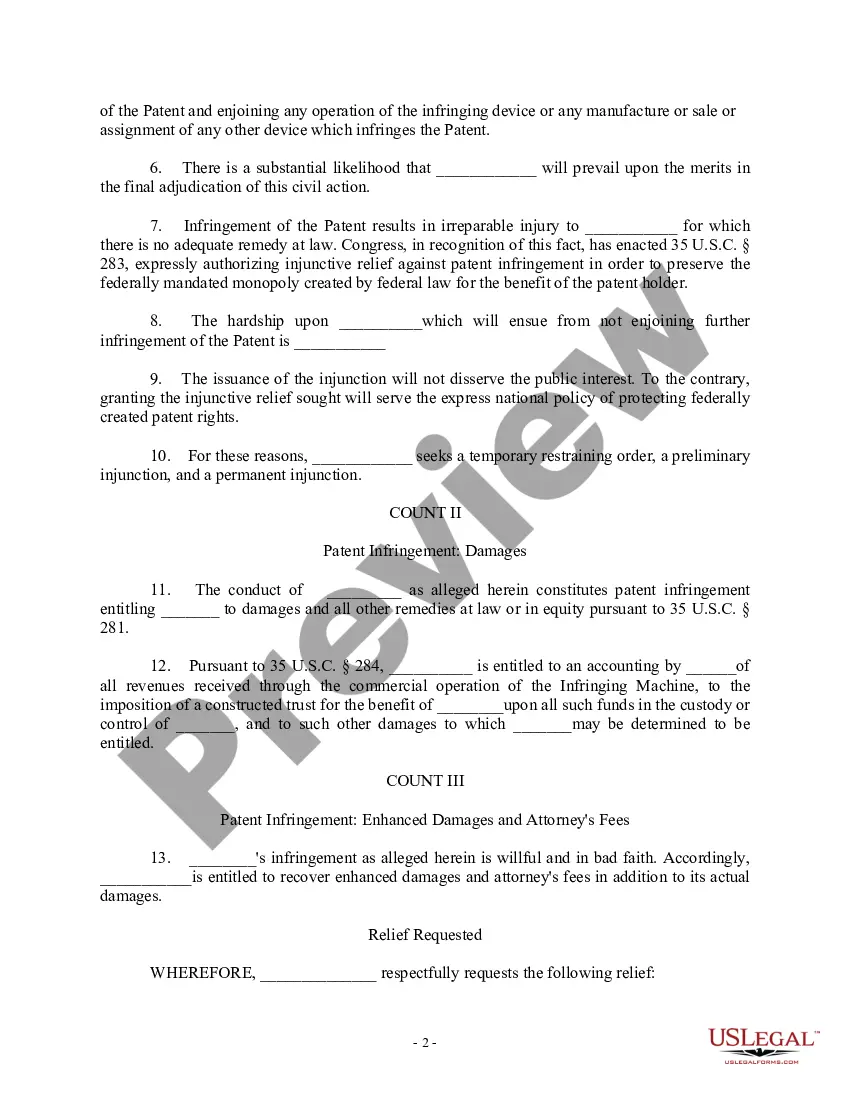
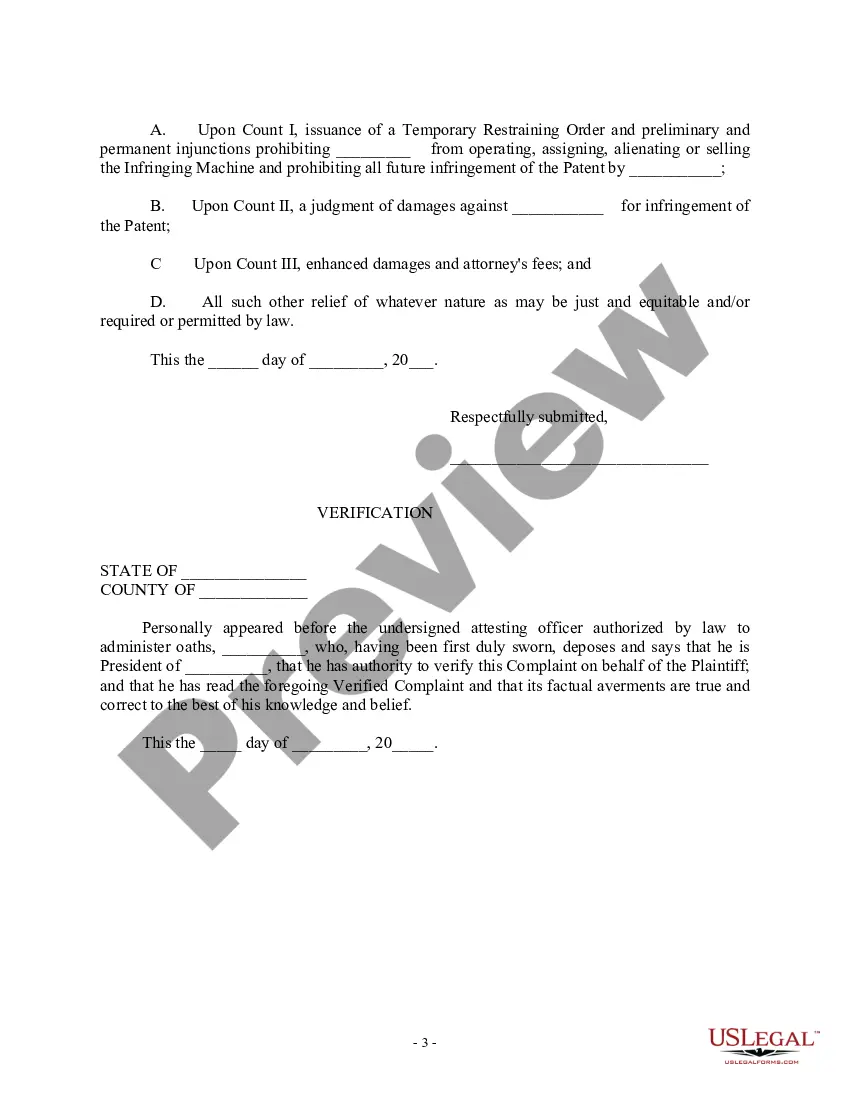
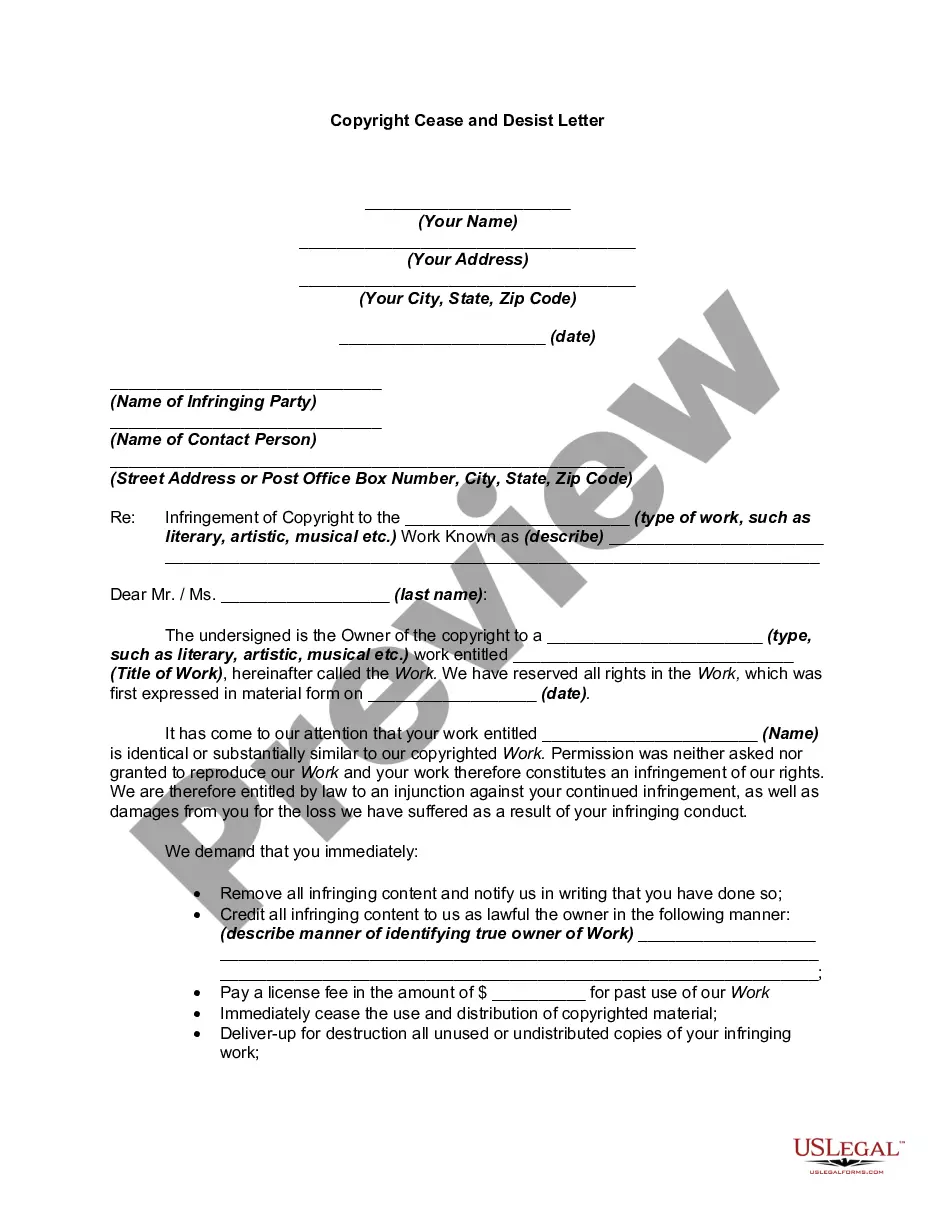
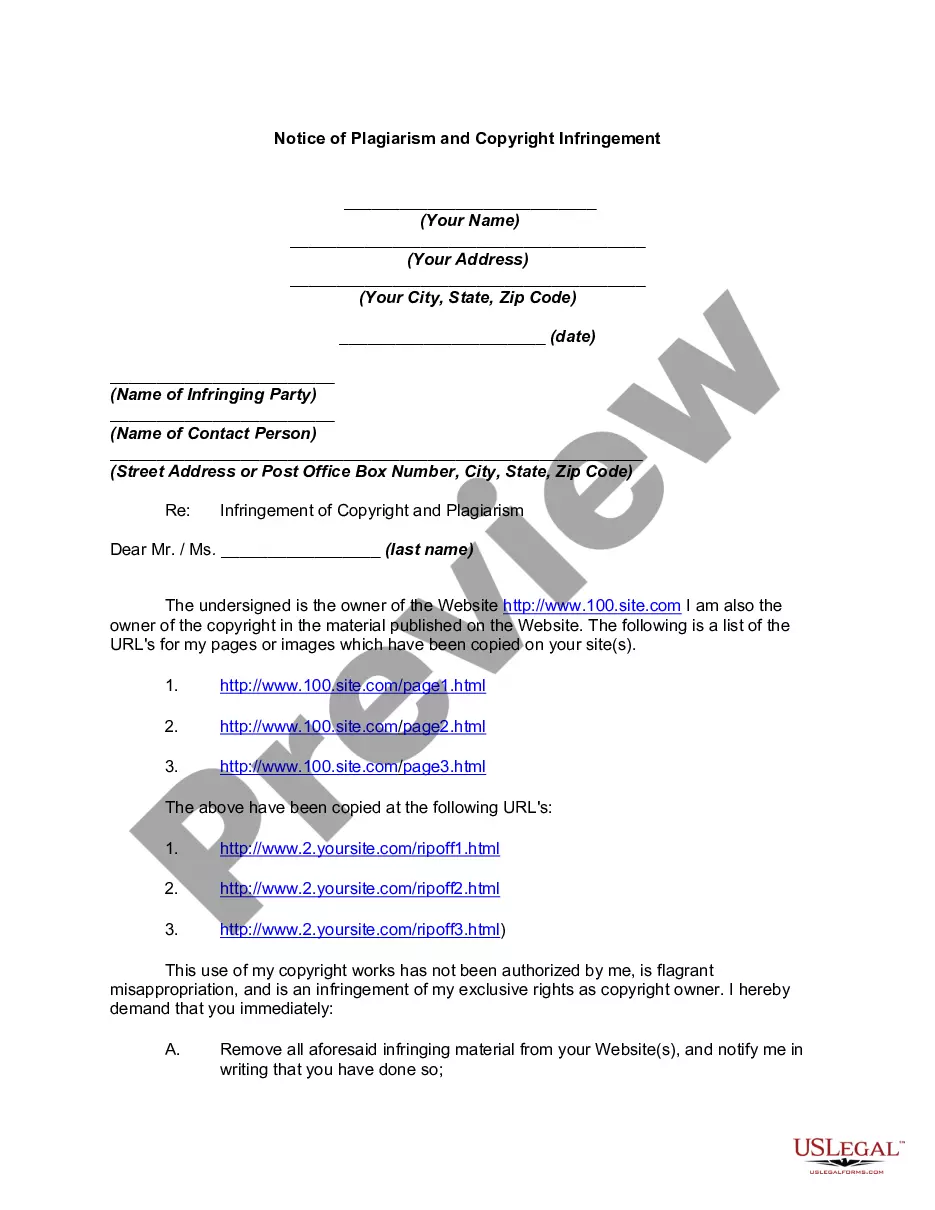
Get your form ready online
Our built-in tools help you complete, sign, share, and store your documents in one place.
Make edits, fill in missing information, and update formatting in US Legal Forms—just like you would in MS Word.
Download a copy, print it, send it by email, or mail it via USPS—whatever works best for your next step.
Sign and collect signatures with our SignNow integration. Send to multiple recipients, set reminders, and more. Go Premium to unlock E-Sign.
If this form requires notarization, complete it online through a secure video call—no need to meet a notary in person or wait for an appointment.
We protect your documents and personal data by following strict security and privacy standards.

Make edits, fill in missing information, and update formatting in US Legal Forms—just like you would in MS Word.

Download a copy, print it, send it by email, or mail it via USPS—whatever works best for your next step.

Sign and collect signatures with our SignNow integration. Send to multiple recipients, set reminders, and more. Go Premium to unlock E-Sign.

If this form requires notarization, complete it online through a secure video call—no need to meet a notary in person or wait for an appointment.

We protect your documents and personal data by following strict security and privacy standards.
Looking for another form?






Form popularity
FAQ
The toilet roll debate dates back to 1891 with Seth Wheeler's patent, which showed the roll hanging "over". This could be due to hygiene reasons (less contact with potentially germ-infested walls) or aesthetic preferences during the Victorian era.
Application really isn't the poor man's. Patent it's a placeholder. It gives you the priority dateMoreApplication really isn't the poor man's. Patent it's a placeholder. It gives you the priority date of when you submitted your invention to the patent.
An immediate improvement filed by Seth Wheeler, which was granted on December 22, 1891, as patent number US465588A. In Wheeler's improved patent for toilet paper he described the idea of perforated toilet paper on a roll.
The five primary requirements for patentability are: (1) patentable subject matter; (2) utility; (3) novelty; (4) non-obviousness; and (5) enablement. Like trademarks, patents are territorial, meaning they are enforceable in a specific geographic area.
Attach Toilet Paper Holder For both types of holders, place the bracket on the wall over the drill marks with the bracket's arrows pointing up.
Format of a Patent Application The Specification. The Title. The Description. The Claims. The Drawings. The Abstract. Sample Specifications. Minimum Requirements for a Filing Date.
Figure 1 specifically shows the roll on a toilet paper holder, still facing outward. Thus, this means the answer to the contested question of “should a toilet paper roll face over or under when on the holder?” is answered. The answer is it should face OVER.
McNatt, Cindy (22 April 2010), "Easy ways to go green for Earth Day", The Orange County Register, Factiva OCR0000020100503e64p0002t, Planet Green says that if you hang your toilet paper roll so the paper comes out over the top, not from under, you'll save on toilet paper.
Seth Wheeler's 1891 patent shows the original placement of the toilet paper roll using an "over" approach. Not that you should ever blindly follow the crowd, but a whopping 70% of the population prefers the “over” position.
