Patent Infringement In Pharmaceutical Industry In Bexar
Description

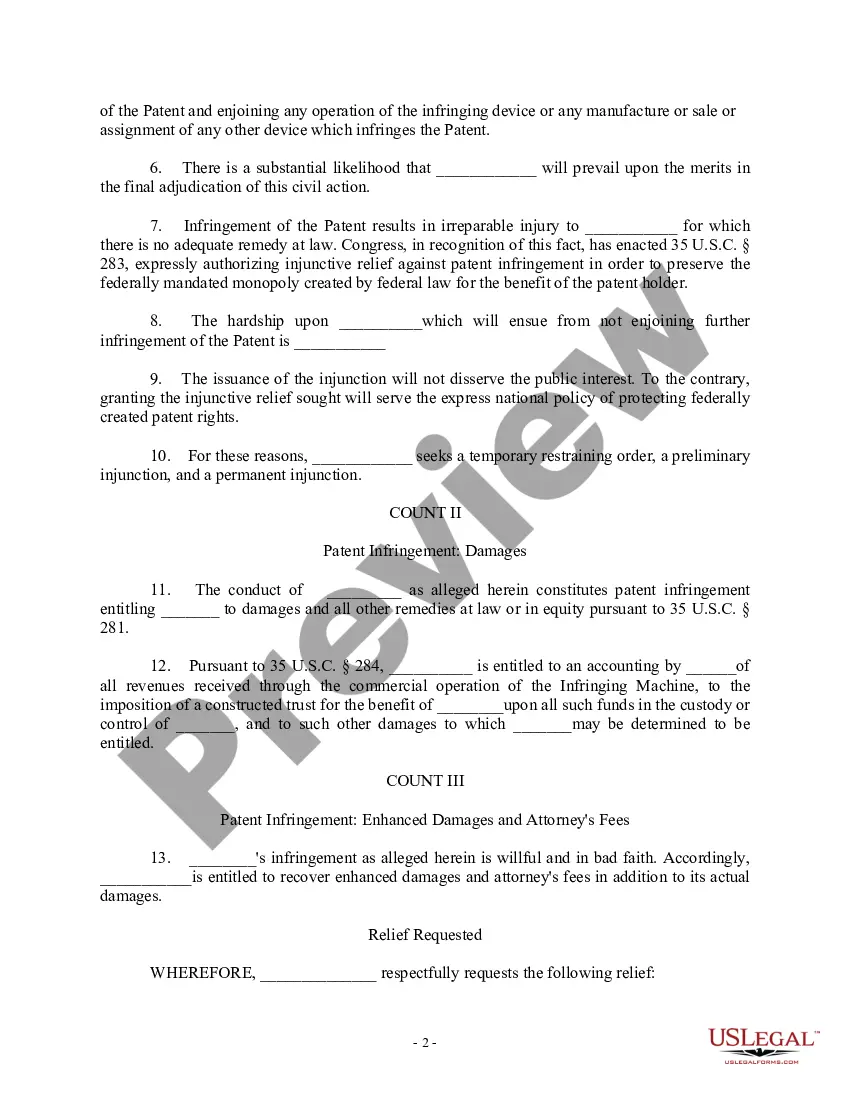
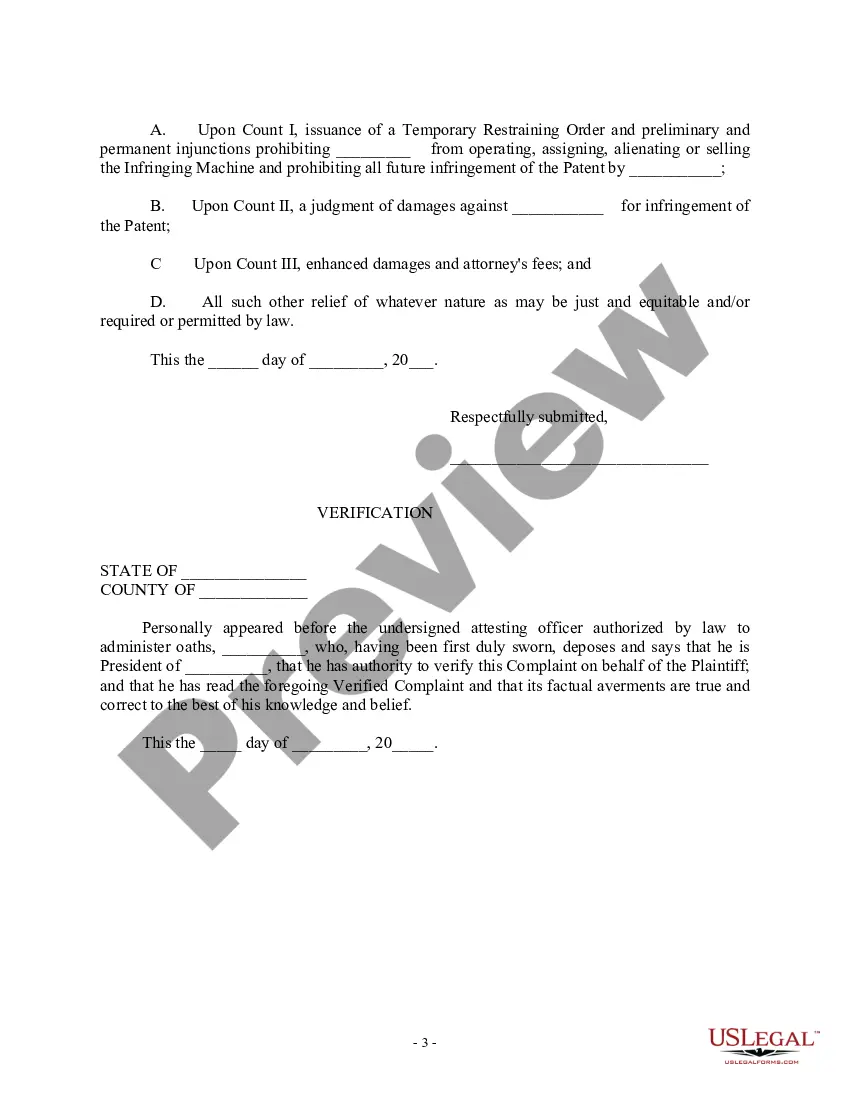
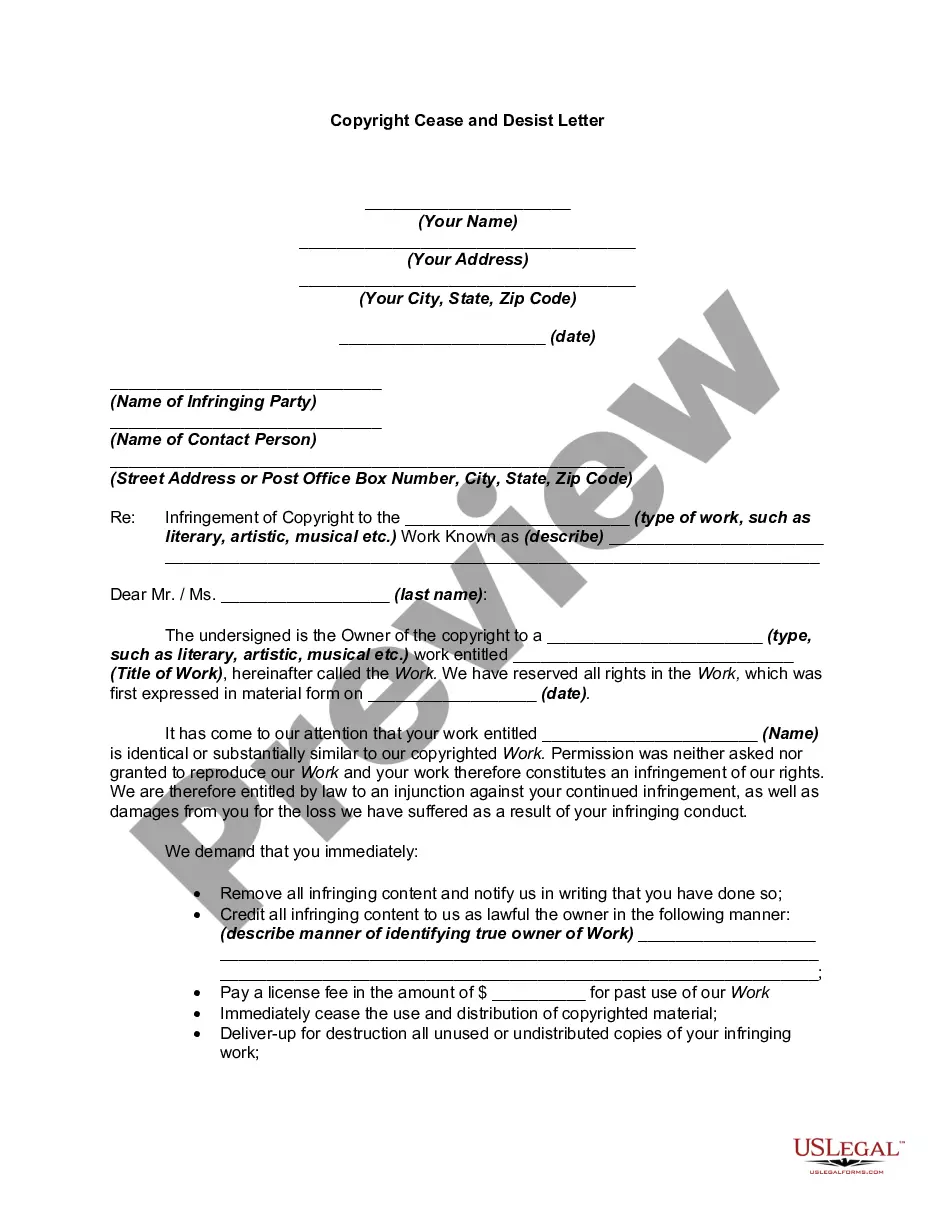
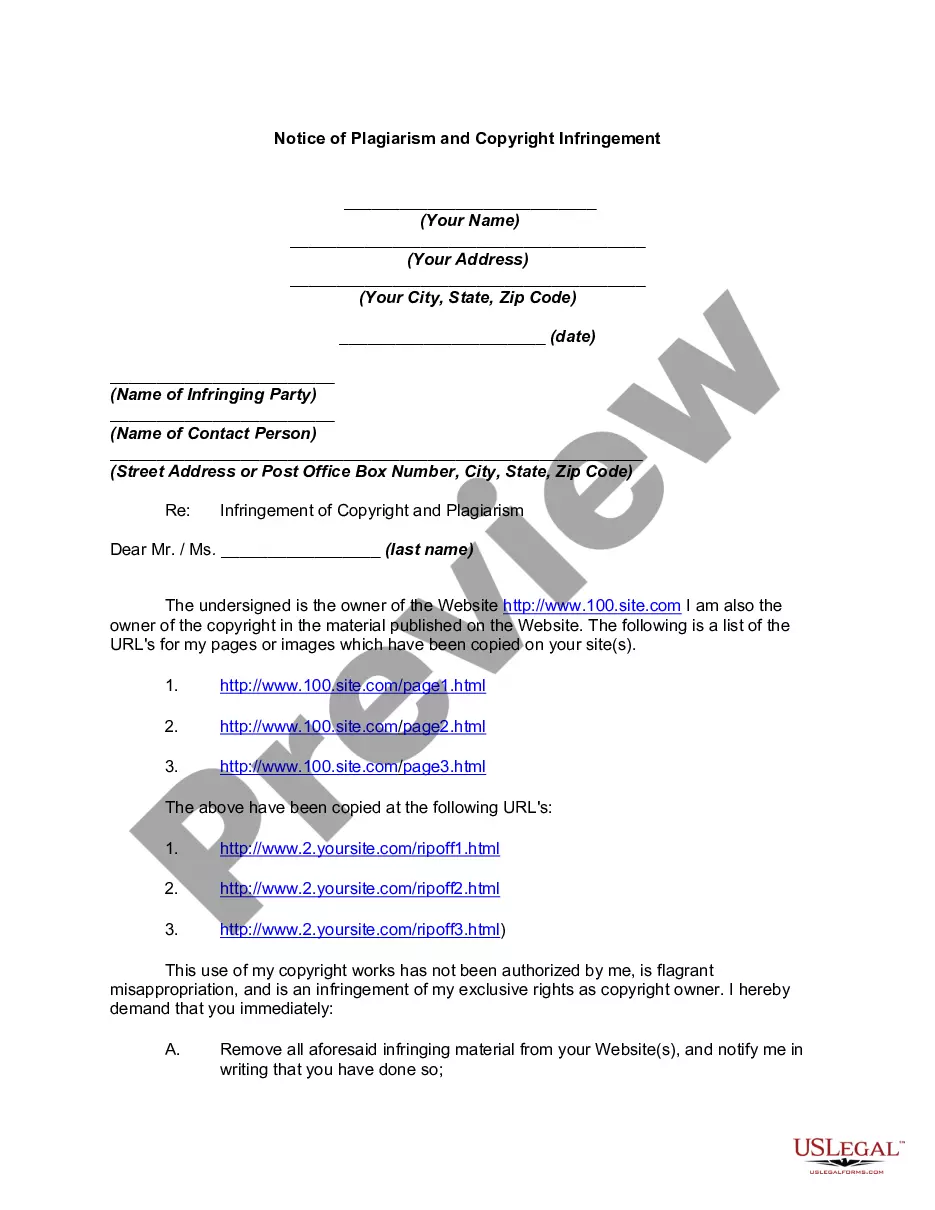
Get your form ready online
Our built-in tools help you complete, sign, share, and store your documents in one place.
Make edits, fill in missing information, and update formatting in US Legal Forms—just like you would in MS Word.
Download a copy, print it, send it by email, or mail it via USPS—whatever works best for your next step.
Sign and collect signatures with our SignNow integration. Send to multiple recipients, set reminders, and more. Go Premium to unlock E-Sign.
If this form requires notarization, complete it online through a secure video call—no need to meet a notary in person or wait for an appointment.
We protect your documents and personal data by following strict security and privacy standards.

Make edits, fill in missing information, and update formatting in US Legal Forms—just like you would in MS Word.

Download a copy, print it, send it by email, or mail it via USPS—whatever works best for your next step.

Sign and collect signatures with our SignNow integration. Send to multiple recipients, set reminders, and more. Go Premium to unlock E-Sign.

If this form requires notarization, complete it online through a secure video call—no need to meet a notary in person or wait for an appointment.

We protect your documents and personal data by following strict security and privacy standards.
Looking for another form?







Form popularity
FAQ
Patent infringement lawsuits are heard almost exclusively in the federal district courts, while appeals in patent infringement cases are heard exclusively by the federal appellate courts—and since 1982, the U.S. Court of Appeals for the Federal Circuit.
Getting Started in Litigation Your attorney will file a formal complaint in federal court, explaining how the defendant has infringed on your patent. Together with your attorney, you will need to compile evidence of your ownership of the patent and the infringement.
Patents grant pharmaceutical corporations exclusive rights to market pharmaceuticals and ban others from manufacturing, selling, or manufacturing these drugs for 20 years. IPR is required for pharmaceutical businesses to identify, plan, commercialize, and protect their inventions.
Originators argue that strong patent protection is essential in order to recoup investments, as well as to incentivise them to engage in further innovation. 20 Once such patent protection expires, however, other companies may develop generics of a branded drug, and start competing with the originator for the market.
A patent only gives an inventor the right to prevent others from using the patented invention. It says nothing about whether the product is safe for consumers and whether it can be supplied. Patented pharmaceuticals still have to go through rigorous testing and approval before they can be put on the market.
Patent protection is particularly important for the pharmaceutical industry. As the development of a drug is very expensive and time-consuming, pharmaceutical companies require sufficient protection to recoup their investments and earn profits, which in turn would allow financing further R&D.
Getting Started in Litigation Your attorney will file a formal complaint in federal court, explaining how the defendant has infringed on your patent. Together with your attorney, you will need to compile evidence of your ownership of the patent and the infringement.
Typically, a party (other than the patentee or licensee of the patentee) that manufactures, imports, uses, sells, or offers for sale patented technology without permission/license from the patentee, during the term of the patent and within the country that issued the patent, is considered to infringe the patent.
Patent infringement is the unlawful use, selling, or copying of a patented invention. United States patent law protects such inventions. A patent is a type of intellectual property that the inventor could seek protection by filing a patent application.
Patent infringement lawsuits can vary in duration but generally take one to three years to resolve.