Patent Without Stenosis Meaning In Alameda
Description

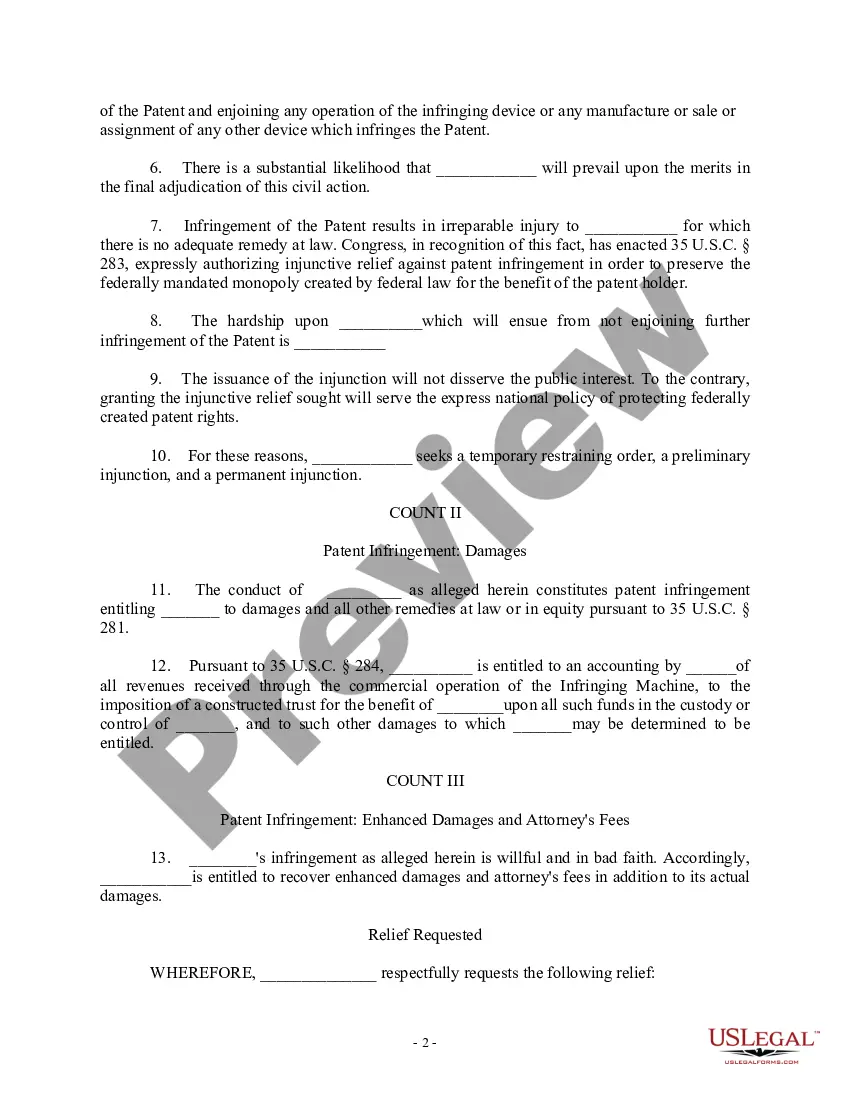
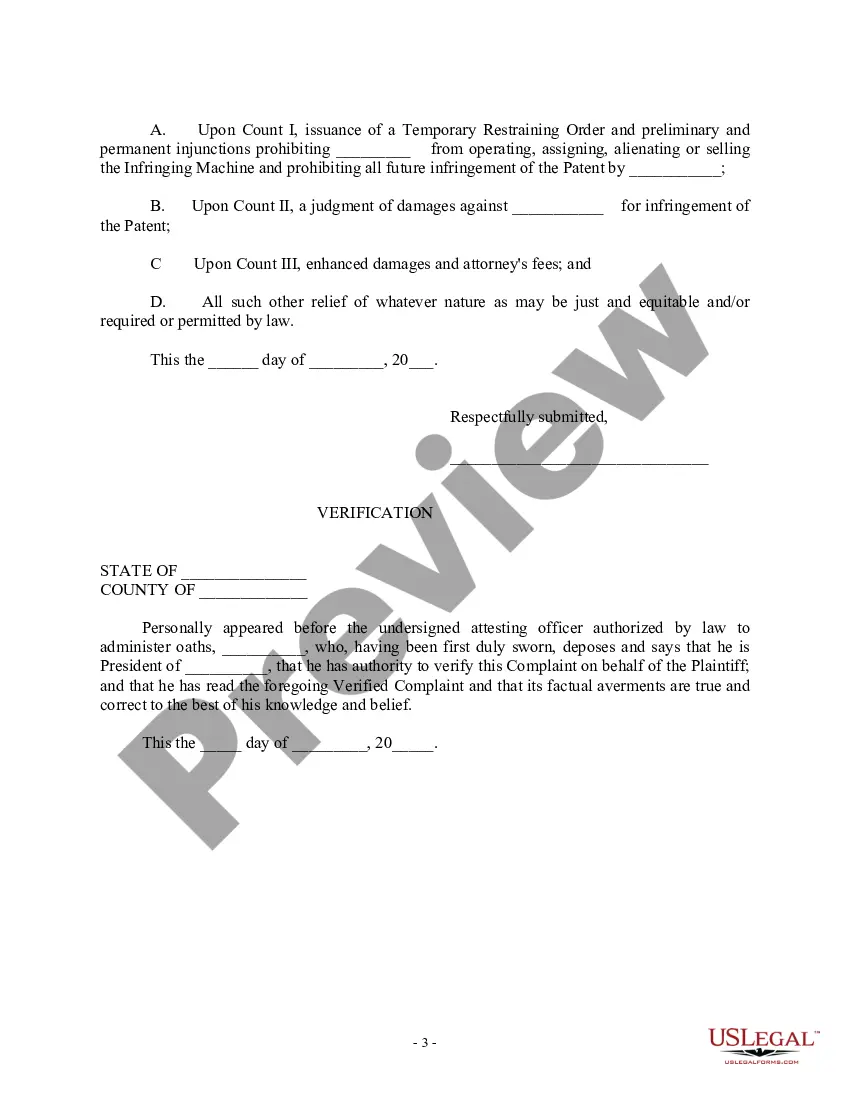
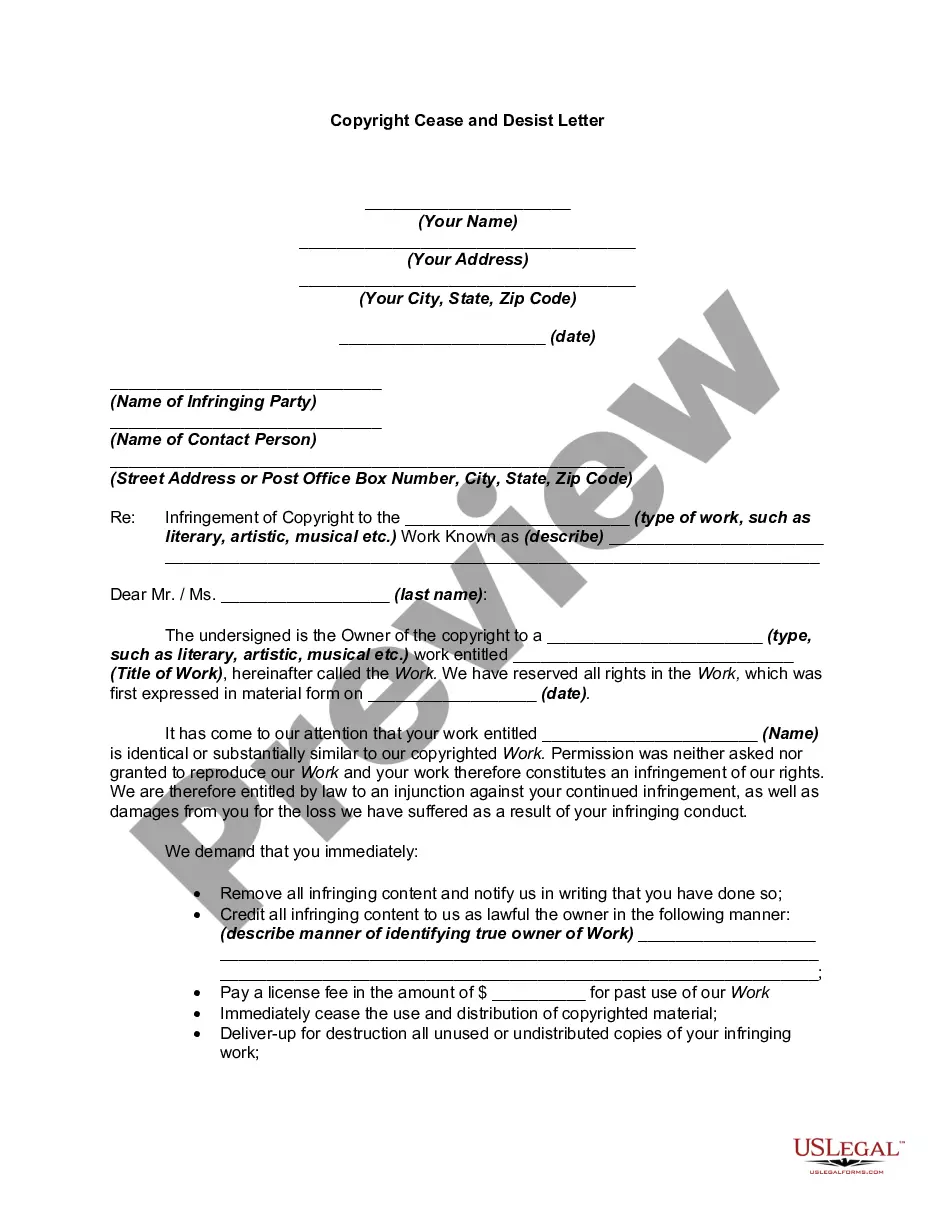
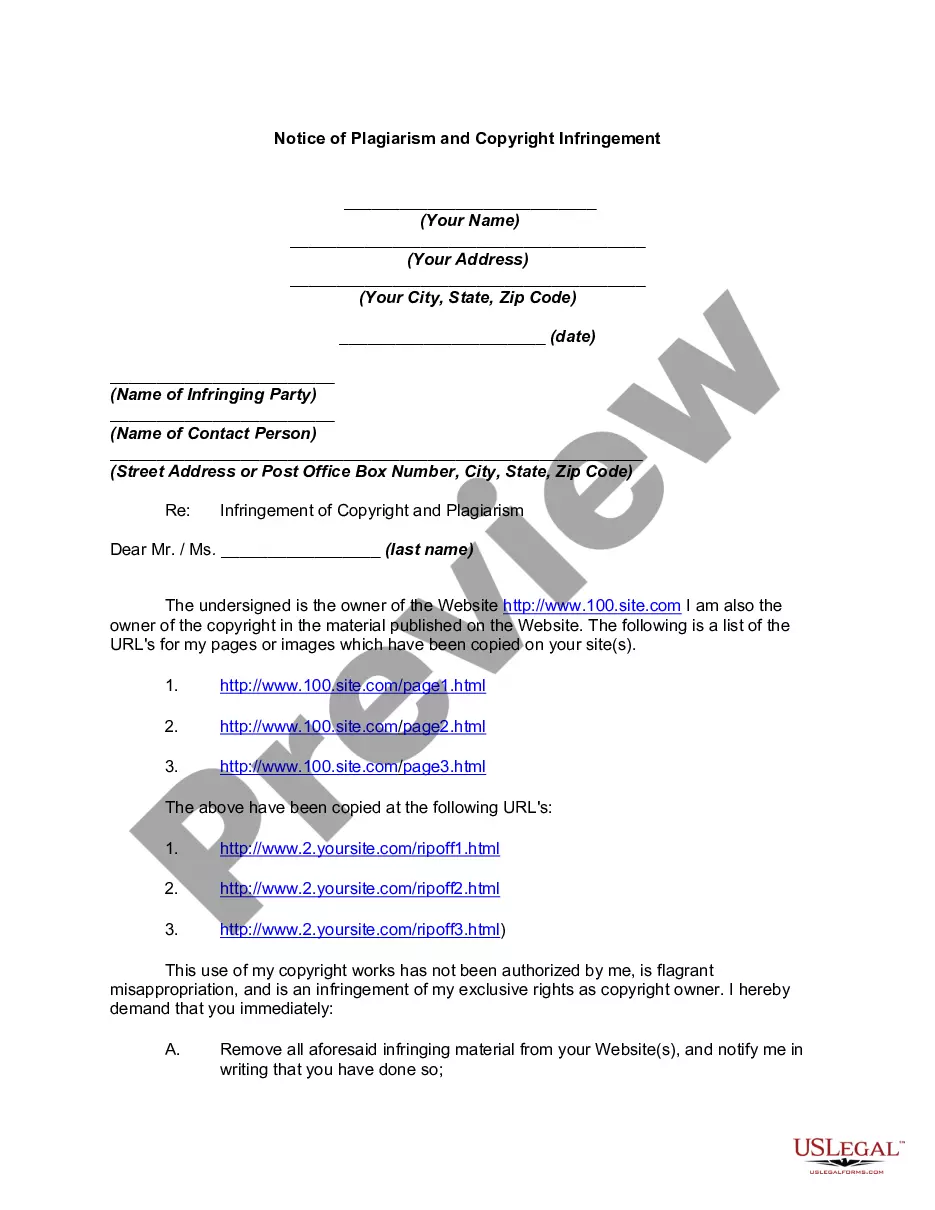
Get your form ready online
Our built-in tools help you complete, sign, share, and store your documents in one place.
Make edits, fill in missing information, and update formatting in US Legal Forms—just like you would in MS Word.
Download a copy, print it, send it by email, or mail it via USPS—whatever works best for your next step.
Sign and collect signatures with our SignNow integration. Send to multiple recipients, set reminders, and more. Go Premium to unlock E-Sign.
If this form requires notarization, complete it online through a secure video call—no need to meet a notary in person or wait for an appointment.
We protect your documents and personal data by following strict security and privacy standards.

Make edits, fill in missing information, and update formatting in US Legal Forms—just like you would in MS Word.

Download a copy, print it, send it by email, or mail it via USPS—whatever works best for your next step.

Sign and collect signatures with our SignNow integration. Send to multiple recipients, set reminders, and more. Go Premium to unlock E-Sign.

If this form requires notarization, complete it online through a secure video call—no need to meet a notary in person or wait for an appointment.

We protect your documents and personal data by following strict security and privacy standards.
Looking for another form?








Form popularity
FAQ
The word "patent" means open. The ductus arteriosus is a blood vessel that allows blood to go around the baby's lungs before birth. Soon after the infant is born and the lungs fill with air, the ductus arteriosus is no longer needed. It most often closes in a couple of days after birth.
Stenosis or Stricture. Stenosis and stricture are medical terms that mean a passageway inside your body is narrower than it should be. Your heart valves, intestines, esophagus and trachea are all examples of passageways that can become too narrow.
The word "patent" means open. The ductus arteriosus is a blood vessel that allows blood to go around the baby's lungs before birth. Soon after the infant is born and the lungs fill with air, the ductus arteriosus is no longer needed. It most often closes in a couple of days after birth.
A small patent ductus arteriosus often doesn't cause problems and might never need treatment. However, a large, untreated patent ductus arteriosus can let oxygen-poor blood move the wrong way. This can weaken the heart muscle, causing heart failure and other complications.
The ductus arteriosus should close on its own within a few days after birth. When the opening does not close, this connection between arteries is considered a patent, or open, ductus arteriosus. Small connections may not cause problems, but larger connections can cause a range of symptoms and require closure.
A nonprovisional utility patent application must include a specification, including a description and a claim or claims; drawings, when necessary; an oath or declaration; and the prescribed filing, search, and examination fees. Patent Center accepts electronic documents formatted in DOCX.
There are three types of patents: utility, design and plant. Utility and plant patent applications can be provisional and nonprovisional. Provisional applications may not be filed for design inventions.
Format of a Patent Application The Specification. The Title. The Description. The Claims. The Drawings. The Abstract. Sample Specifications. Minimum Requirements for a Filing Date.
The types of patent application are: Provisional Application. Ordinary or Non-Provisional Application. Convention Application. PCT International Application. PCT National Phase Application. Patent of Addition. Divisional Application.
Patent applications: the three criteria Novelty. This means that your invention must not have been made public – not even by yourself – before the date of the application. Inventive step. This means that your product or process must be an inventive solution. Industrial applicability.
