False Jury For Criminal Cases In Virginia
Description






Get your form ready online
Our built-in tools help you complete, sign, share, and store your documents in one place.
Make edits, fill in missing information, and update formatting in US Legal Forms—just like you would in MS Word.
Download a copy, print it, send it by email, or mail it via USPS—whatever works best for your next step.
Sign and collect signatures with our SignNow integration. Send to multiple recipients, set reminders, and more. Go Premium to unlock E-Sign.
If this form requires notarization, complete it online through a secure video call—no need to meet a notary in person or wait for an appointment.
We protect your documents and personal data by following strict security and privacy standards.

Make edits, fill in missing information, and update formatting in US Legal Forms—just like you would in MS Word.

Download a copy, print it, send it by email, or mail it via USPS—whatever works best for your next step.

Sign and collect signatures with our SignNow integration. Send to multiple recipients, set reminders, and more. Go Premium to unlock E-Sign.

If this form requires notarization, complete it online through a secure video call—no need to meet a notary in person or wait for an appointment.

We protect your documents and personal data by following strict security and privacy standards.
Looking for another form?





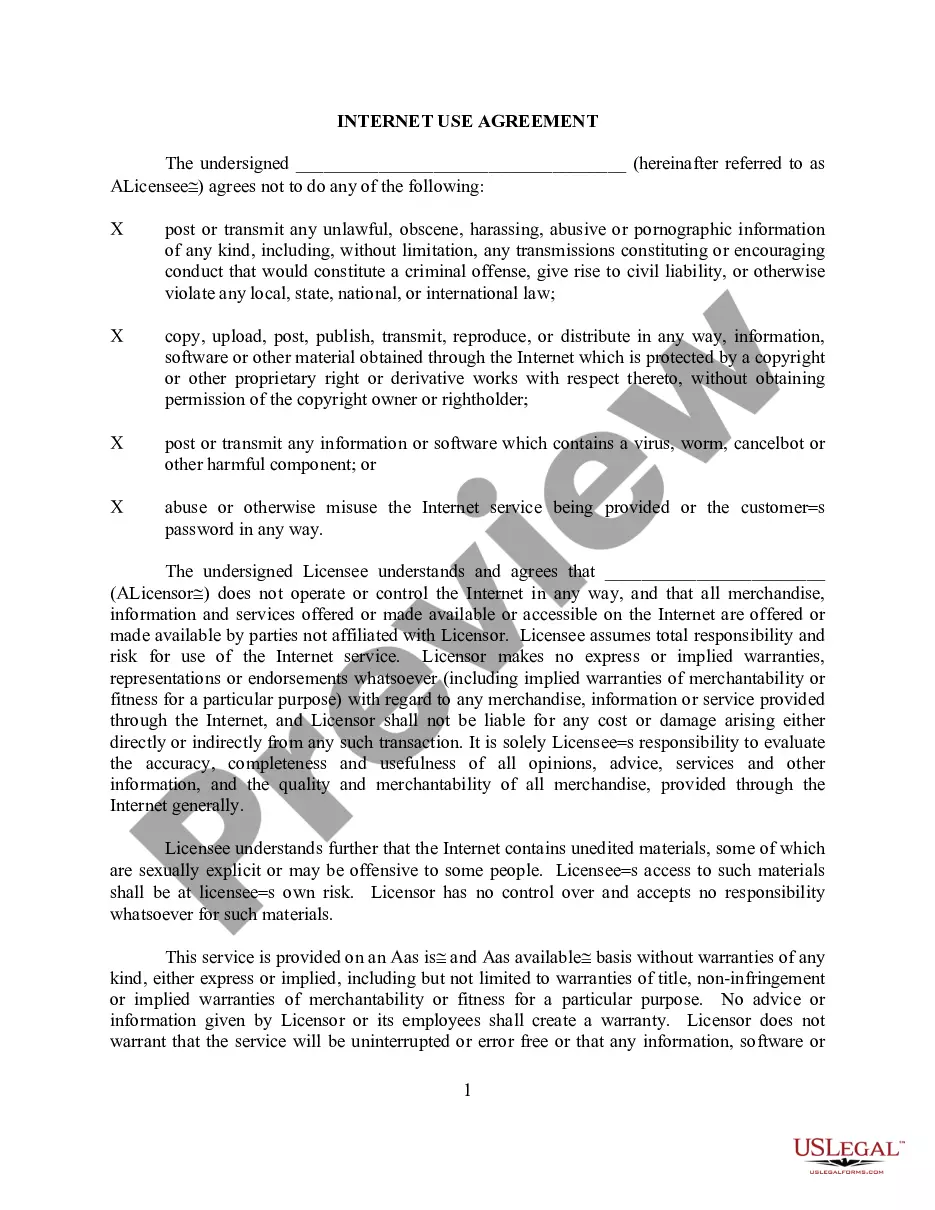
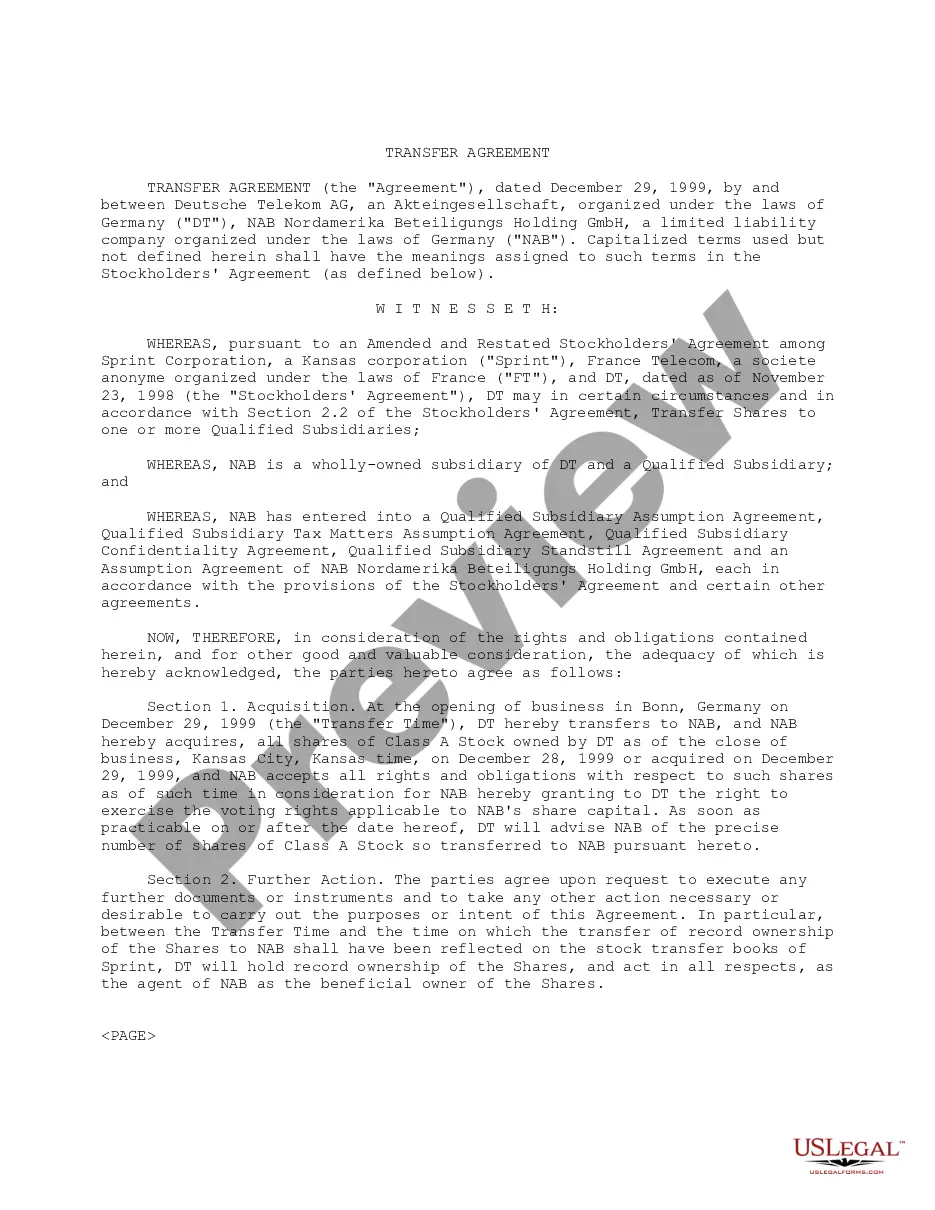
Form popularity
FAQ
If you have been convicted of a felony when the conviction has not been set aside or a pardon issued. If you are a judge, clerk of a district court, a sheriff, or a jailer. If your spouse has been summoned for the same jury panel. If you or your spouse have a pending jury trial in any court.
Civil cases involve disputes essentially private in nature between two or more parties; criminal cases are controversies between the Commonwealth and persons accused of a crime. Only in a circuit court is a jury provided for the trial of many of these disputes and controversies.
The jury selection process is known as voir dire. During this process, the judge, prosecutor, and defense attorney will ask you questions. Generally, the best way to avoid being picked is to express strong opinions during questioning. Additionally, sometimes, your career may be enough to get you excused.
What are some of the best excuses people have used when they didn't want to show up for jury duty? You are not fluent in English. You are disabled, evidenced by a physician's attestation. You are hospitalized, again evidenced by a physician's attestation.
Adorn yourself in attire more suited for a day of sightseeing than a courtroom setting. Think Hawaiian shirts, oversized sunglasses, and perhaps a camera slung around your neck for good measure. This look whispers, “I'm just passing through,” potentially making you less appealing to those seeking focused jurors.
Among the more common reasons jury service is excused are: Your age. You are not a U.S. citizen. You have a medical condition that would impede your jury service. You recently served on a jury in state or federal court.
Medical conditions, deafness, difficult sitting for long periods, people who know the defendant or officers, people who've been victims of crimes, financial hardship, and more will be excused. Depending on the county, they might call 100 people to select just 12.
Medical conditions, deafness, difficult sitting for long periods, people who know the defendant or officers, people who've been victims of crimes, financial hardship, and more will be excused. Depending on the county, they might call 100 people to select just 12.
During voir dire, a judge (sometimes the parties as well) asks potential jurors questions in order to screen them for bias be- fore picking a jury. Even after a jury trial, a judge may order a new trial if a party proves a juror lied during voir dire and hid something that would have kept him or her off the jury.
The circuit court has the authority to hear serious criminal cases called felonies. The circuit court also handles family matters, including divorce. In addition, the circuit court hears cases appealed from the general district court and from the juvenile and domestic relations district court.
