14th Amendment Agreement With China In Sacramento
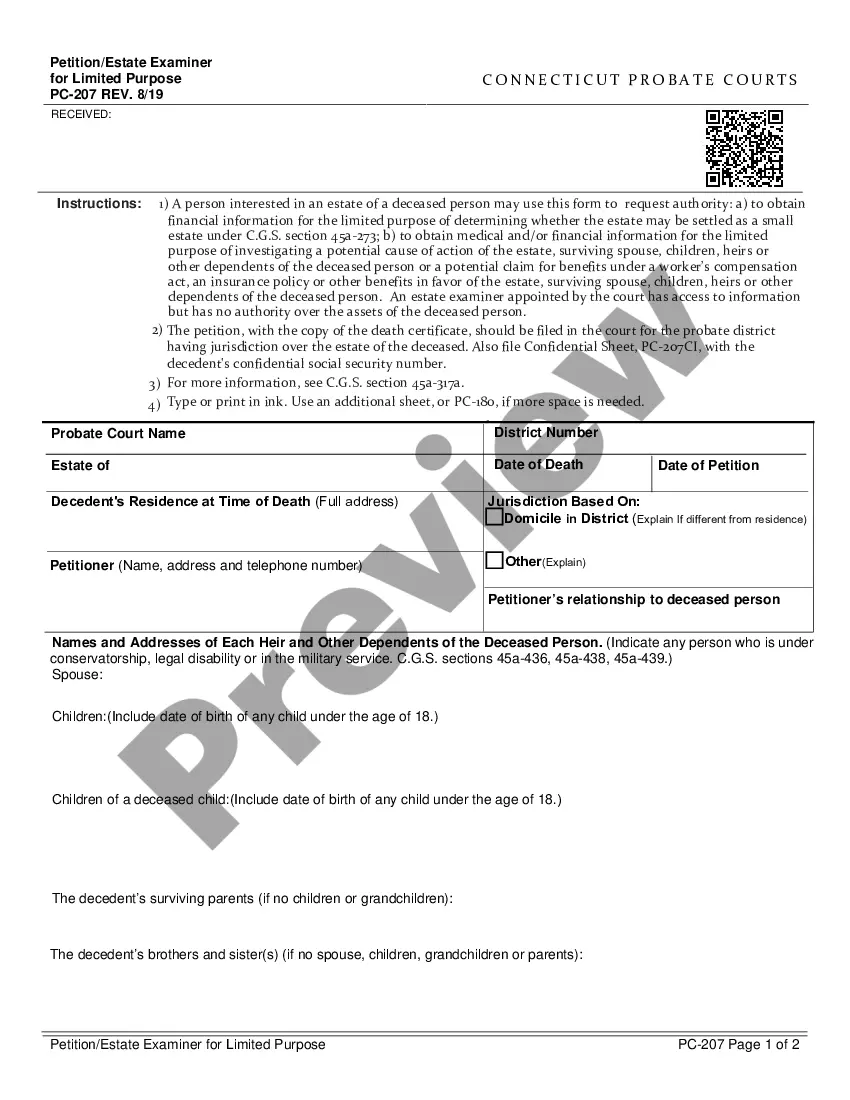
Description






Get your form ready online
Our built-in tools help you complete, sign, share, and store your documents in one place.
Make edits, fill in missing information, and update formatting in US Legal Forms—just like you would in MS Word.
Download a copy, print it, send it by email, or mail it via USPS—whatever works best for your next step.
Sign and collect signatures with our SignNow integration. Send to multiple recipients, set reminders, and more. Go Premium to unlock E-Sign.
If this form requires notarization, complete it online through a secure video call—no need to meet a notary in person or wait for an appointment.
We protect your documents and personal data by following strict security and privacy standards.

Make edits, fill in missing information, and update formatting in US Legal Forms—just like you would in MS Word.

Download a copy, print it, send it by email, or mail it via USPS—whatever works best for your next step.

Sign and collect signatures with our SignNow integration. Send to multiple recipients, set reminders, and more. Go Premium to unlock E-Sign.

If this form requires notarization, complete it online through a secure video call—no need to meet a notary in person or wait for an appointment.

We protect your documents and personal data by following strict security and privacy standards.
Looking for another form?









Form popularity
FAQ
Wong Kim Ark case that was heard by the U.S. Supreme Court in 1898. The Supreme Court ruled that under the Fourteenth Amendment, which grants citizenship to all persons born or naturalized in the United States, Wong Kim Ark was a U.S. citizen by birthright.
All persons born or naturalized in the United States, and subject to the jurisdiction thereof, are citizens of the United States and of the State wherein they reside.
A major provision of the 14th Amendment was to grant citizenship to “All persons born or naturalized in the United States,” thereby granting citizenship to formerly enslaved people.
The Fourteenth Amendment of the U.S. Constitution contains a number of important concepts, most famously state action, privileges or immunities, citizenship, due process, and equal protection—all of which are contained in Section One.
Section Five of the Fourteenth Amendment vests Congress with the authority to adopt “appropriate” legislation to enforce the other parts of the Amendment—most notably, the provisions of Section One.
The amendment's first section includes the Citizenship Clause, Privileges or Immunities Clause, Due Process Clause, and Equal Protection Clause.
Section 5. The Congress shall have power to enforce, by appropriate legislation, the provisions of this article.
No State shall make or enforce any law which shall abridge the privileges or immunities of citizens of the United States; nor shall any State deprive any person of life, liberty, or property, without due process of law; nor deny to any person within its jurisdiction the equal protection of the laws.
A major provision of the 14th Amendment was to grant citizenship to “All persons born or naturalized in the United States,” thereby granting citizenship to formerly enslaved people.
Wong Kim Ark, who was born in San Francisco in 1873, had been denied re-entry to the United States after a trip abroad, under the Chinese Exclusion Act, a law banning virtually all Chinese immigration and prohibiting Chinese immigrants from becoming naturalized U.S. citizens.
