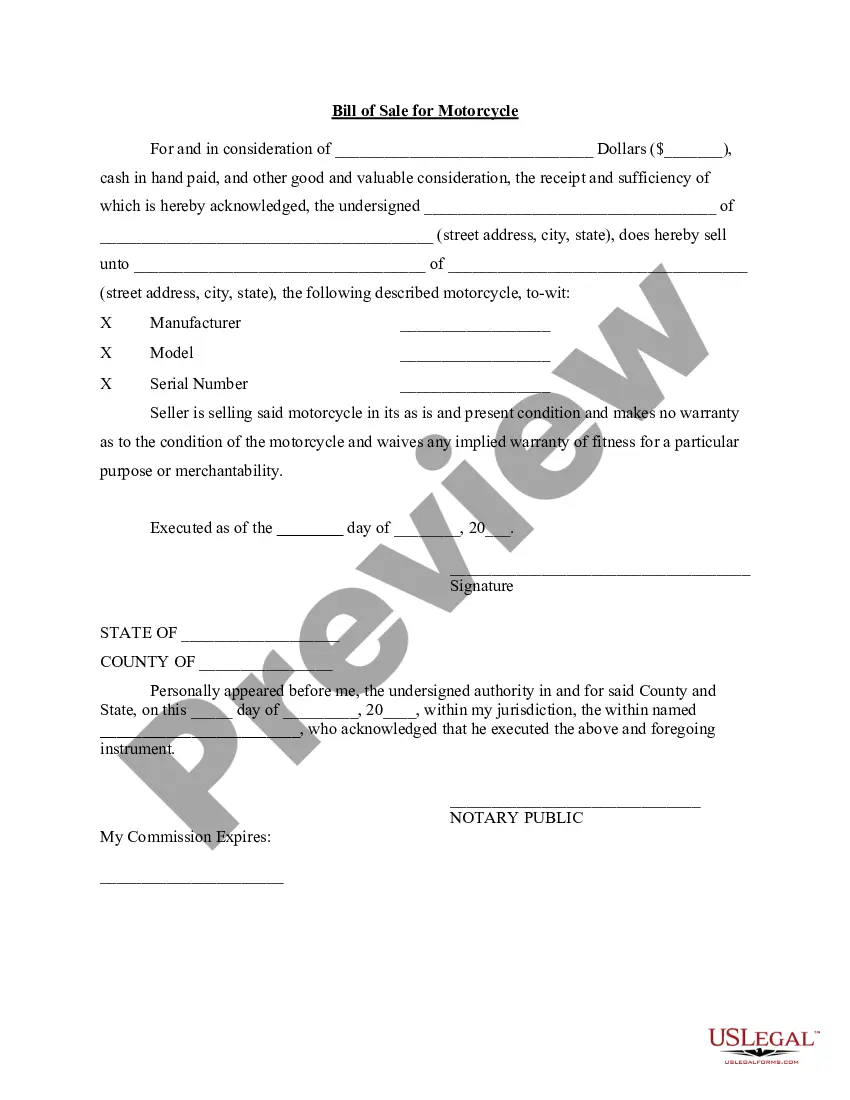
Complaint False Arrest For Theft In Pima
Description






Get your form ready online
Our built-in tools help you complete, sign, share, and store your documents in one place.
Make edits, fill in missing information, and update formatting in US Legal Forms—just like you would in MS Word.
Download a copy, print it, send it by email, or mail it via USPS—whatever works best for your next step.
Sign and collect signatures with our SignNow integration. Send to multiple recipients, set reminders, and more. Go Premium to unlock E-Sign.
If this form requires notarization, complete it online through a secure video call—no need to meet a notary in person or wait for an appointment.
We protect your documents and personal data by following strict security and privacy standards.

Make edits, fill in missing information, and update formatting in US Legal Forms—just like you would in MS Word.

Download a copy, print it, send it by email, or mail it via USPS—whatever works best for your next step.

Sign and collect signatures with our SignNow integration. Send to multiple recipients, set reminders, and more. Go Premium to unlock E-Sign.

If this form requires notarization, complete it online through a secure video call—no need to meet a notary in person or wait for an appointment.

We protect your documents and personal data by following strict security and privacy standards.
Looking for another form?






Form popularity
FAQ
DIAL 911. If this is an emergency, or a crime, please dial 911 immediately.
If you believe you have been the victim of a crime, you can file a Criminal complaint online at .azag/complaints OR mail or deliver the completed form below. This form can be completed on the computer or is available to download and print. Please print legibly if completing by hand.
A criminal complaint should include specific information about the alleged offense, such as the date, time, and location of the incident, a description of the events, and the names or descriptions of the individuals involved. It should also include any supporting evidence or documentation available.
Criminal complaints are normally first started with the application for a complaint, along with an affidavit by the complainant, which is titled an affidavit of probable cause. The judge examines the statements in the application and affidavit.