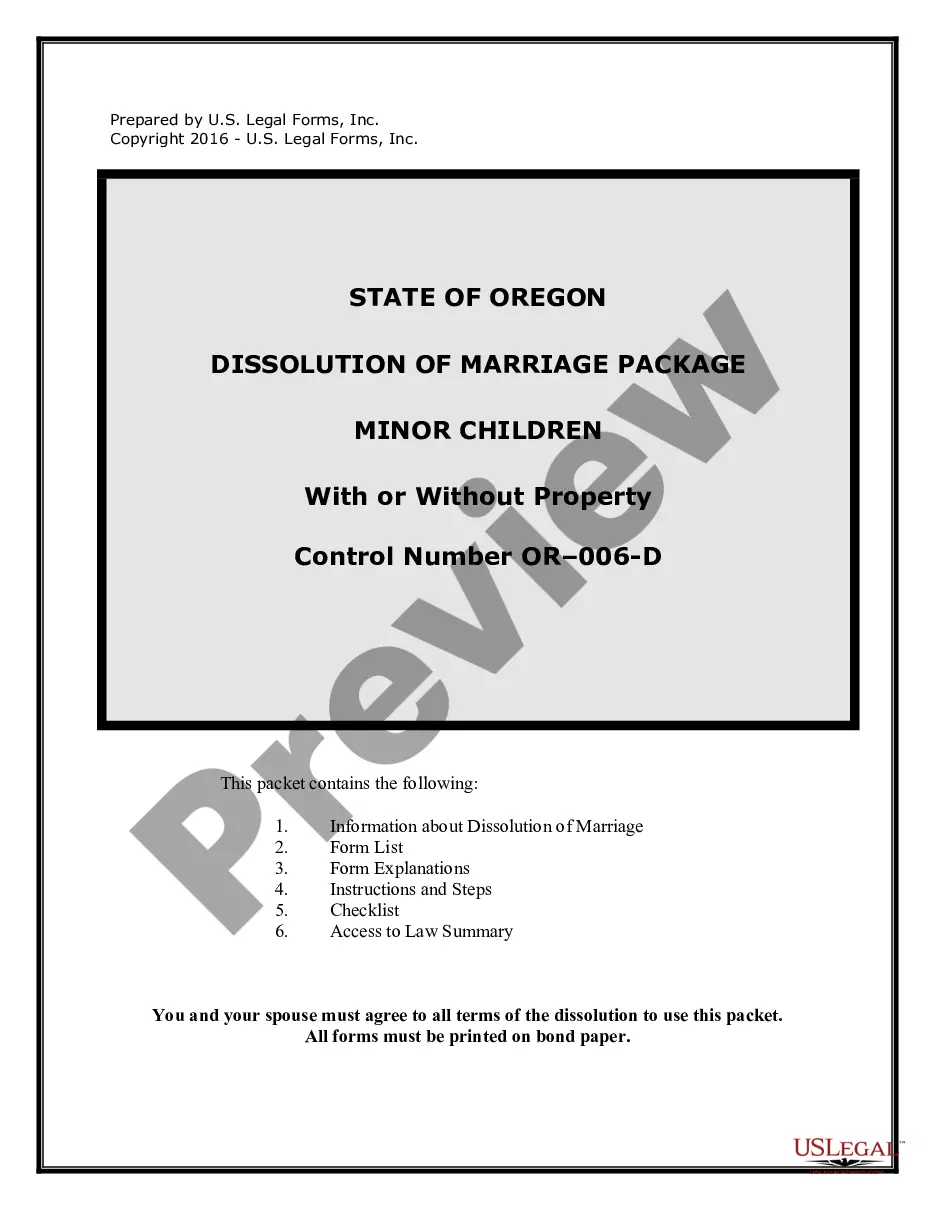
Tennessee Proposed Parenting Plan
Overview of this form
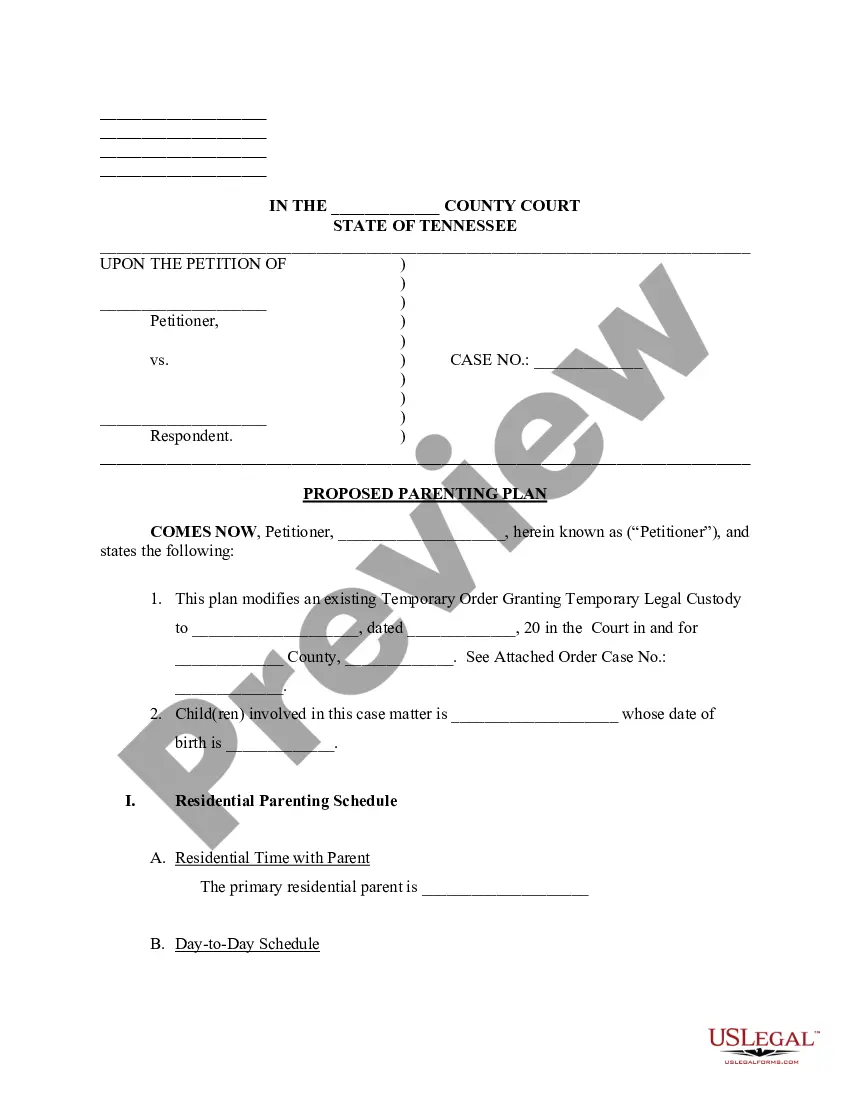
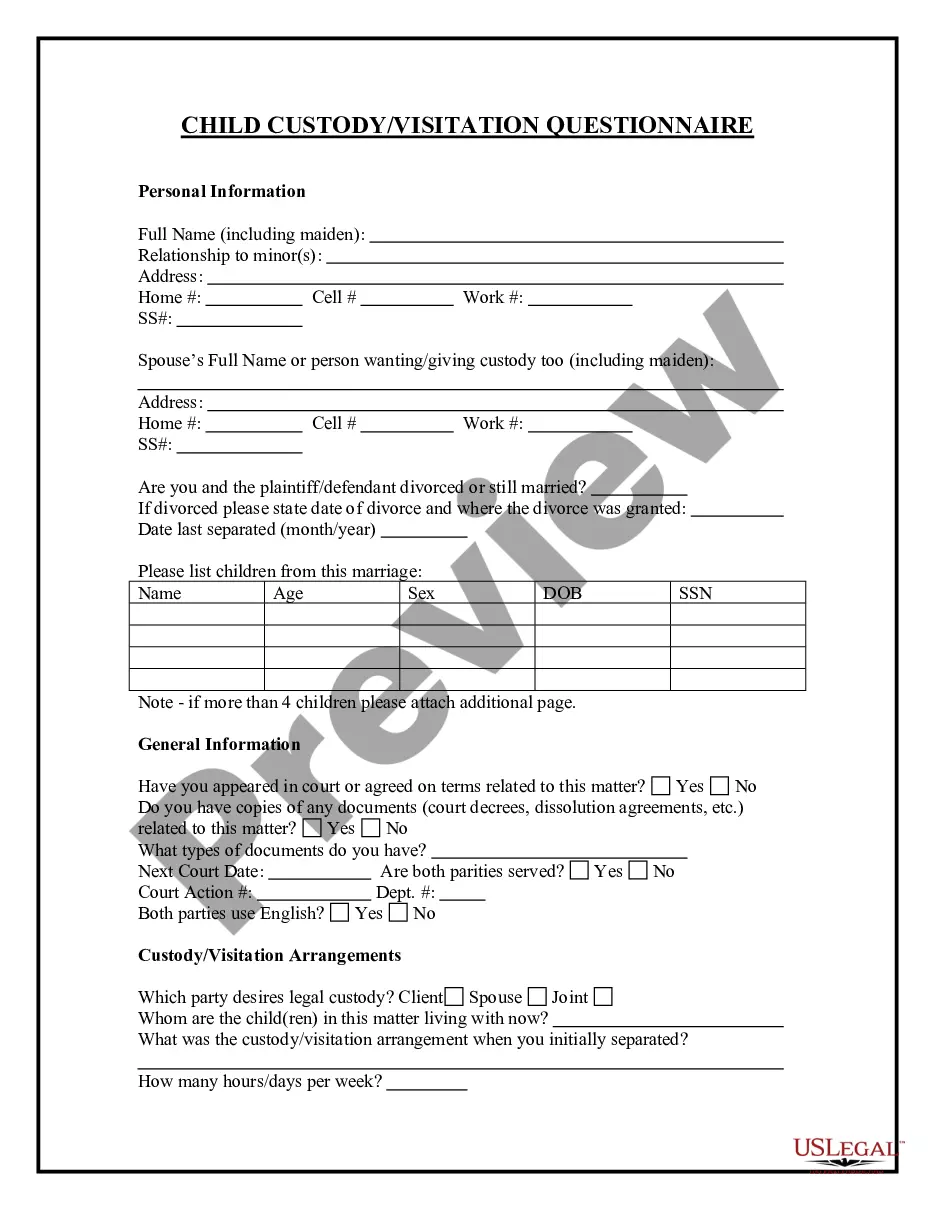
The Proposed Parenting Plan is a legal document that outlines how parents intend to care for their minor child(ren) following a separation or divorce. This form modifies an existing temporary order and can serve as an agreement for custody and parenting arrangements. Unlike a finalized custody decree, this document allows for adjustments to be made before a final determination is issued by the court.
Form components explained
- Petitioner and Respondent details, including names and case number.
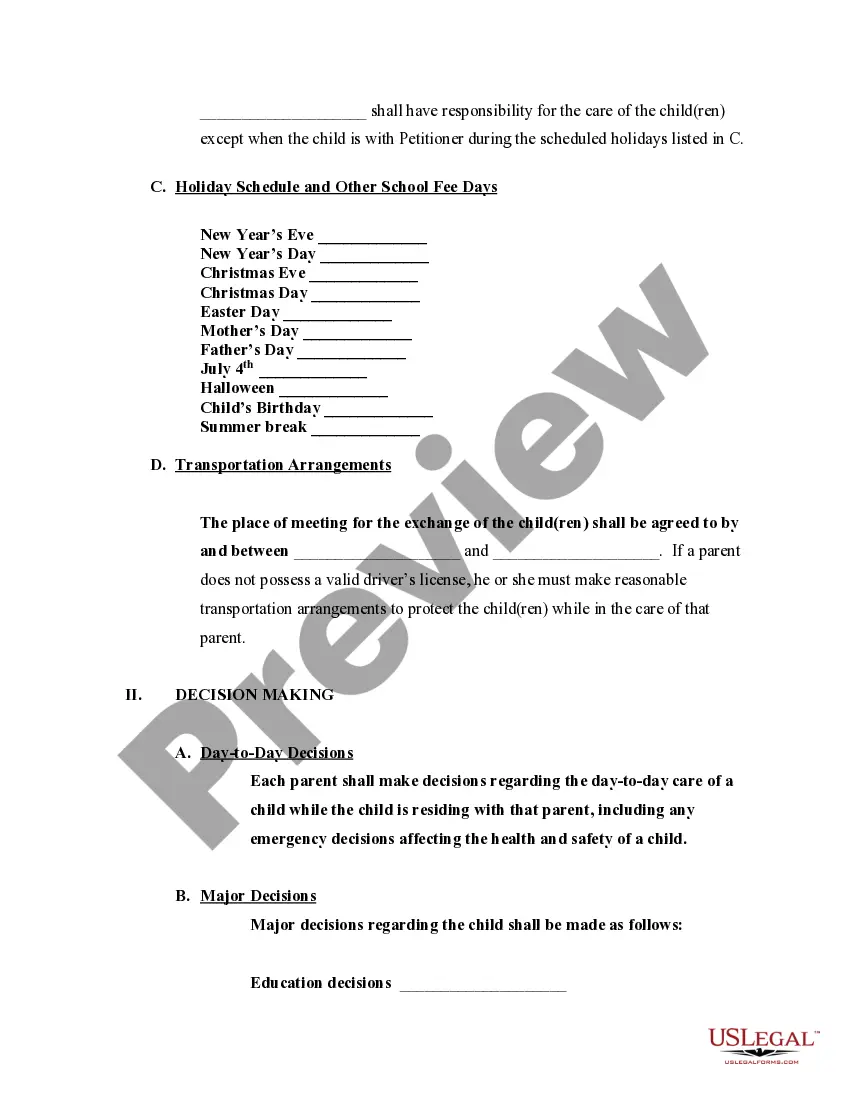
- Residential Parenting Schedule specifying time spent with each parent.
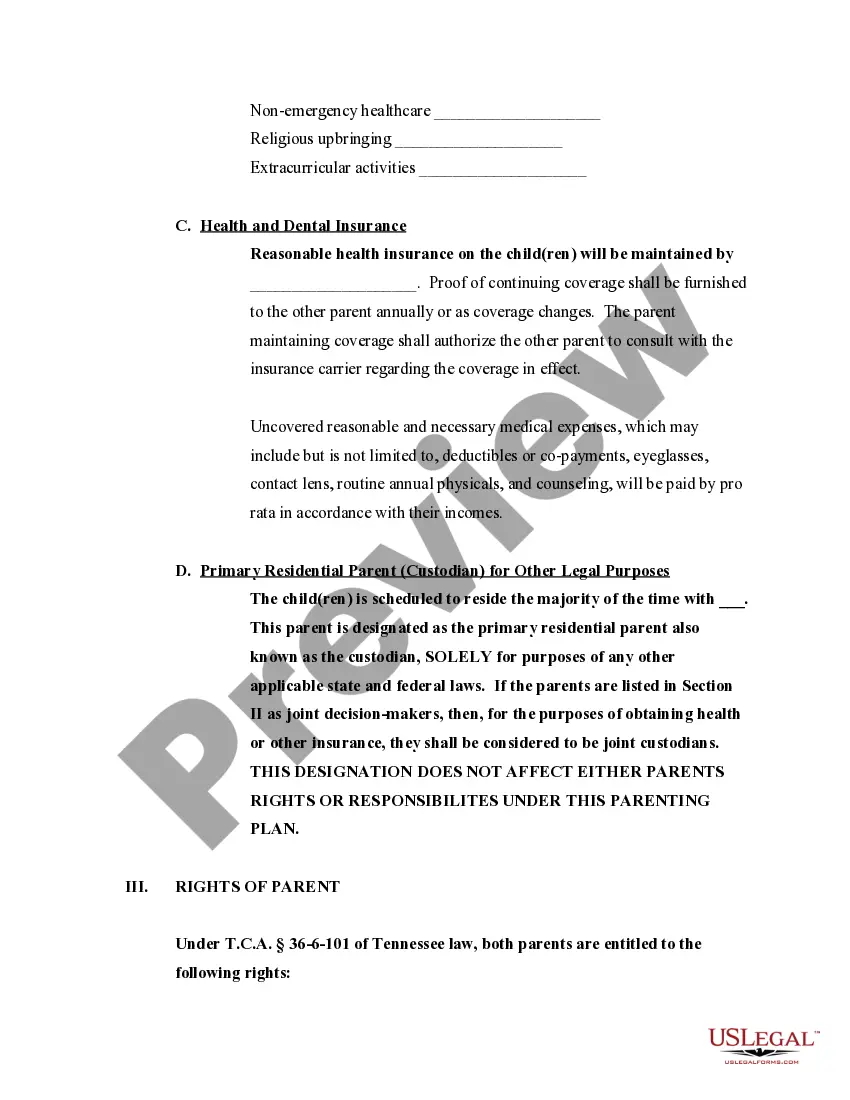
- Decision-making authority concerning education, healthcare, and other major decisions.
- Transportation arrangements for exchanging the child(ren).
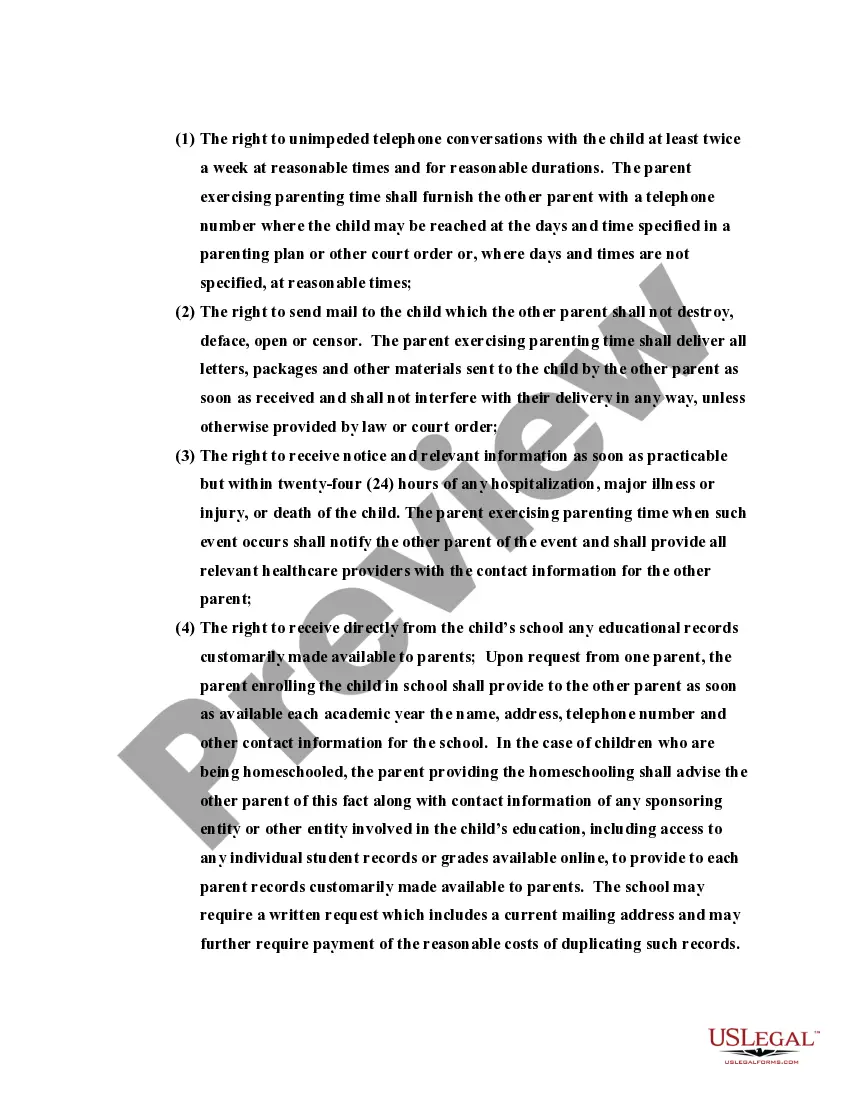
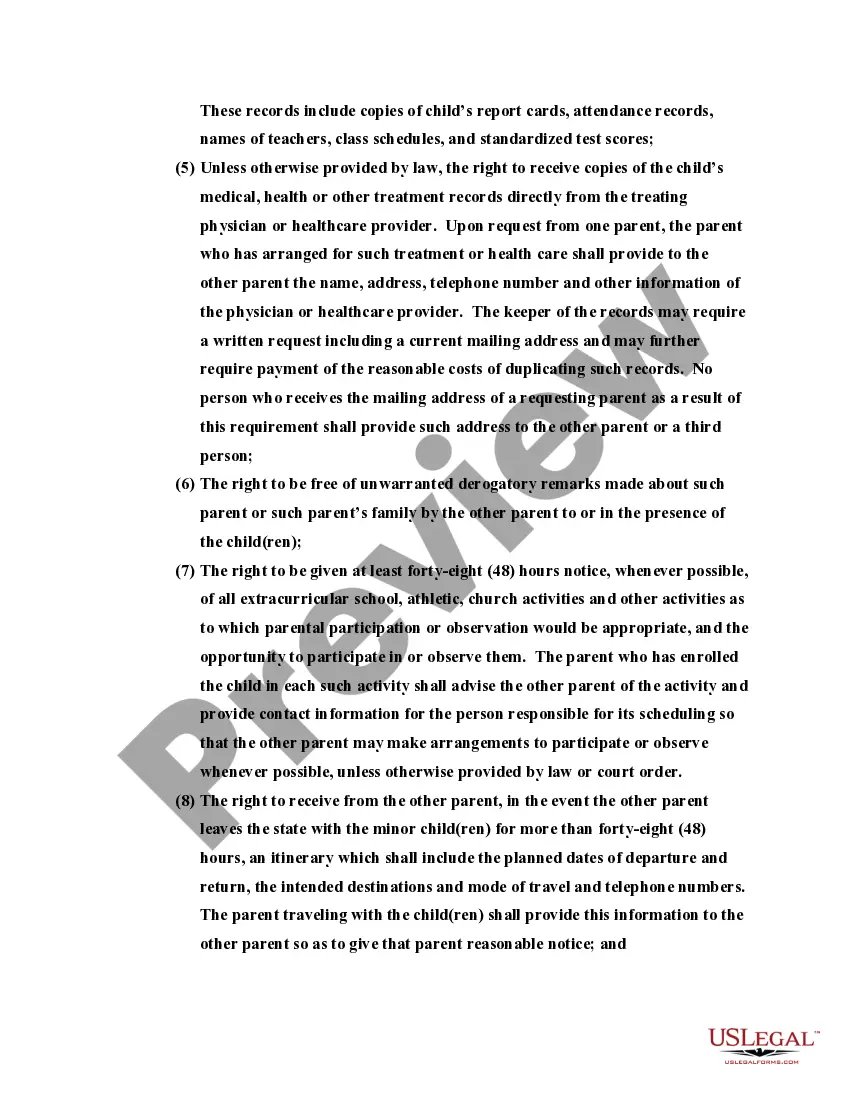
- Rights of parents as defined by Tennessee law.
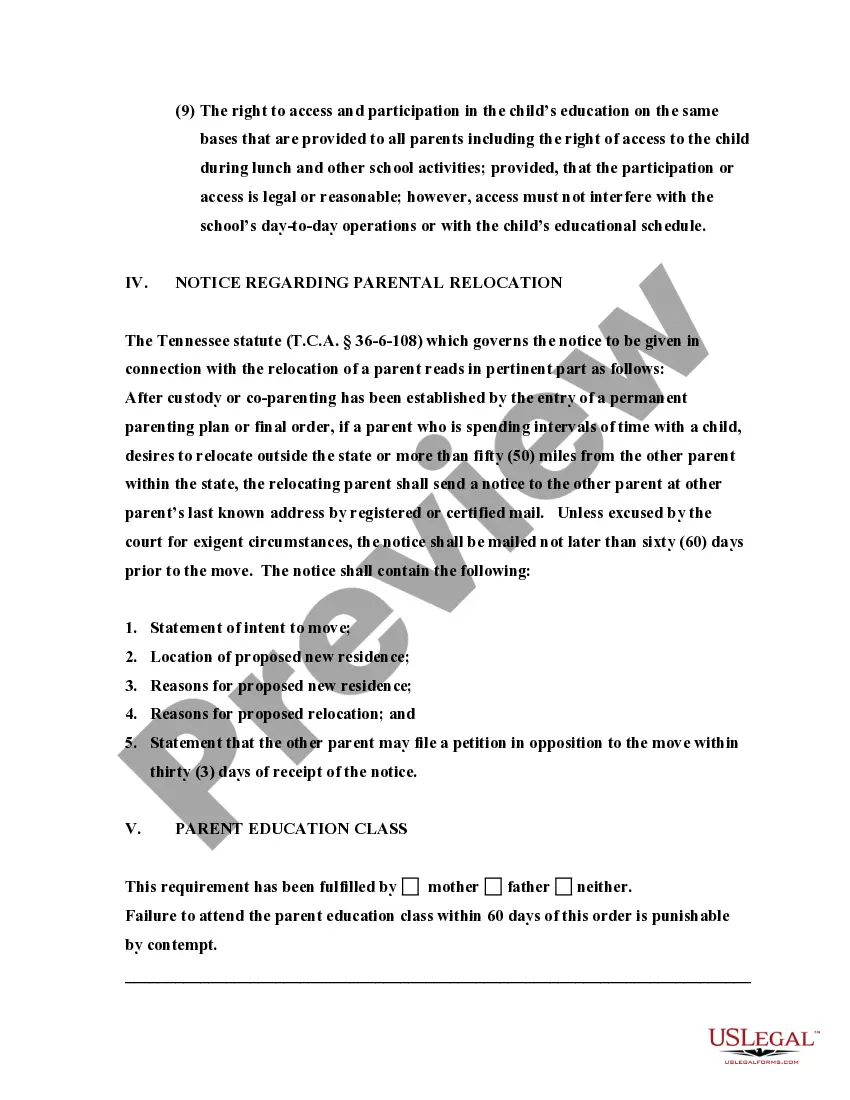
- Notice regarding parental relocation requirements.
When to use this document
This form should be used when parents are seeking to establish or modify a parenting plan for their minor children due to changes in circumstances or following temporary custody arrangements. It is useful during custody disputes or when parents agree on a parenting schedule that is best for their child(ren).
Who can use this document
- Parents who are in the process of divorce or separation.
- Parents seeking to modify an existing temporary custody order.
- Individuals involved in custody disputes who need a formal proposal for a parenting plan.
- Any parent wishing to establish legal guidelines for raising their child(ren) after a relationship change.
How to prepare this document
- Identify the parties involved, including names of the petitioner and respondent.
- Fill in the case number and the existing custody order details, if applicable.
- Outline the residential parenting schedule, including day-to-day and holiday arrangements.
- Specify who will make major decisions regarding the child's education and healthcare.
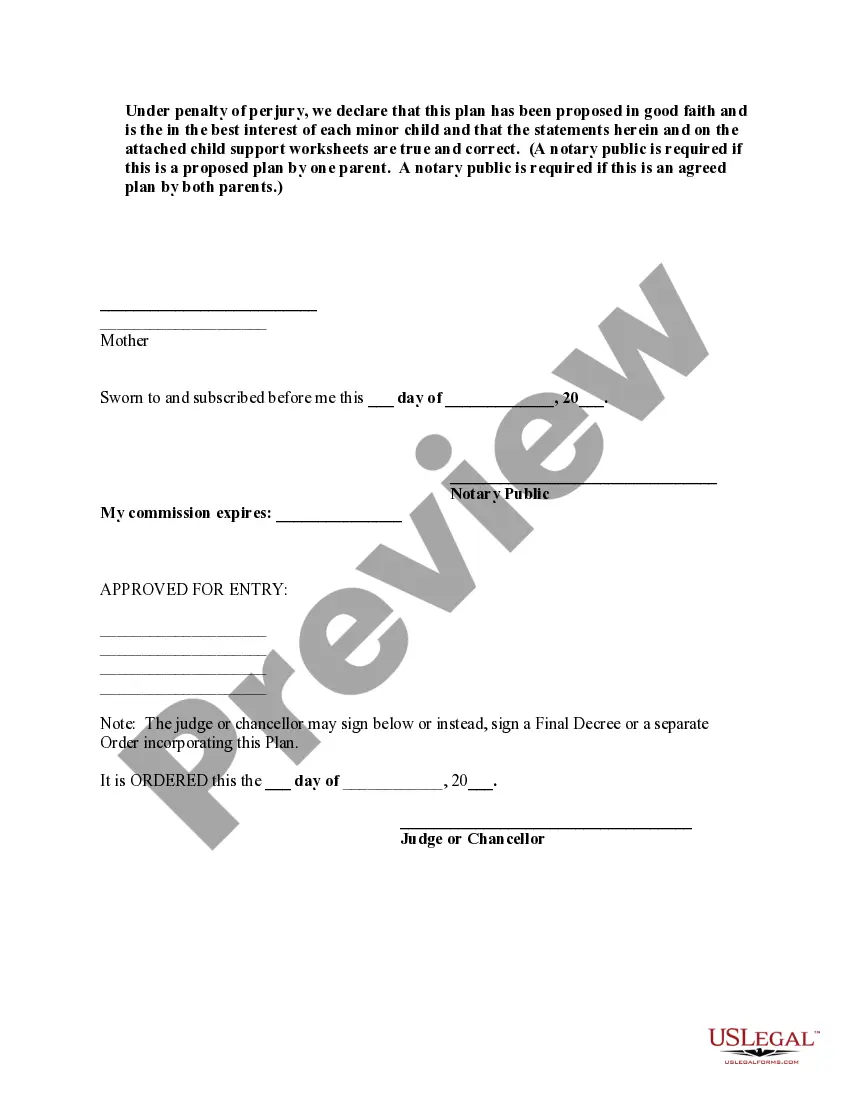
- Sign the document in front of a notary public if required for legal validation.
Notarization guidance
Yes, this form must be notarized to be legally valid. This ensures that the signatures are authenticated and that the intentions of both parents are properly documented. US Legal Forms offers integrated online notarization, allowing you to complete this process securely and conveniently via video call.
Get your form ready online
Our built-in tools help you complete, sign, share, and store your documents in one place.
Make edits, fill in missing information, and update formatting in US Legal Forms—just like you would in MS Word.
Download a copy, print it, send it by email, or mail it via USPS—whatever works best for your next step.
Sign and collect signatures with our SignNow integration. Send to multiple recipients, set reminders, and more. Go Premium to unlock E-Sign.
If this form requires notarization, complete it online through a secure video call—no need to meet a notary in person or wait for an appointment.
We protect your documents and personal data by following strict security and privacy standards.

Make edits, fill in missing information, and update formatting in US Legal Forms—just like you would in MS Word.

Download a copy, print it, send it by email, or mail it via USPS—whatever works best for your next step.

Sign and collect signatures with our SignNow integration. Send to multiple recipients, set reminders, and more. Go Premium to unlock E-Sign.

If this form requires notarization, complete it online through a secure video call—no need to meet a notary in person or wait for an appointment.

We protect your documents and personal data by following strict security and privacy standards.
Mistakes to watch out for
- Failing to include all necessary identifying information for both parents.
- Neglecting to specify transportation arrangements for exchanges.
- Overlooking the need for a notary when required by law.
- Not adequately detailing the holiday schedule or decision-making procedures.
Advantages of online completion
- Easy access to downloadable templates created by experienced attorneys.
- Customizable form fields to suit specific family situations.
- Time-saving preparation without the need for in-person legal consultations.
- Secure storage and retrieval of completed forms for future reference.
Looking for another form?


Form popularity
FAQ
Divorcing parents must each submit a proposed plan. This is optional in other types of custody cases (unless the judge orders it), but recommended so the judge understands your wishes when deciding the details of your court-ordered plan.
Under Tennessee law, the parents must follow the PPP, and if they do not, they can be held in contempt of court. Some serious PPP violations that might warrant getting the court involved include: Frequent noncompliance with visitation changes. A chronic pattern of picking up or returning the children early or late.
Whenever each parent cares for and houses their child 50 percent of the time, an equal parenting agreement is in place. Under equal parenting agreements, or 50/50 custody, parenting time is divided between the two parents ing to the parenting plan, and residential time itself is equally distributed.
When can my child decide which parent to live with? Under Tennessee statute, the court shall consider the reasonable preference of the child over the age of 12. The court may choose to hear the preference of a child under the age of 12.
Tennessee child custody laws allow for joint custody and grandparents' visitation rights while taking into account the child's own wishes when considering custody decisions. In fact, Tennessee courts are required to state, in writing, why ordering joint or sole legal custody is in the best interest of the child.
Parents who can reach an agreement on custody can submit a joint parenting plan to the court. When parents can't agree on parenting responsibilities, each parent should submit his or her own parenting plan to the court at least 45 days before trial. See TN Code § 36-6-404 (2020).
Only a Tennessee court can legally modify and enforce a parenting plan.