4th 5th 6th 7th And 8th Amendments In Michigan
Description






Get your form ready online
Our built-in tools help you complete, sign, share, and store your documents in one place.
Make edits, fill in missing information, and update formatting in US Legal Forms—just like you would in MS Word.
Download a copy, print it, send it by email, or mail it via USPS—whatever works best for your next step.
Sign and collect signatures with our SignNow integration. Send to multiple recipients, set reminders, and more. Go Premium to unlock E-Sign.
If this form requires notarization, complete it online through a secure video call—no need to meet a notary in person or wait for an appointment.
We protect your documents and personal data by following strict security and privacy standards.

Make edits, fill in missing information, and update formatting in US Legal Forms—just like you would in MS Word.

Download a copy, print it, send it by email, or mail it via USPS—whatever works best for your next step.

Sign and collect signatures with our SignNow integration. Send to multiple recipients, set reminders, and more. Go Premium to unlock E-Sign.

If this form requires notarization, complete it online through a secure video call—no need to meet a notary in person or wait for an appointment.

We protect your documents and personal data by following strict security and privacy standards.
Looking for another form?









Form popularity
FAQ
6th Amendment: Right to an Attorney In Michigan, a person who cannot afford a lawyer is entitled to a court-appointed criminal defense lawyer. When a person requests a court appointed attorney in Michigan Courts, he or she is required to file a statement of financial circumstances.
The 5th Amendment says that the government cannot compel a person to answer a question whose answer could be incriminating. You can invoke the 5th Amendment during questioning, even if you have already answered some questions.
The Sixth Amendment guarantees the rights of criminal defendants, including the right to a public trial without unnecessary delay, the right to a lawyer, the right to an impartial jury, and the right to know who your accusers are and the nature of the charges and evidence against you.
It gives citizens a series of rights in criminal trials. They include the rights to a fast and public trial by an impartial jury, to be aware of the criminal charges, to confront witnesses during the trial, to have witnesses appear in the trial, and the right to legal representation.
Judges have a few options: They can decide that the defendant's Sixth Amendment right to counsel has not been violated. They can rule that a defendant's right to counsel has been violated and they are owed a remedy, typically a reduction in bail that allows them to leave jail with conditions.
Constitutional Amendments – Amendment 7 – “The Right to Jury Trial in Civil Affairs” Amendment Seven to the Constitution was ratified on December 15, 1791. It protects the right for citizens to have a jury trial in federal courts with civil cases where the claim exceeds a certain dollar value.
Proposed amendments agreed to by two-thirds of the members elected to and serving in each house on a vote with the names and vote of those voting entered in the respective journals shall be submitted, not less than 60 days thereafter, to the electors at the next general election or special election as the legislature ...
The Constitution, through the Fourth Amendment, protects people from unreasonable searches and seizures by the government. The Fourth Amendment, however, is not a guarantee against all searches and seizures, but only those that are deemed unreasonable under the law.
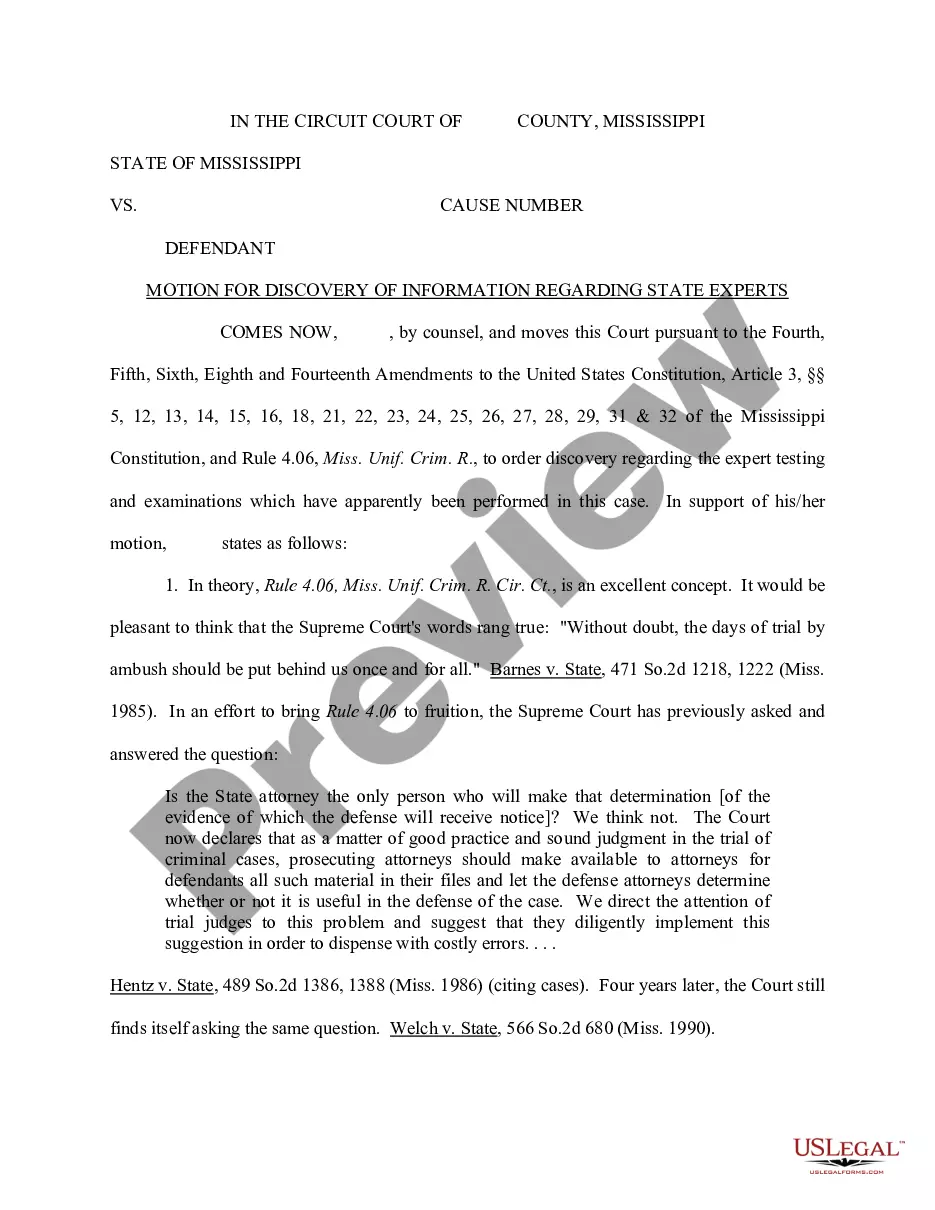
The Fourth, Fifth, Sixth, and Eighth Amendments to the Constitution provide additional protections for those accused of a crime. These include: A guarantee that no person shall be deprived of life, liberty, or property without the due process of law.
These amendments include the fourth, fifth, sixth, eighth, and the fourteenth amendments. Their purpose is meant to ensure that people are treated fairly if suspected or arrested for crimes. The Fourth Amendment protects people from unreasonable searches and seizures without a warrant.
