False Arrest Definition In Arizona
Description






Get your form ready online
Our built-in tools help you complete, sign, share, and store your documents in one place.
Make edits, fill in missing information, and update formatting in US Legal Forms—just like you would in MS Word.
Download a copy, print it, send it by email, or mail it via USPS—whatever works best for your next step.
Sign and collect signatures with our SignNow integration. Send to multiple recipients, set reminders, and more. Go Premium to unlock E-Sign.
If this form requires notarization, complete it online through a secure video call—no need to meet a notary in person or wait for an appointment.
We protect your documents and personal data by following strict security and privacy standards.

Make edits, fill in missing information, and update formatting in US Legal Forms—just like you would in MS Word.

Download a copy, print it, send it by email, or mail it via USPS—whatever works best for your next step.

Sign and collect signatures with our SignNow integration. Send to multiple recipients, set reminders, and more. Go Premium to unlock E-Sign.

If this form requires notarization, complete it online through a secure video call—no need to meet a notary in person or wait for an appointment.

We protect your documents and personal data by following strict security and privacy standards.
Looking for another form?




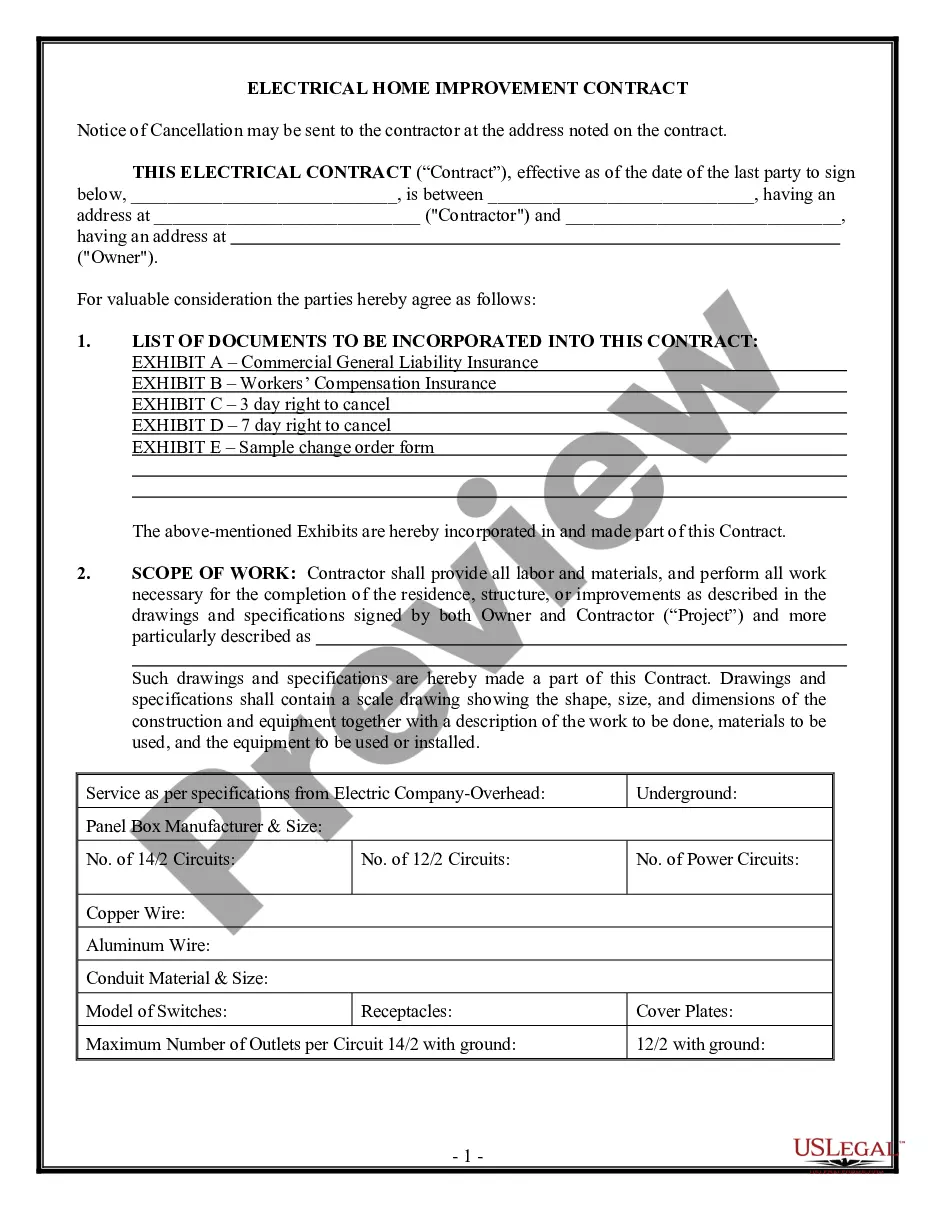



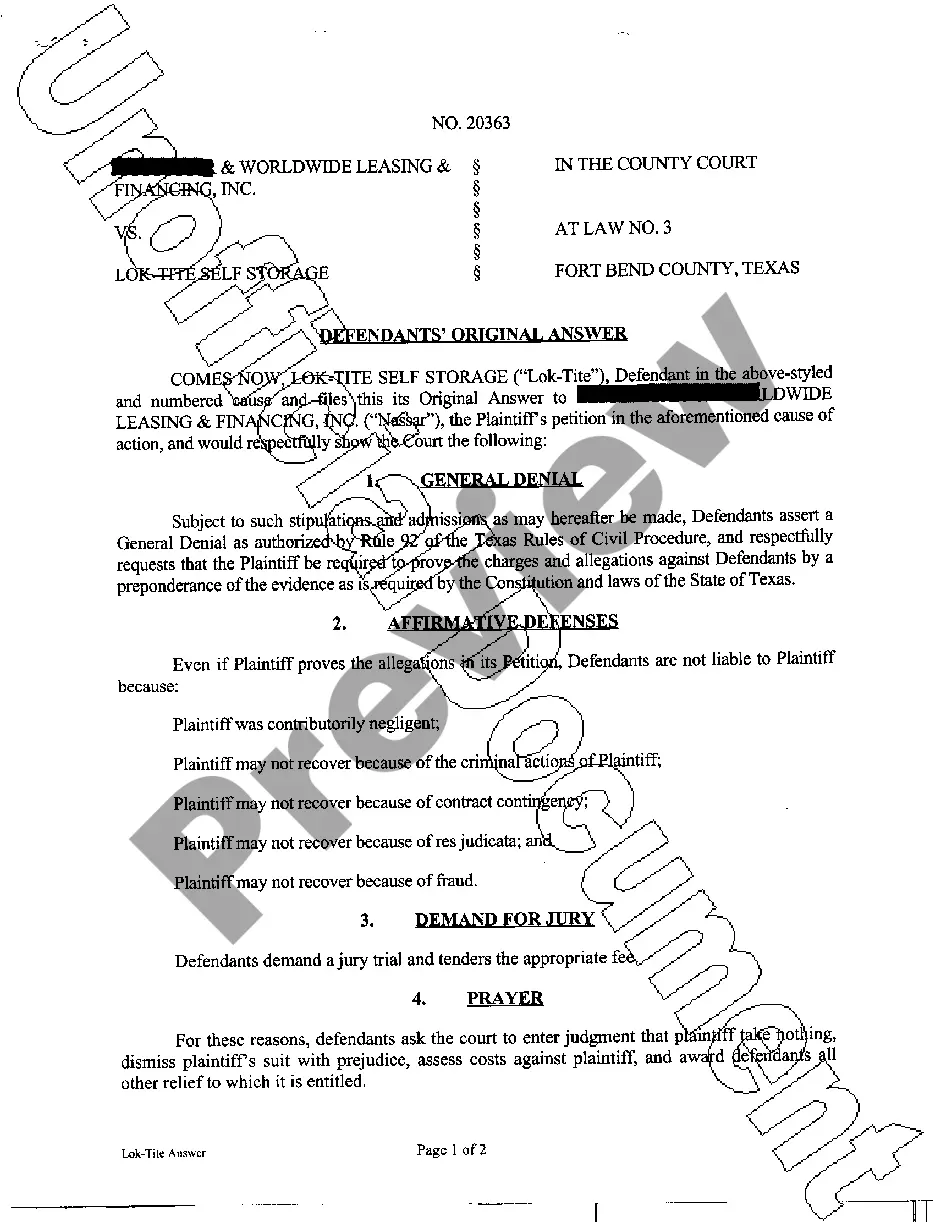
Form popularity
FAQ
Victims of false arrest can seek justice by filing a civil rights lawsuit. However, law enforcement officers and agencies have robust legal defenses to civil rights claims, including a qualified immunity defense.
The claim accrues at the time of arrest and imprisonment. Like the tort of malicious prosecution, false imprisonment requires that the defendant must have acted without probable cause. It is important to note that such claims are essentially barred under Tennessee law against local and state government actors.
To succeed in a wrongful arrest claim in Florida, the plaintiff (the person who has been detained or arrested by law enforcement) must prove the following elements: The defendant (the law enforcement agency or officer) intentionally or recklessly detained the plaintiff.
Proving False Arrest To be successful with a civil lawsuit pertaining to false arrest, you must prove three elements of your case. These are as follows: Law enforcement officials arrested you without a valid warrant, without a warrant at all, or without probable cause. You suffered actual harm as a result.
Gather evidence: If possible, try to remember details of the arrest, like the officer's name and any witnesses. Contact an attorney: Talk to a lawyer specializing in wrongful arrest. They can advise you on your legal options, which may include filing a lawsuit against the arresting officer or department.
The Fourteenth Amendment protects against being subjected to criminal charges on the basis of false evidence that was deliberately fabricated.
Typically, plaintiffs bringing allegations of false arrest against state authorities need to prove all three of the elements outlined below. The arrest was inappropriate. The person detained suffered harm. An officer was the cause of the injury.
Typically, plaintiffs bringing allegations of false arrest against state authorities need to prove all three of the elements outlined below. The arrest was inappropriate. The person detained suffered harm. An officer was the cause of the injury.
