Sell Closing Property Without Consent In Fairfax
Description

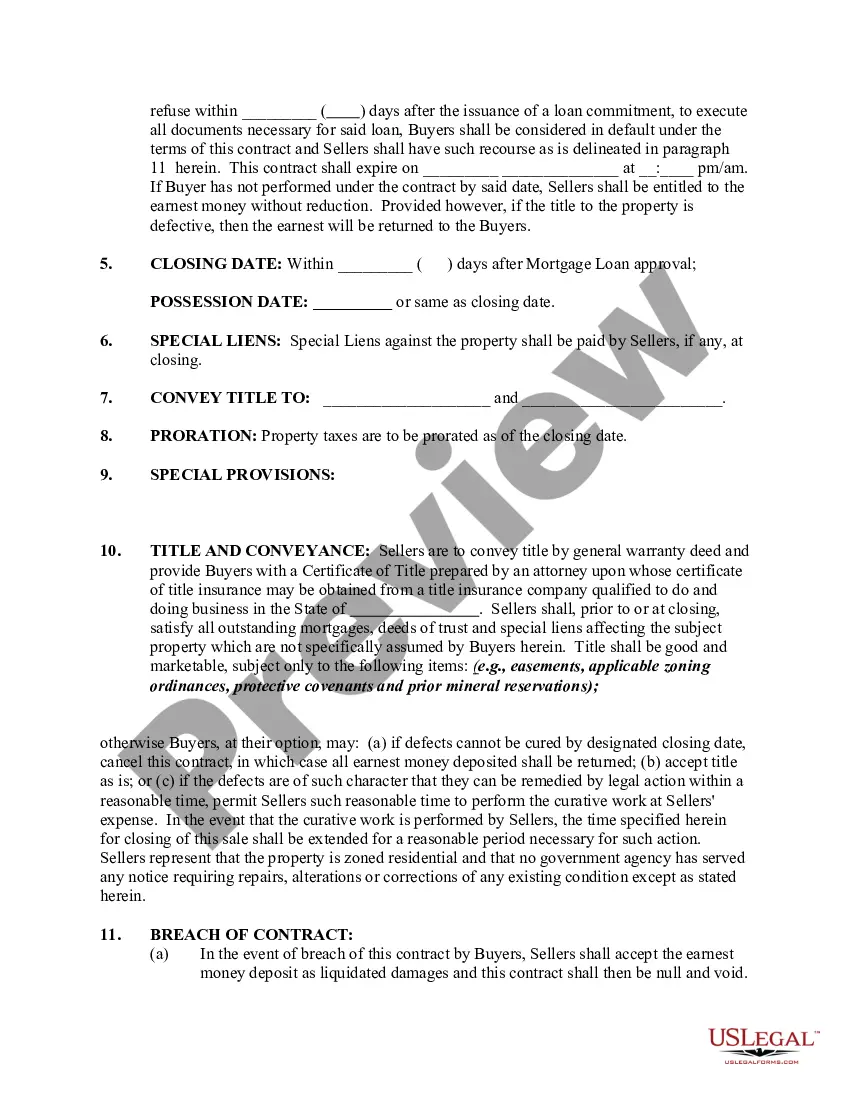
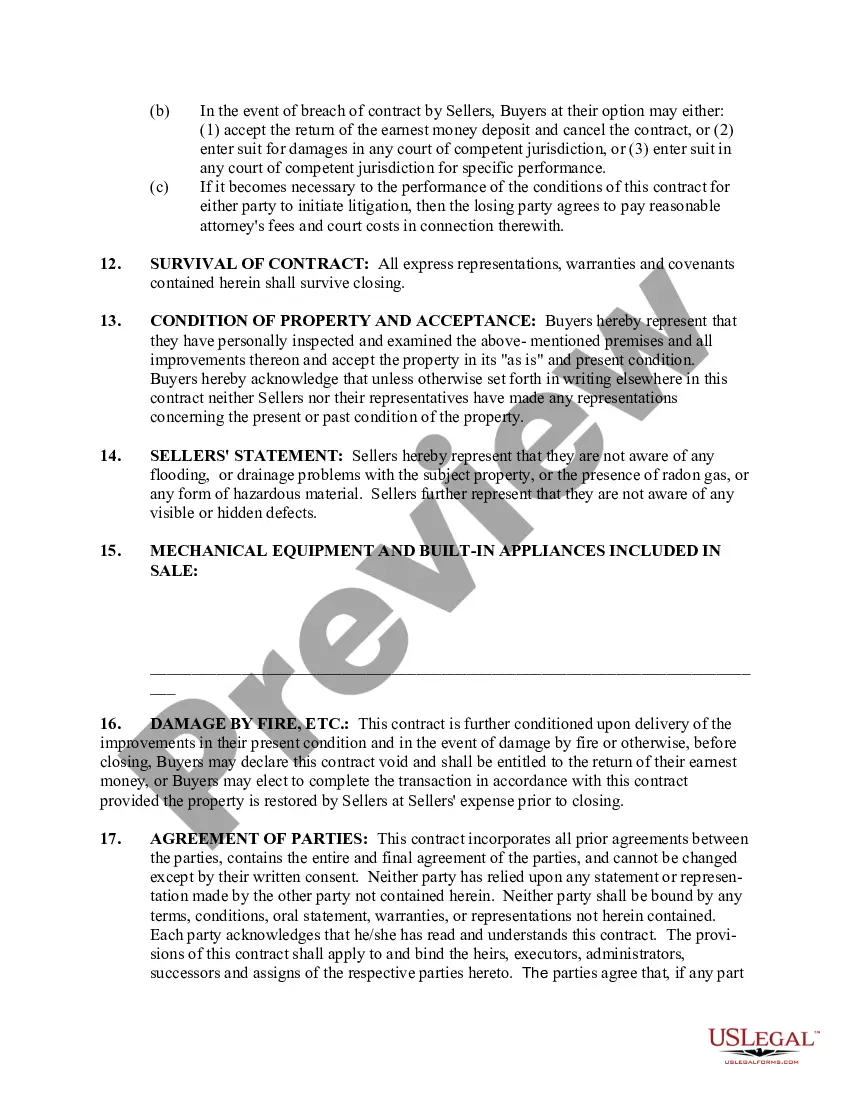
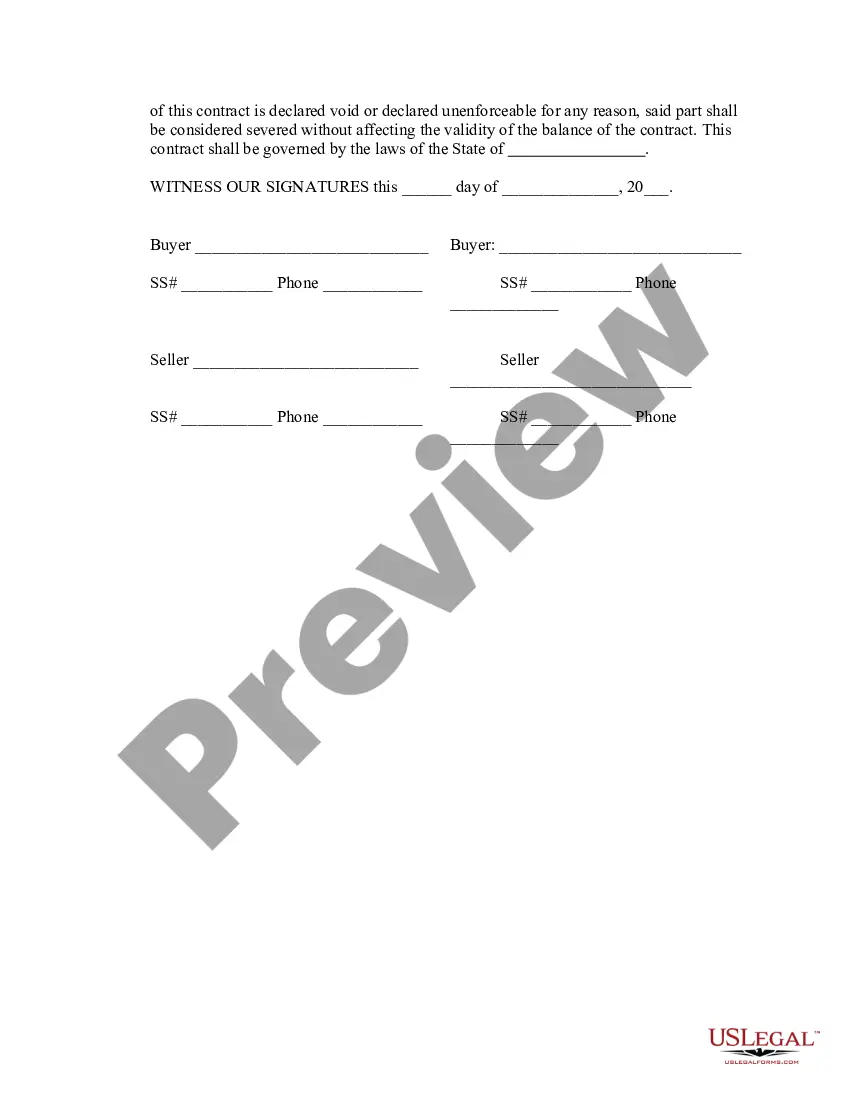
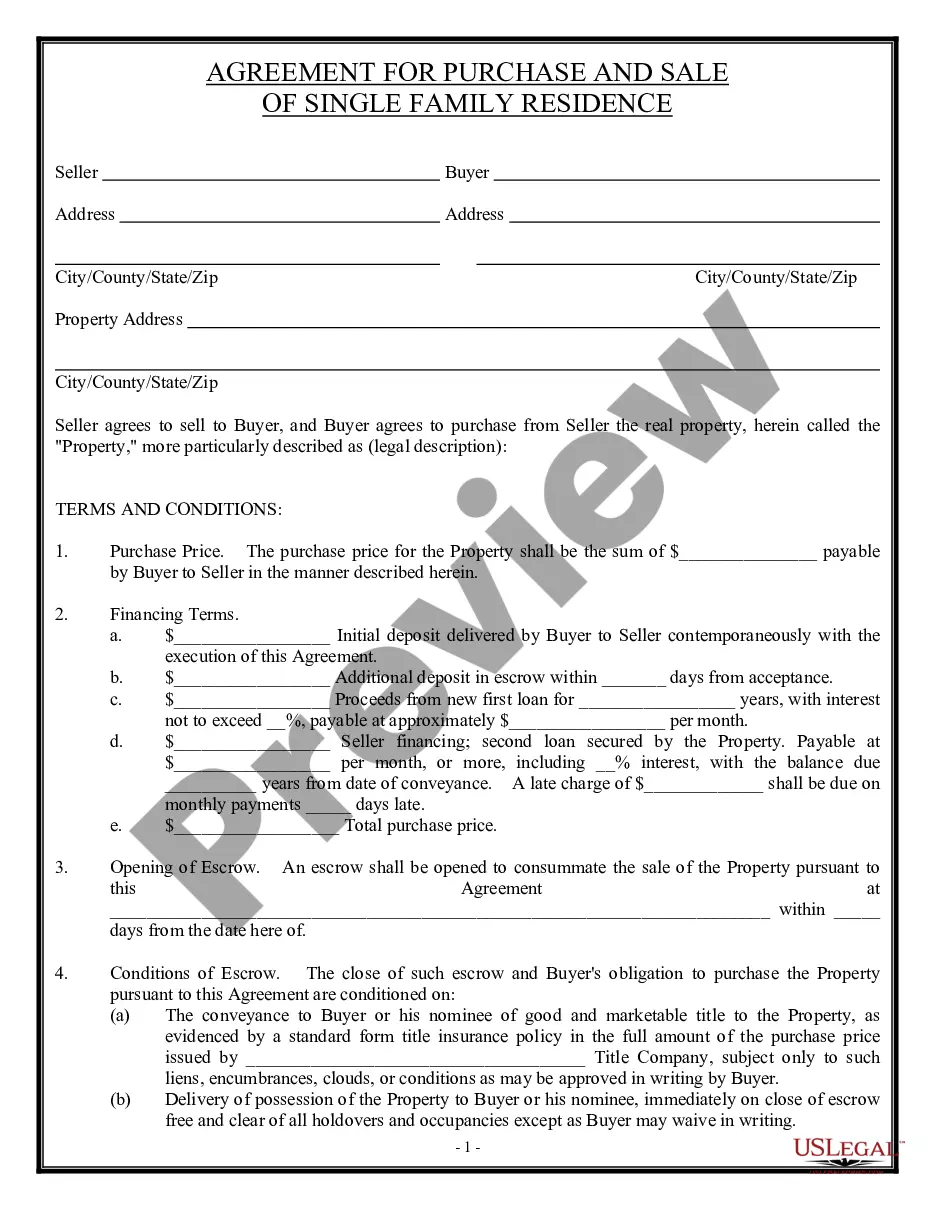
Get your form ready online
Our built-in tools help you complete, sign, share, and store your documents in one place.
Make edits, fill in missing information, and update formatting in US Legal Forms—just like you would in MS Word.
Download a copy, print it, send it by email, or mail it via USPS—whatever works best for your next step.
Sign and collect signatures with our SignNow integration. Send to multiple recipients, set reminders, and more. Go Premium to unlock E-Sign.
If this form requires notarization, complete it online through a secure video call—no need to meet a notary in person or wait for an appointment.
We protect your documents and personal data by following strict security and privacy standards.

Make edits, fill in missing information, and update formatting in US Legal Forms—just like you would in MS Word.

Download a copy, print it, send it by email, or mail it via USPS—whatever works best for your next step.

Sign and collect signatures with our SignNow integration. Send to multiple recipients, set reminders, and more. Go Premium to unlock E-Sign.

If this form requires notarization, complete it online through a secure video call—no need to meet a notary in person or wait for an appointment.

We protect your documents and personal data by following strict security and privacy standards.
Looking for another form?

Form popularity
FAQ
What are the responsibilities and powers of an administrator? An administrator is responsible for handling the decedent's estate - that is, for figuring out what is in the estate, for paying the decedent's debts and for transferring the decedent's property to the heirs.
Unless a contrary intent is clearly set out in the will, if no executor qualifies, or those qualifying die, resign, or are removed, an administrator with the will annexed has the power to sell or convey the real estate devised by the will to be sold and to receive the proceeds of sale or the rents and profits of any ...
The administrator/executor (herein referred to as “personal representative”) has the responsibility of managing the decedent's estate by receiving all probate assets of the estate, determining and paying all lawful debts of the estate, making distribution to the proper beneficiaries under the will, or in the case of ...
If a transaction is in the best interest of the beneficiaries and the estate and is in line with the decedent's wishes and state law, the executor can sell a property without all beneficiaries approving. The executor has the power to choose the probate lawyer and the real estate broker.
Virginia law does not require home sellers to hire an attorney, whether a Realtor is part of the process or not. However, legal counsel is useful for all sellers and especially important for FSBO sellers. Real estate transactions are complex, and this is likely to be one of the biggest financial deals of your life.