Event Planning Agreement Contract With America In Pima
Description

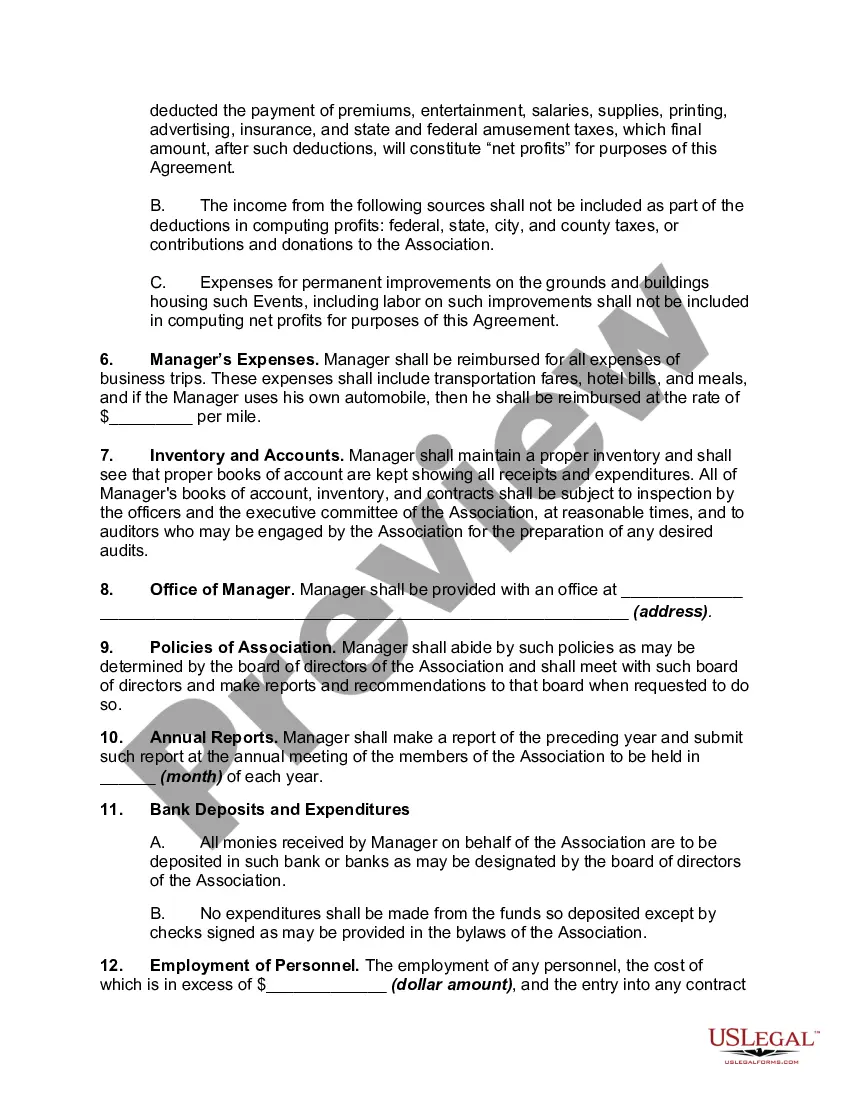
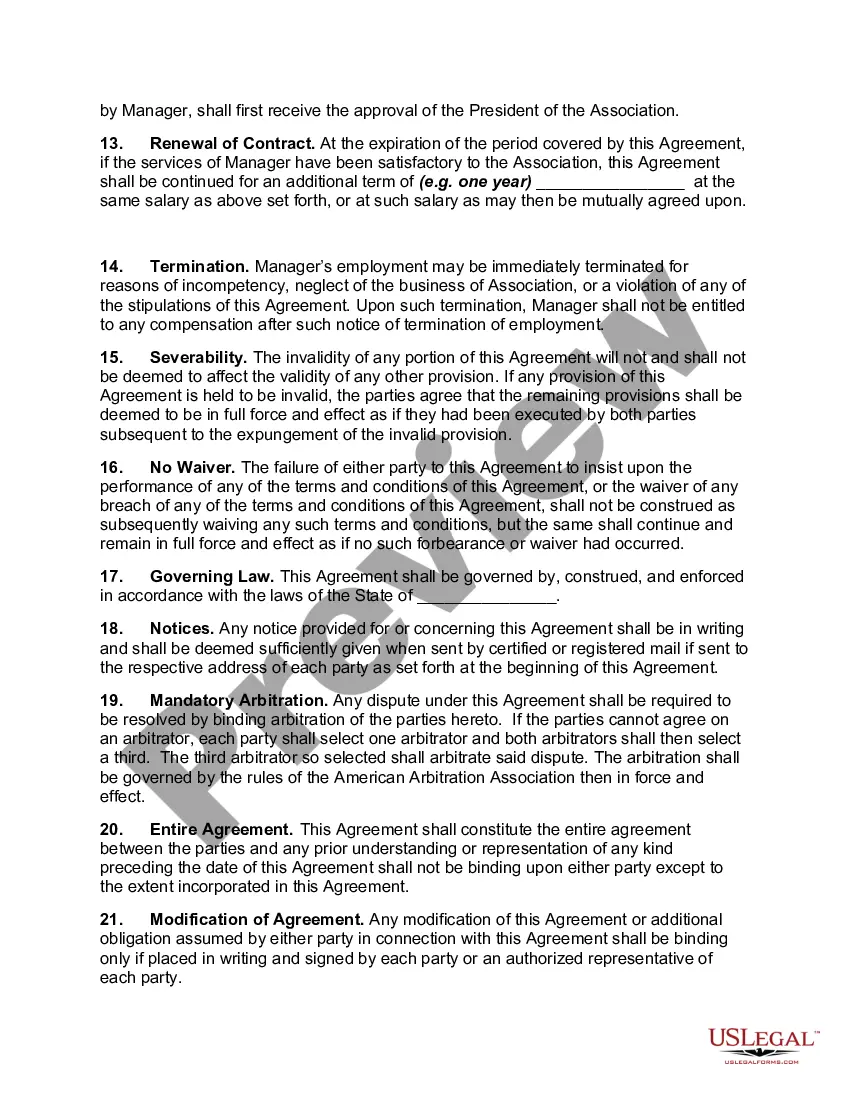
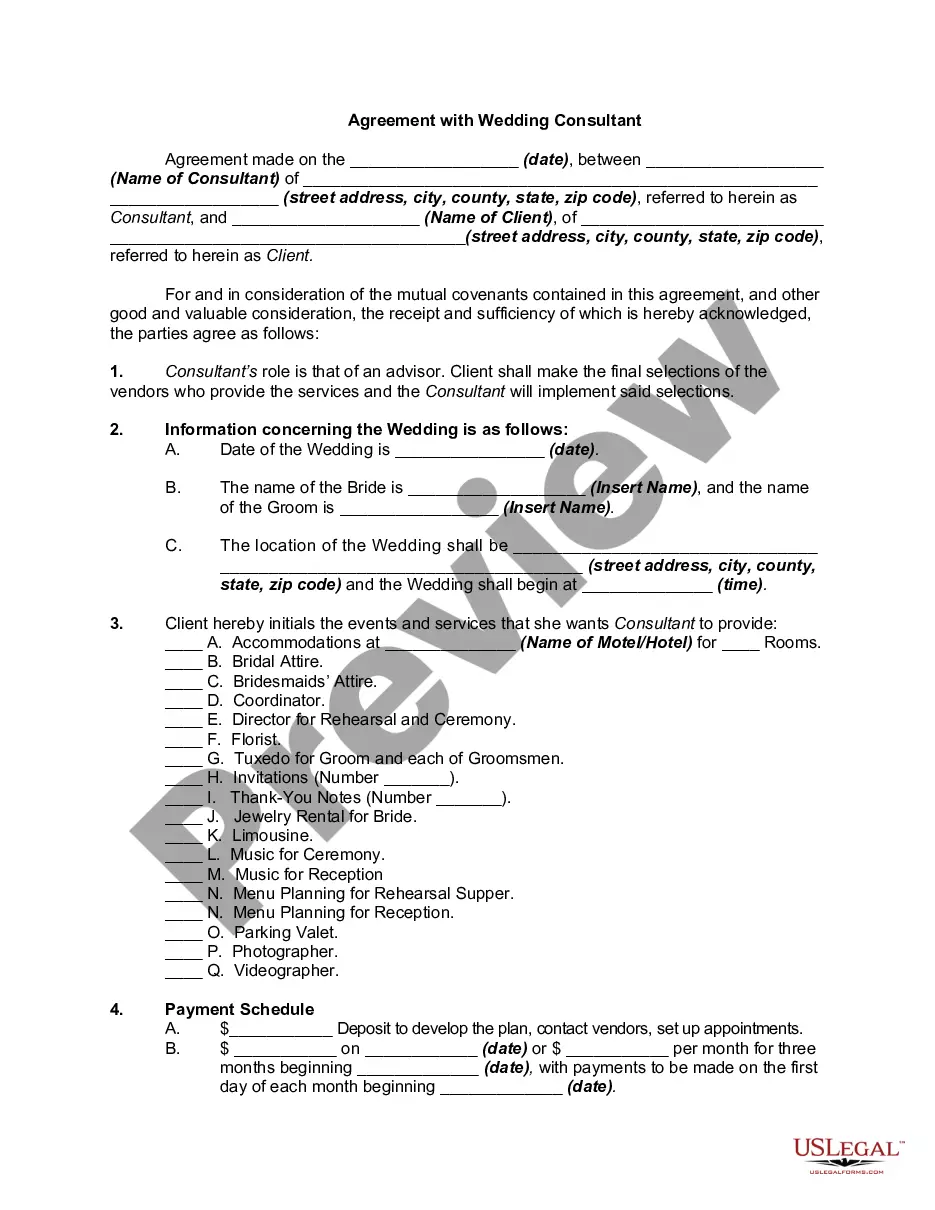
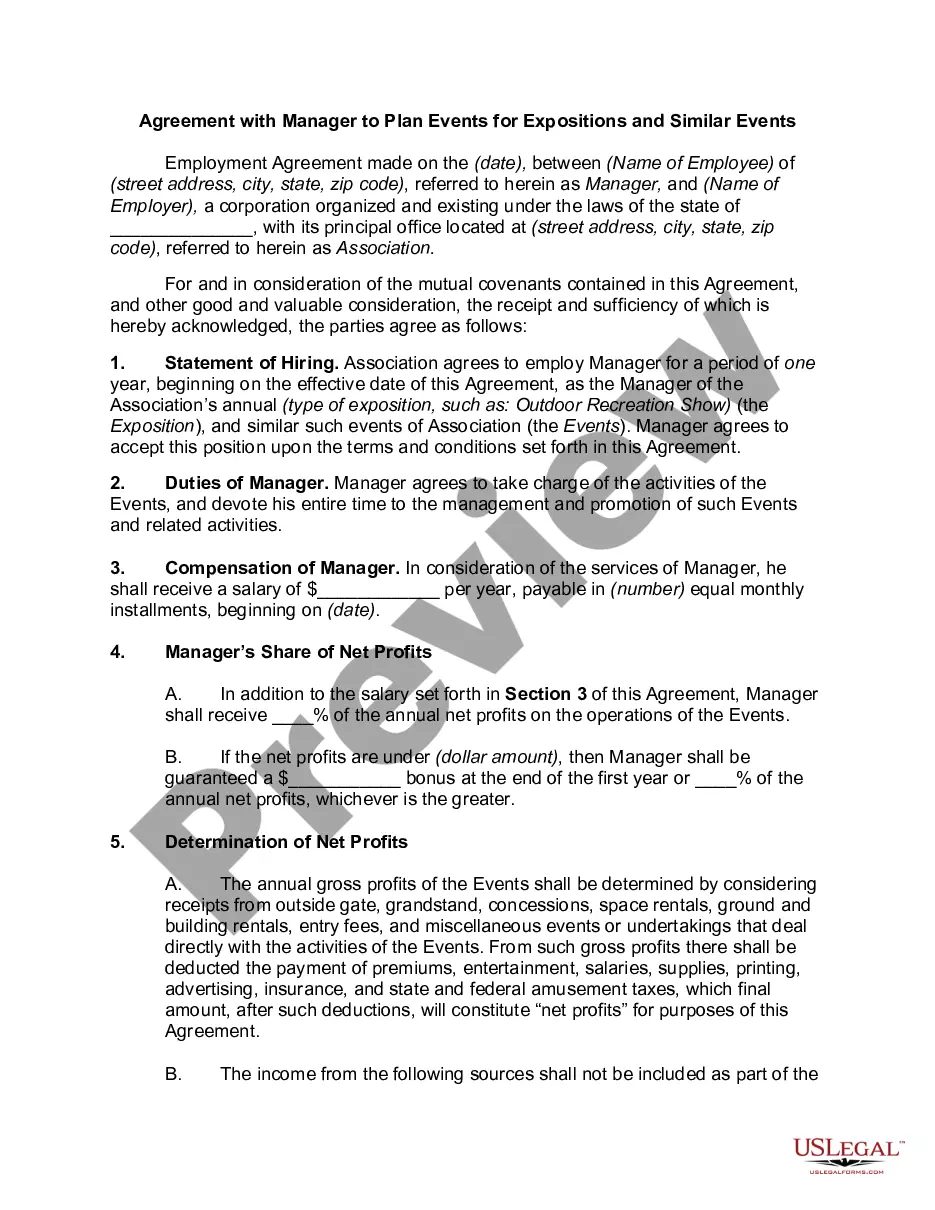
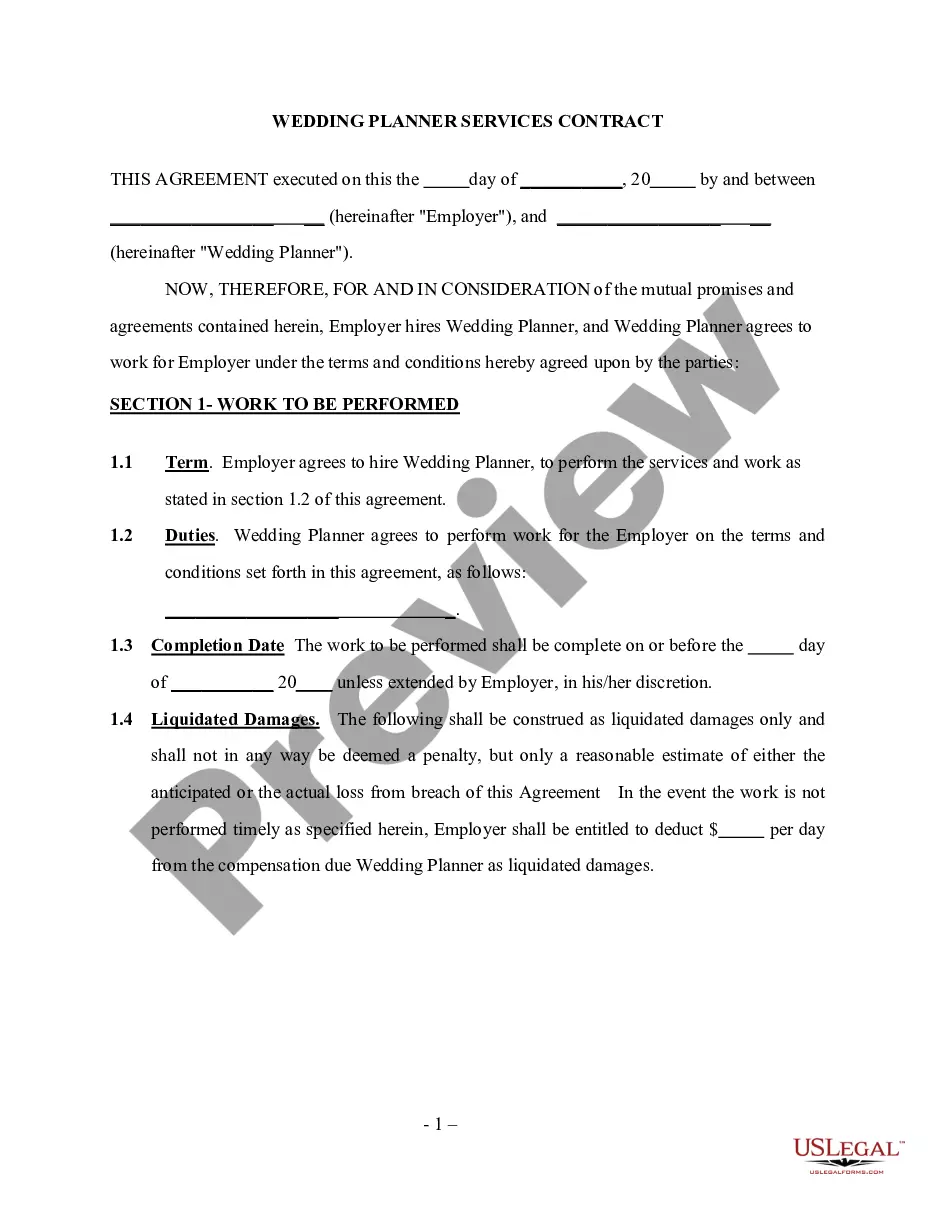
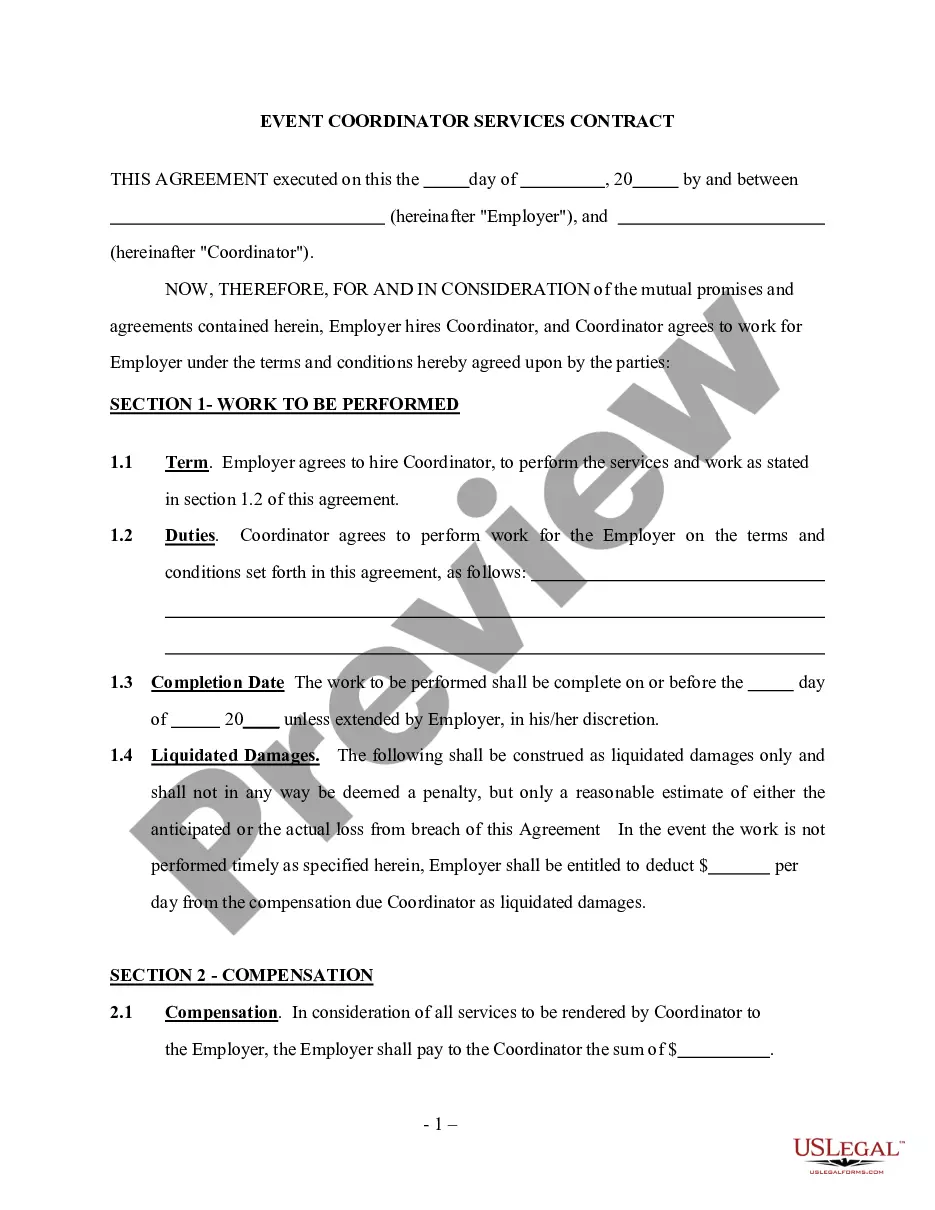
Get your form ready online
Our built-in tools help you complete, sign, share, and store your documents in one place.
Make edits, fill in missing information, and update formatting in US Legal Forms—just like you would in MS Word.
Download a copy, print it, send it by email, or mail it via USPS—whatever works best for your next step.
Sign and collect signatures with our SignNow integration. Send to multiple recipients, set reminders, and more. Go Premium to unlock E-Sign.
If this form requires notarization, complete it online through a secure video call—no need to meet a notary in person or wait for an appointment.
We protect your documents and personal data by following strict security and privacy standards.

Make edits, fill in missing information, and update formatting in US Legal Forms—just like you would in MS Word.

Download a copy, print it, send it by email, or mail it via USPS—whatever works best for your next step.

Sign and collect signatures with our SignNow integration. Send to multiple recipients, set reminders, and more. Go Premium to unlock E-Sign.

If this form requires notarization, complete it online through a secure video call—no need to meet a notary in person or wait for an appointment.

We protect your documents and personal data by following strict security and privacy standards.
Looking for another form?




Form popularity
FAQ
When creating your event planner contract, be sure to include the following details: Contact information for both parties. Date and time of the event including an end time. A detailed description of the event. Description of the duties and responsibilities of the event planner. Breakdown of costs and fees.
Market unpredictability: Unexpected outcomes occur frequently, meaning event contracts carry unpredictable market risk. Liquidity concerns: Since some event contract markets remain relatively new and untested, they pose some liquidity risks when few active parties are interested in a contract.
An event contract is a legally binding agreement between the event organizer (you or your company) and the service providers (such as a venue or vendors) involved in the event. Without a written agreement, the specifics of what each party expects from the other can become blurred.
Event contracts are a type of forecast contract that the Commodity Futures Trading Commission (CFTC) classifies as swaps. Their value depends on whether a specific event happens by a certain time.
An event contract essentially includes the following: Details of the event, including venue, date, time, etc. Parties intention from the event. Services provided by the planner.
Write the contract in six steps Start with a contract template. Open with the basic information. Describe in detail what you have agreed to. Include a description of how the contract will be ended. Write into the contract which laws apply and how disputes will be resolved. Include space for signatures.
Every contract, whether simple or complex, is considered legally enforceable when it incorporates six essential elements: Offer, Acceptance, Awareness, Consideration, Capacity and Legality. It is critical that all six elements are present—just one missing element can make a contract invalid and unenforceable.
An event contract is a legally binding document that explicitly lays out the terms and conditions of agreement between an event planner and their client.
