Event Planner Agreement With Hotel In Phoenix
Description

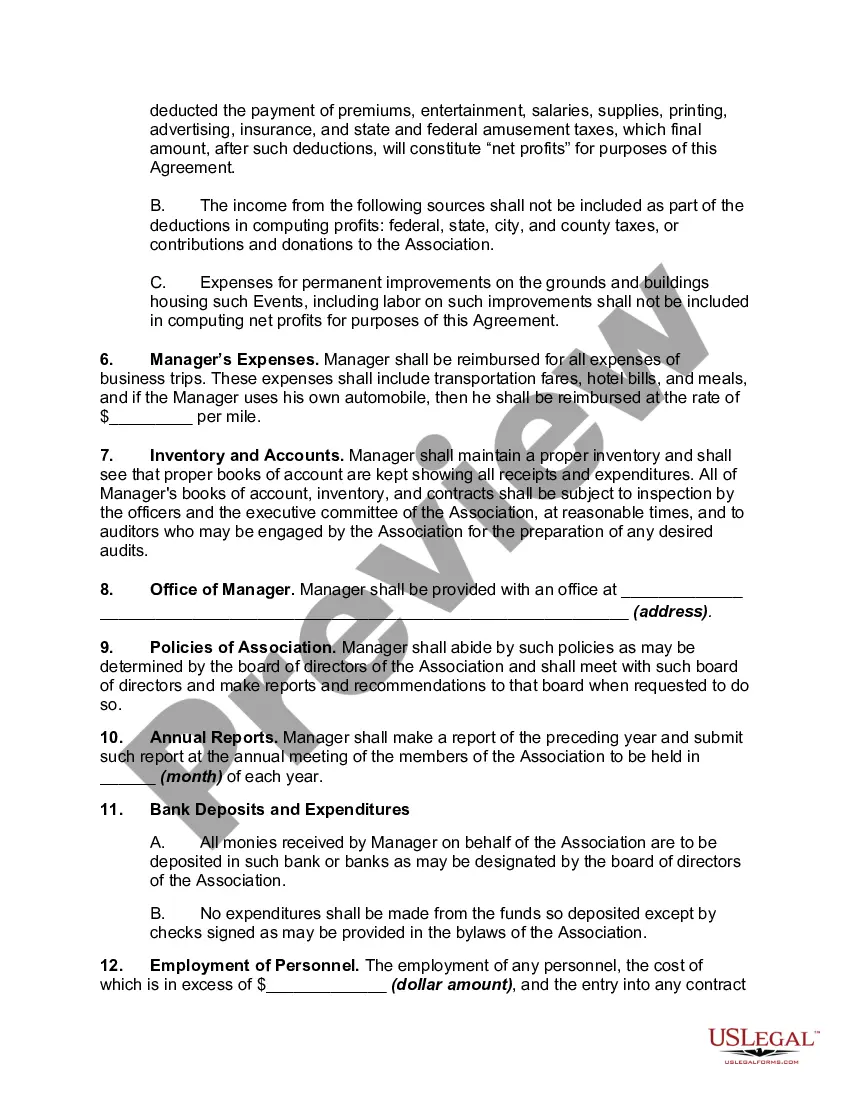
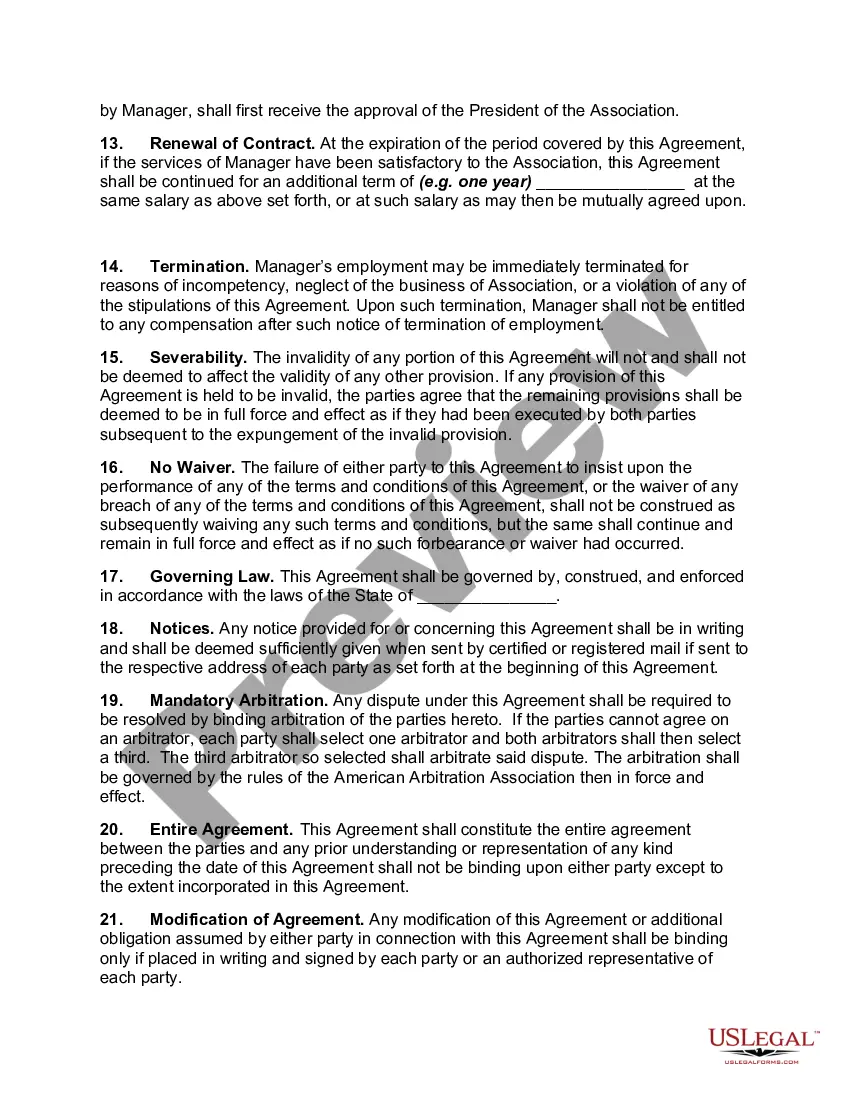
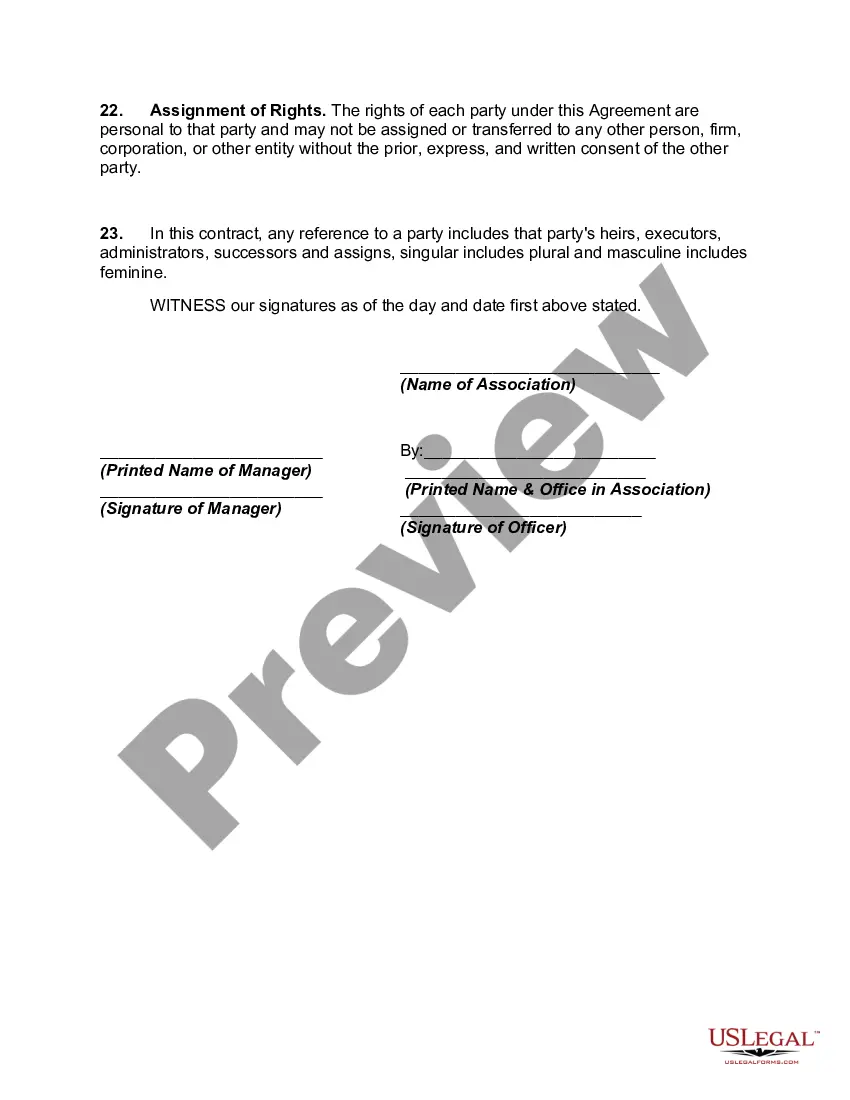
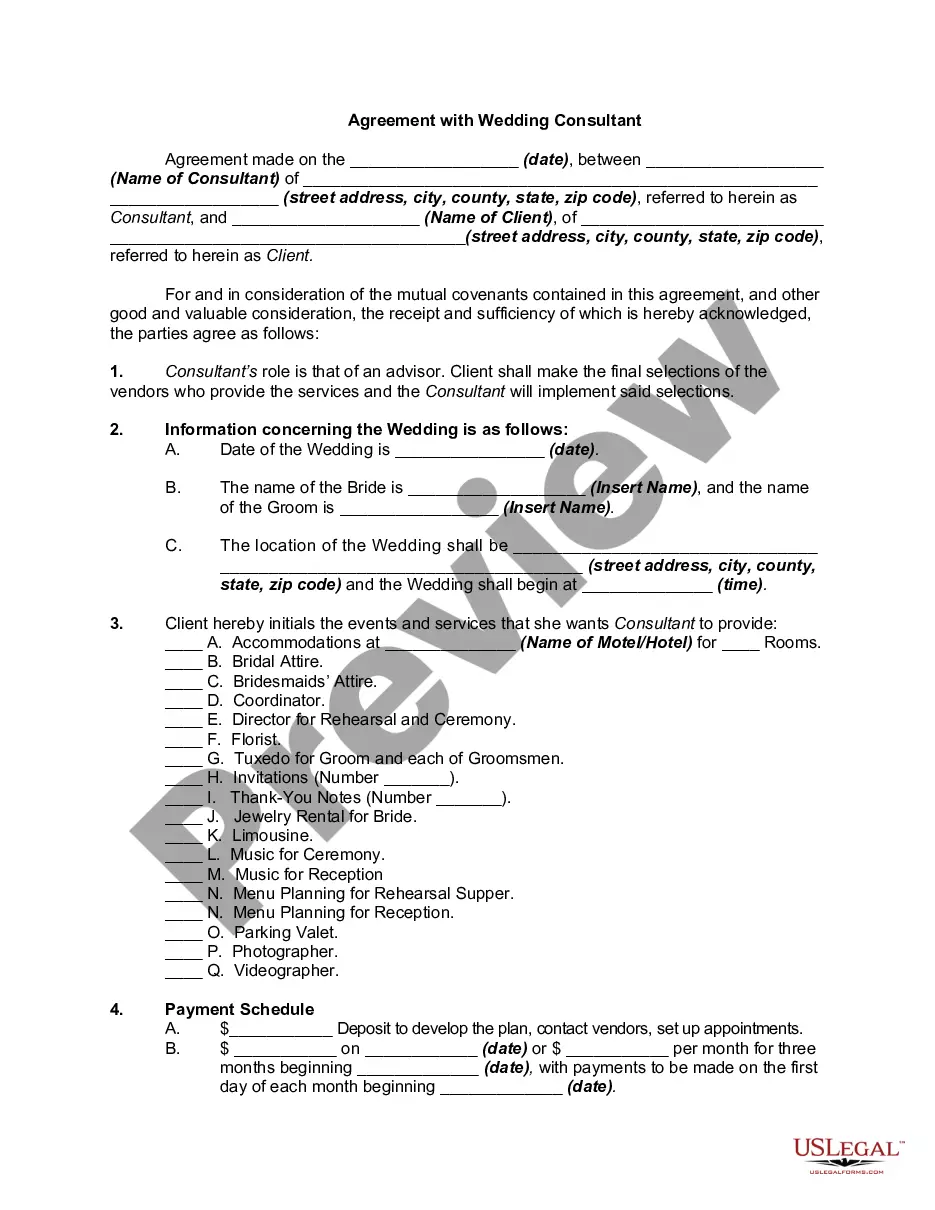
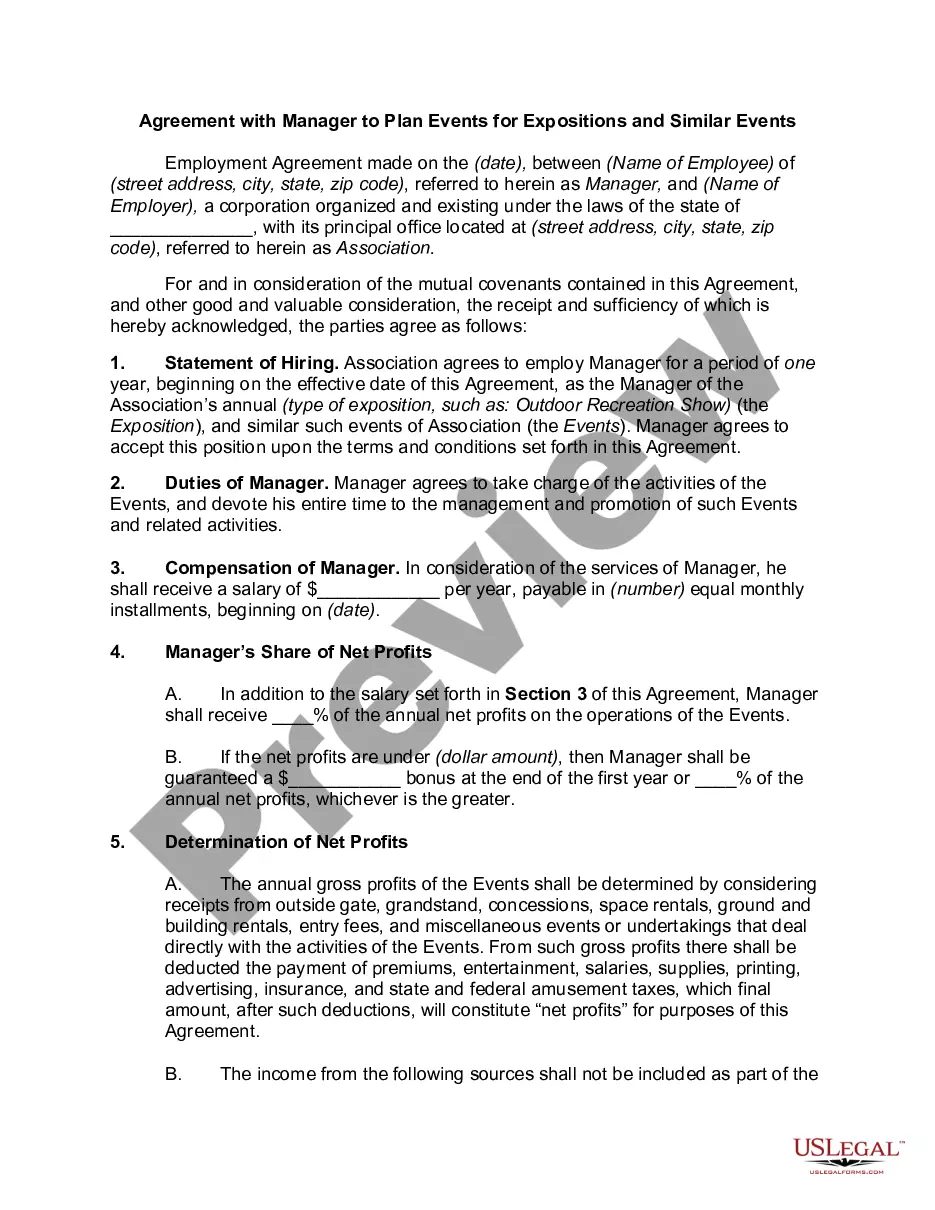
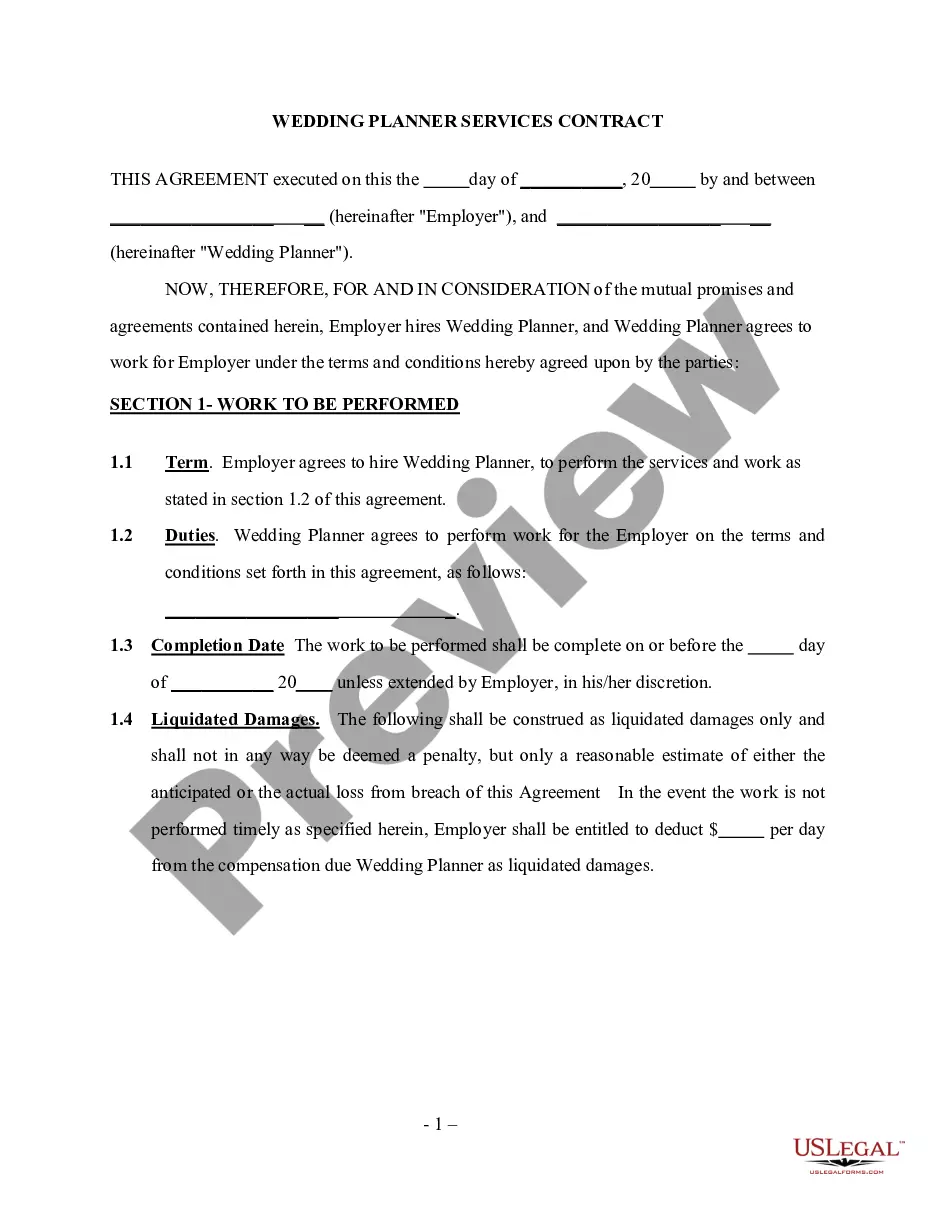
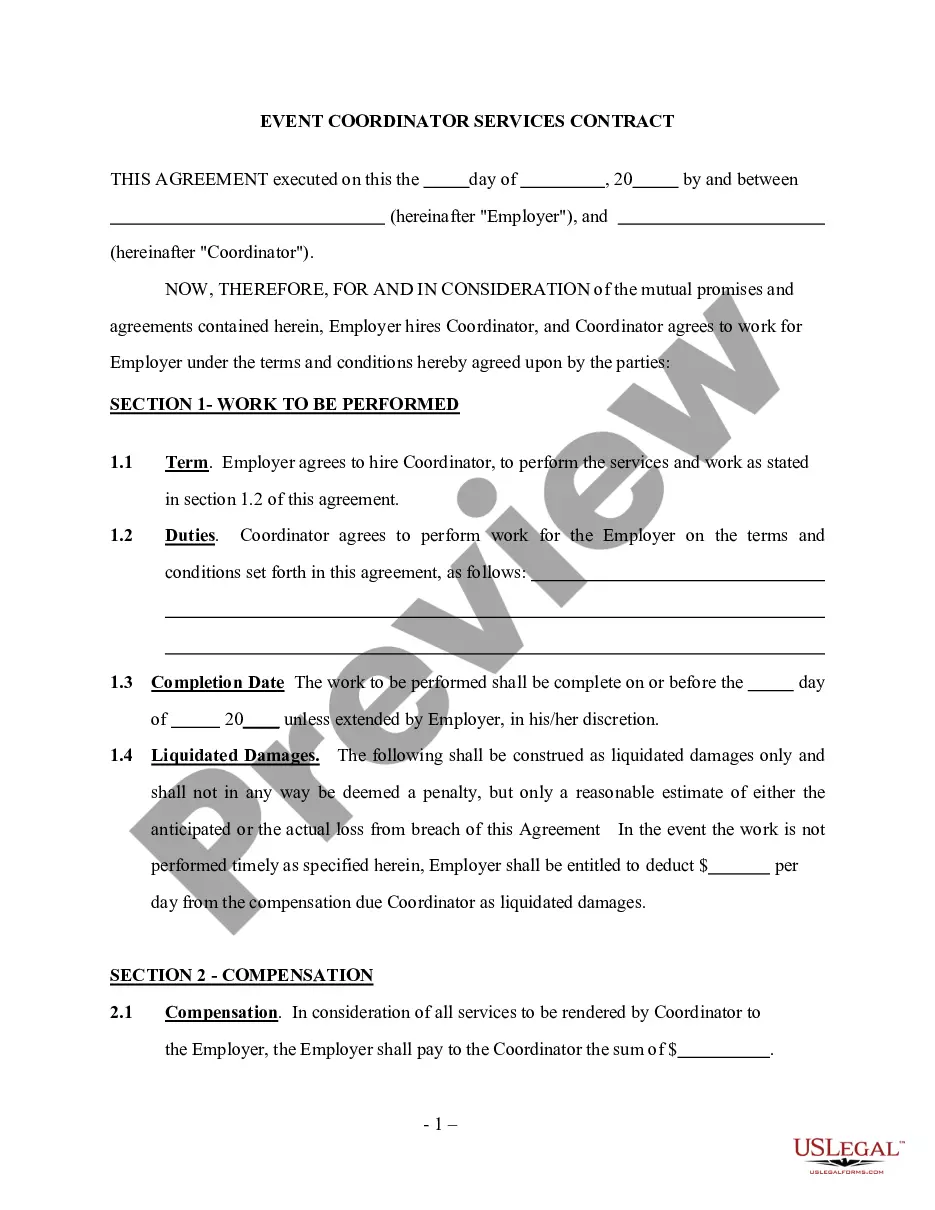
Get your form ready online
Our built-in tools help you complete, sign, share, and store your documents in one place.
Make edits, fill in missing information, and update formatting in US Legal Forms—just like you would in MS Word.
Download a copy, print it, send it by email, or mail it via USPS—whatever works best for your next step.
Sign and collect signatures with our SignNow integration. Send to multiple recipients, set reminders, and more. Go Premium to unlock E-Sign.
If this form requires notarization, complete it online through a secure video call—no need to meet a notary in person or wait for an appointment.
We protect your documents and personal data by following strict security and privacy standards.

Make edits, fill in missing information, and update formatting in US Legal Forms—just like you would in MS Word.

Download a copy, print it, send it by email, or mail it via USPS—whatever works best for your next step.

Sign and collect signatures with our SignNow integration. Send to multiple recipients, set reminders, and more. Go Premium to unlock E-Sign.

If this form requires notarization, complete it online through a secure video call—no need to meet a notary in person or wait for an appointment.

We protect your documents and personal data by following strict security and privacy standards.
Looking for another form?
Form popularity
FAQ
Education. Meeting, convention, and event planners typically need a bachelor's degree. Although some colleges offer programs in meeting and event management, other common fields of degree include business, communications, and social science.
1 Get educated. The first step to becoming a hotel event planner is to get some formal education in hospitality, event management, or a related field. 2 Gain experience. 3 Find your niche. 4 Build your network. 5 Apply for jobs. 6 Here's what else to consider.
A hotel event planner manages the space. An event manager is responsible for all of the hotel's events spaces including dining rooms, conference rooms, large ballrooms, and sometimes even concert venues.
Tourism and hospitality fields focus on the management, marketing, and operations of hotels, restaurants, parks, and other attractions. Event planning - often associated with tourism and hospitality - focuses on the budgets, timelines, legalities, and logistics of planning various kinds of events.
Tourism and hospitality fields focus on the management, marketing, and operations of hotels, restaurants, parks, and other attractions. Event planning - often associated with tourism and hospitality - focuses on the budgets, timelines, legalities, and logistics of planning various kinds of events.
In addition to lodging, travel services, and culinary delights, hospitality is full of indoor and outdoor recreation. Bars, nightclubs, theaters, stadiums, museums, zoos, and other attractions often act as special event venues and tourist attractions, helping to drive a destination's economy.
Event planning falls under the broader category of the hospitality and tourism industry. This industry encompasses a wide range of events, including weddings, conferences, trade shows, meetings, conventions, festivals, and social gatherings.
You can become an event planner by earning a relevant bachelor's degree or gaining suitable experience in the service industry. While many event planners did not attend college, increased competition in this field has encouraged more aspiring planners to earn degrees.
As the employers and recruiters who've contributed to this site will testify, you do not need a bachelor's degree to become an event planner. You still need a good standard of education, but in the event planning industry, experience trumps qualifications every time!
While there isn't really such a thing as a registered event planner in the U.S., an event planning certification will be more recognized in the industry than a certificate.
