Example Of An Event Contract In Hennepin
Description

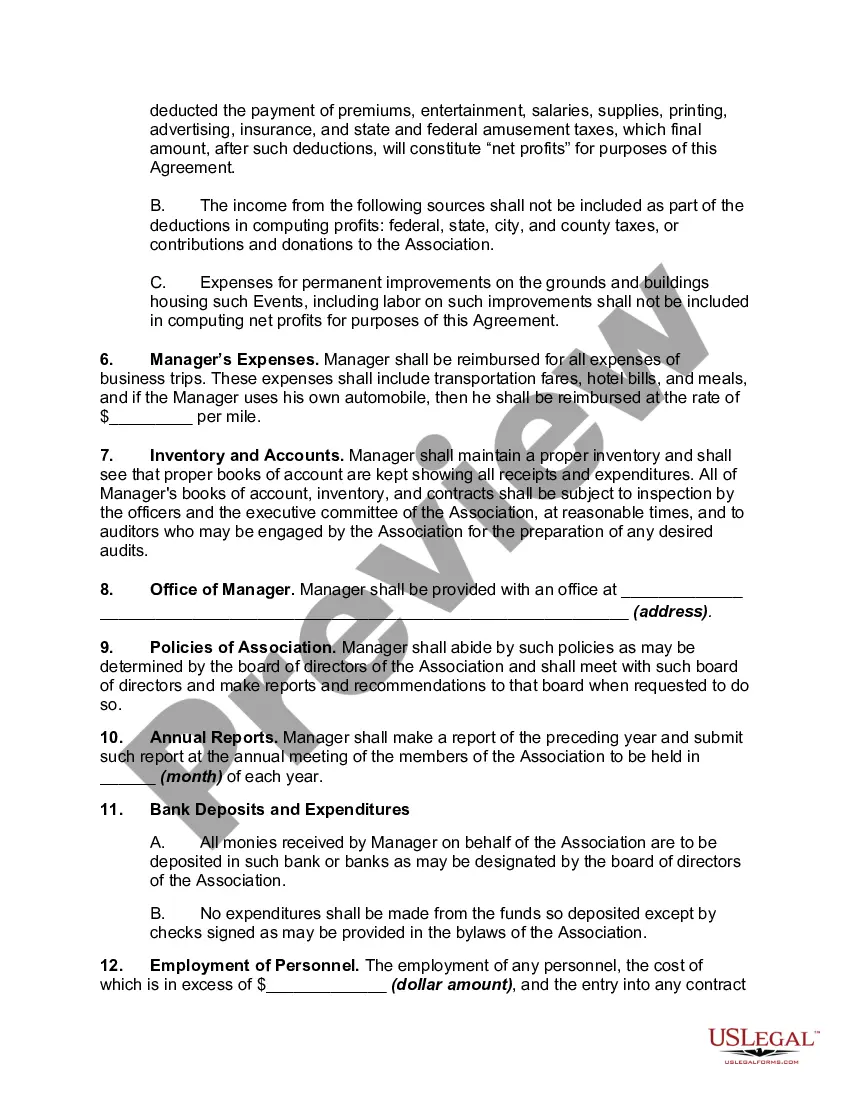
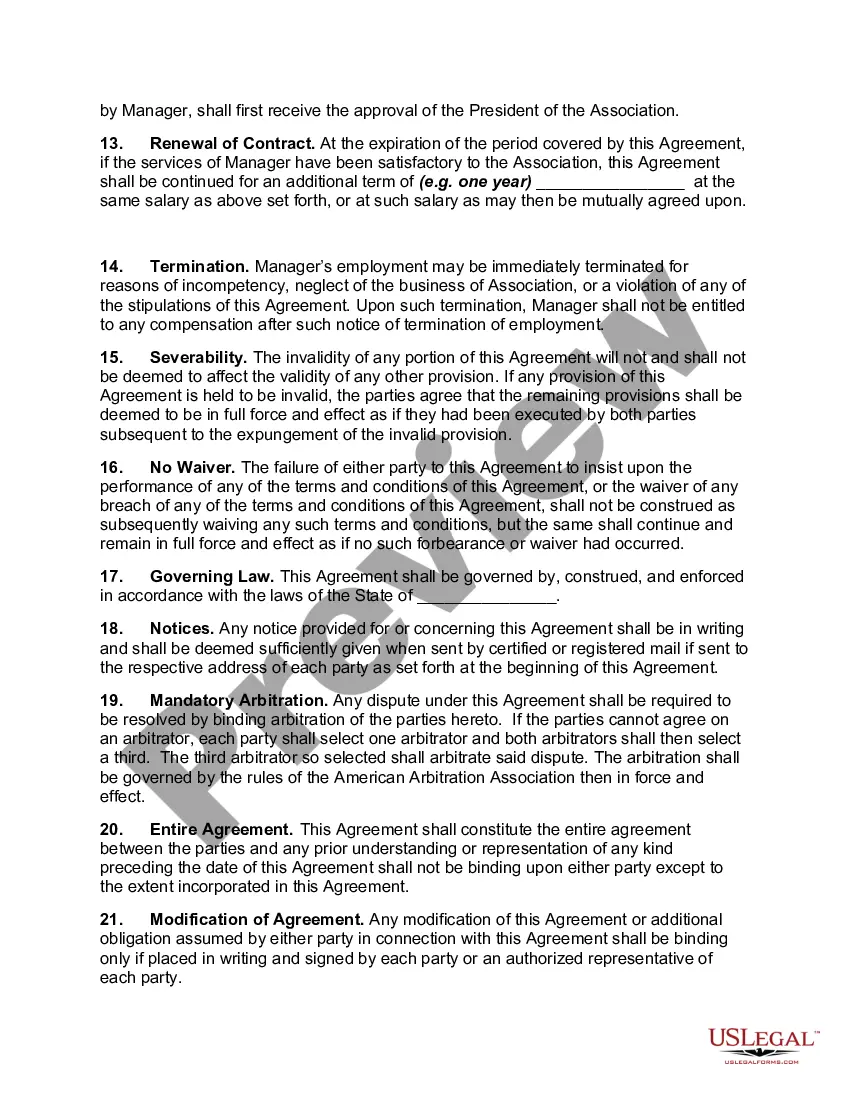
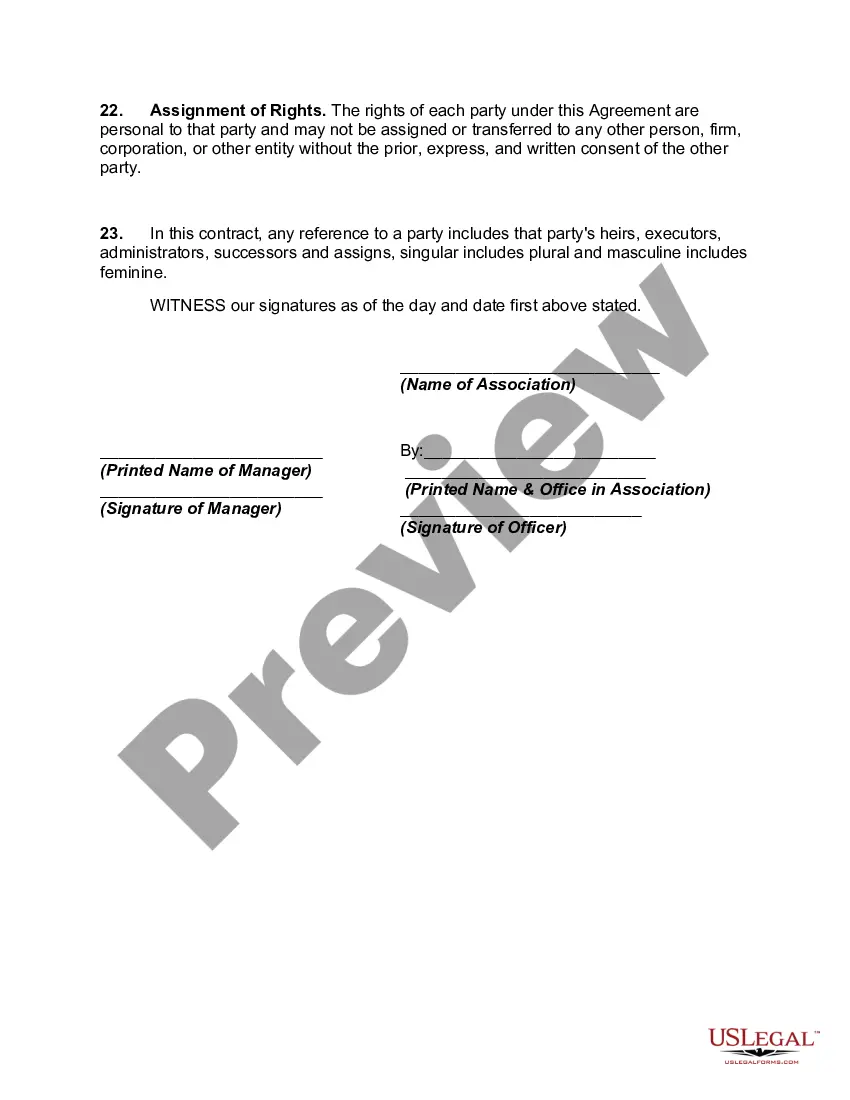
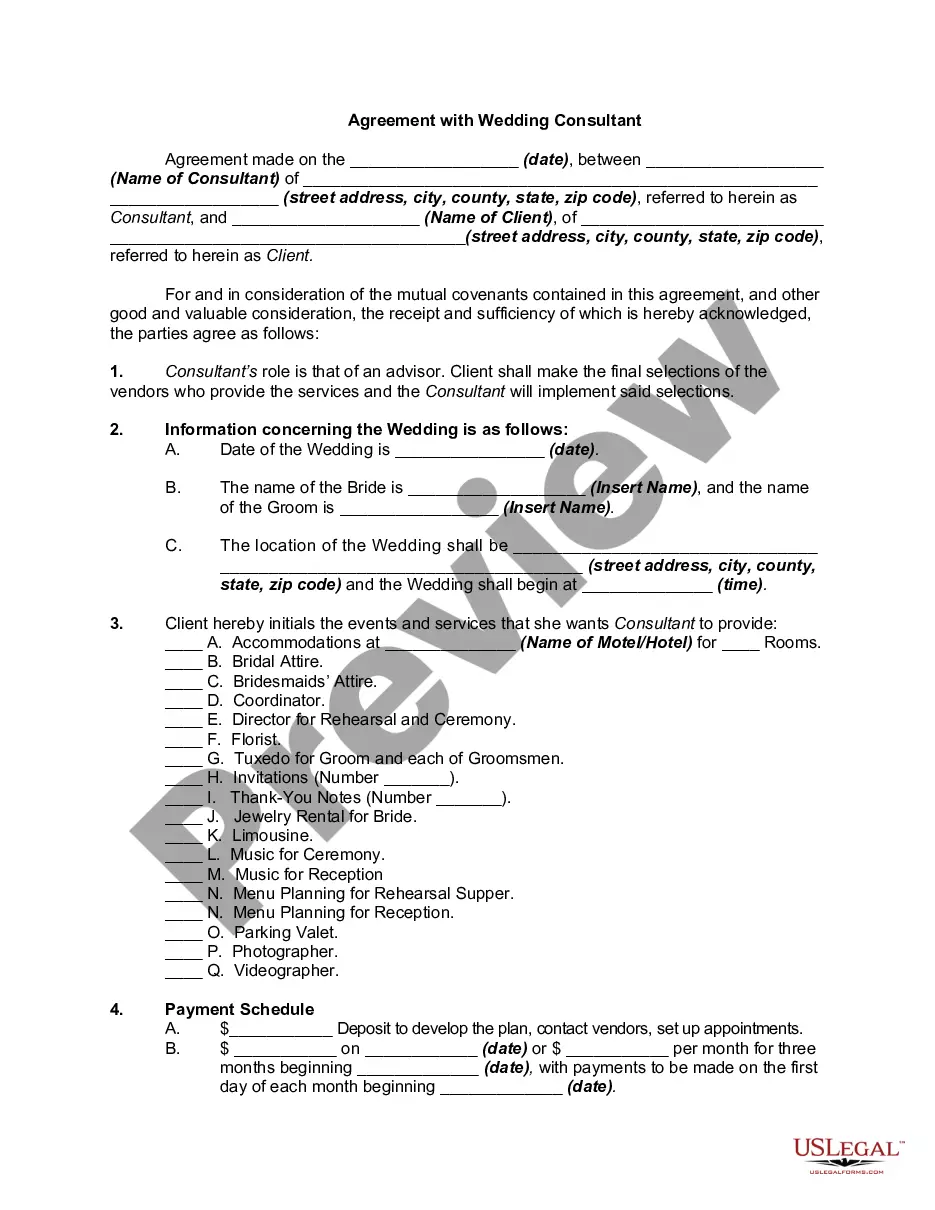
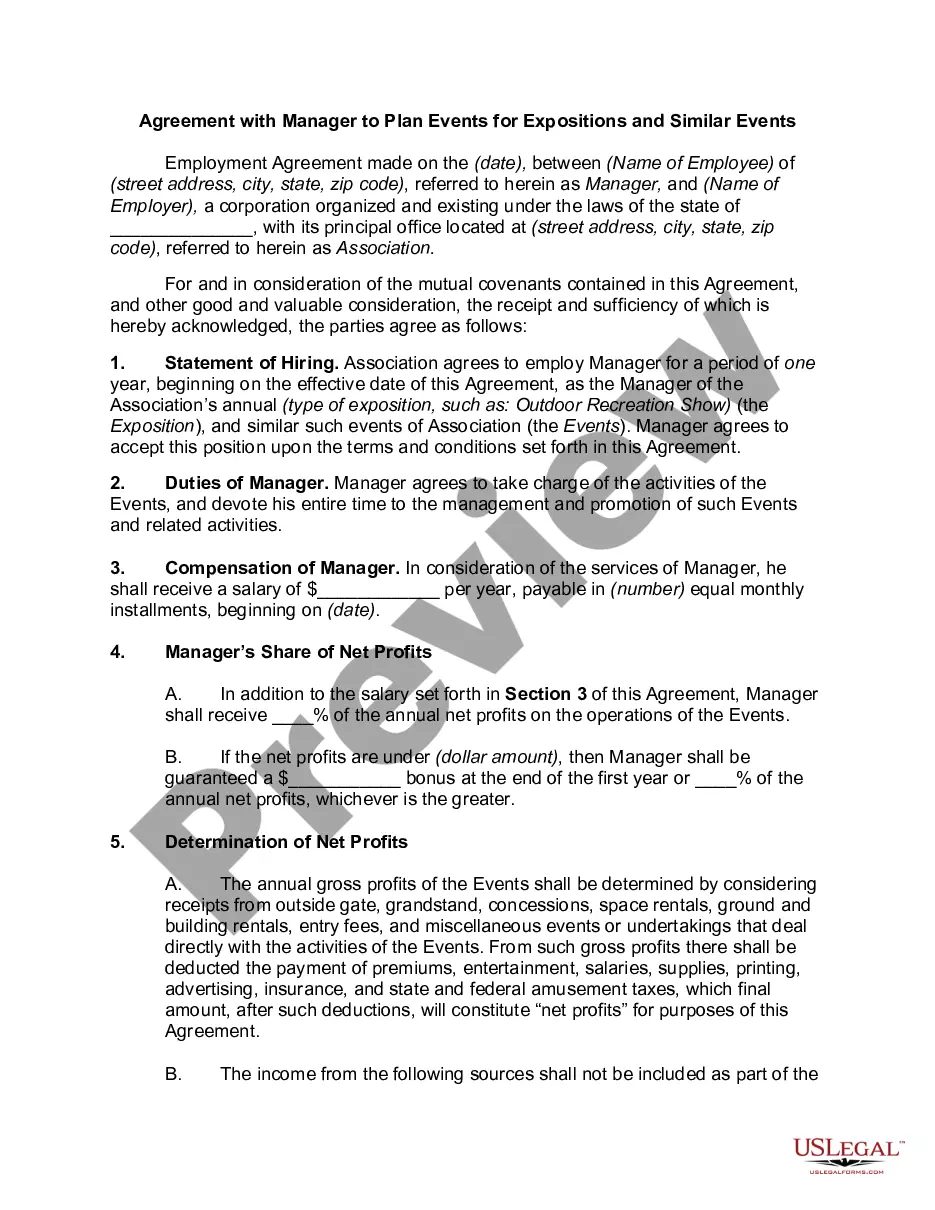
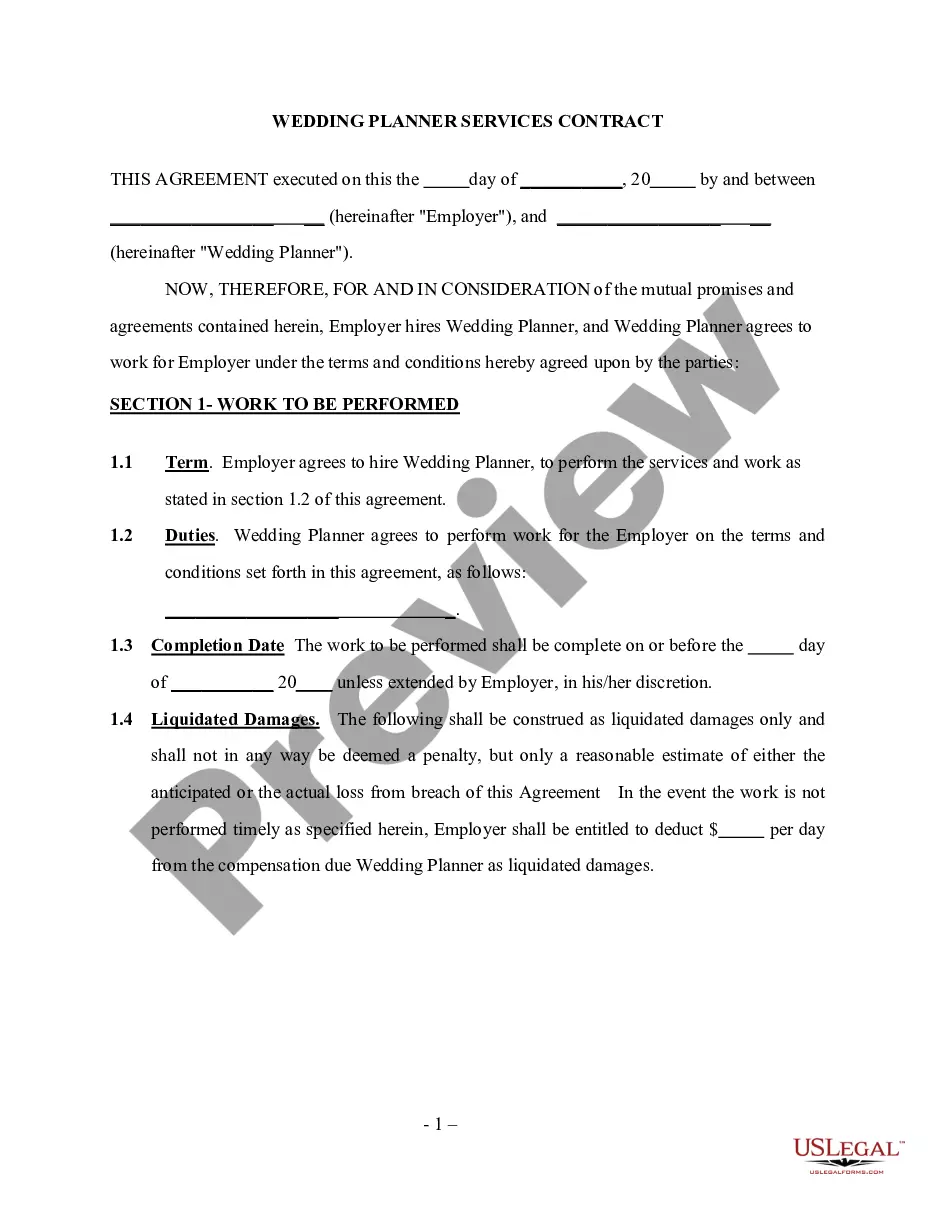
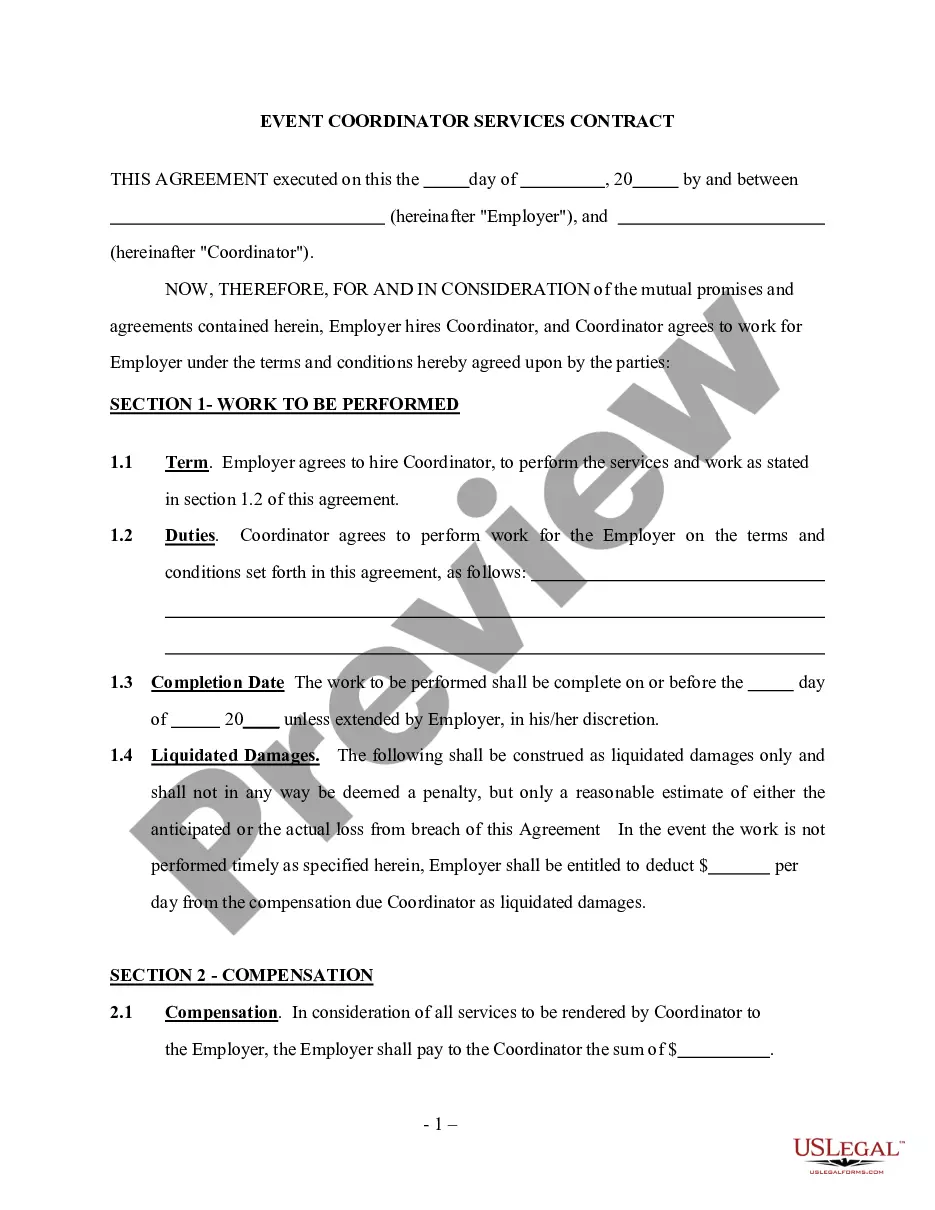
Get your form ready online
Our built-in tools help you complete, sign, share, and store your documents in one place.
Make edits, fill in missing information, and update formatting in US Legal Forms—just like you would in MS Word.
Download a copy, print it, send it by email, or mail it via USPS—whatever works best for your next step.
Sign and collect signatures with our SignNow integration. Send to multiple recipients, set reminders, and more. Go Premium to unlock E-Sign.
If this form requires notarization, complete it online through a secure video call—no need to meet a notary in person or wait for an appointment.
We protect your documents and personal data by following strict security and privacy standards.

Make edits, fill in missing information, and update formatting in US Legal Forms—just like you would in MS Word.

Download a copy, print it, send it by email, or mail it via USPS—whatever works best for your next step.

Sign and collect signatures with our SignNow integration. Send to multiple recipients, set reminders, and more. Go Premium to unlock E-Sign.

If this form requires notarization, complete it online through a secure video call—no need to meet a notary in person or wait for an appointment.

We protect your documents and personal data by following strict security and privacy standards.
Looking for another form?

Form popularity
FAQ
10 Different Types of Contracts Type of ContractEveryday Use Implied Contracts Common in everyday transactions like dining out. Express Contracts Standard in formal business agreements. Simple Contracts Used for straightforward services or transactions. Unconscionable Contracts Often challenged in court for fairness.10 more rows •
The Event may be cancelled due to inclement weather as determined in the Owner's sole and absolute discretion. Notification of cancellation will be provided by 12 PM on the date of the Event, unless weather events could not be reasonably determined by that time. The Event may or may not be rescheduled for a later date.
Event contracts are a type of forecast contract that the Commodity Futures Trading Commission (CFTC) classifies as swaps. Their value depends on whether a specific event happens by a certain time.
When creating your event planner contract, be sure to include the following details: Contact information for both parties. Date and time of the event including an end time. A detailed description of the event. Description of the duties and responsibilities of the event planner. Breakdown of costs and fees.
Here is a list of items you should always include in your event contract: The date of the event. A start time and an ending time for the event. The venue for the event. The number of people expected to attend the event. A detailed description of the services you will provide before, during, and after the event.
Market unpredictability: Unexpected outcomes occur frequently, meaning event contracts carry unpredictable market risk. Liquidity concerns: Since some event contract markets remain relatively new and untested, they pose some liquidity risks when few active parties are interested in a contract.
An event contract is a legally binding agreement between the event organizer (you or your company) and the service providers (such as a venue or vendors) involved in the event. Without a written agreement, the specifics of what each party expects from the other can become blurred.
The basic elements required for the agreement to be a legally enforceable contract are: mutual assent, expressed by a valid offer and acceptance; adequate consideration; capacity; and legality.
Thus, four well-known real contracts arose: 1) mutuum, 2) commodatum, 3) depositum and 4) pignus. In some of the mentioned cases, through the delivery of the item, the debtor's property was constituted on the object of the obligation, while in others only the retention or detention.
