Motorist Uninsured Accident Form California In Orange
Description

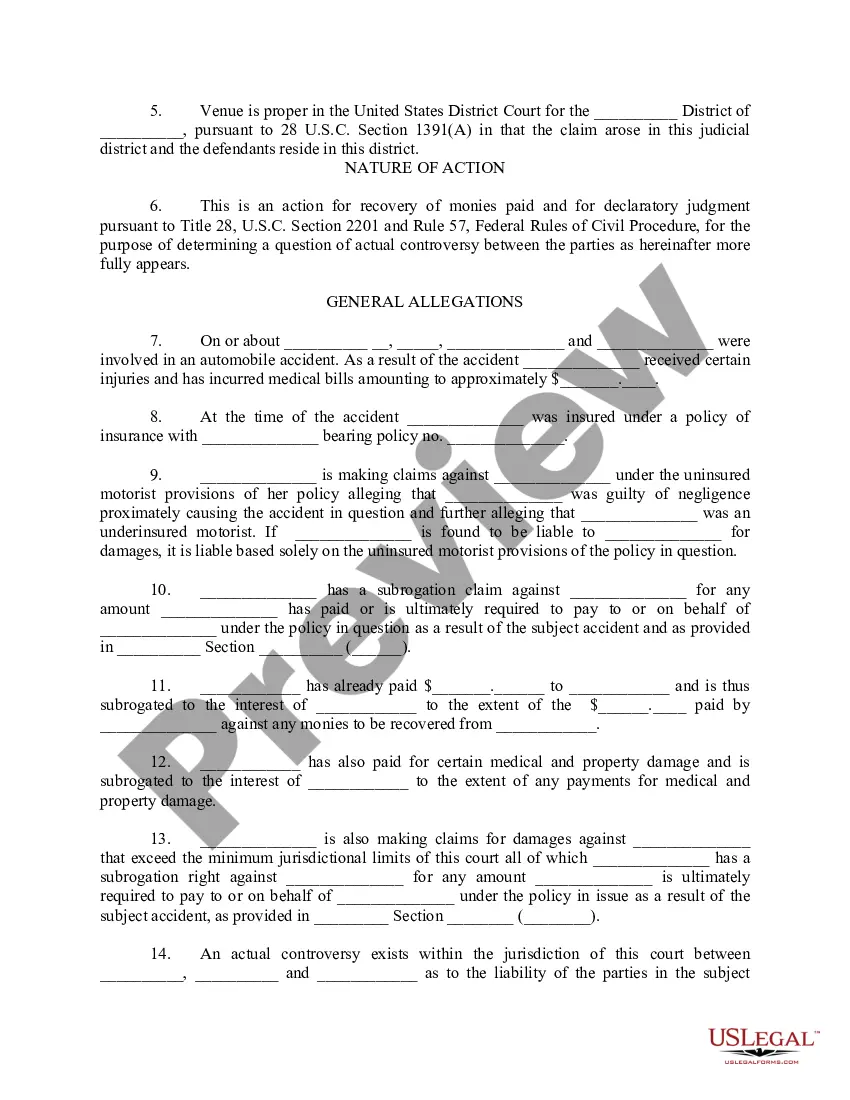
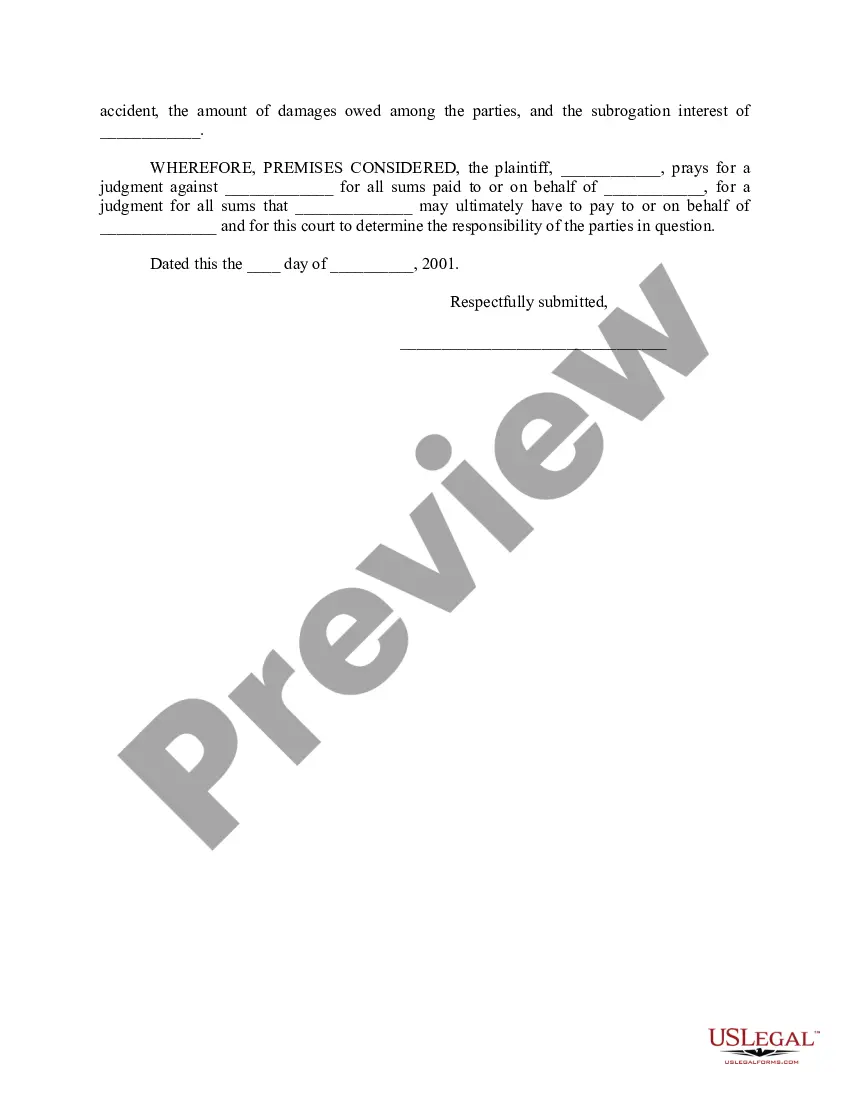



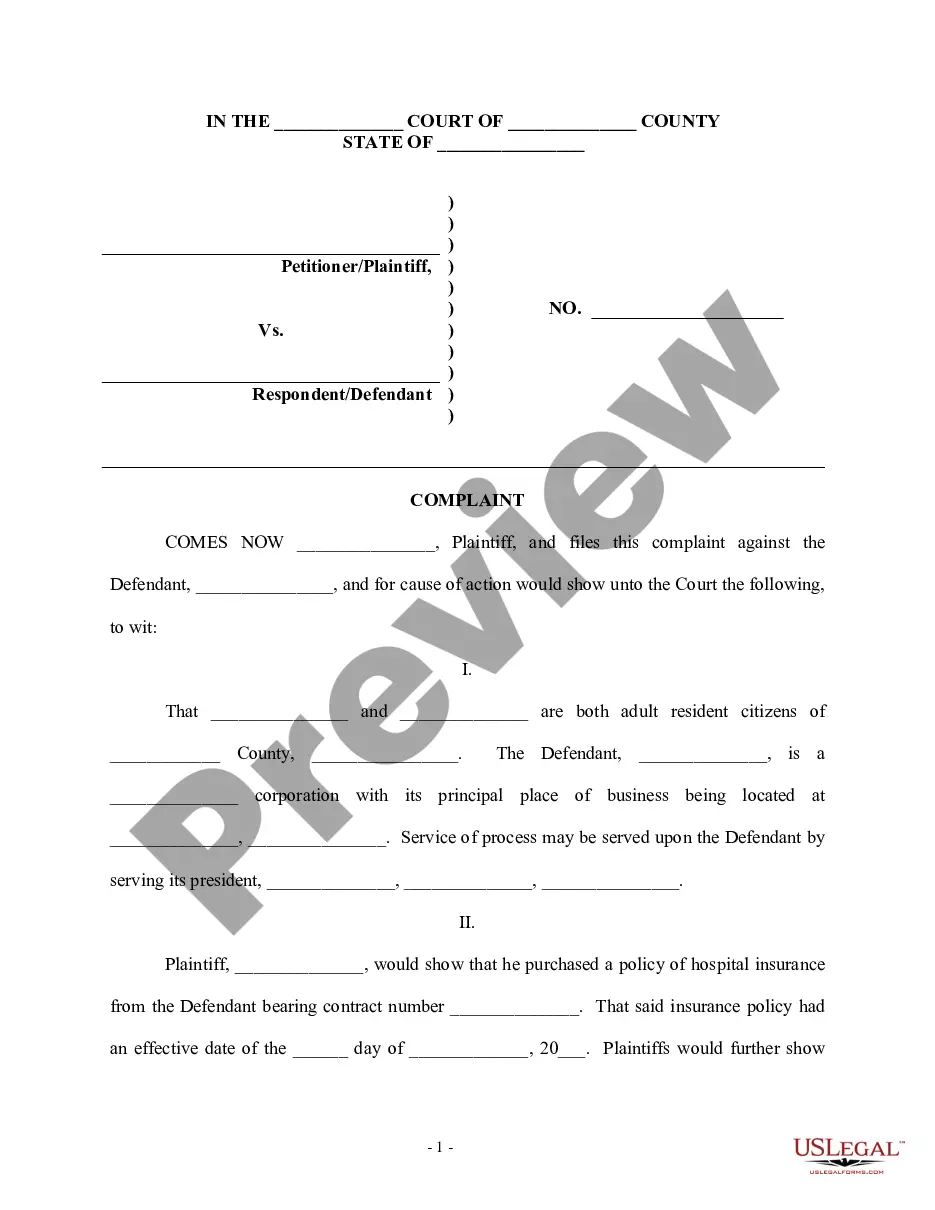
Get your form ready online
Our built-in tools help you complete, sign, share, and store your documents in one place.
Make edits, fill in missing information, and update formatting in US Legal Forms—just like you would in MS Word.
Download a copy, print it, send it by email, or mail it via USPS—whatever works best for your next step.
Sign and collect signatures with our SignNow integration. Send to multiple recipients, set reminders, and more. Go Premium to unlock E-Sign.
If this form requires notarization, complete it online through a secure video call—no need to meet a notary in person or wait for an appointment.
We protect your documents and personal data by following strict security and privacy standards.

Make edits, fill in missing information, and update formatting in US Legal Forms—just like you would in MS Word.

Download a copy, print it, send it by email, or mail it via USPS—whatever works best for your next step.

Sign and collect signatures with our SignNow integration. Send to multiple recipients, set reminders, and more. Go Premium to unlock E-Sign.

If this form requires notarization, complete it online through a secure video call—no need to meet a notary in person or wait for an appointment.

We protect your documents and personal data by following strict security and privacy standards.
Looking for another form?





Form popularity
FAQ
It may be better to file a claim with your own insurance company if you have uninsured motorist coverage. Unless the at-fault driver is stable financially or has well-off parents or guardians and can afford to cover your damages in full, you may want to avoid the unnecessary trouble of suing.
California law does not require you to carry uninsured motorist (UM) or underinsured motorist (UIM) coverage—so, legally, you don't need either one. However, UM/UIM is an important and commonsense coverage to carry.
Policy limits: Uninsured motorist coverage comes with limits, just like other insurance coverages. Severe accidents might exceed these limits, leaving you with uncovered expenses. Claim disputes: There might be disputes over the extent of your coverage and the amount you can claim, leading to potential legal battles.
The law requires the driver to file this SR-1 form with DMV regardless of fault. This report must be made in addition to any other report filed with a law enforcement agency, insurance company, or the California Highway Patrol (CHP) as their reports do not satisfy the filing requirement.
California law requires that insurance companies offer uninsured motorist coverage. If you are in an accident with an uninsured driver, you can file a claim under your own policy's uninsured motorist coverage if you have it. You can also sue the uninsured driver for your damages.
The driver must sign and date the completed form, and file it with the Department of Motor Vehicle in California. You can file the DMV SR 1 form online at the DMV official website.
You may obtain a copy of your accident report from a California Highway Patrol office or the Department of Motor Vehicles.
No, California accident reports are not considered public records in most circumstances, as stated in the California Vehicle Code 20012. Therefore, they are for the confidential use of the California Highway Patrol and the Department of Motor Vehicles.
State Laws. In some states, there are conditions to get uninsured motorist coverage. California, for example, has a strict maximum of $3500 for uninsured motorist property damage coverage.
