Insurance Without Subrogation In Orange
Description

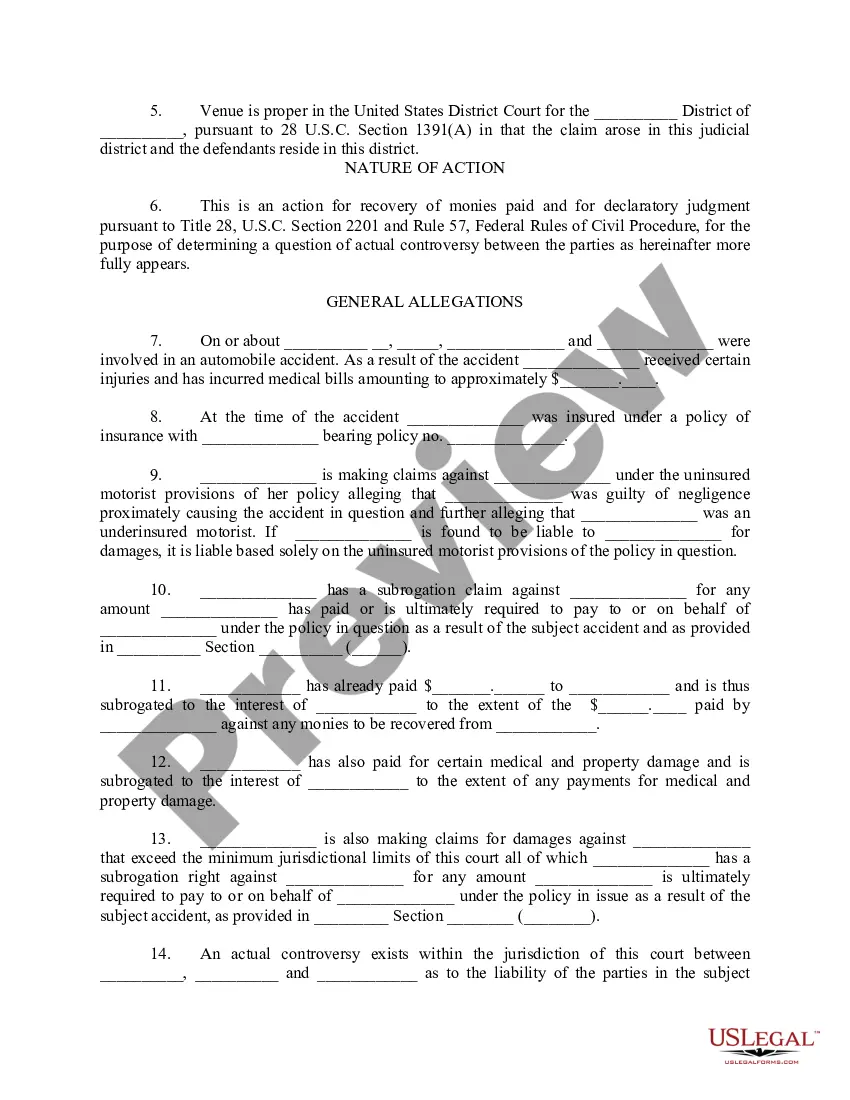
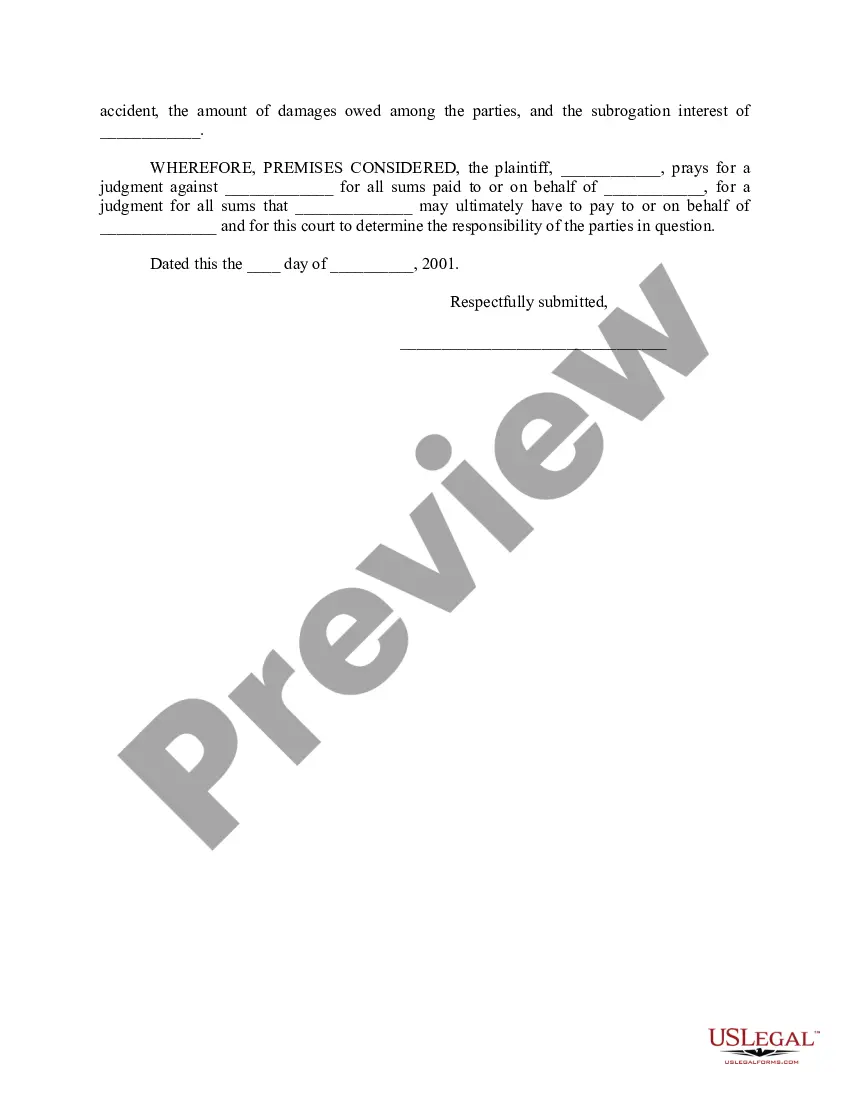



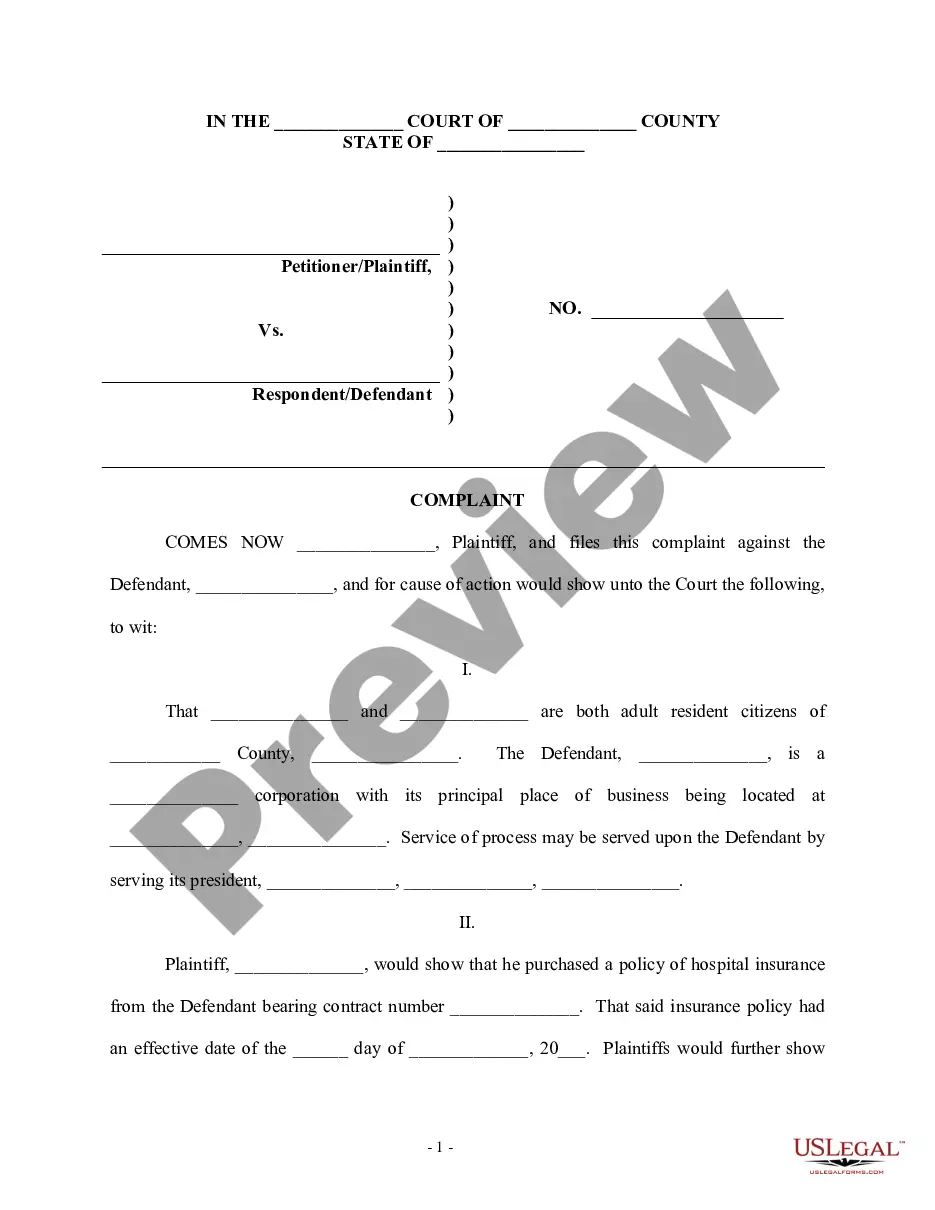
Get your form ready online
Our built-in tools help you complete, sign, share, and store your documents in one place.
Make edits, fill in missing information, and update formatting in US Legal Forms—just like you would in MS Word.
Download a copy, print it, send it by email, or mail it via USPS—whatever works best for your next step.
Sign and collect signatures with our SignNow integration. Send to multiple recipients, set reminders, and more. Go Premium to unlock E-Sign.
If this form requires notarization, complete it online through a secure video call—no need to meet a notary in person or wait for an appointment.
We protect your documents and personal data by following strict security and privacy standards.

Make edits, fill in missing information, and update formatting in US Legal Forms—just like you would in MS Word.

Download a copy, print it, send it by email, or mail it via USPS—whatever works best for your next step.

Sign and collect signatures with our SignNow integration. Send to multiple recipients, set reminders, and more. Go Premium to unlock E-Sign.

If this form requires notarization, complete it online through a secure video call—no need to meet a notary in person or wait for an appointment.

We protect your documents and personal data by following strict security and privacy standards.
Looking for another form?








Form popularity
FAQ
While a waiver of subrogation prevents an insurer from pursuing recovery from a responsible third party, a transfer of rights of recovery allows the insurer to pursue such recovery.
Subrogation waiver. If the property owner agrees to a subrogation waiver and their insurance policy allows them to do so, you can negotiate directly with the property owner avoid any subrogation claims.
A waiver of subrogation can be categorized into two types: blanket waivers and scheduled waivers. Each serves a distinct purpose in managing risk and insurance claims.
The law recognizes two types of waivers. They are: They are express and implied. An express waiver occurs when the insurer or its representative knowingly gives up a known right under the insurance contract.
A waiver of subrogation keeps insurance companies from suing the party that caused damages to recoup the loss created from paying the covered party. The two types of waivers are scheduled and blanket waivers of subrogation. These waivers are used to maintain relationships between parties that rely on each other.
In the absence of such authority, the court refused to prohibit Universal from bringing an action as subrogee of the Harrises. In evaluating the defendants' third argument, the court explained the difference between two types of subrogation: equitable and contractual.
The two most common methods subrogation attorneys utilize to avoid undertaking a litigation process are mediation and arbitration.
There are exceptions to waiver of subrogation clauses. For example, if the owner's insurance doesn't cover a certain risk, the owner can pursue recovery costs from the negligent party. In addition, the policy owner may seek to recoup any costs from the third party that exceed the insurance policy's payout limit.