Declaratory Judgment Statute Of Limitations Texas In Houston
Description

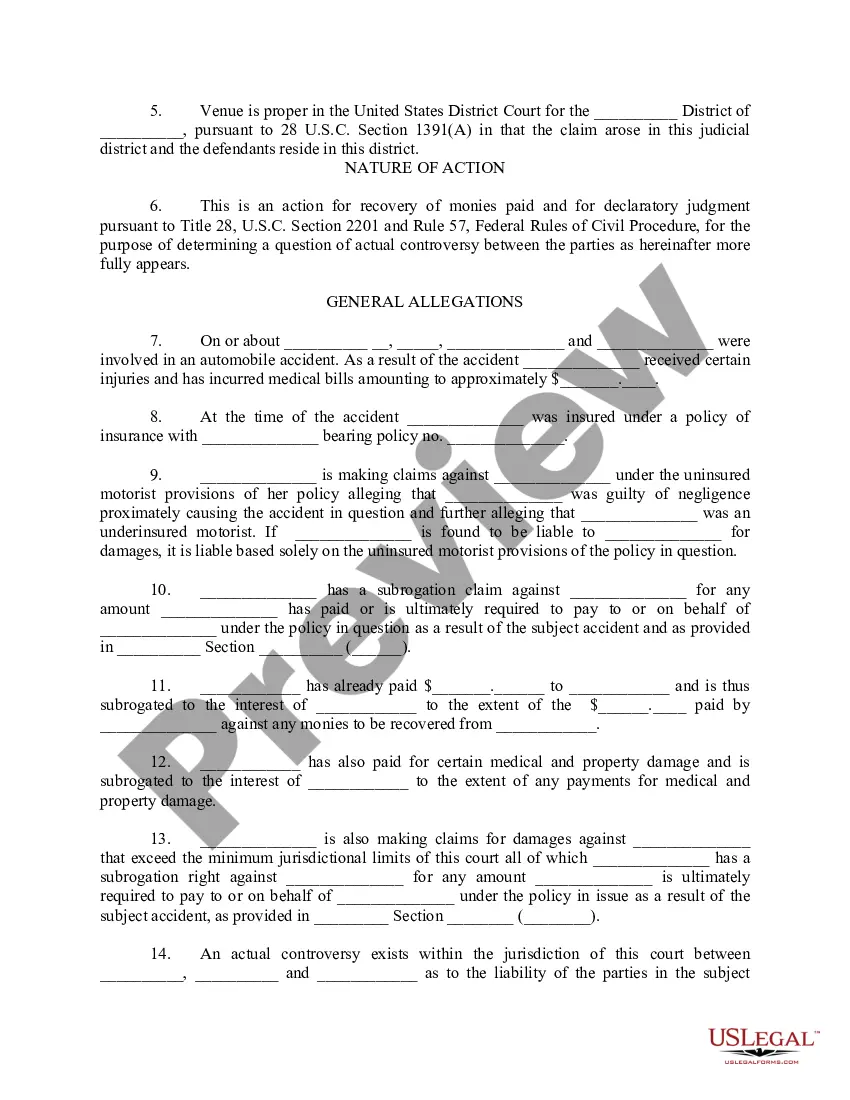
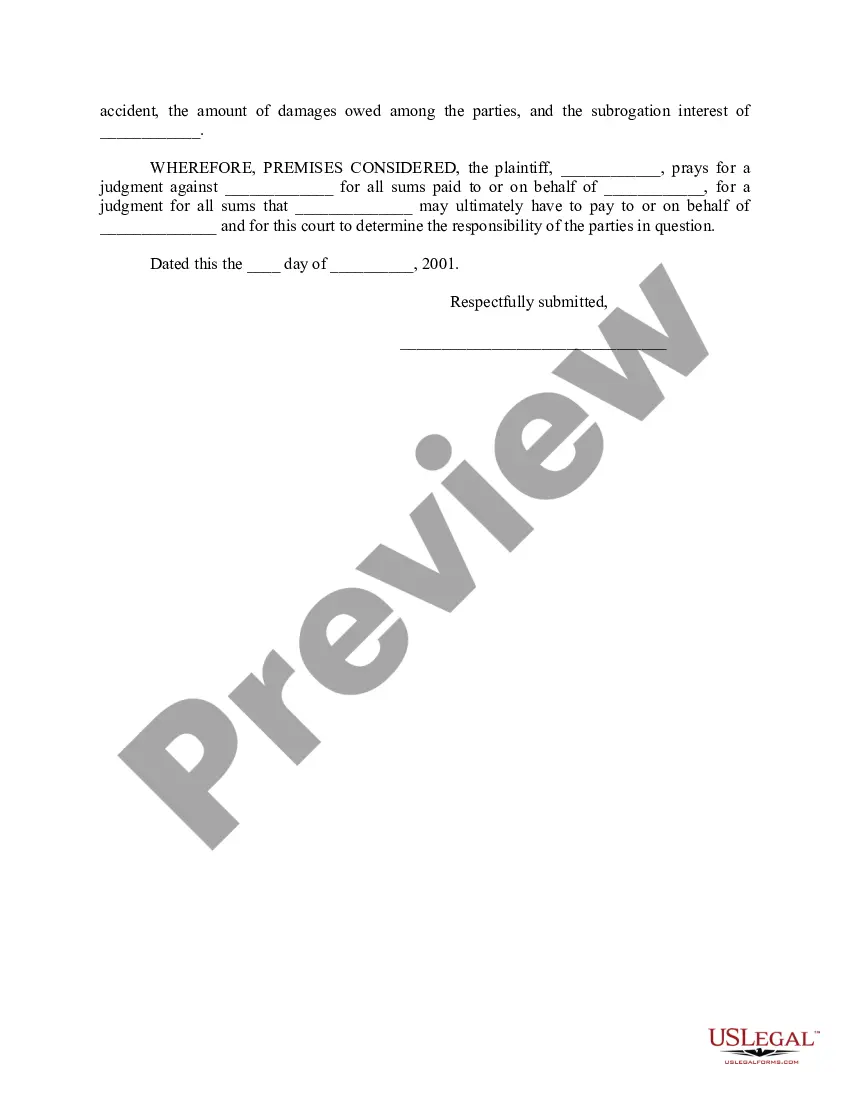



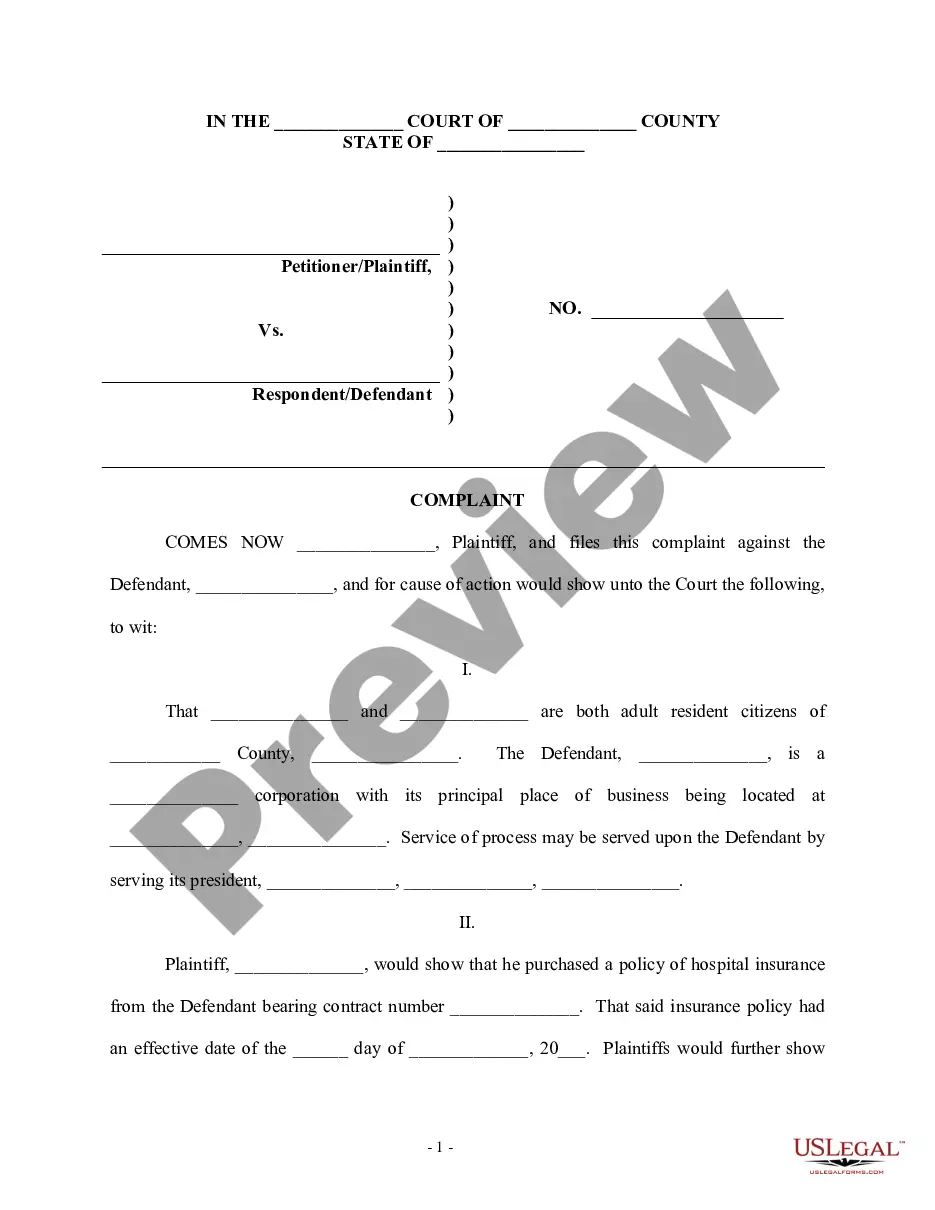
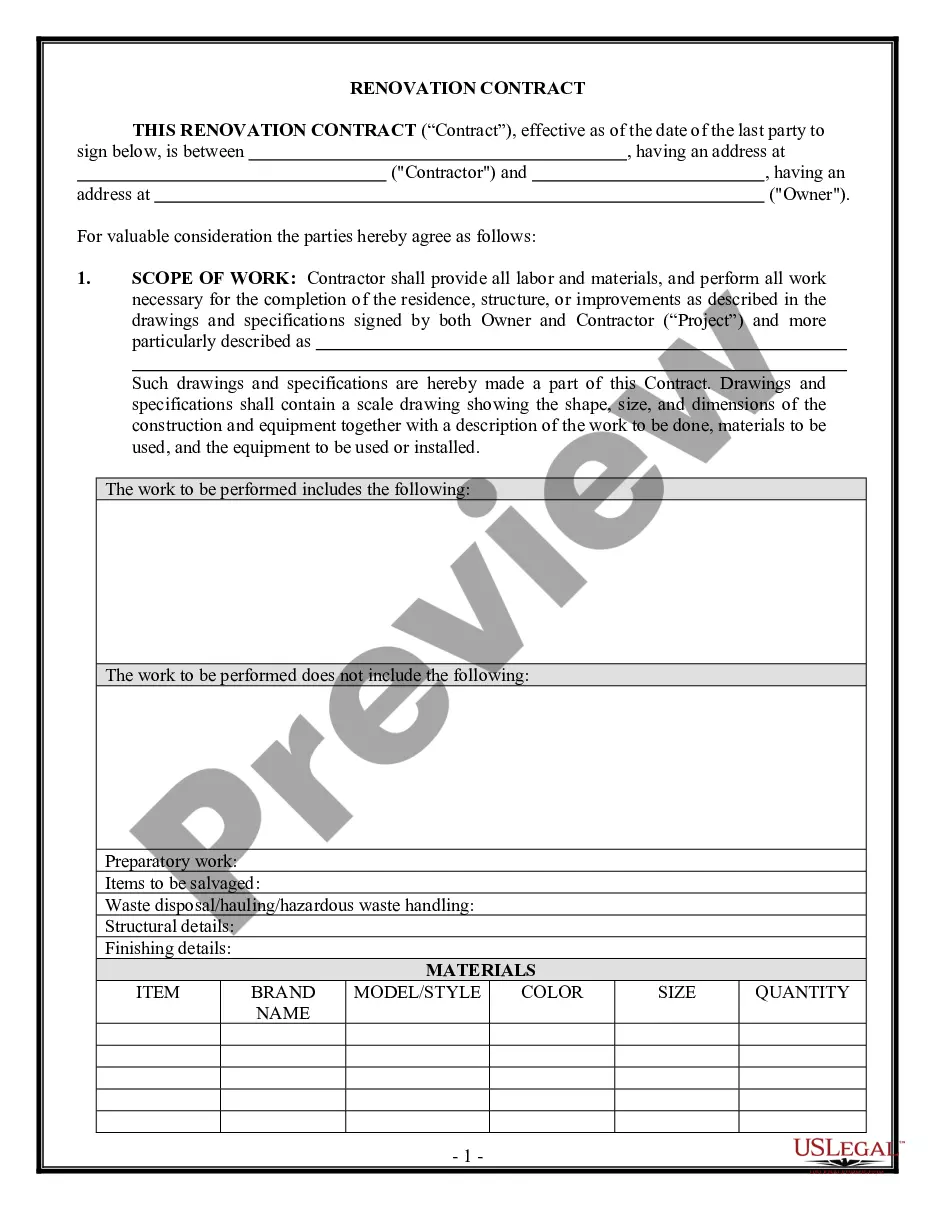
Get your form ready online
Our built-in tools help you complete, sign, share, and store your documents in one place.
Make edits, fill in missing information, and update formatting in US Legal Forms—just like you would in MS Word.
Download a copy, print it, send it by email, or mail it via USPS—whatever works best for your next step.
Sign and collect signatures with our SignNow integration. Send to multiple recipients, set reminders, and more. Go Premium to unlock E-Sign.
If this form requires notarization, complete it online through a secure video call—no need to meet a notary in person or wait for an appointment.
We protect your documents and personal data by following strict security and privacy standards.

Make edits, fill in missing information, and update formatting in US Legal Forms—just like you would in MS Word.

Download a copy, print it, send it by email, or mail it via USPS—whatever works best for your next step.

Sign and collect signatures with our SignNow integration. Send to multiple recipients, set reminders, and more. Go Premium to unlock E-Sign.

If this form requires notarization, complete it online through a secure video call—no need to meet a notary in person or wait for an appointment.

We protect your documents and personal data by following strict security and privacy standards.
Looking for another form?








Form popularity
FAQ
The statute of limitations for breach of contract and the declaratory judgment is generally four years from the date of the accident. The Personal Injury Trial Law protection claim statute of limitations is often defined by an insurance contract.
You can't sue after the statute of limitations runs out, but there are situations where the statute of limitations begins late. For example, in a case of medical malpractice, the injury may have occurred weeks, months, or possibly years before the harm and cause of harm are discovered.
Civil Lawsuits With Four-Year Statute of Limitation There is a four-year filing deadline on claims, including breach of contract, debt collection lawsuits, and violation of fiduciary obligation. Real estate transactions are also subject to the four-year time restriction.
A person must bring a lawsuit for debt, fraud, breach of fiduciary duty, or contract breach in Texas no later than four years after the day that the cause of action accrues.
A statute of limitations is a deadline for filing a lawsuit. In most personal injury cases in Texas, you have two years from the accident or the injury date to file a lawsuit. The statute of limitations applies to any civil claim for injury filed in Texas.
To bring a claim for declaratory judgment in a situation where a patent dispute may exist or develop, the claimant must establish that an actual controversy exists. If there is a substantial controversy of sufficient immediacy and reality, the court will generally proceed with the declaratory-judgment action.
The statute of limitations for breach of contract and the declaratory judgment is generally four years from the date of the accident. The Personal Injury Trial Law protection claim statute of limitations is often defined by an insurance contract.
An example of a declaratory judgment in an insurance situation may occur when a policyholder and an insurer disagree about whether a particular claim is covered under the insurance policy. For instance, suppose a homeowner files a claim with their insurance company for damages to their home caused by a storm.
To bring a claim for declaratory judgment in a situation where a patent dispute may exist or develop, the claimant must establish that an actual controversy exists. If there is a substantial controversy of sufficient immediacy and reality, the court will generally proceed with the declaratory-judgment action.
A Texas judgment is valid for ten years from the date it is signed by the judge. After the expiration of ten years the judgment is dormant for two years. During that two year period of dormancy the judgment cannot be enforced.
