Ineffective Counsel Motion Form For Court In Queens
Description






Get your form ready online
Our built-in tools help you complete, sign, share, and store your documents in one place.
Make edits, fill in missing information, and update formatting in US Legal Forms—just like you would in MS Word.
Download a copy, print it, send it by email, or mail it via USPS—whatever works best for your next step.
Sign and collect signatures with our SignNow integration. Send to multiple recipients, set reminders, and more. Go Premium to unlock E-Sign.
If this form requires notarization, complete it online through a secure video call—no need to meet a notary in person or wait for an appointment.
We protect your documents and personal data by following strict security and privacy standards.

Make edits, fill in missing information, and update formatting in US Legal Forms—just like you would in MS Word.

Download a copy, print it, send it by email, or mail it via USPS—whatever works best for your next step.

Sign and collect signatures with our SignNow integration. Send to multiple recipients, set reminders, and more. Go Premium to unlock E-Sign.

If this form requires notarization, complete it online through a secure video call—no need to meet a notary in person or wait for an appointment.

We protect your documents and personal data by following strict security and privacy standards.
Looking for another form?



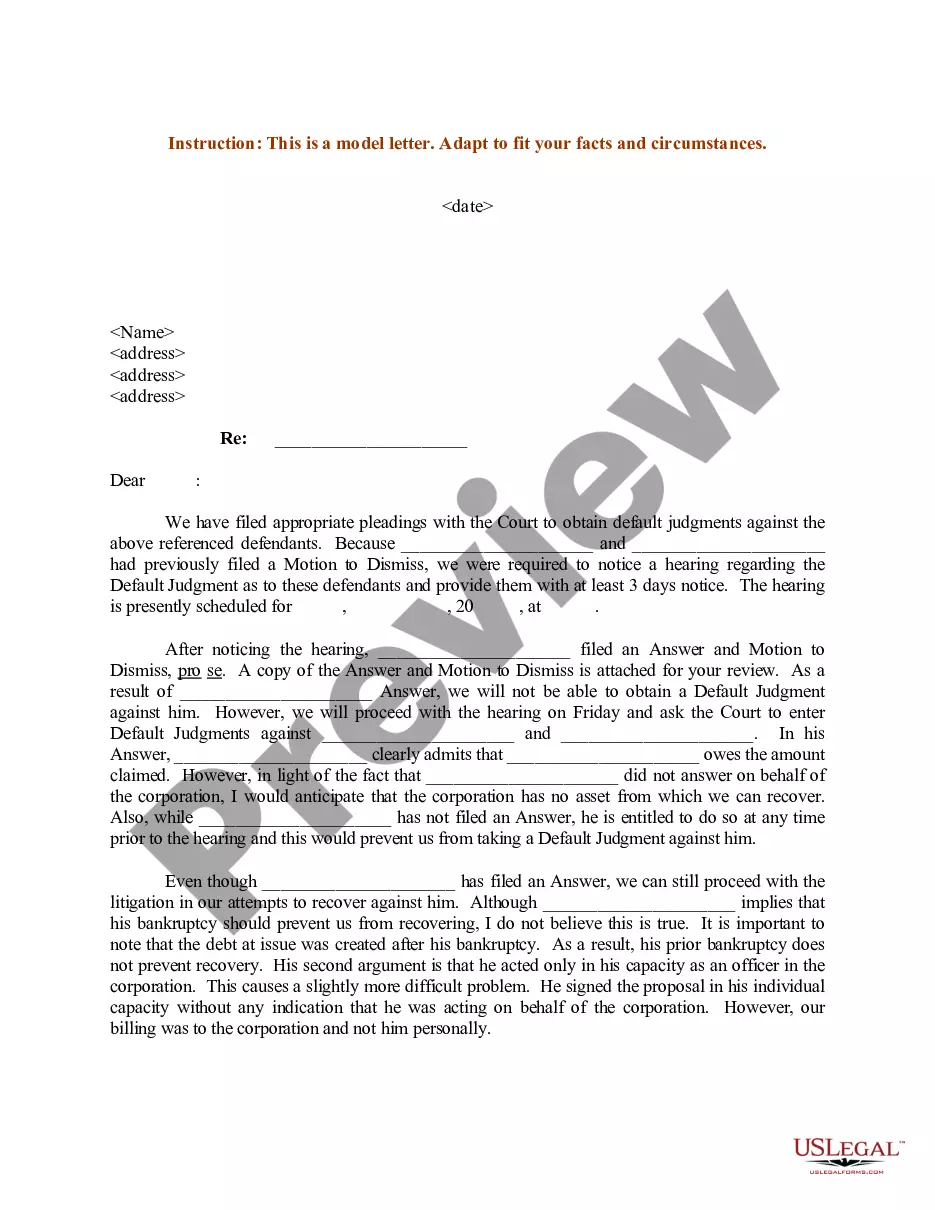




Form popularity
FAQ
File a motion for a new trial: Your attorney will file a motion for a new trial, which will argue that your trial lawyer provided ineffective assistance of counsel. The motion will include evidence to support this claim. Attend a hearing: The court will hold a hearing to consider your motion for a new trial.
If you want to file a motion, the process is generally something like this: You write your motion. You file your motion with the court clerk. The court clerk inserts the date and time your motion will be heard by the judge. You “serve” (mail) your motion to the other side.
In order to make a motion in the Court of Claims, you must prepare a set of "motion papers," serve a copy of the motion papers on the opposing party or the opposing party's attorney, and submit the original and two copies of the motion papers to the Clerk of the Court, with an Affidavit of Service (a sworn statement ...
Datavs, 71 M.J. 420 (to establish ineffective assistance of counsel, an accused must demonstrate both (1) that his counsel's performance was deficient, and (2) that this deficiency resulted in prejudice).
To prove ineffective assistance of counsel, a defendant must show: That their trial lawyer's conduct fell below an "objective standard of reasonableness" and, "a reasonable probability that, but for counsel's unprofessional errors,” the outcome of the criminal proceeding would have been different.
If you want to file a motion, the process is generally something like this: You write your motion. You file your motion with the court clerk. The court clerk inserts the date and time your motion will be heard by the judge. You “serve” (mail) your motion to the other side.
