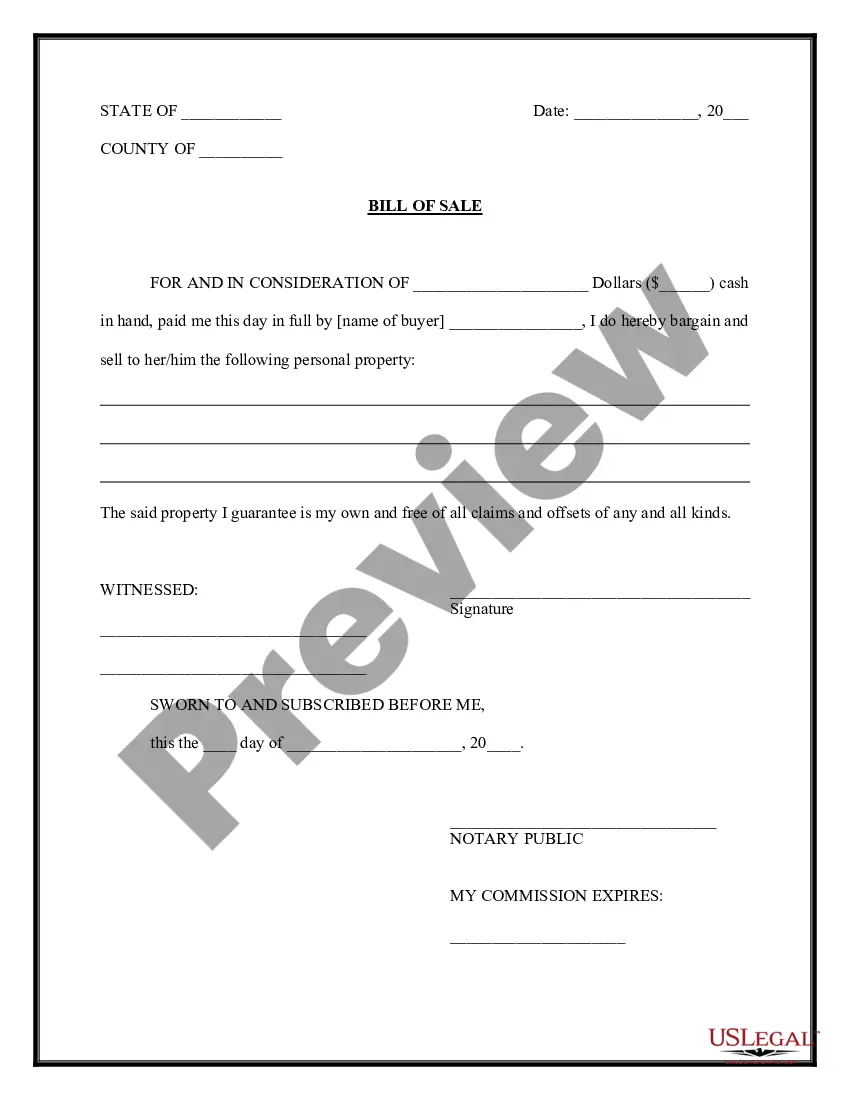
Petition Writ Habeas Corpus Without Consent In Orange
Description






Get your form ready online
Our built-in tools help you complete, sign, share, and store your documents in one place.
Make edits, fill in missing information, and update formatting in US Legal Forms—just like you would in MS Word.
Download a copy, print it, send it by email, or mail it via USPS—whatever works best for your next step.
Sign and collect signatures with our SignNow integration. Send to multiple recipients, set reminders, and more. Go Premium to unlock E-Sign.
If this form requires notarization, complete it online through a secure video call—no need to meet a notary in person or wait for an appointment.
We protect your documents and personal data by following strict security and privacy standards.

Make edits, fill in missing information, and update formatting in US Legal Forms—just like you would in MS Word.

Download a copy, print it, send it by email, or mail it via USPS—whatever works best for your next step.

Sign and collect signatures with our SignNow integration. Send to multiple recipients, set reminders, and more. Go Premium to unlock E-Sign.

If this form requires notarization, complete it online through a secure video call—no need to meet a notary in person or wait for an appointment.

We protect your documents and personal data by following strict security and privacy standards.
Looking for another form?


Form popularity
FAQ
Today, habeas corpus is mainly used as a post-conviction remedy for state or federal prisoners who challenge the legality of the application of federal laws that were used in the judicial proceedings that resulted in their detention.
The "Great Writ" of habeas corpus is a fundamental right in the Constitution that protects against unlawful and indefinite imprisonment. Translated from Latin it means "show me the body." Habeas corpus has historically been an important instrument to safeguard individual freedom against arbitrary executive power.
Typical examples where a court has granted a habeas corpus petition include claims of new evidence discovered in the case, ineffective assistance of counsel, prosecutorial misconduct, incompetence to stand trial, and challenging conditions of confinement.
The court must rule on a petition for writ of habeas corpus within 60 days after the petition is filed. (B) If the court fails to rule on the petition within 60 days of its filing, the petitioner may file a notice and request for ruling.
Document suspending the Writ of Habeas Corpus, signed by Abraham Lincoln. The Library is unaware of any copyright claims to this item; use at your own risk. Note: If you use this image, rights assessment and attribution are your responsibility.
Rumsfeld (2004) the U.S. Supreme Court re-confirmed the right of every American citizen to access habeas corpus even when declared to be an enemy combatant. The Court affirmed the basic principle that habeas corpus could not be revoked in the case of a citizen.
That either of the justices of the Supreme Court, or a judge of any district court of the United States, in addition to the authority already conferred by law, shall have power to grant writs of habeas corpus in all cases of a prisoner or prisoners, in jail or confinement, where he or they shall be committed or ...
Any federal court may grant a writ of habeas corpus to a petitioner who is within its jurisdiction. The habeas petition must be in writing and signed and verified either by the petitioner seeking relief or by someone acting on his or her behalf.
The writ of habeas corpus is the great remedy of the citizen or subject against arbitrary or illegal imprisonment; it is the mode by which the judicial power speedily and effectually protects the personal liberty of every individual, and repels the injustice of unconstitutional laws and despotic governments.
—The writ of habeas data is a remedy available to any person whose right to privacy in life, liberty or security is violated or threatened by an unlawful act or omission of a public official or employee, or of a private individual or entity engaged in the gathering, collecting or storing of data or information ...