Petition Writ Form With Two Points In Nevada
Description






Get your form ready online
Our built-in tools help you complete, sign, share, and store your documents in one place.
Make edits, fill in missing information, and update formatting in US Legal Forms—just like you would in MS Word.
Download a copy, print it, send it by email, or mail it via USPS—whatever works best for your next step.
Sign and collect signatures with our SignNow integration. Send to multiple recipients, set reminders, and more. Go Premium to unlock E-Sign.
If this form requires notarization, complete it online through a secure video call—no need to meet a notary in person or wait for an appointment.
We protect your documents and personal data by following strict security and privacy standards.

Make edits, fill in missing information, and update formatting in US Legal Forms—just like you would in MS Word.

Download a copy, print it, send it by email, or mail it via USPS—whatever works best for your next step.

Sign and collect signatures with our SignNow integration. Send to multiple recipients, set reminders, and more. Go Premium to unlock E-Sign.

If this form requires notarization, complete it online through a secure video call—no need to meet a notary in person or wait for an appointment.

We protect your documents and personal data by following strict security and privacy standards.
Looking for another form?

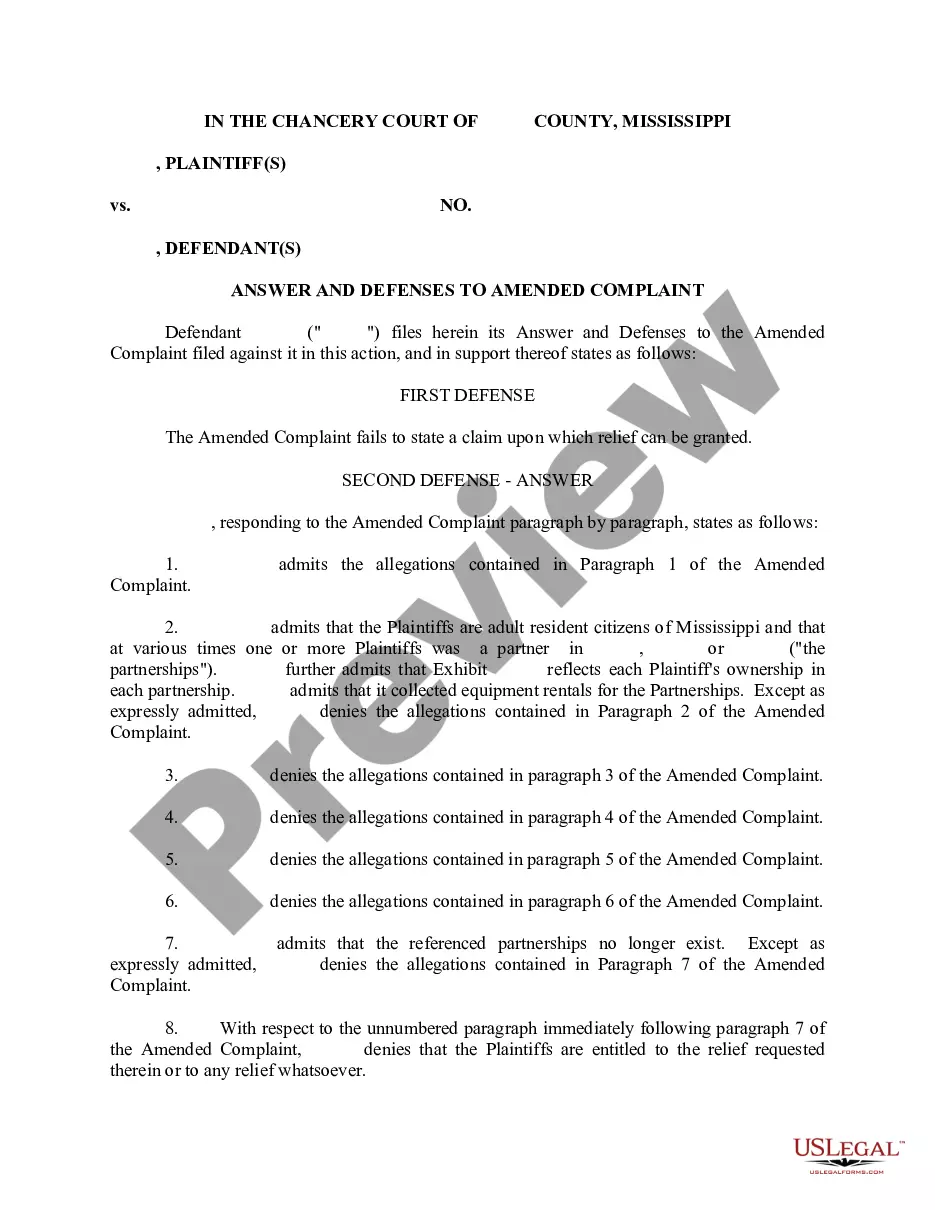


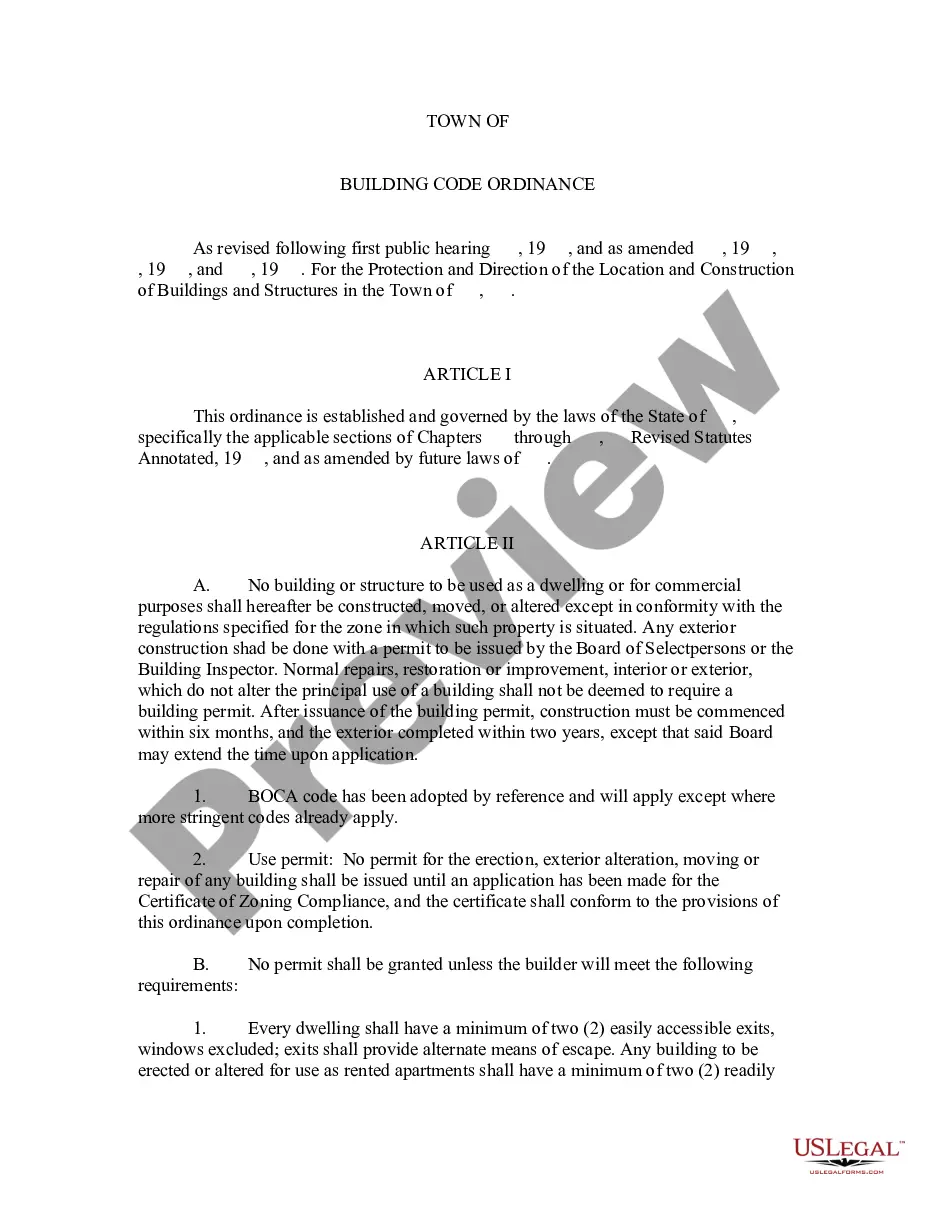



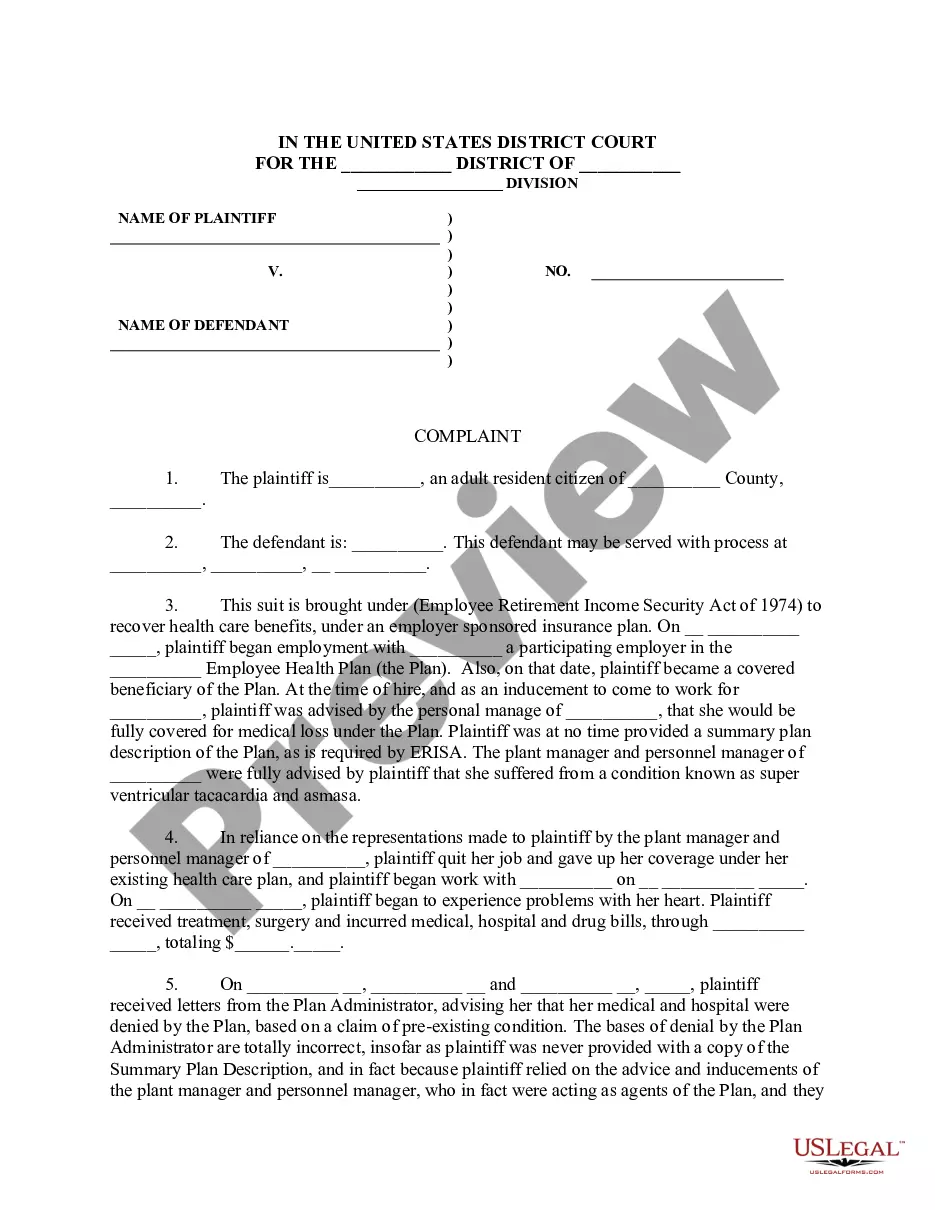

Form popularity
FAQ
The centuries-old remedy is increasingly used to force hotly contested political issues before state courts. Mandamus is an old common law remedy that allows a court to order government officials to perform their public duties.
People who lose a case or part of a case in the trial court can ask a higher court (called an "appellate court") to review the trial court's decision. Appeals of family law cases, probate cases, juvenile cases, felony cases, and civil cases for more than $35,000 are heard in the Court of Appeal.
Rule 7.20 - Form of papers presented for filing; exhibits; documents; legal citations (a) All pleadings and papers presented for filing must be flat, unfolded, firmly bound together at the top, on white paper of standard quality, not less than 16-lb. weight and 8.5 x 11 inches in size.
By recognizing common reasons for appeal, such as legal errors, procedural mistakes, abuse of discretion, insufficient evidence, and newly discovered evidence, California residents can better comprehend their options following an unfavorable court decision.
State every ground (reason) that supports your claim that you are being held in violation of the Constitution, laws, or treaties of the United States. Attach additional pages if you have more than four grounds. State the facts supporting each ground. Any legal arguments must be submitted in a separate memorandum.
This unique court hears roughly one-third of all cases submitted to the Nevada Supreme Court in a deflective model, where the Supreme Court assigns cases to a three-judge Court of Appeals. This is similar to systems used in other states, including Iowa, Idaho, and Mississippi.
Rule 27 - Depositions to Perpetuate Testimony (a)Before an Action Is Filed (1)Petition. A person who wants to perpetuate testimony- including his or her own-about any matter cognizable in any court within the United States may file a verified petition in district court.
A Writ of Habeas Corpus is usually filed by submitting a Petition, a Memorandum of Points and Authorities, a Declaration from the defendant, and other evidence which supports the Writ of Habeas Corpus. The Memorandum of Points of Authorities is a legal memorandum, which contains the legal arguments of the defendant.
(A) In General. A party must disclose to the other parties the identity of any witness it may use at trial to present expert testimony. (B) Witnesses Who Must Provide a Written Report. Unless otherwise stipulated or. ordered by the court, this disclosure must be accompanied by a written report if the.
What Is a Writ? The term writ refers to a formal, legal document that orders a person or entity to perform or to cease performing a specific action or deed. Writs are drafted by judges, courts, or other entities that have administrative or judicial jurisdiction.
