Oklahoma Writ Of Assistance With Eviction In Contra Costa
Description
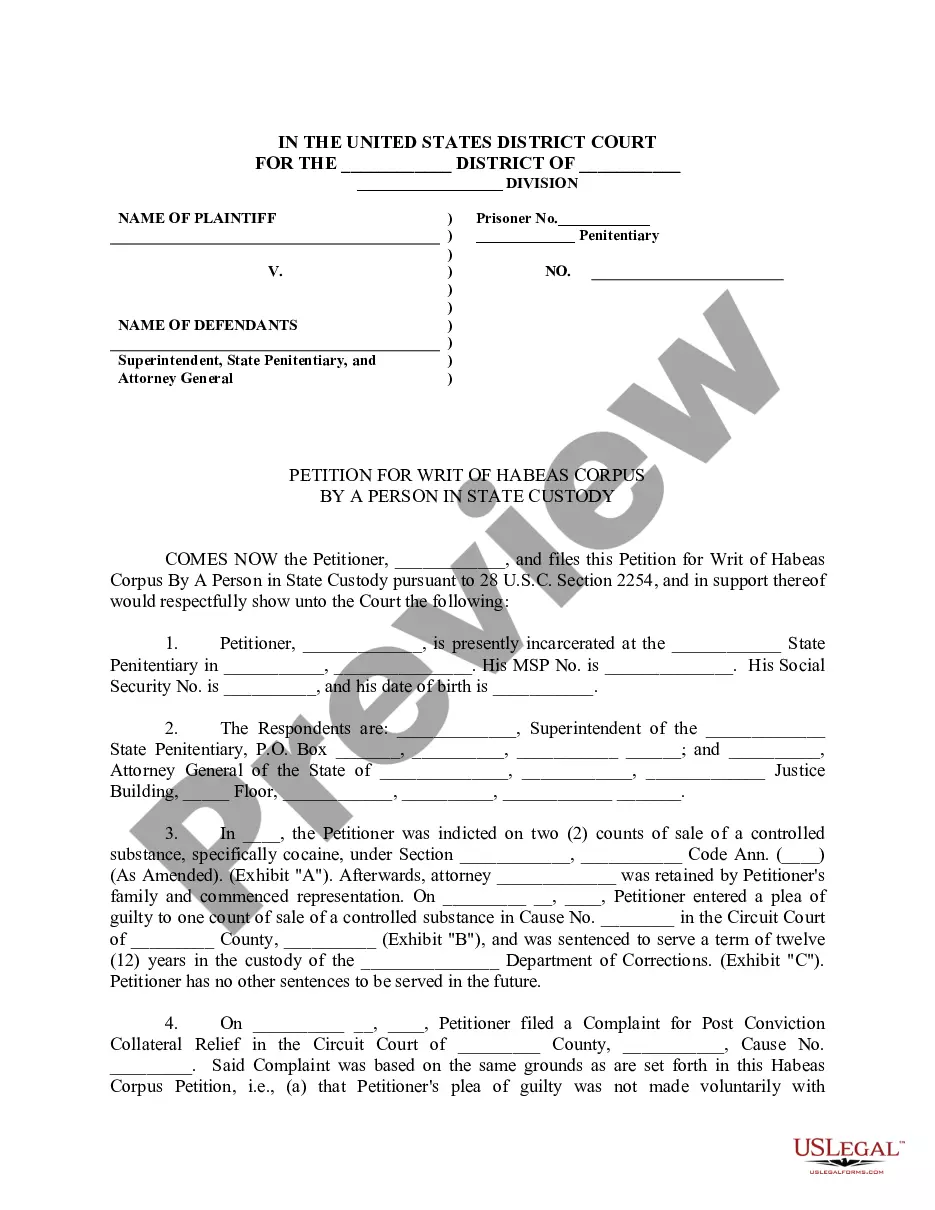
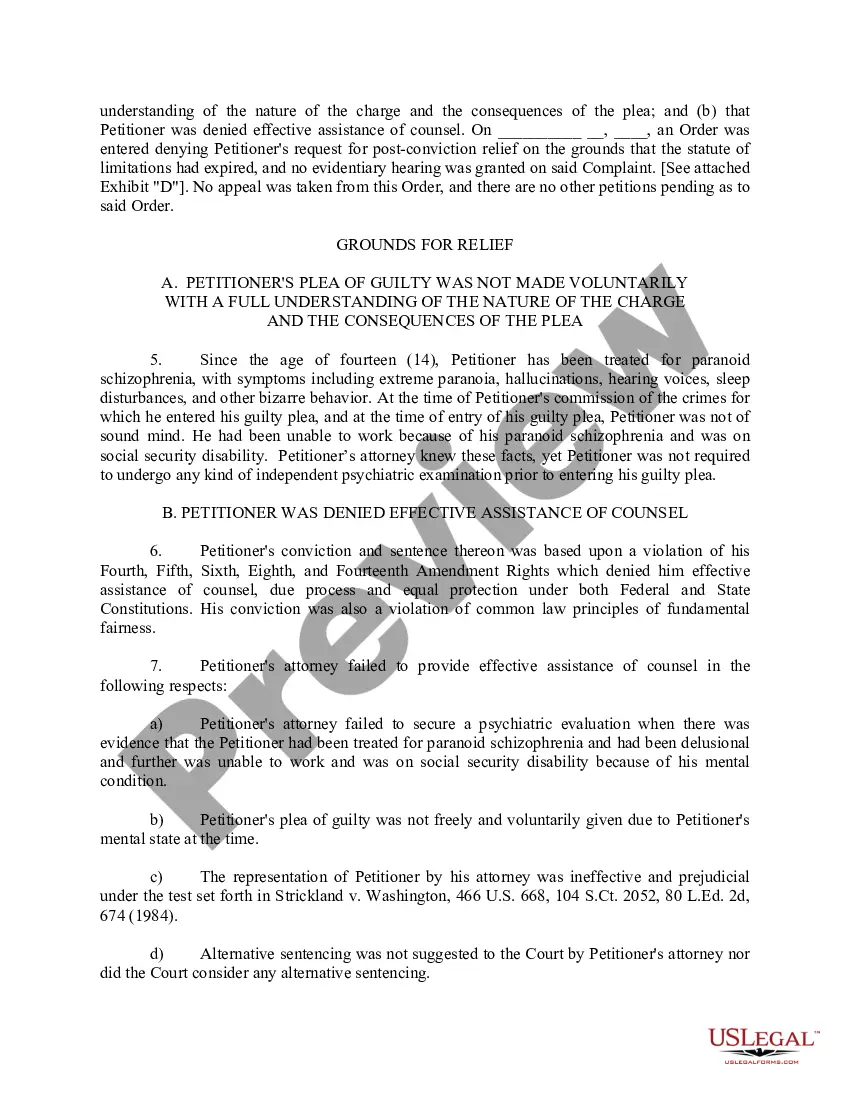
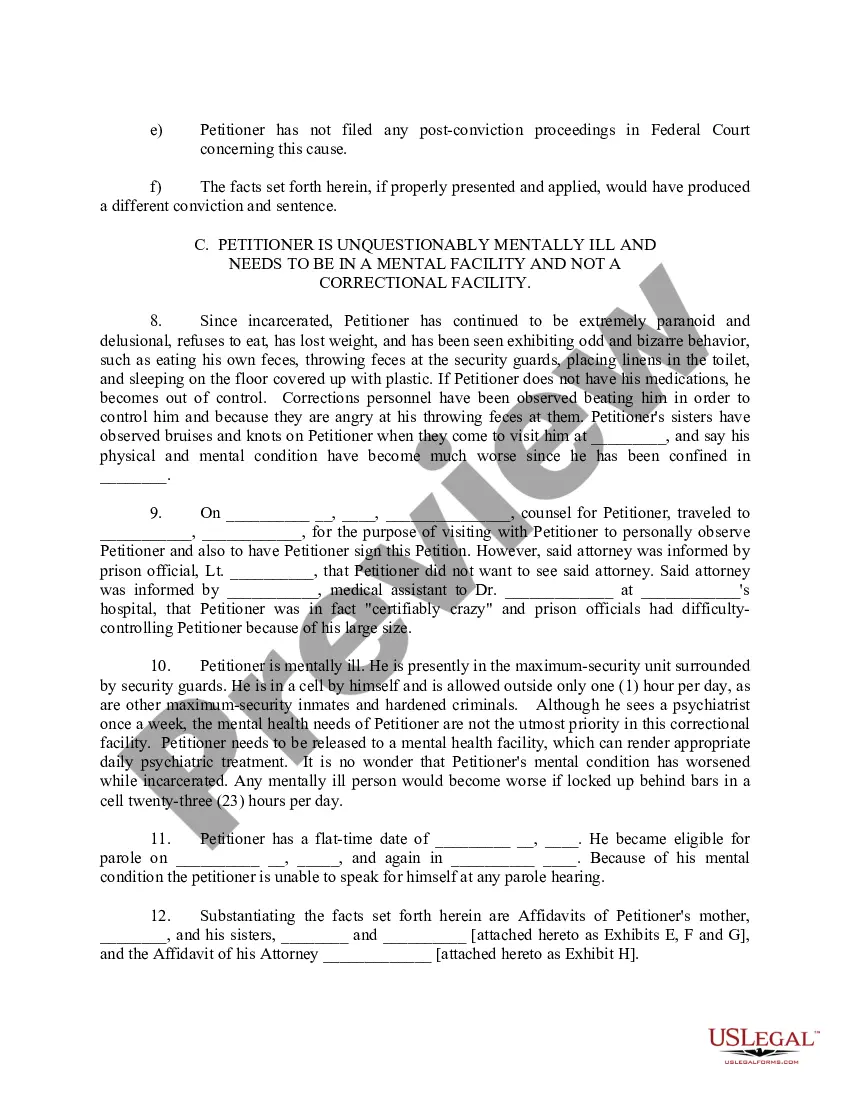
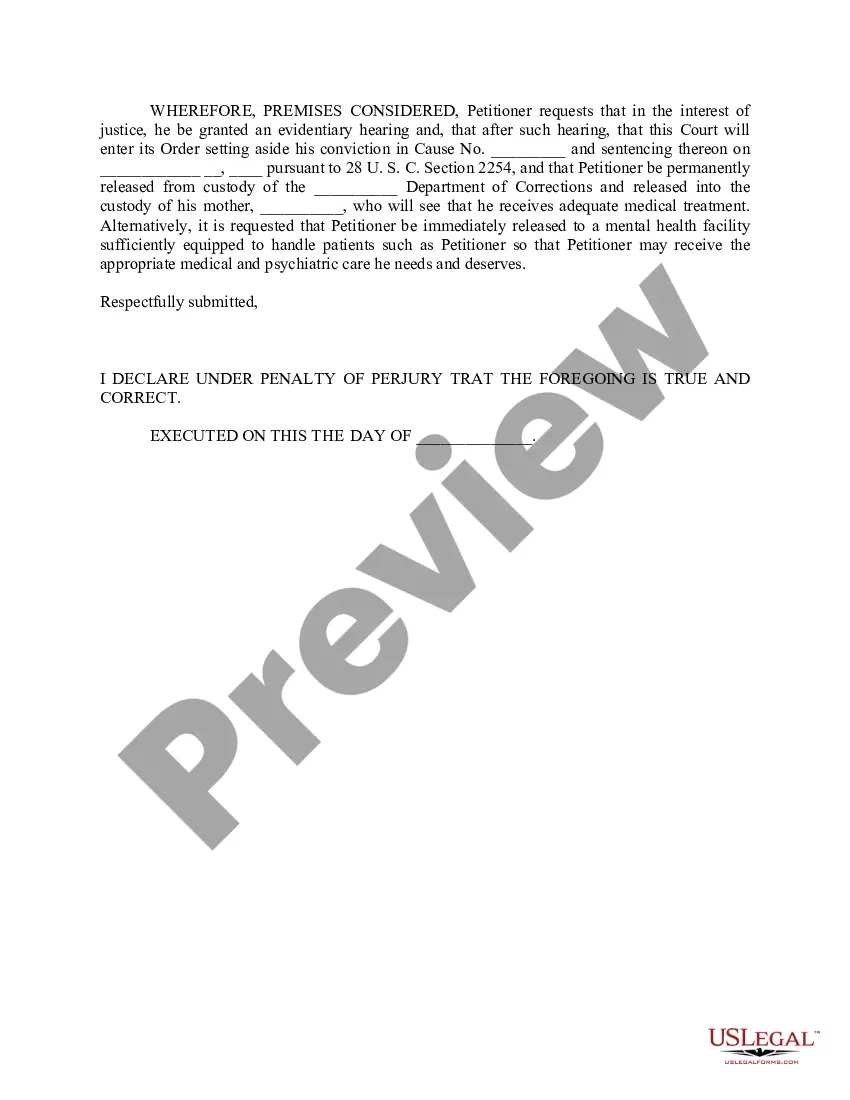
Get your form ready online
Our built-in tools help you complete, sign, share, and store your documents in one place.
Make edits, fill in missing information, and update formatting in US Legal Forms—just like you would in MS Word.
Download a copy, print it, send it by email, or mail it via USPS—whatever works best for your next step.
Sign and collect signatures with our SignNow integration. Send to multiple recipients, set reminders, and more. Go Premium to unlock E-Sign.
If this form requires notarization, complete it online through a secure video call—no need to meet a notary in person or wait for an appointment.
We protect your documents and personal data by following strict security and privacy standards.

Make edits, fill in missing information, and update formatting in US Legal Forms—just like you would in MS Word.

Download a copy, print it, send it by email, or mail it via USPS—whatever works best for your next step.

Sign and collect signatures with our SignNow integration. Send to multiple recipients, set reminders, and more. Go Premium to unlock E-Sign.

If this form requires notarization, complete it online through a secure video call—no need to meet a notary in person or wait for an appointment.

We protect your documents and personal data by following strict security and privacy standards.
Looking for another form?


Form popularity
FAQ
In Oklahoma, the landlord can evict the tenant for a lease violation. The landlord must provide a written notice called a 15-Day Notice to Comply which gives the tenant 10 days to fix the issue. Should the tenant be unable to correct the issue in 10 days, then they have the remaining 5 days to vacate the property.
The eviction process for landlords Give notice. You have to give your tenant a written Notice before you start an eviction court case. Start a court case. Ask for trial date or default judgment. Go to trial. After the judge decides.
How to Evict Step 1: Send an Eviction Notice. Immediate Danger and Harm. Nonpayment of Rent. Noncompliance. Month-to-Month. Step 2: Wait to Hear from the Tenant. Step 3: File in Court. Step 4: Serve the Tenant. Tenant Answer. Step 5: Attend a Court Hearing. Step 6: Obtain a Writ of Execution. Step 7: Repossess the Property.
Financial assistance for unpaid rent and utilities may be available to residential tenants at the State of California's website at: or by calling 1-833-422-4255. For affordable housing information, visit - Housing.
A tenant may be evicted without cause, such as giving notice to end a month-to-month lease, or with cause, such as not paying the rent. An eviction may take anywhere from a few weeks to a few months, depending on factors such as local and state landlord-tenant laws and backlog on a housing court's docket.
Once a judgment for possession is entered against you, your landlord will need to complete a "Writ of Restitution" to evict you. Your landlord must wait 2 business days after the judgment is entered to complete the Writ. The Writ will become "live" or active 3 days after it is filed.
The eviction will occur as soon as possible after the expiration of the 5-day notice. The 5-day “NOTICE TO VACATE” will be served by personal service on an occupant or by posting a copy at the address and mailing a copy to the debtor/tenant(s).
If you have lived in the rental unit for less than one year, then you will receive a 30-day notice to quit, which gives you 30 days to move out of the rental unit.
If your tenant won't fix the problem or move out, you'll have to go through the court to get an order for them to move out. The eviction process can take 30 - 45 days, or longer. The time starts from when you have eviction court forms delivered to your tenant to the time they must move out.