Erisa Complaint Sample Without Consent In Philadelphia
Description
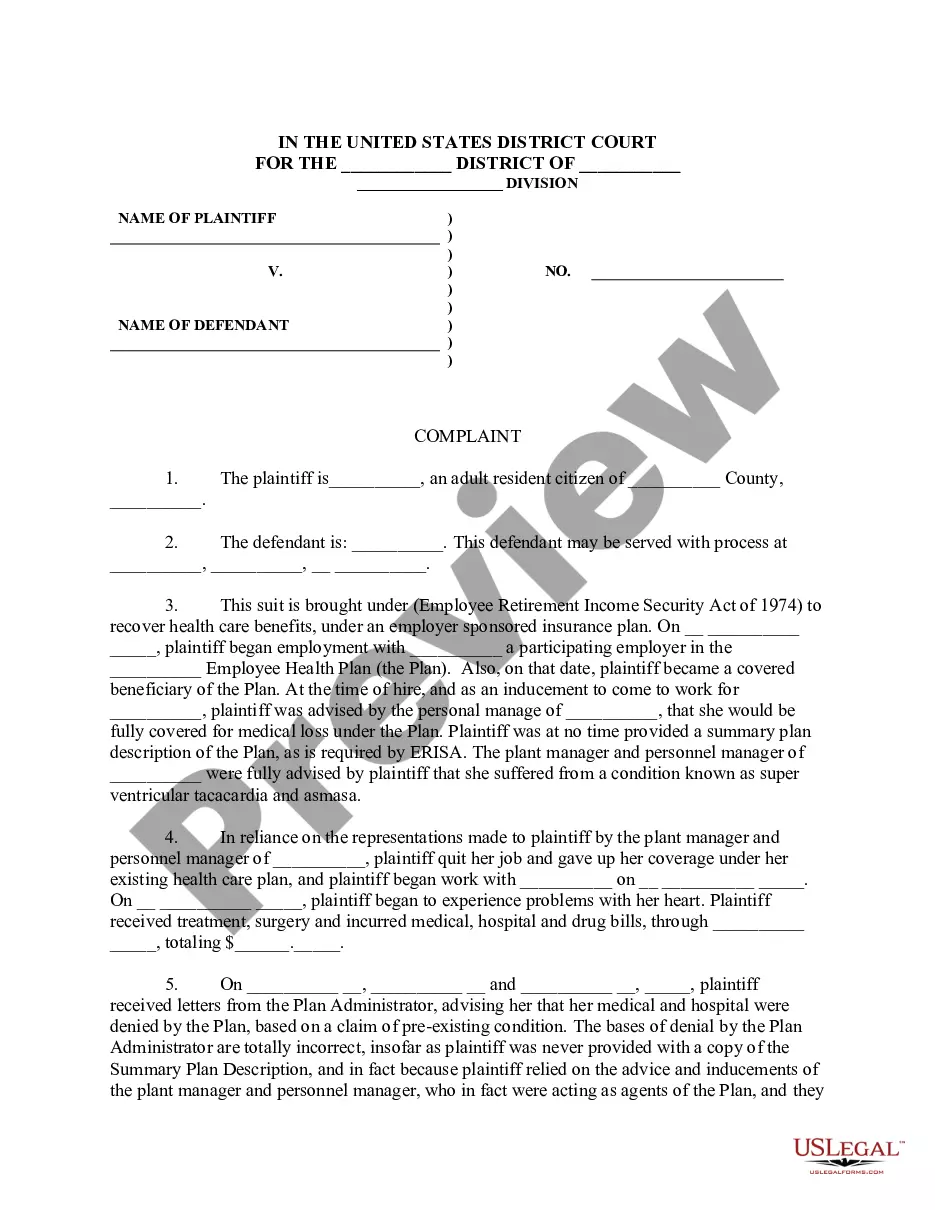
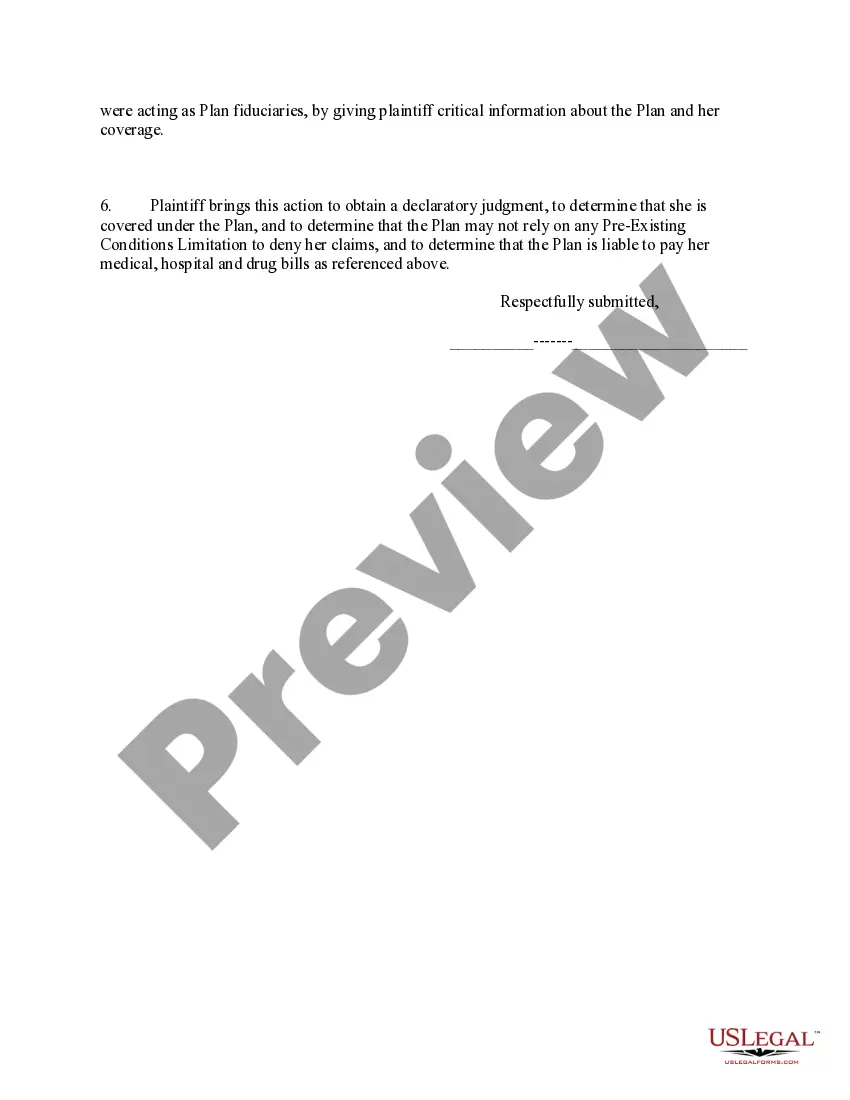
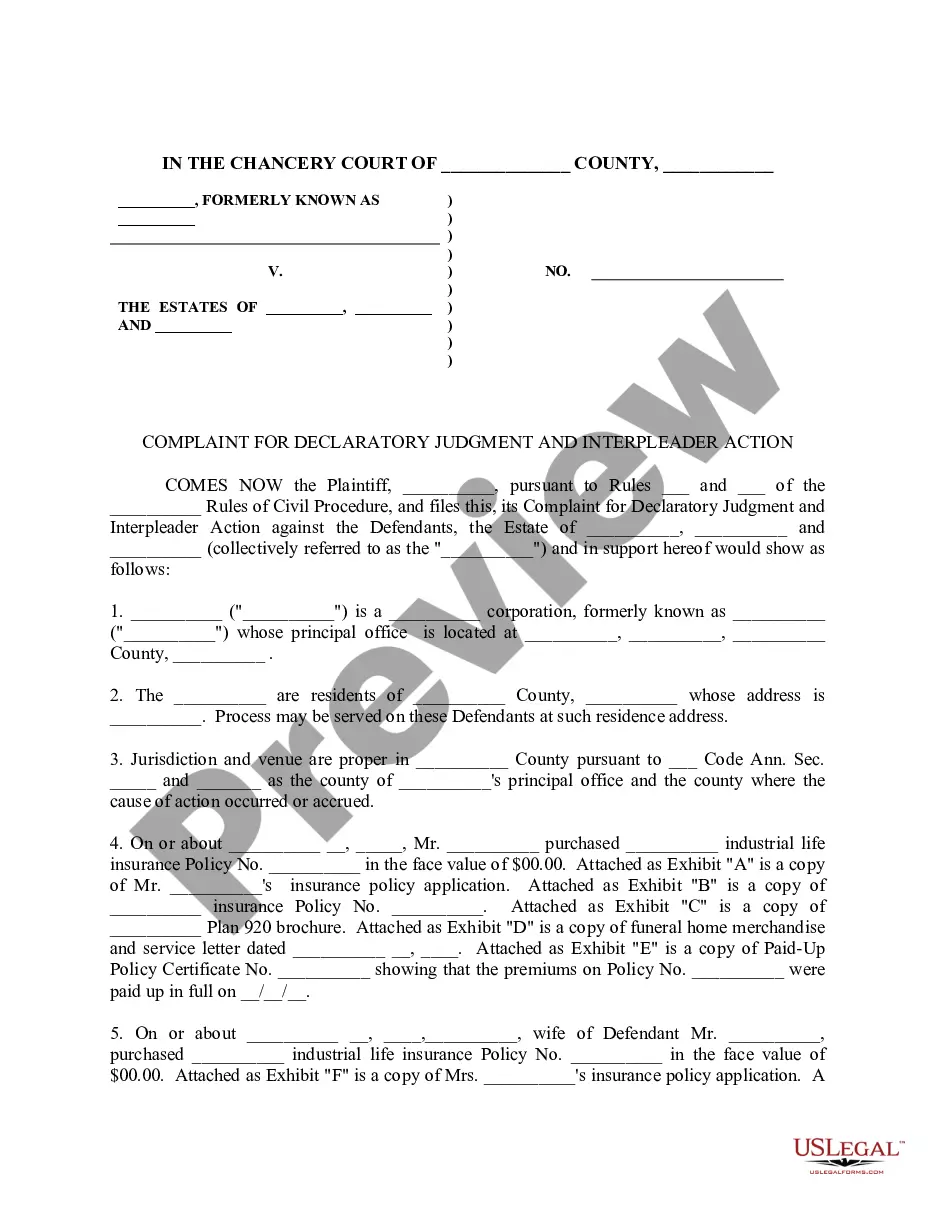
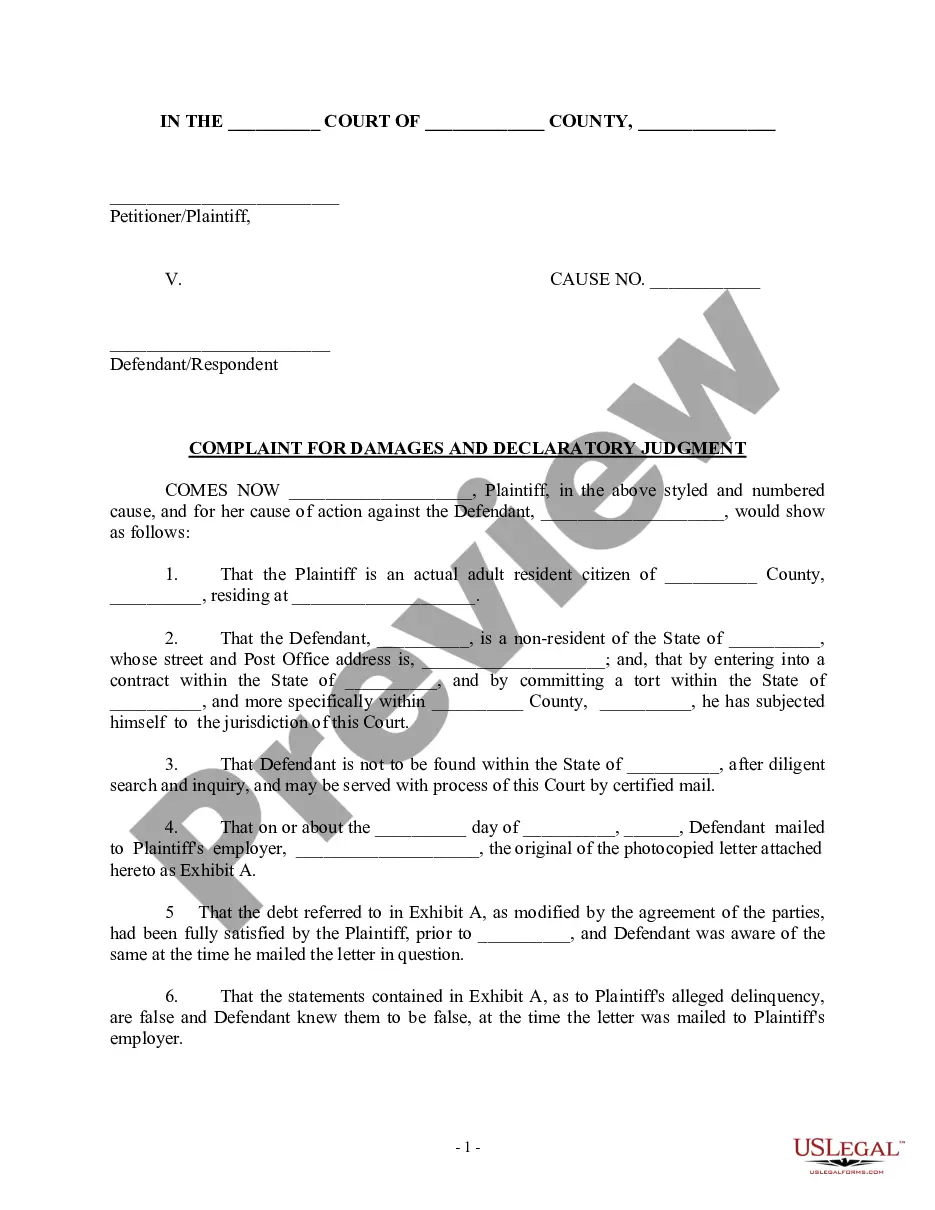
Get your form ready online
Our built-in tools help you complete, sign, share, and store your documents in one place.
Make edits, fill in missing information, and update formatting in US Legal Forms—just like you would in MS Word.
Download a copy, print it, send it by email, or mail it via USPS—whatever works best for your next step.
Sign and collect signatures with our SignNow integration. Send to multiple recipients, set reminders, and more. Go Premium to unlock E-Sign.
If this form requires notarization, complete it online through a secure video call—no need to meet a notary in person or wait for an appointment.
We protect your documents and personal data by following strict security and privacy standards.

Make edits, fill in missing information, and update formatting in US Legal Forms—just like you would in MS Word.

Download a copy, print it, send it by email, or mail it via USPS—whatever works best for your next step.

Sign and collect signatures with our SignNow integration. Send to multiple recipients, set reminders, and more. Go Premium to unlock E-Sign.

If this form requires notarization, complete it online through a secure video call—no need to meet a notary in person or wait for an appointment.

We protect your documents and personal data by following strict security and privacy standards.
Looking for another form?






Form popularity
FAQ
Active enforcement activities include investigations, lawsuits, and the dissemination of information. Documents published by EBSA include the Reporting and Disclosure Guide for Employee Benefit Plans.
The Employee Benefits Security Administration (EBSA) is responsible for administering and enforcing the fiduciary, reporting and disclosure provisions of Title I of the Employee Retirement Income Security Act of 1974 (ERISA). Until February 2003, EBSA was known as the Pension and Welfare Benefits Administration (PWBA).
The Employee Benefits Security Administration is an agency within the Department of Labor that administers and enforces the provisions of Title I of the Employee Retirement Income Security Act (ERISA). ERISA established fiduciary and other standards for employee benefit plans sponsored by private-sector employers.
Filing an ERISA Claim: Step-by-Step Guide Step 1: Review Your Plan. The first step in filing an ERISA claim is to review your disability insurance policy thoroughly. Step 2: Gather Evidence. Step 3: File Your Claim. Step 4: Wait for a Decision. Step 5: Appeal if Necessary.
Filing an ERISA Claim: Step-by-Step Guide Step 1: Start with Solid Documentation. Step 2: Filing Your Claim and Submission Deadlines. Step 3: Appeals Process If Your Claim Is Denied. Step 4: Filing an ERISA Complaint in Federal Court.
Common ERISA violations include denying benefits improperly, breaching fiduciary duties, and interfering with employee rights under the plan.
EBSA also conducts investigations of criminal violations regarding employee benefit plans such as embezzlement, kickbacks, and false statements under Title 18 of the U.S. Criminal Code. Prosecution of these criminal violations is handled by U.S. Attorneys' offices, see Criminal Enforcement News Releases.
The Employee Retirement Income Security Act of 1974 (ERISA) covers most voluntarily established private sector employee benefit plans. Private-sector employers are responsible for making sure their retirement plans comply with ERISA regulations.
An ERISA claim refers to a legal action taken under the Employee Retirement Income Security Act (ERISA) of 1974. This law protects employees' rights to their benefits, such as retirement and health plans, ensuring fair treatment by employers.
For example, if your employer maintains a retirement plan, ERISA specifies when you must be allowed to become a participant, how long you have to work before you have a non-forfeitable interest in your benefit, how long you can be away from your job before it might affect your benefit, and whether your spouse has a ...
