Employment Discrimination Rights For Criminal Record In Suffolk
Description
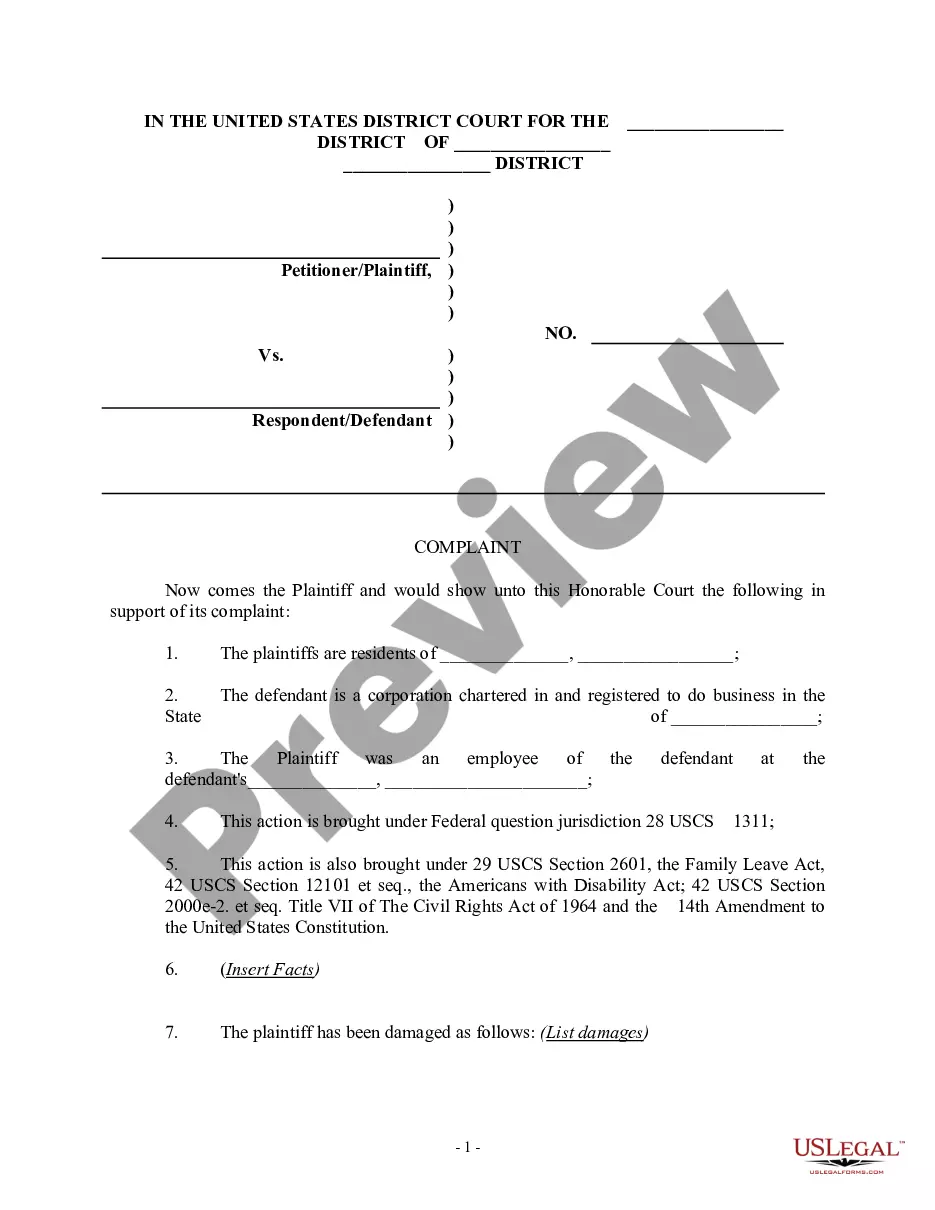
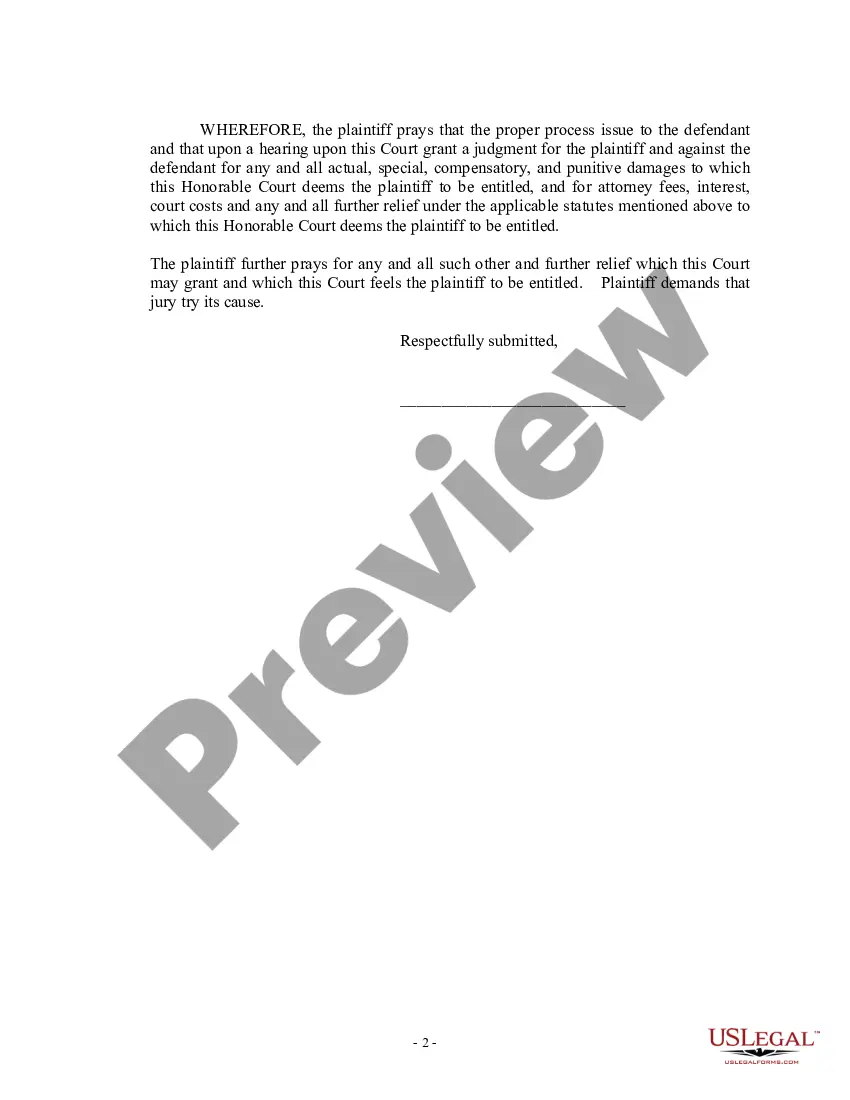
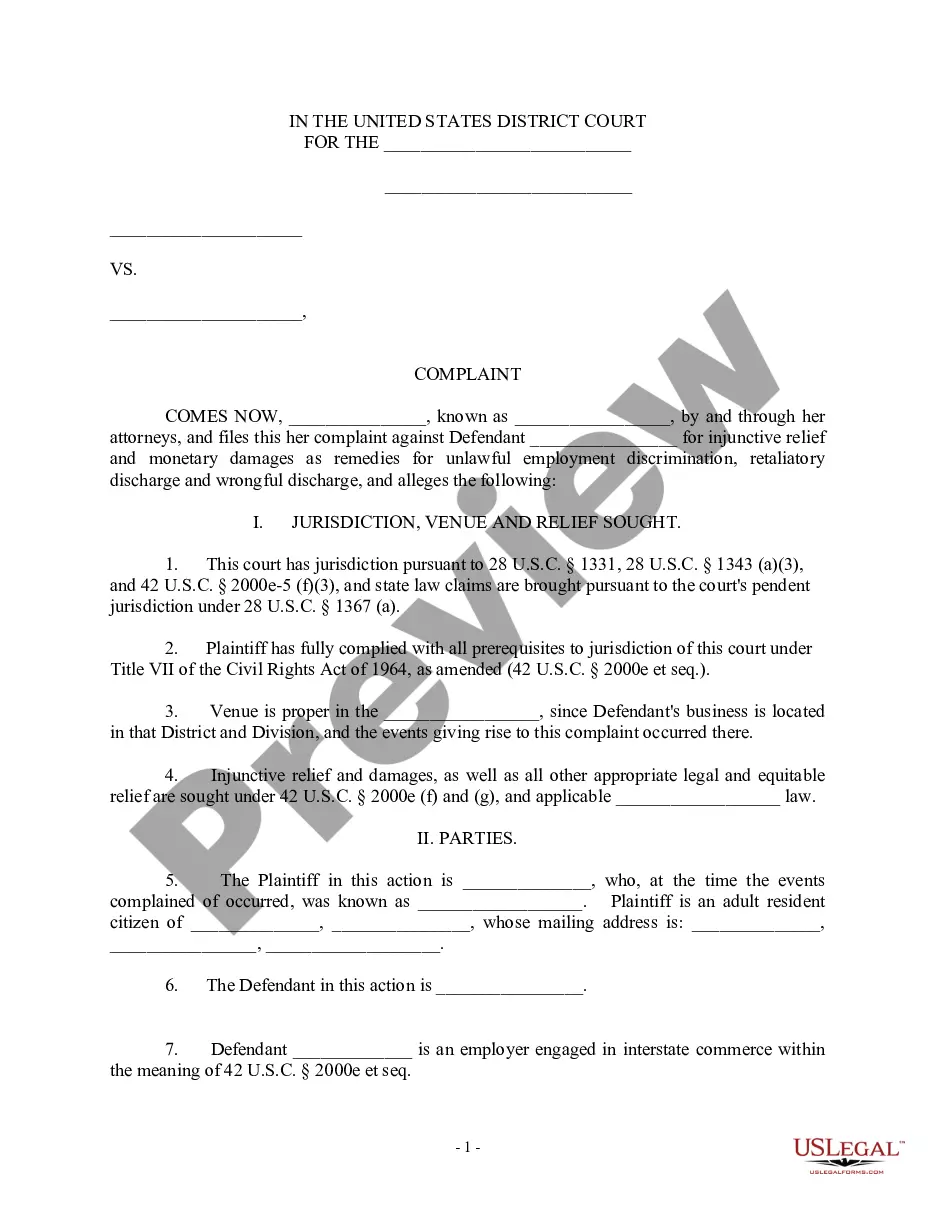
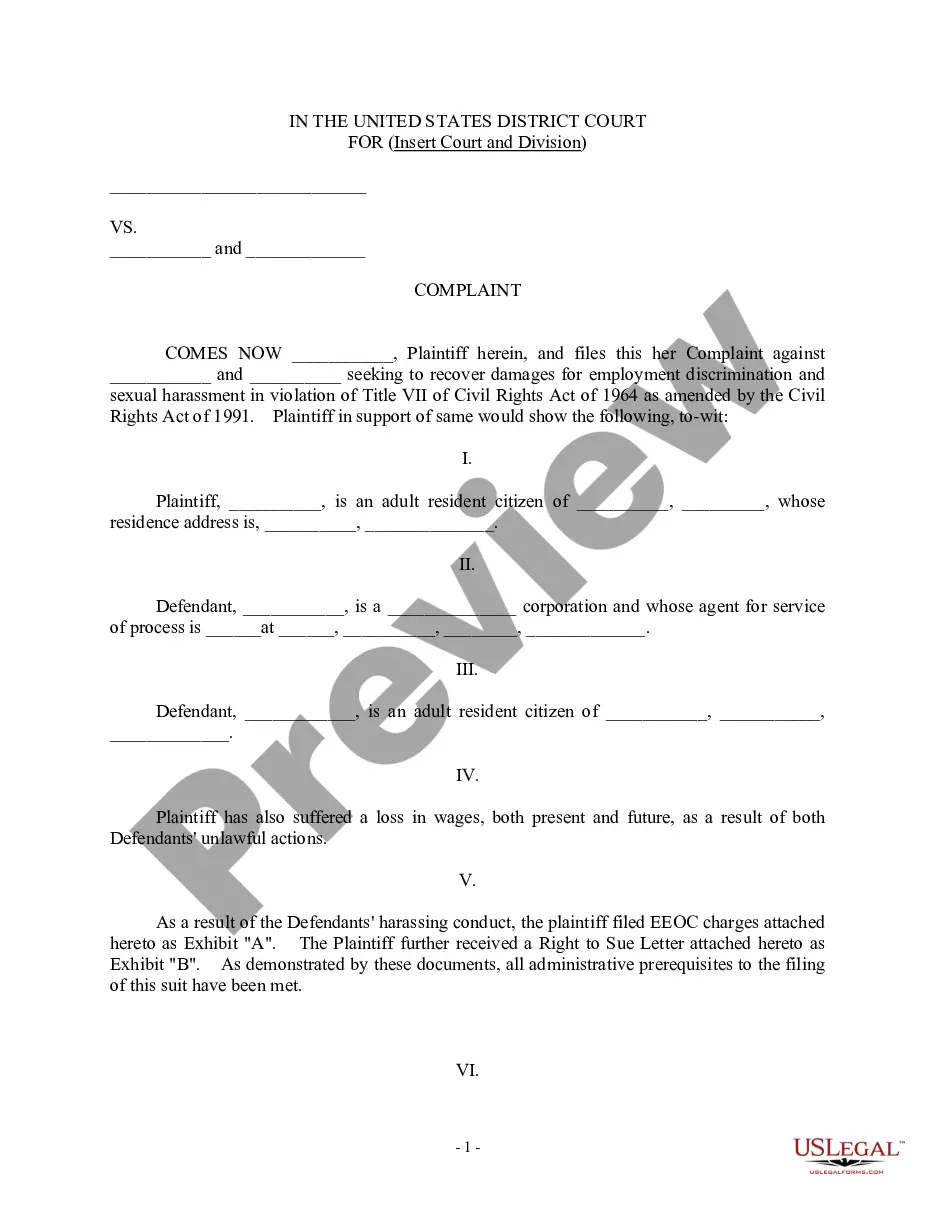
Get your form ready online
Our built-in tools help you complete, sign, share, and store your documents in one place.
Make edits, fill in missing information, and update formatting in US Legal Forms—just like you would in MS Word.
Download a copy, print it, send it by email, or mail it via USPS—whatever works best for your next step.
Sign and collect signatures with our SignNow integration. Send to multiple recipients, set reminders, and more. Go Premium to unlock E-Sign.
If this form requires notarization, complete it online through a secure video call—no need to meet a notary in person or wait for an appointment.
We protect your documents and personal data by following strict security and privacy standards.
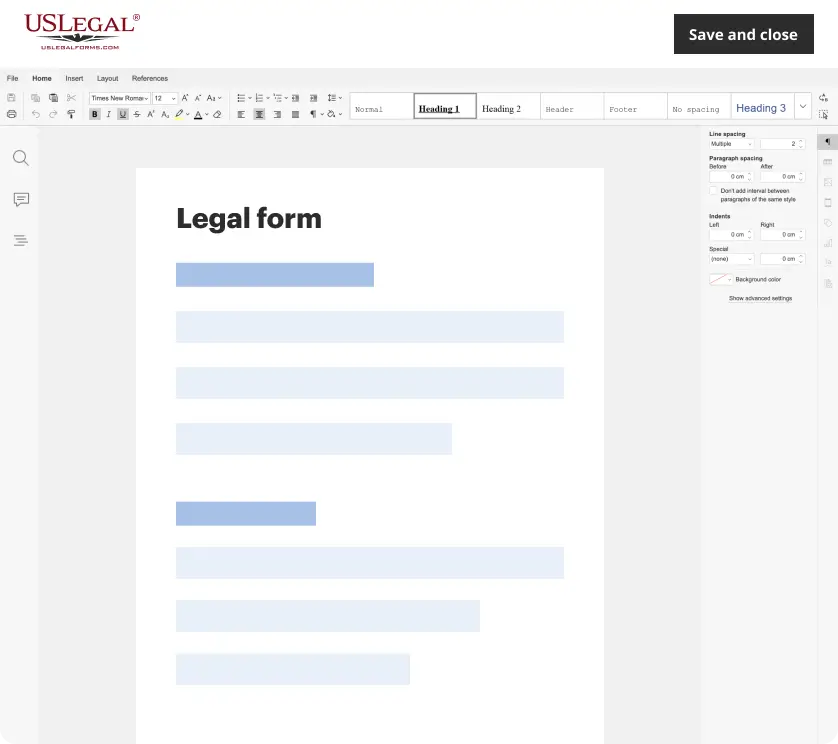
Make edits, fill in missing information, and update formatting in US Legal Forms—just like you would in MS Word.
Download a copy, print it, send it by email, or mail it via USPS—whatever works best for your next step.
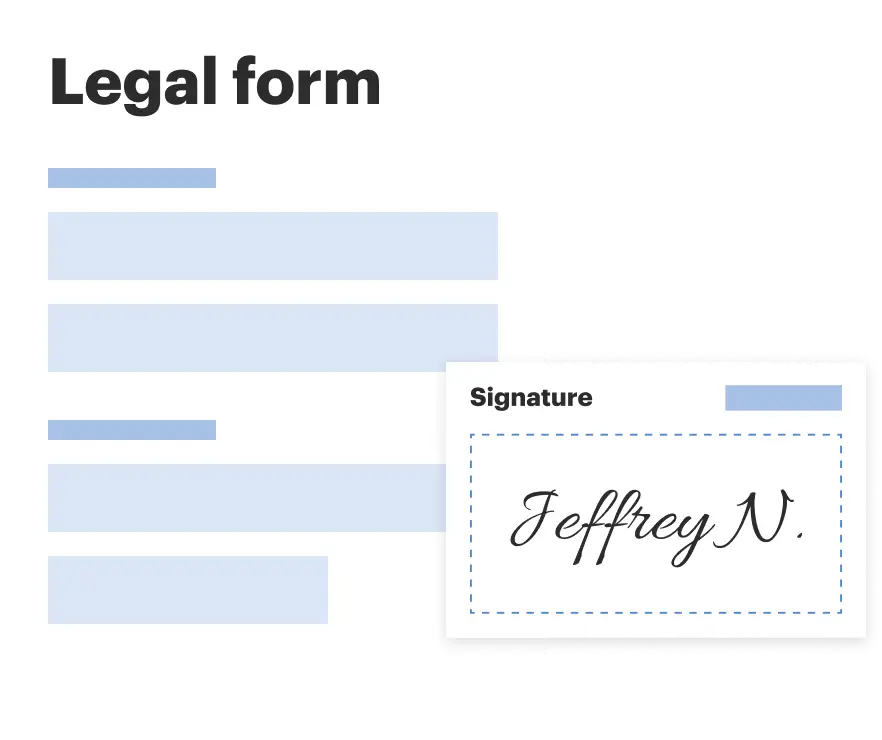
Sign and collect signatures with our SignNow integration. Send to multiple recipients, set reminders, and more. Go Premium to unlock E-Sign.
If this form requires notarization, complete it online through a secure video call—no need to meet a notary in person or wait for an appointment.
We protect your documents and personal data by following strict security and privacy standards.
Looking for another form?
Form popularity
FAQ
If you believe you have been discriminated against, it can be a good idea to use a question and answer process. This includes sending your employer a statement explaining what happened and asking them any questions you might have. You can do this at any time, whether you're raising the problem informally or formally.
The Canadian Human Rights Act is a broad-reaching piece of legislation that prohibits discrimination on the basis of gender, race, ethnicity and other grounds.
They are called grounds of discrimination and are listed in the Canadian Human Rights Act. For example: Were you fired because of your race? Were you denied a service because of your gender identity, your colour, your disability? Maybe it was about more than one thing.
They are called grounds of discrimination and are listed in the Canadian Human Rights Act. For example: Were you fired because of your race? Were you denied a service because of your gender identity, your colour, your disability? Maybe it was about more than one thing.
Provision. 13. A witness who testifies in any proceedings has the right not to have any incriminating evidence so given used to incriminate that witness in any other proceedings, except in a prosecution for perjury or for the giving of contradictory evidence.
In employment, a person cannot be discriminated against in employment because of a “record of offences.” Employment decisions cannot be based on whether a person has been convicted and pardoned for an offence under a federal law, such as the Criminal Code, or convicted under a provincial law, such as the Highway ...
The Human Rights Tribunal of Ontario deals directly with all claims of discrimination filed under the Human Rights Code. The Tribunal resolves applications using mediation or adjudication. The Tribunal can be contacted at 416-326-1312 or 1-866-598-0322.
Ten types of discrimination Age discrimination. Disability. Gender/sexual orientation. Gender identity/gender expression. Genetic information. Military status/military obligations. National origin. Religion.
The following would be considered illegal discrimination if there is evidence that the decision was made based on a protected characteristic: Sexual Harassment. Refusal to Provide Services. Unfair Lending Practices. Misrepresenting the Availability of Housing. Refusal to Allow “Reasonable Modifications” Refusing Rental.
Age. Age discrimination involves treating someone (an applicant or employee) less favorably because of age. Disability. Genetic Information. Unlawful Workplace Harassment (Harassment) ... National Origin. Pregnancy. Race/Color. Religion.